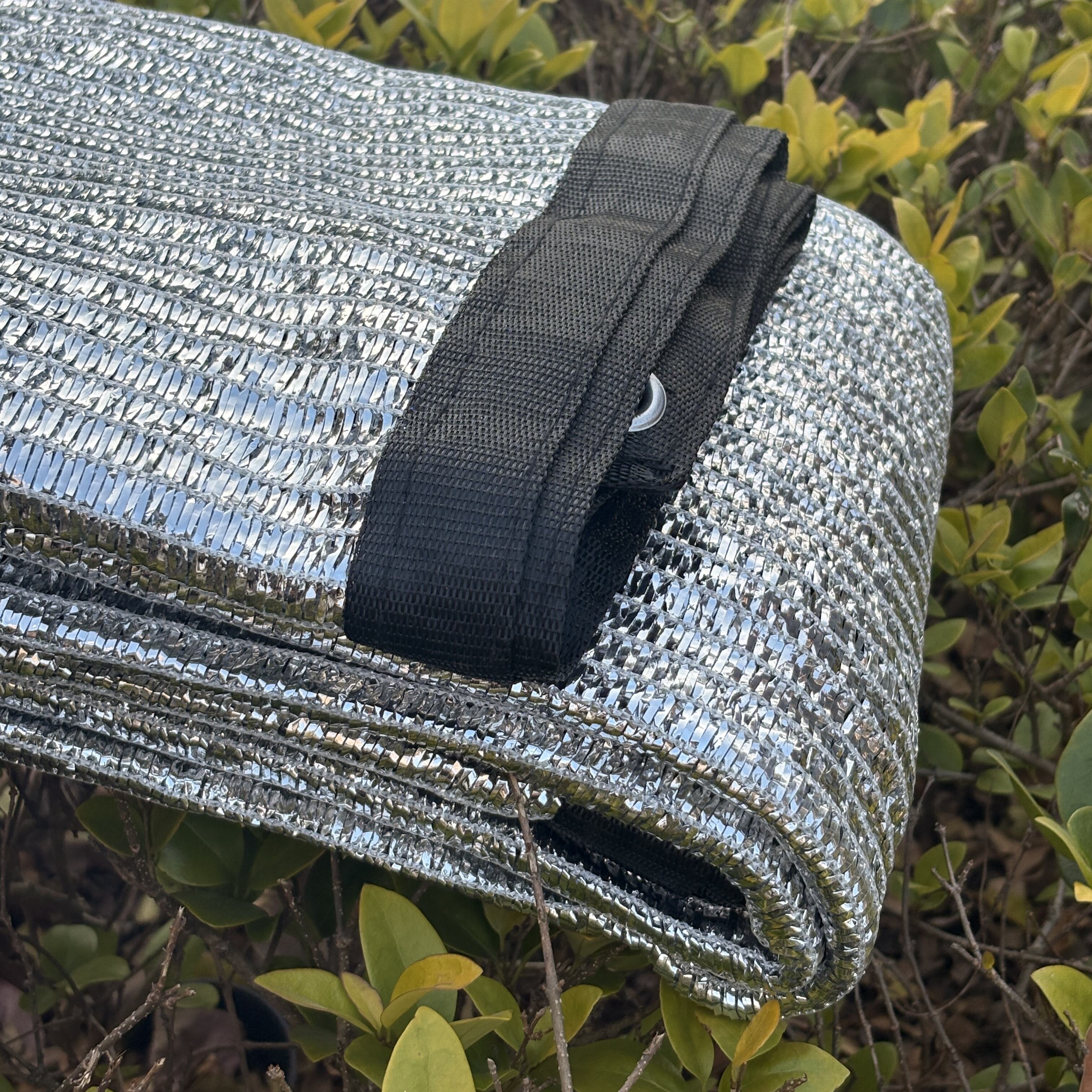
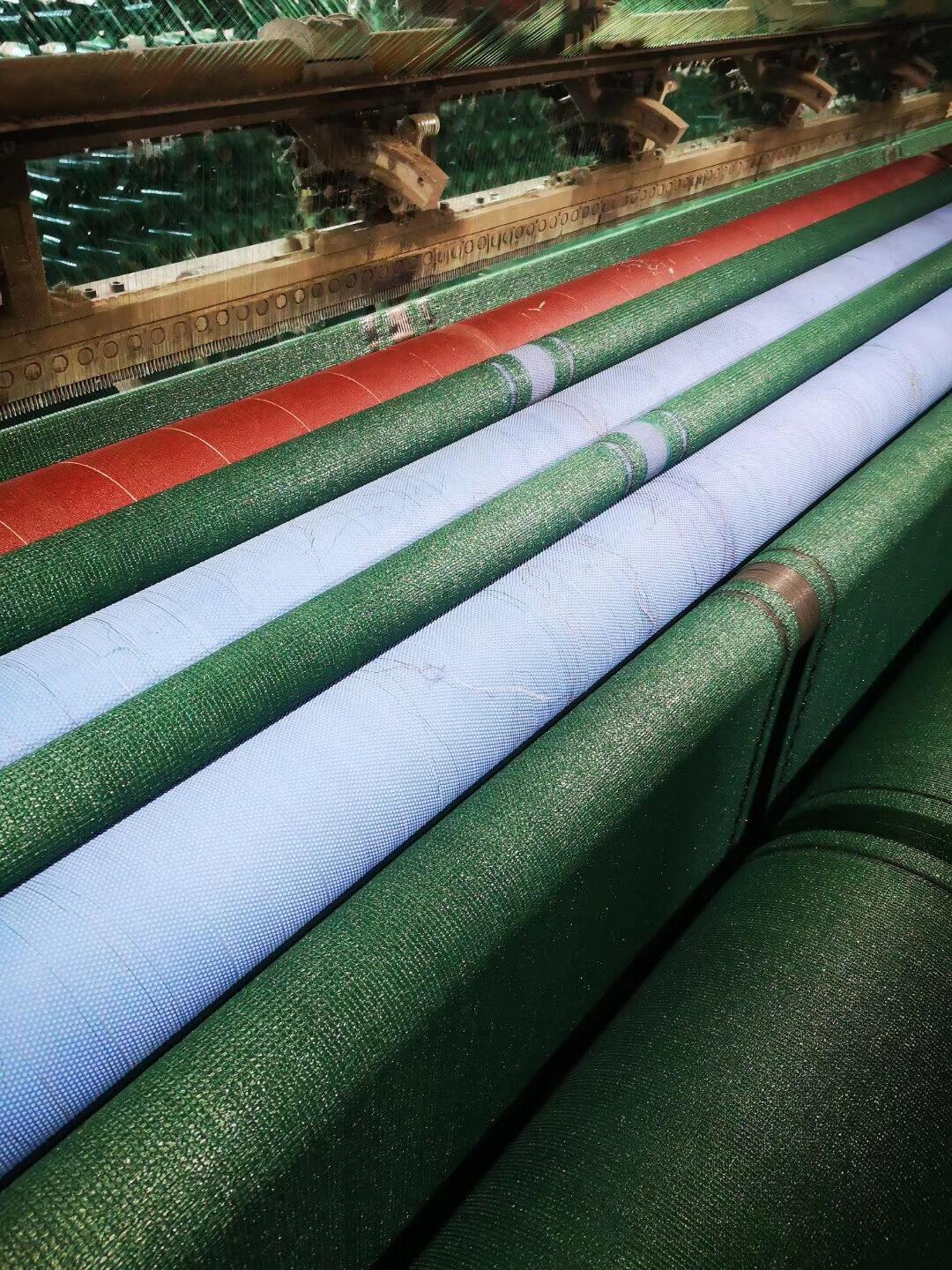
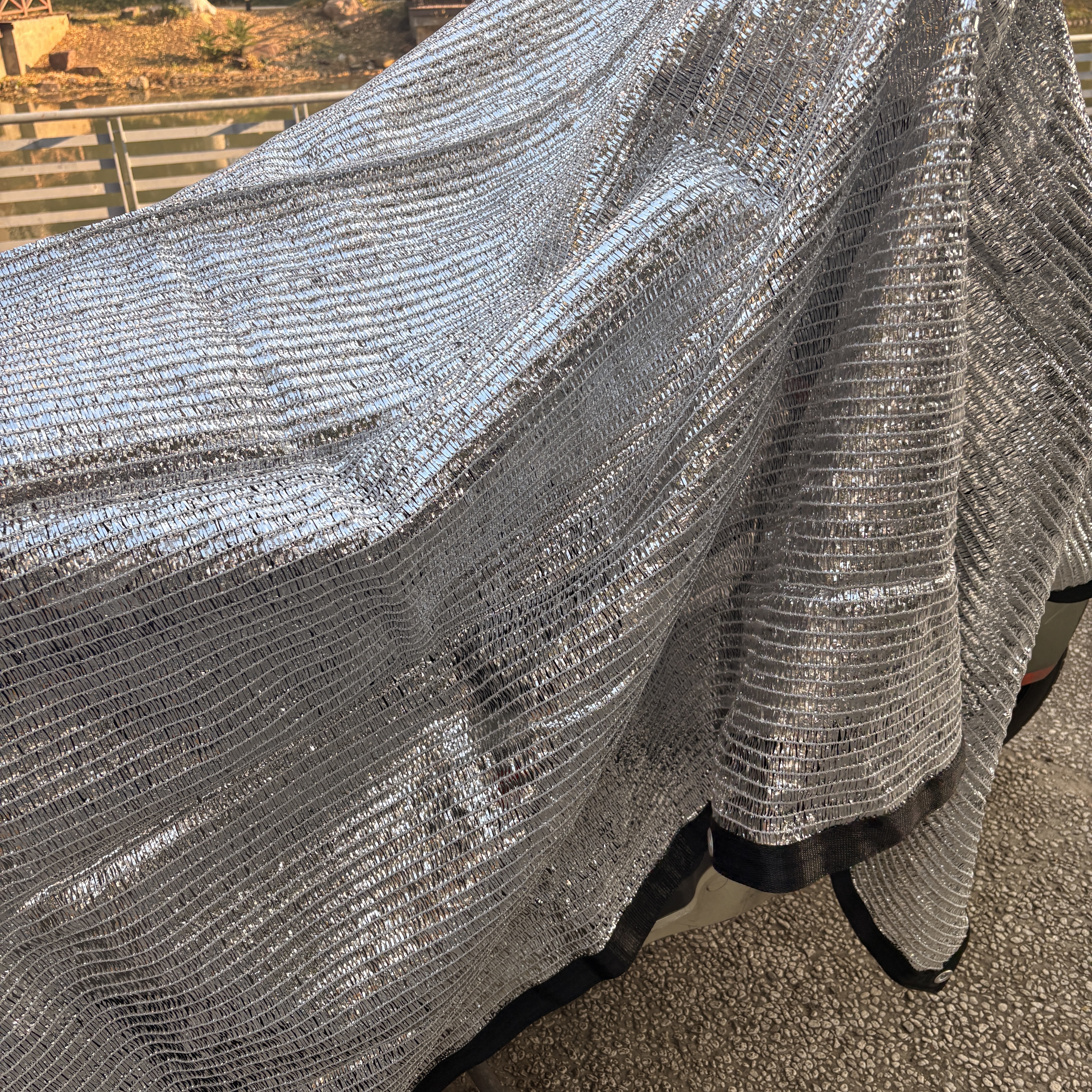
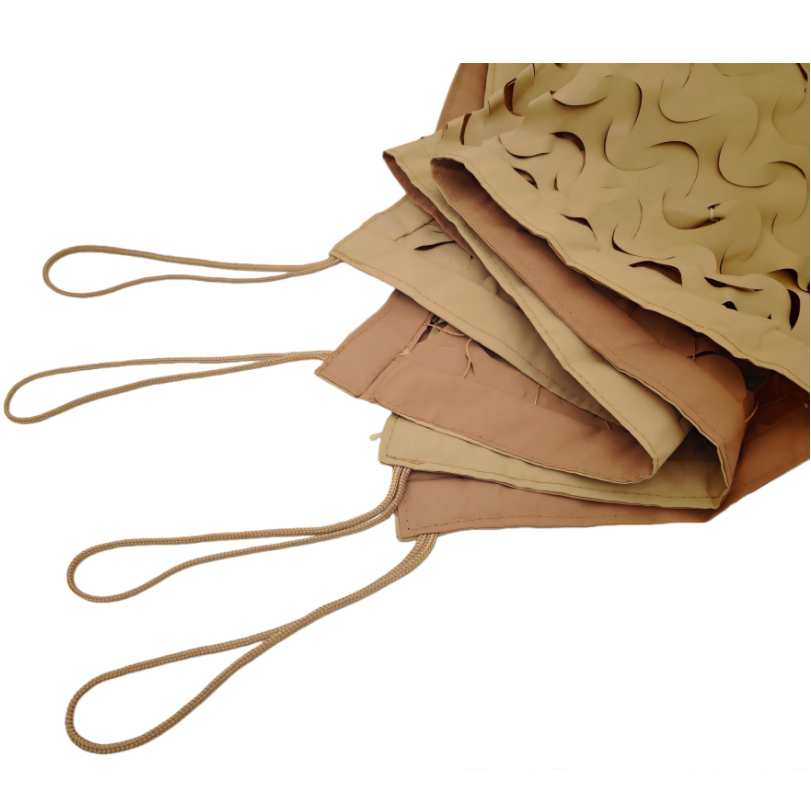
Premium Horticultural Shade Netting - Advanced UV Protection & Light Management Solutions

Get a Free Quote

Our representative will contact you soon.
Email
Name
Company Name
Mobile/WhatsApp
Message
0/1000

horticultural shade netting

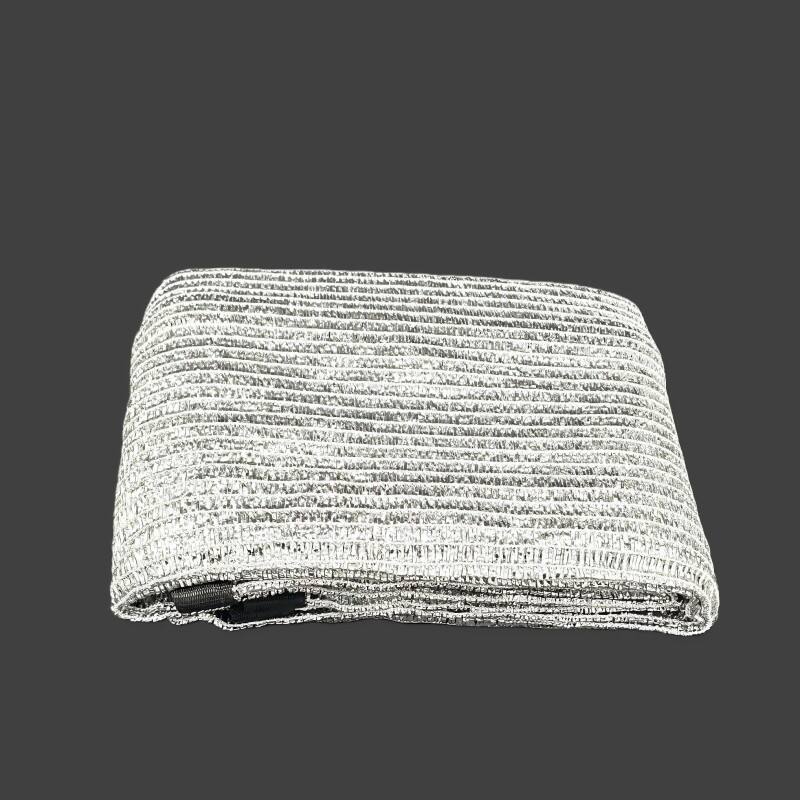
Horticultural shade netting represents a revolutionary advancement in modern agricultural technology, designed to optimize growing conditions for a wide variety of crops and plants. This specialized mesh material serves as a protective barrier that regulates sunlight exposure while maintaining adequate ventilation and moisture circulation. The primary function of horticultural shade netting centers on light filtration, reducing harmful UV radiation while allowing beneficial wavelengths to penetrate through to plants below. This selective light transmission creates optimal photosynthetic conditions that enhance plant growth and development. The technological features of horticultural shade netting include high-density polyethylene construction with UV-stabilized additives that ensure long-term durability and resistance to weathering. Advanced weaving techniques create precise aperture sizes that control light transmission rates, typically ranging from 30% to 90% shade coverage depending on specific crop requirements. The material incorporates anti-static properties that prevent dust accumulation and maintain consistent light filtration performance throughout its operational lifespan. Temperature regulation constitutes another crucial function, as the netting creates a microclimate that reduces heat stress on plants during peak sunlight hours. Moisture retention capabilities help maintain optimal humidity levels while preventing excessive water evaporation from soil surfaces. Horticultural shade netting applications span diverse agricultural sectors including nurseries, greenhouses, orchards, vegetable cultivation, and ornamental plant production. Commercial growers utilize this technology for protecting seedlings during establishment phases, extending growing seasons, and improving crop quality standards. The netting system adapts to various installation methods including permanent structures, temporary covers, and mobile shade systems that can be adjusted according to seasonal requirements and changing weather conditions.

New Products

Horticultural shade netting delivers substantial economic benefits that directly impact agricultural profitability and operational efficiency. Growers experience significant cost savings through reduced water consumption, as the netting minimizes evaporation rates and maintains soil moisture levels for extended periods. This water conservation translates into lower irrigation costs and reduced labor requirements for frequent watering schedules. Energy expenses decrease substantially when using horticultural shade netting in greenhouse environments, as the temperature regulation properties reduce reliance on mechanical cooling systems during hot weather conditions. Crop yield improvements represent another major advantage, with many producers reporting 15-30% increases in harvested quantities compared to unprotected growing areas. The enhanced growing environment created by horticultural shade netting promotes more uniform plant development, resulting in higher-quality produce that commands premium market prices. Plant stress reduction occurs naturally under the controlled light conditions, leading to healthier root systems, improved flowering, and better fruit set rates. The protective barrier shields crops from harsh weather elements including hail damage, excessive wind exposure, and intense ultraviolet radiation that can cause leaf burn and reduced photosynthetic efficiency. Pest management becomes more manageable with horticultural shade netting installations, as the physical barrier deters certain flying insects while maintaining beneficial air circulation patterns. Labor productivity increases when workers operate in shaded conditions, reducing fatigue and heat-related stress that can impact harvesting efficiency and overall farm operations. Season extension capabilities allow growers to start crops earlier in spring and continue production later into autumn, maximizing facility utilization and increasing annual revenue potential. Installation versatility accommodates various farm layouts and existing infrastructure, making horticultural shade netting suitable for both small-scale operations and large commercial enterprises. The durability factor ensures long-term return on investment, with quality netting materials maintaining effectiveness for multiple growing seasons without significant performance degradation.

Tips And Tricks

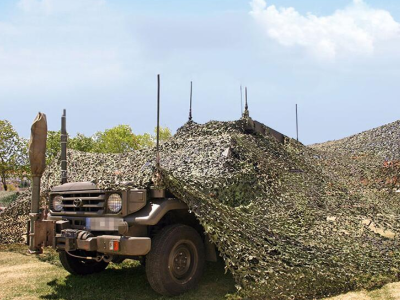
From Battlefield to Backyard: The European Embrace of Camouflage Nets for Stylish Shade and Design

14

Nov

From Battlefield to Backyard: The European Embrace of Camouflage Nets for Stylish Shade and Design

View More
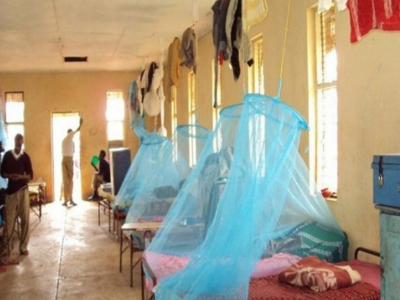
The Unseen Shield: How Mosquito Nets Remain a Cornerstone of Global Public Health

14

Nov

The Unseen Shield: How Mosquito Nets Remain a Cornerstone of Global Public Health

View More
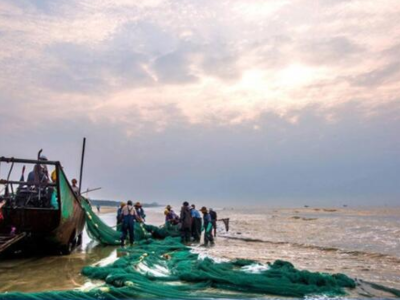
Casting a Sustainable Future How Innovation in Fishing Nets is Protecting Our Oceans

08

Dec

Casting a Sustainable Future How Innovation in Fishing Nets is Protecting Our Oceans

View More
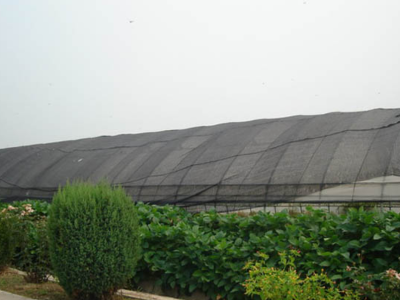
The Technological Revolution in Agricultural Nets for a Hungry Planet

14

Nov

The Technological Revolution in Agricultural Nets for a Hungry Planet

View More

Get a Free Quote

Our representative will contact you soon.
Email
Name
Company Name
Mobile/WhatsApp
Message
0/1000

horticultural shade netting

Advanced UV Protection Technology

Advanced UV Protection Technology

The sophisticated UV protection technology integrated into horticultural shade netting represents a breakthrough in agricultural crop protection that addresses one of the most significant challenges facing modern growers. This advanced feature utilizes specially formulated UV-stabilized compounds embedded directly into the polyethylene fibers during manufacturing, creating a durable shield against harmful ultraviolet radiation that can devastate plant health and productivity. The technology works by selectively filtering out damaging UV-A and UV-B wavelengths while allowing beneficial light spectrums to pass through, ensuring plants receive optimal photosynthetic energy without exposure to radiation that causes cellular damage, leaf scorching, and reduced chlorophyll production. This selective filtration process maintains the natural photosynthetic cycle while preventing the breakdown of plant proteins and DNA structures that occur under excessive UV exposure. Commercial growers benefit tremendously from this technology as it eliminates the need for chemical UV protectants and reduces plant stress that typically results in stunted growth, poor fruit development, and decreased crop quality. The UV protection extends beyond plant health to include preservation of the netting material itself, ensuring consistent performance throughout extended exposure periods without degradation of the mesh structure or filtration properties. Research studies demonstrate that crops grown under UV-protective horticultural shade netting exhibit improved antioxidant levels, enhanced flavor profiles, and superior nutritional content compared to plants exposed to unfiltered sunlight. The technology proves particularly valuable for sensitive crops such as lettuce, herbs, berries, and ornamental plants that are especially susceptible to UV damage. Additionally, the UV protection creates more comfortable working conditions for farm laborers, reducing their exposure to harmful radiation during cultivation, harvesting, and maintenance activities, which contributes to improved workplace safety and productivity levels.

Precision Light Management System

Precision Light Management System

The precision light management system engineered into horticultural shade netting revolutionizes how growers control photosynthetic conditions to optimize plant growth and maximize agricultural productivity. This sophisticated system employs carefully calibrated mesh densities and aperture configurations that allow precise control over light transmission rates, enabling customized growing environments tailored to specific crop requirements and seasonal conditions. The technology utilizes advanced weaving patterns that create uniform light distribution across covered areas, eliminating hot spots and shadows that can lead to uneven plant development and reduced crop quality. Different shade percentages ranging from 30% to 90% coverage accommodate diverse plant species and growth stages, from tender seedlings requiring heavy protection to mature plants needing moderate light reduction for optimal fruit development. The precision aspect extends to color temperature management, where specialized netting variations can enhance specific light wavelengths that promote desired plant responses such as increased flowering, improved root development, or enhanced vegetative growth. Commercial growers leverage this system to extend growing seasons by creating optimal light conditions during periods when natural sunlight may be too intense or insufficient for proper plant development. The light management technology also enables production of specialty crops that require specific photoperiod conditions, allowing growers to manipulate flowering cycles and harvest timing to meet market demands and achieve premium pricing. Quality control benefits include more consistent crop maturation, reduced variation in plant size and appearance, and improved shelf life of harvested products. The system's ability to diffuse direct sunlight prevents plant shock during transplanting and establishment phases, significantly improving survival rates and reducing crop losses. Energy efficiency improvements result from reduced need for artificial lighting in greenhouse environments, as the optimized natural light utilization decreases electricity consumption while maintaining ideal growing conditions throughout the cultivation cycle.
Multi-Season Durability Engineering

Multi-Season Durability Engineering

The multi-season durability engineering incorporated into horticultural shade netting represents a significant advancement in agricultural material science that delivers exceptional longevity and consistent performance across multiple growing cycles and diverse weather conditions. This engineering excellence begins with high-grade polyethylene resins that undergo specialized treatment processes to enhance molecular stability and resistance to environmental stressors including temperature fluctuations, moisture exposure, and chemical degradation. The manufacturing process employs advanced stabilization additives that protect against oxidation, thermal breakdown, and photodegradation, ensuring the netting maintains its structural integrity and functional properties for extended operational periods. Rigorous testing protocols simulate years of field exposure under accelerated aging conditions, validating performance standards that guarantee reliable service life exceeding industry benchmarks. The engineering design incorporates reinforced edge treatments and superior weaving techniques that prevent fraying, tearing, and mesh distortion even under high wind loads and mechanical stress from installation and removal procedures. Commercial growers benefit from reduced replacement costs and minimized downtime associated with netting failures, as the durable construction withstands harsh agricultural environments including exposure to fertilizers, pesticides, and cleaning chemicals commonly used in crop production operations. Weather resistance capabilities enable the netting to perform consistently across extreme temperature ranges, from freezing winter conditions to intense summer heat, without compromising shade percentages or developing structural weaknesses. The engineering also addresses common failure modes such as UV-induced brittleness and stress-crack propagation by incorporating flexible polymer chains that maintain elasticity throughout the service life. Installation longevity reduces labor costs associated with frequent netting replacement and minimizes crop disruption caused by protection system failures during critical growing periods. The multi-season design philosophy extends to easy maintenance requirements, with soil and debris resistance properties that simplify cleaning procedures and prevent contamination buildup that could affect light transmission or create pest harboring areas.

Get a Free Quote

Our representative will contact you soon.
Email
Name
Company Name
Mobile/WhatsApp
Message
0/1000