EN
EN


The global fishing industry is navigating a sea of change, tasked with the monumental challenge of balancing the essential need to feed a growing global population with the urgent, non-negotiable imperative of ocean conservation. For centuries, the fishing net has been the symbol of this industry, but it has also become associated with its greatest challenges: overfishing, bycatch, and marine pollution. Today, that narrative is being rewritten. The net is now at the heart of a profound sustainability revolution. As forward-thinking manufacturers, we recognize our profound responsibility and opportunity to drive this change. The industry is witnessing a paradigm shift, moving beyond a singular focus on catch efficiency towards a new, holistic era of sustainable fishing gear, driven by material science innovation, a relentless focus on bycatch reduction, and a global commitment to eradicating the scourge of "ghost fishing," with advanced polyethylene formulations and smart designs leading the charge.
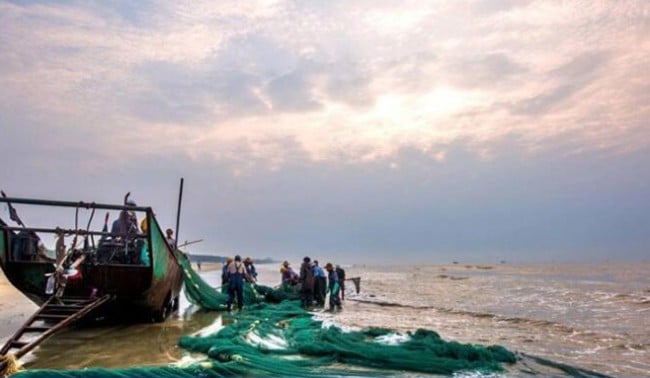
The environmental disaster of "ghost fishing" has been a powerful and sobering catalyst for innovation. Lost, abandoned, or discarded fishing gear, often made from non-degradable synthetic polymers, can continue to fish indiscriminately for decades, trapping and killing marine life in a destructive cycle. This "ghost gear" is a major contributor to ocean plastic pollution, accounting for a significant portion of the macroplastics in the infamous Great Pacific Garbage Patch. In direct response, we are pioneering the development and practical deployment of biodegradable fishing nets. These nets are manufactured from specially formulated polymers, such as polybutylene succinate (PBS) or polycaprolactone (PCL), which are engineered to retain their operational strength and performance during their intended lifespan but undergo accelerated biodegradation in the specific conditions of the marine environment if they are lost. It is crucial to understand that these biodegradable nets are not a license for irresponsible disposal; rather, they are a crucial mitigation tool, a safety net for our oceans. By significantly reducing the functional lifespan of derelict gear from hundreds of years to a few years, we can dramatically curtail its long-term ecological impact while the fishing industry transitions to even more responsible practices.
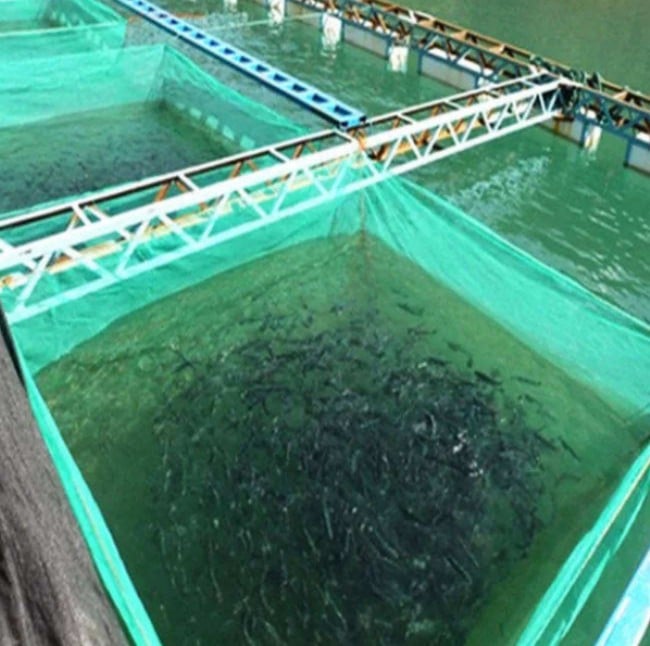
Parallel to this, material science is delivering groundbreaking advancements in durability and operational efficiency that inherently promote sustainability. The advent of ultra-high-molecular-weight polyethylene (UHMWPE) fibers, marketed under brands like Dyneema® and Spectra®, has been a game-changer. These fibers boast an exceptional strength-to-weight ratio—up to 15 times stronger than steel on a weight-for-weight basis—and unparalleled resistance to abrasion, chemicals, and UV degradation. This technological leap has profound implications. For fishers, it means they can use thinner, lighter twines that create significantly less hydrodynamic drag (water resistance) when towed. The direct consequence is a substantial reduction in fuel consumption; some trawling operations have reported fuel savings of up to 30%. This not only lowers operational costs for the vessel but also directly reduces the carbon footprint of the fishing industry, a critical step in mitigating its environmental impact.
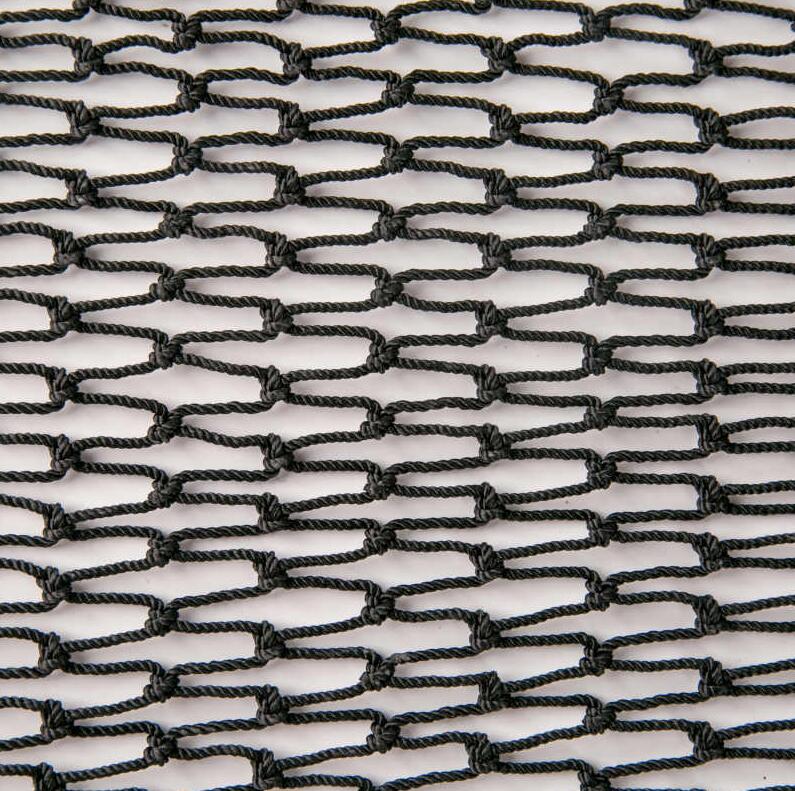
Furthermore, this immense strength allows for the design and incorporation of innovative, selective fishing features that were previously impossible with weaker materials. Bycatch—the accidental capture of non-target species such as sea turtles, dolphins, sharks, seabirds, and juvenile fish—has been one of the most contentious issues in commercial fishing. Modern, sustainable net design tackles this problem head-on. We now develop and promote nets with strategically placed and sized square mesh panels, which remain open under tow pressure unlike diamond mesh which closes, allowing smaller, non-target fish to escape. Larger Escape Panels, or Bycatch Reduction Devices (BRDs), can be installed to allow megafauna like turtles and dolphins to exit the net safely. Another innovation involves using panels of highly visible, contrasting colored UHMWPE twine (often orange or green) within the net. These "windows" are more visible to species with good color vision, like sea turtles, providing them with an escape route, while the target fish species, which may see a different light spectrum, remain unaware.
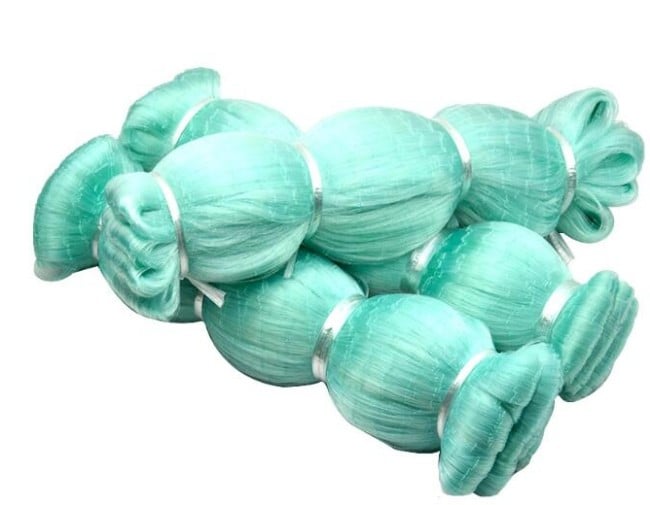
These technological advancements are increasingly being supported, and in many cases mandated, by a growing framework of robust international certifications (like the Marine Stewardship Council - MSC) and stricter regional fisheries management regulations. Our role has evolved into a collaborative partnership with fisheries, marine biologists, research institutions, and regulatory bodies. This "triad" approach is essential for success. We engage in field testing of new net designs, gathering critical data on their performance, selectivity, and practicality directly from the fishers on the water. For instance, recent trials have explored adding sensory deterrents, such as small, battery-free LED lights that flash at specific frequencies, to the nets. These lights have been shown to dramatically reduce bycatch of certain species, like sea turtles and cetaceans, by alerting them to the net's presence, without affecting the catch rates of target species like cod or haddock.
From monofilament gillnets to multifilament trawls and seine nets, the overarching focus is on creating "smarter" gear that is highly effective for specific target species while minimizing its collateral impact on the broader marine ecosystem. This involves a deep understanding of species-specific behavior, swimming patterns, and visual acuity. The sustainable future of fishing does not rely on a single miracle solution but on the synergistic integration of responsible fishing practices, robust and science-based regulation, and continuous technological innovation. By providing stronger, smarter, more selective, and more environmentally responsible netting solutions, we are committed to empowering the global fishing industry. Our goal is to ensure it can continue to provide vital food and livelihoods for communities today, without compromising the health, productivity, and breathtaking biodiversity of our oceans for the generations who will depend on them tomorrow.


 Hot News