EN
EN


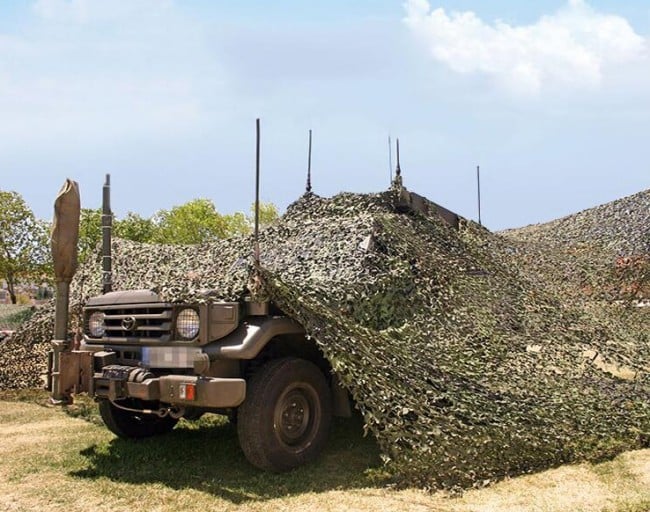
In recent years, the concept of “tactical concealment” has long been a subject of debate and innovation. While military vehicles were once designed to blend into their surroundings with subtle armor or tarp-like coverings, this became increasingly impractical as urban environments and modern lifestyles demanded more refined solutions. Enter Camouflage nets—this groundbreaking design movement, inspired by centuries-old techniques for blending functionality with aesthetic appeal—and it’s now reshaping contemporary design.
The Evolution of Camouflage
Camouflage nets were first conceptualized in the 19th century as a means to break up rigid structures and blend into urban landscapes. Over the years, their practical applications expanded beyond military contexts to include residential spaces, public infrastructure, and even natural settings like gardens and beer gardens. As design evolves, so do the materials and principles behind these nets.
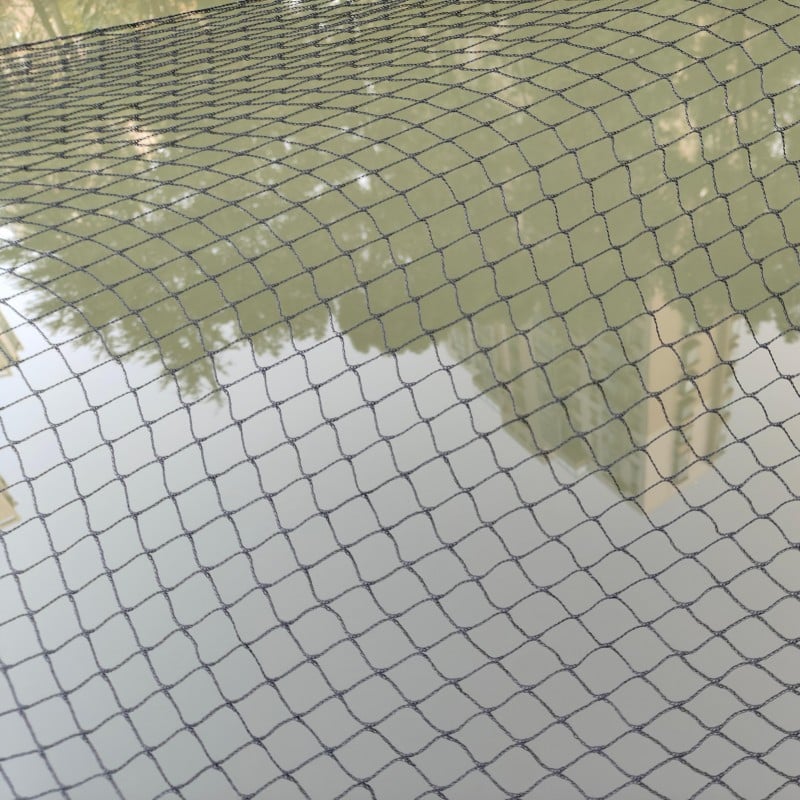
Today, Camouflage nets are crafted from durable polyethylene and polyester materials that ensure long-term durability. Their open mesh structure allows them to withstand UV radiation, moisture, and temperature fluctuations without compromising their form or function. This blend of functionality with aesthetic appeal makes them a versatile tool for both practical applications and creative expression.
The Unique Properties of Camouflage Nets
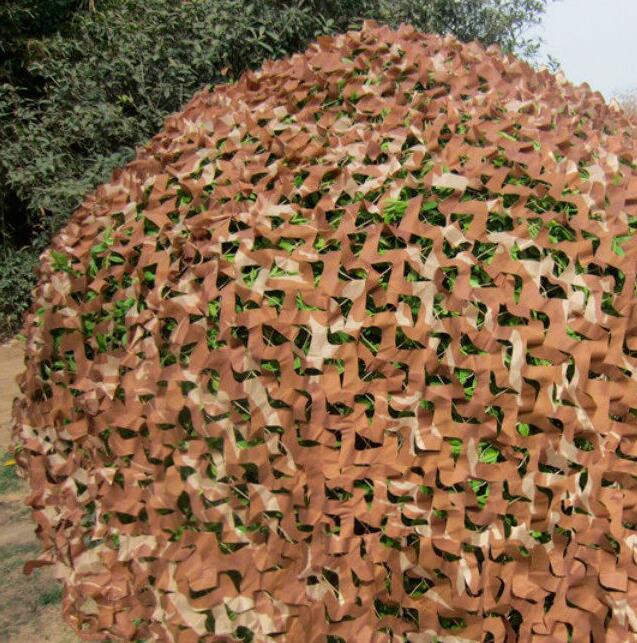
One of the most distinguishing features of Camouflage nets is their ability to break up rigid outlines while maintaining a subtle, diffused shading effect. Unlike traditional shade tarp-like coverings that can sometimes feel clunky or overly bulky, Camouflage nets offer a harmonious blend of form and function. The open mesh allows airflow through the net during periods of heat, creating a refreshing breeze in hot, sunny environments.
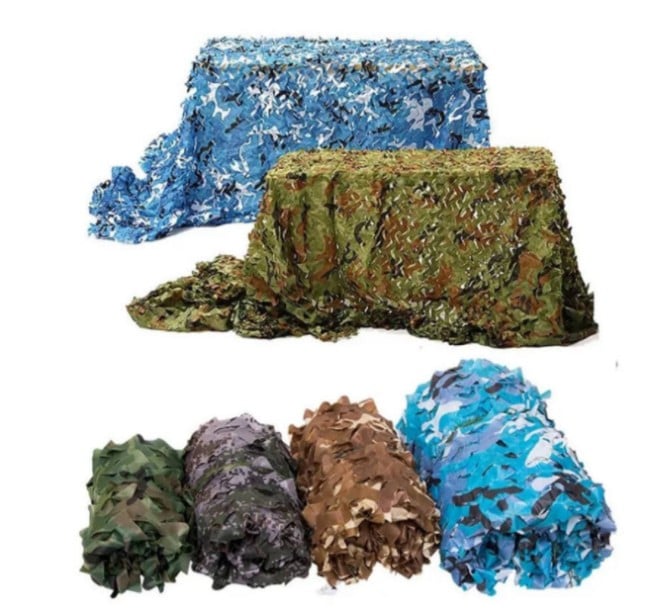
The visual texture of these nets is equally captivating. Their organic geometry often draws inspiration from natural forms—beetles, trees, or even abstract patterns that reflect earthy tones like olive green, tan, and brown. This organic appeal complements the practical benefits, making Camouflage nets a perfect blend of form and function.
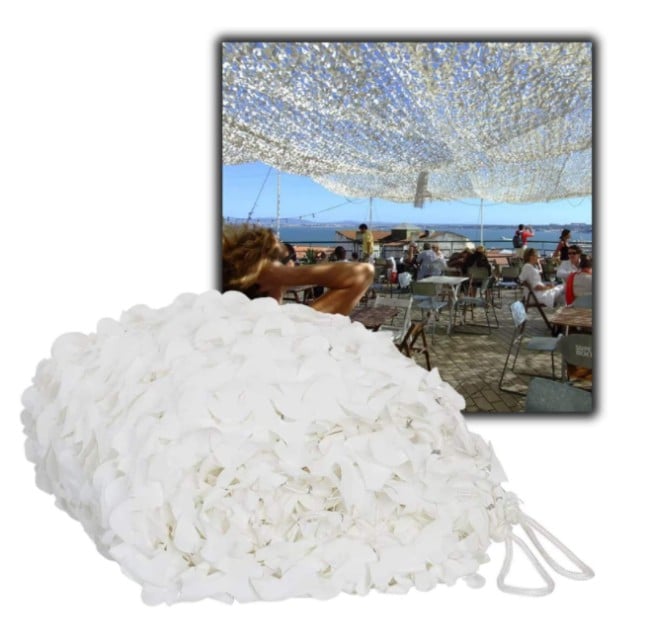
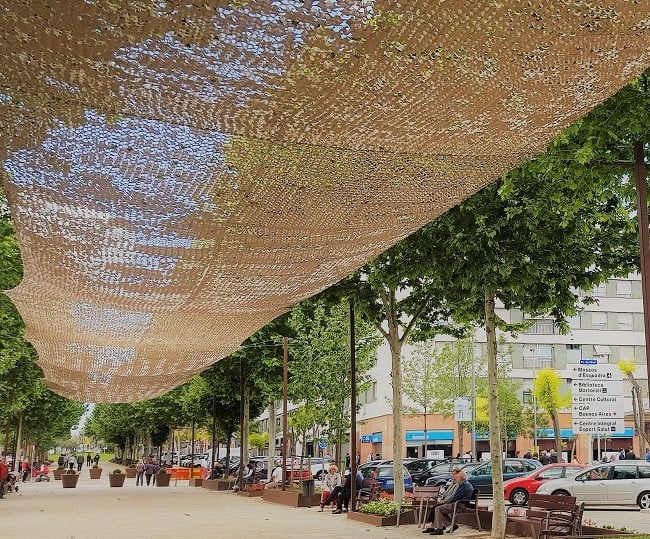
Camouflage nets also excel at providing both shaded and lighted spaces. Their semi-transparent nature prevents direct sunlight from entering but allows natural light to pass through during off-peak hours. This dual functionality makes them ideal for use in urban settings like paves, patios, and gardens. In the realm of outdoor spaces, Camouflage nets have become a versatile tool for creating calming environments that feel both functional and aesthetically pleasing.
Applications Beyond Shade
Camouflage nets are not confined to shading; they also serve as dynamic tools for design and creativity. For instance, they can be used as antagonist designs in interior architecture or as subtle settings in storytelling scenes. In the world of photography, Camouflage nets often function as natural lighting filters, creating unique compositions that reflect both the texture and geometry of the space.
The organic appeal of these nets also makes them a popular choice for contemporary artists, photographers, and designers. Their ability to blend with natural elements has led to countless creative projects that explore symmetry, asymmetry, and color harmony in unexpected ways. One notable example is their use in beer gardens, where they create an inviting setting that feels both modern and organic.
The Material Science Behind Camouflage
The durability of Camouflage nets lies in their robust construction and resistance to environmental factors. Made from high-temperature-resistant polyethylene and polyester, these materials are engineered to withstand long-term exposure to UV radiation, moisture, and temperature fluctuations without compromising their form or function. This longevity ensures that Camouflage nets remain practical for years while remaining visually striking.
Their durability also extends into their design and layout. The open mesh allows for easy assembly and integration with existing structures, whether they’re installed on a patio, in a garden bed, or even as part of a larger outdoor project. Their versatility further highlights their enduring relevance in both residential and urban settings.
Future Trends and Challenges
As the world continues to embrace sustainability, Camouflage nets are not only offering new functionality but also setting a precedent for innovative design solutions. The combination of form and function, combined with their organic aesthetic appeal, makes them a prime candidate for future trends that emphasize accessibility, sustainability, and creativity.
One area where challenges may arise is in extreme climate conditions. While Camouflage nets have proven effective during warmer summers, they will need to adapt to cooler winters and other environmental pressures. Innovations such as adaptive meshes or lightweight materials may be necessary to maintain their effectiveness while addressing new design challenges.
Another consideration is the integration of Camouflage nets into more complex systems. While they are currently used singly in shaded environments, their ability to blend with natural textures and forms suggests potential for larger-scale installations that integrate them seamlessly into urban landscapes.
Conclusion
Camouflage nets have transformed contemporary design by offering a practical yet visually appealing solution to breaking up rigid structures and creating calming, naturalistic settings. Their organic geometry, unique properties, and durability make them an indispensable tool in modern architecture, landscape design, and creativity. As environmental awareness continues to grow and sustainability becomes a priority, Camouflage nets will likely take on even more significant roles in shaping the future of design.
In conclusion, Camouflage nets are not just a tactical concealing device anymore—they are a testament to the enduring power of blending functionality with aesthetic appeal. Their versatility, durability, and organic beauty make them an indispensable part of contemporary design, bridging the gap between practicality and creativity.



 Hot News