EN
EN


The challenge facing global agriculture is unprecedented. By 2050, our planet will need to feed nearly 10 billion people, a staggering projection that demands a fundamental rethinking of how we cultivate food. Compounding this challenge is the escalating impact of climate change, bringing with it extreme weather events, unpredictable rainfall patterns, and a heightened prevalence of pests and diseases. In this urgent quest for sustainability and productivity, a once-simple agricultural tool is undergoing a radical transformation, emerging as a cornerstone of what is known as precision agriculture: the advanced agricultural net. Moving far beyond their traditional role as passive shade providers, these sophisticated textile solutions, crafted from high-density polyethylene (HDPE), polypropylene, and engineered mono-filaments, are revolutionizing farming from the ground up. These are no longer mere covers; they are active, intelligent management tools that allow growers to create optimized microclimates, defend against biotic and abiotic stresses, and protect valuable investments from an increasingly volatile environment, thereby securing the resilience of our global food supply.
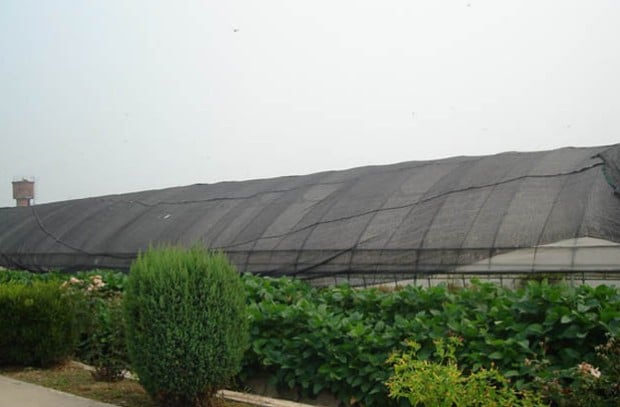
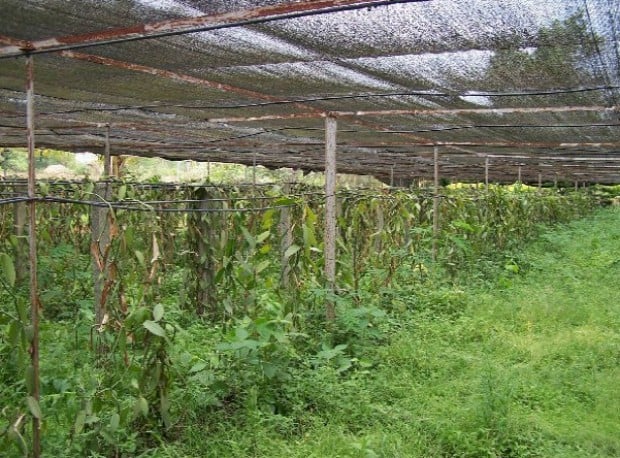
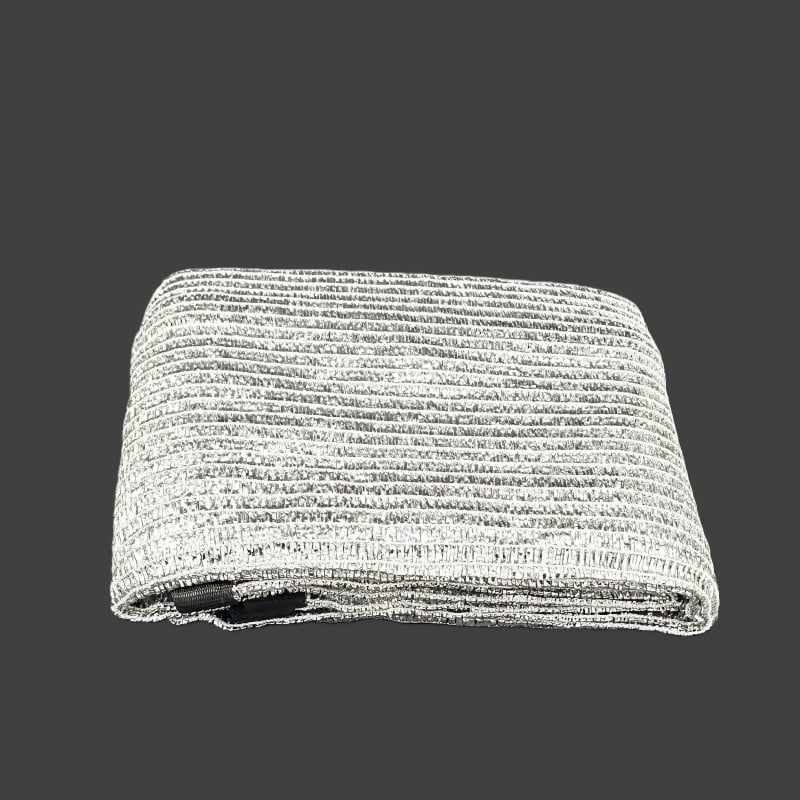
The most visible and well-established impact of this revolution is in the evolution of photoselective and shade nets. The outdated "one-shade-fits-all" model has been completely supplanted by a precise, scientific approach grounded in plant physiology. Modern shade nets are engineered with specific Light Transmission Ratios (LTR) or Photosynthetically Active Radiation (PAR) modulation capabilities, offering shading intensities from 30% to 90%, each tailored to the unique needs of different crops. For instance, delicate ornamentals like orchids and ferns require high shade (70-90%) to prevent photoinhibition and leaf scorching, while high-value vegetables like bell peppers and tomatoes thrive under lower shade (30-50%) that optimizes photosynthesis while preventing sunscald on the fruits. This precise control directly influences plant morphology, yield, and even harvest timing.
Beyond simple light reduction, the field of photoselective nets has introduced a new layer of control. These innovative nets incorporate specific colored pigments (e.g., pearl, red, blue, and yellow) that selectively filter sunlight, altering the Red to Far-Red (R:FR) light ratio and the blue light spectrum that plants receive. This manipulation of light quality can trigger specific physiological responses. Pearl nets, for instance, are known to enhance light diffusion within the plant canopy, promoting more uniform fruit ripening and improved fruit set. Red nets have been shown to influence vegetative growth, often resulting in larger leaves and longer stems, which can be beneficial for certain leafy greens or vine crops. The primary material for these advanced nets, HDPE, is chosen for a suite of critical properties: high tensile strength to withstand wind loads, exceptional resistance to chemicals and moisture that prevents rot and degradation, and advanced UV stabilization that ensures the net's spectral properties and physical integrity are maintained for multiple growing seasons, providing an excellent long-term return on investment.
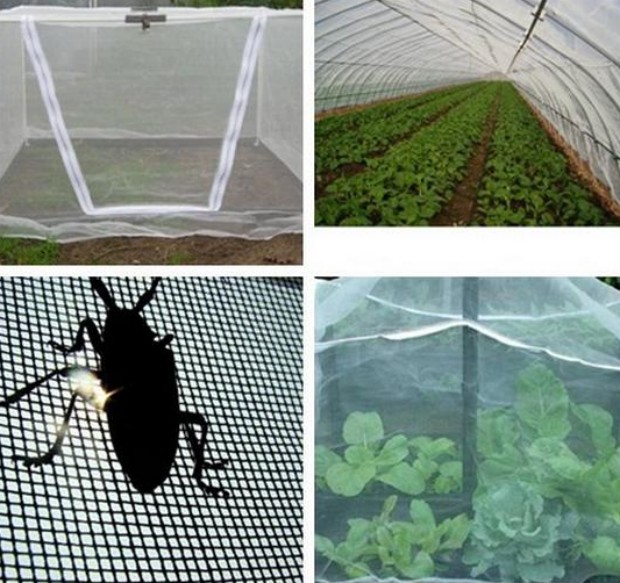
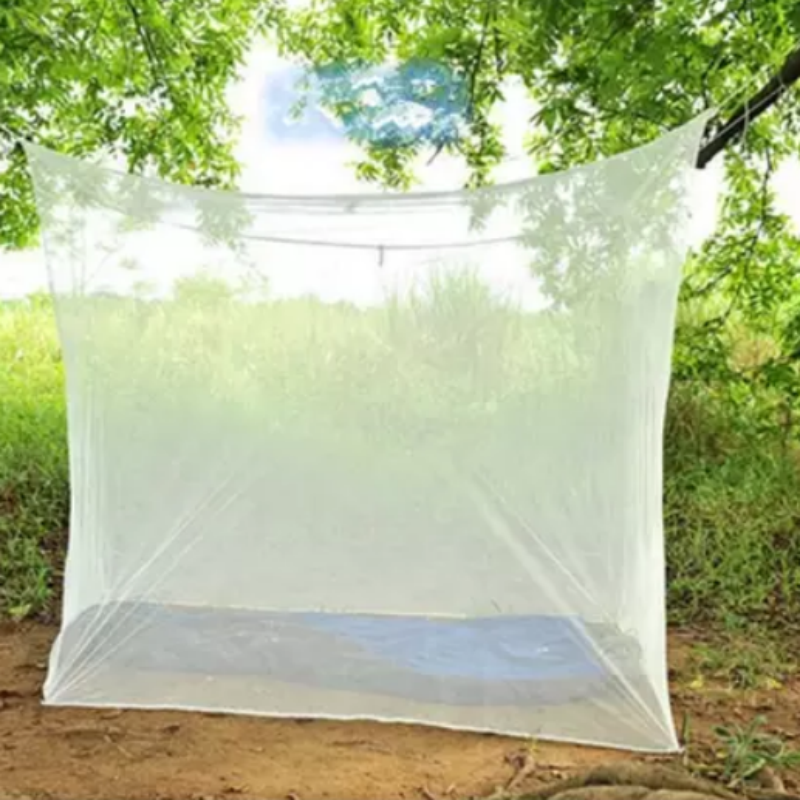
Perhaps the most significant leap forward in sustainable agriculture has come from the deployment of insect-proof or anti-insect nets. Constructed with a precise, ultra-fine mesh that acts as a formidable physical barrier, these nets exclude a wide range of pests, including aphids, whiteflies, thrips, and leaf miners. This approach is a cornerstone of Integrated Pest Management (IPM), drastically reducing, and in some cases eliminating, the need for broad-spectrum chemical pesticides. The benefits are profound and twofold. First, they prevent direct physical damage to crops from insect feeding. Second, and more critically, they block the transmission of devastating viral diseases that these insects vector. For example, the use of 50-mesh anti-insect nets has proven highly effective in preventing the spread of the Tomato Yellow Leaf Curl Virus (TYLCV), a disease that can wipe out entire tomato crops. This not only safeguards yield but also aligns perfectly with the booming global demand for organic produce and more environmentally responsible farming practices, reducing chemical runoff into soil and waterways.
The role of nets in physical protection has also expanded dramatically. Anti-hail nets, constructed from robust, UV-stabilized polyethylene, have become indispensable in fruit-growing regions from the orchards of Italy and Spain to Chile and South Africa. These nets are engineered not just to catch hailstones, but to absorb and dissipate their kinetic energy, saving harvests worth millions of dollars from being destroyed in a single, violent storm. Beyond hail protection, they offer valuable secondary benefits, including moderate wind reduction, which minimizes fruit scarring and branch damage, and a degree of shade that can prevent sunburn on delicate fruits like apples and grapes. Similarly, windbreak nets, often made from cost-effective and durable polypropylene, are strategically deployed to reduce wind speed across fields. This simple intervention reduces mechanical stress on plants, minimizes soil erosion and moisture loss through evapotranspiration, and creates a more stable microclimate that promotes healthier, more consistent growth.
The "smart farming" revolution is now beginning to integrate digital technology directly into the very fabric of agricultural nets. The next frontier involves the development of "smart" netting systems that incorporate functional layers. Research is underway into nets with integrated semi-permeable membranes that can passively regulate humidity and temperature within greenhouses, reducing the energy cost of active climate control. More advanced concepts include nets with woven-in, flexible sensors capable of monitoring real-time data such as temperature, humidity, light intensity, and even soil moisture levels directly at the canopy level, transmitting this data wirelessly to a central farm management system. This would provide growers with an unprecedented, hyper-localized view of their crop environment.
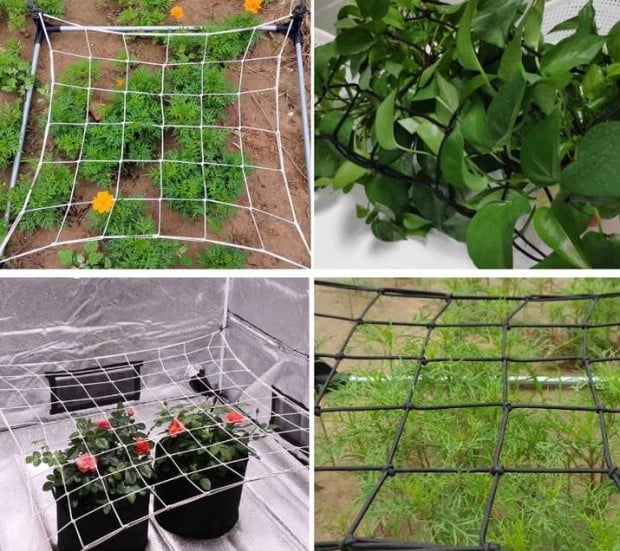
As a leading supplier to the global agricultural industry, our mission extends far beyond simply providing a product. We partner with agronomists, research institutions, and forward-thinking farmers to design and deliver holistic, site-specific netting systems. This collaborative approach ensures that the chosen solution—whether a photoselective net for quality enhancement, an insect-proof net for disease prevention, or a robust anti-hail net for asset protection—is perfectly matched to the local climate, crop type, and economic objectives of the grower. In the face of a hungry and climatically unpredictable world, these advanced netting systems are not just an accessory; they are a fundamental component of a resilient, productive, and sustainable agricultural future, empowering farmers to master their microclimate and secure their livelihoods.


 Hot News