shade net car parking
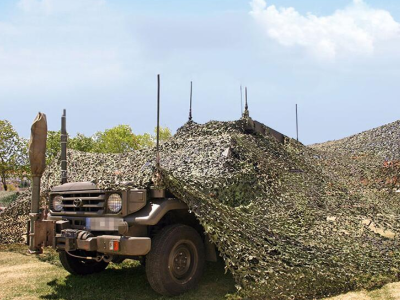
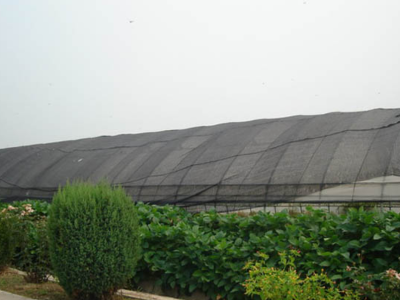
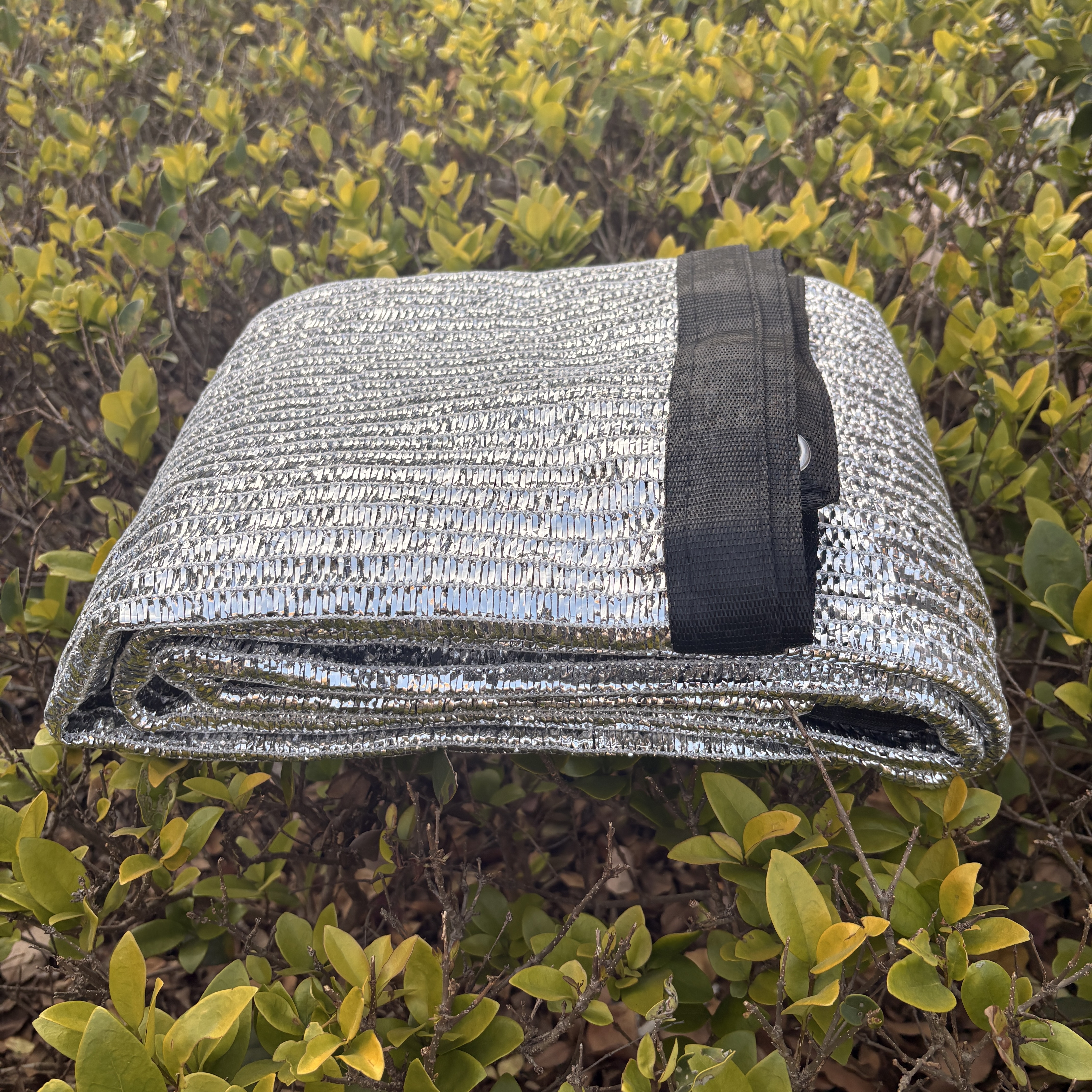
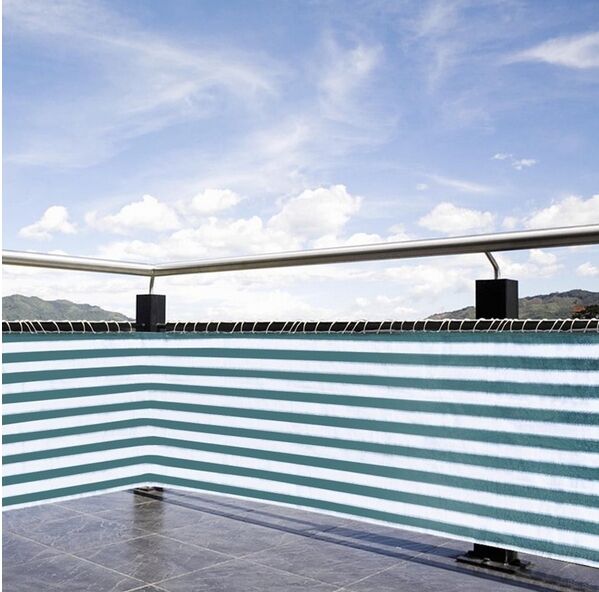
Shade net car parking represents an innovative and cost-effective solution for vehicle protection that combines modern engineering with practical functionality. This advanced parking system utilizes high-grade shade netting materials stretched over sturdy structural frameworks to create covered parking spaces that shield vehicles from harsh environmental elements. The shade net car parking system serves as an excellent alternative to traditional concrete structures, offering superior ventilation while maintaining effective protection against sun damage, hail, and precipitation. The primary function of shade net car parking involves creating a protective canopy that blocks harmful UV rays, which can cause paint fading, interior cracking, and dashboard deterioration in vehicles. These systems typically feature tensioned fabric membranes made from high-density polyethylene or specialized automotive-grade materials that provide optimal coverage while allowing air circulation. The technological features of shade net car parking include advanced tensioning mechanisms, corrosion-resistant support structures, and weather-resistant fabric materials designed to withstand extreme temperatures and wind conditions. Modern installations incorporate galvanized steel or aluminum frameworks that ensure long-term durability and minimal maintenance requirements. The applications of shade net car parking extend across residential complexes, commercial properties, industrial facilities, shopping centers, airports, and recreational venues. Property developers increasingly choose shade net car parking for new construction projects due to its versatility and rapid installation capabilities. Educational institutions benefit from shade net car parking systems that accommodate large vehicle volumes while maintaining budget constraints. Healthcare facilities utilize these structures to provide comfortable parking environments for patients and staff members. The modular design of shade net car parking allows for customization based on specific site requirements, traffic patterns, and aesthetic preferences, making it suitable for diverse architectural environments and climate conditions.
 EN
EN