shade net house farming
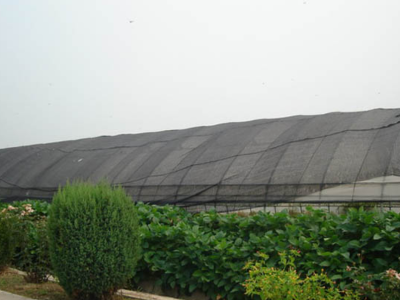
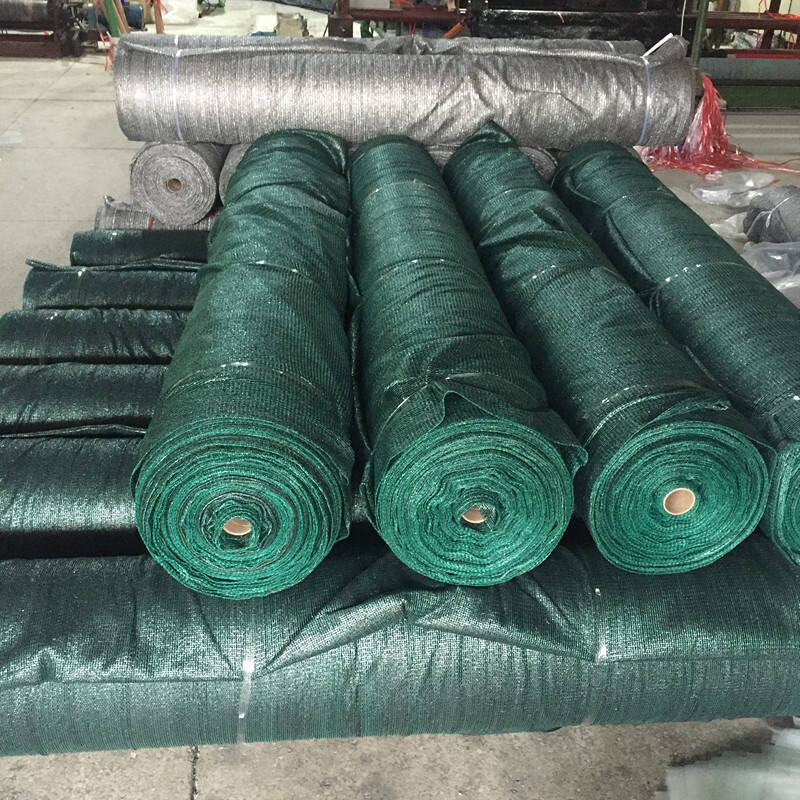
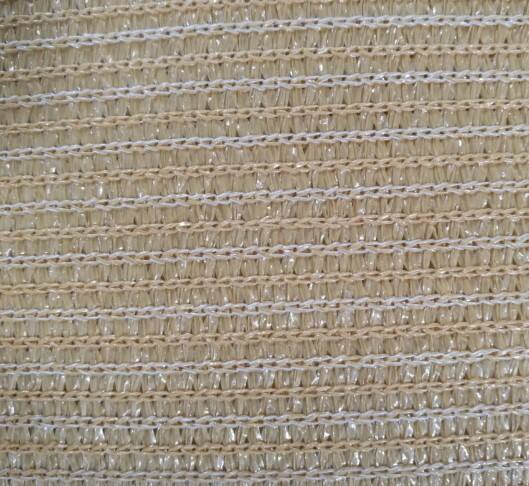
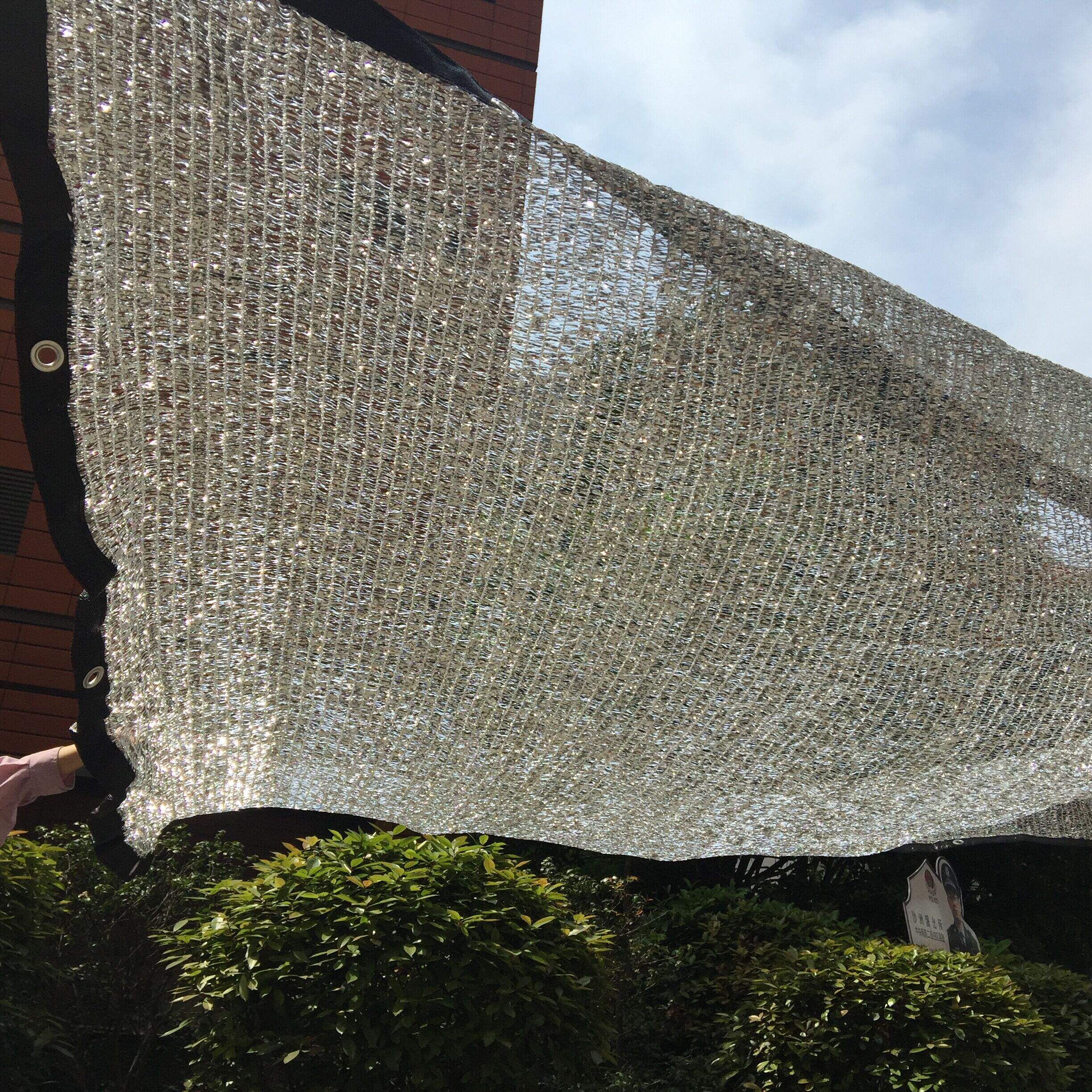
Shade net house farming represents a revolutionary approach to controlled environment agriculture that combines protection, efficiency, and sustainability. This innovative farming method utilizes specially designed shade nets constructed from high-density polyethylene materials to create optimal growing conditions for various crops. The shade net house farming system functions as a protective barrier that regulates sunlight, temperature, humidity, and air circulation while maintaining natural growing conditions. The primary functions of shade net house farming include solar radiation management, pest and disease control, weather protection, and microclimate optimization. The technology features advanced UV-stabilized materials that provide varying shade percentages ranging from 35% to 90%, allowing farmers to customize light filtration based on specific crop requirements. Modern shade net house farming incorporates sophisticated ventilation systems, automated irrigation networks, and climate monitoring equipment to ensure precise environmental control. The structural framework typically consists of galvanized steel or aluminum supports that provide durability and longevity in diverse weather conditions. Applications of shade net house farming span across numerous agricultural sectors including vegetable production, flower cultivation, nursery operations, and fruit farming. This versatile system proves particularly effective for growing leafy greens, tomatoes, peppers, cucumbers, herbs, and ornamental plants. The technology enables year-round production cycles, extending growing seasons and maximizing land utilization. Shade net house farming systems can be customized for different scales, from small backyard installations to large commercial operations covering several acres. The integration of modern technologies such as drip irrigation, fertigation systems, and automated climate control enhances productivity while reducing resource consumption. This farming method addresses critical challenges facing modern agriculture including climate change adaptation, water scarcity management, and sustainable food production demands.
 EN
EN