Superior Material Composition for Extended Durability
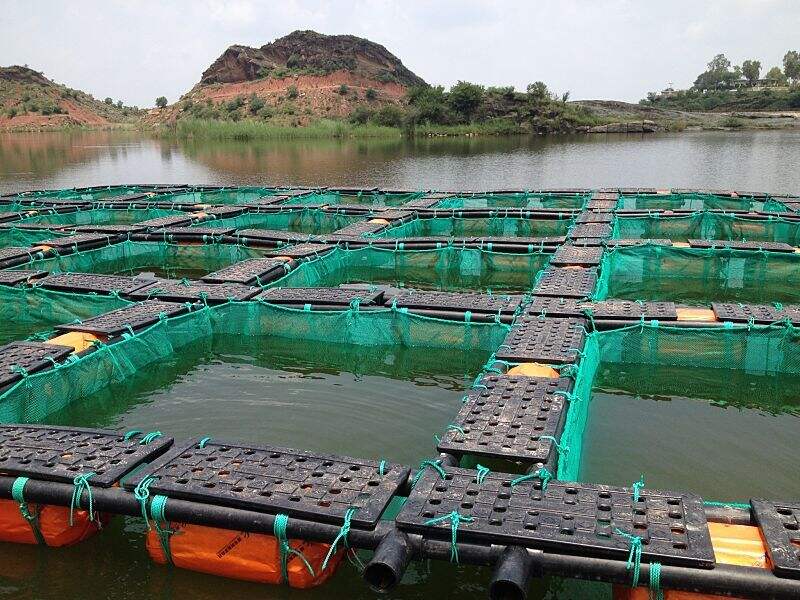
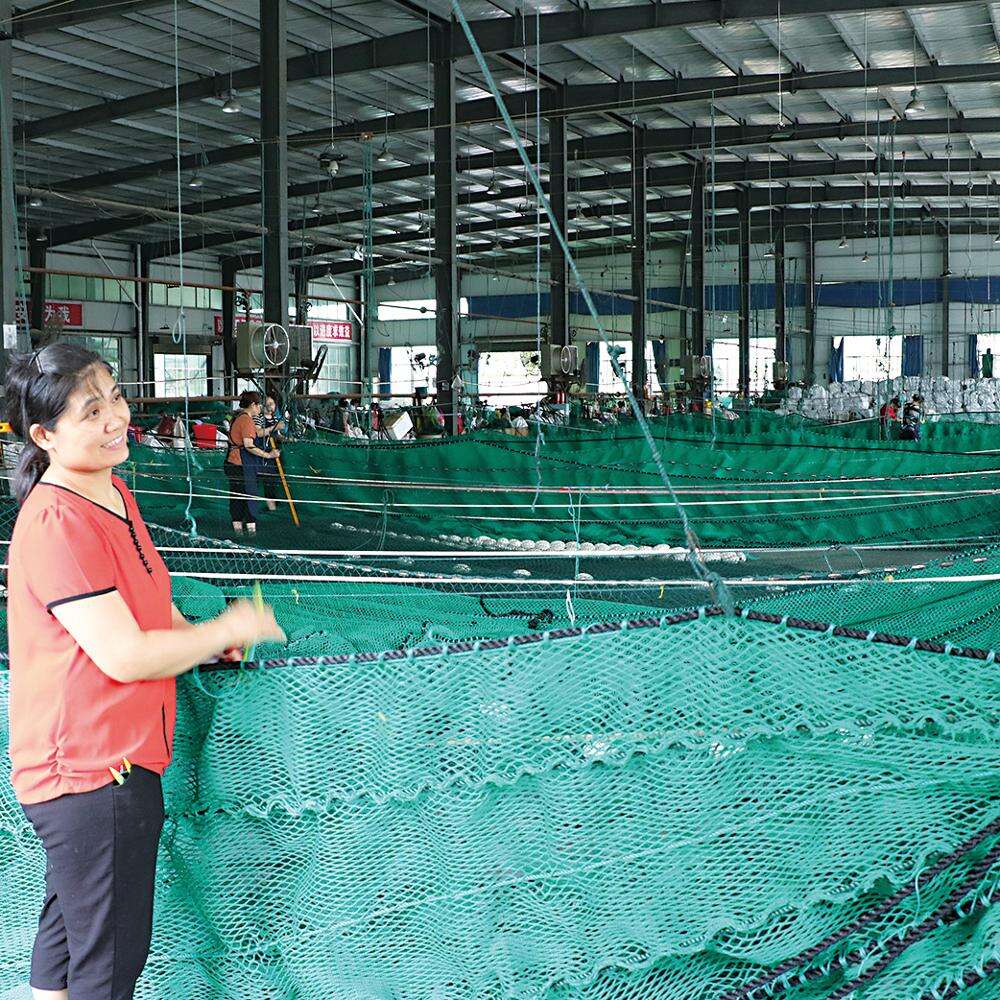
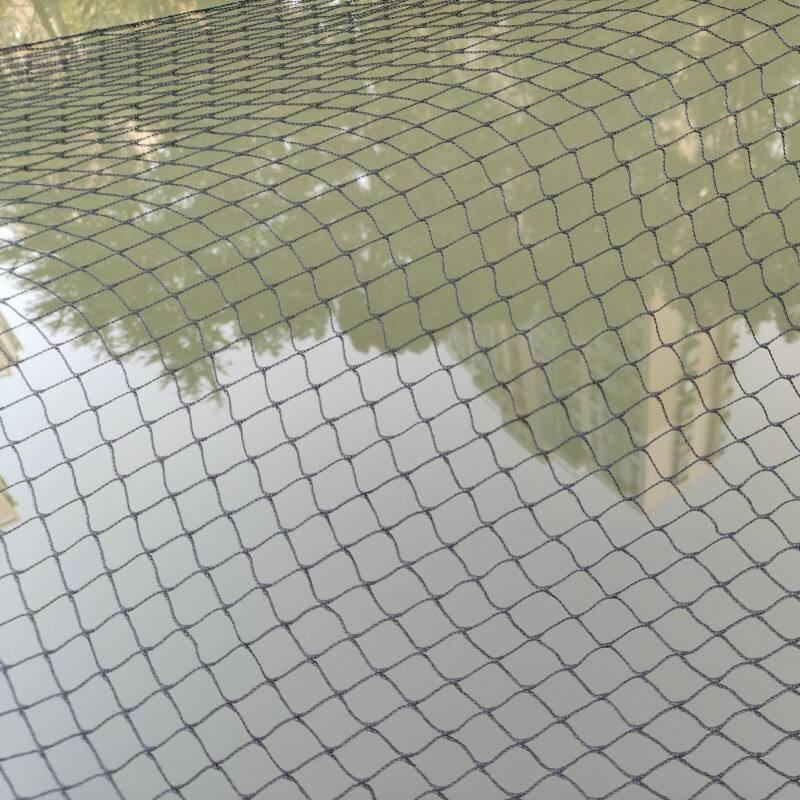
The material science behind the fishing cage net for shrimps represents a breakthrough in aquaculture technology, utilizing high-grade polymers specifically formulated to withstand the challenging conditions encountered in marine and brackish water environments. These advanced materials resist ultraviolet degradation, chemical corrosion, and biological attack from marine organisms that typically compromise inferior netting products. The polymer composition includes specialized additives that maintain flexibility across wide temperature ranges while preserving tensile strength characteristics essential for secure containment. Manufacturing processes ensure consistent material properties throughout every fishing cage net for shrimps, eliminating weak sections that could lead to catastrophic failures during critical operations. The material formulation incorporates antimicrobial properties that prevent bacterial and fungal growth, maintaining hygienic conditions that promote healthier shrimp populations and reduce disease transmission risks. Molecular engineering techniques create materials with exceptional tear resistance, allowing the nets to withstand contact with sharp objects, rough handling during installation, and mechanical stress from wave action or current forces. The fishing cage net for shrimps utilizes materials that maintain dimensional stability over extended periods, preventing stretching or distortion that could compromise mesh integrity and allow escapes. Environmental testing confirms these materials perform consistently across various salinity levels, pH conditions, and temperature extremes commonly encountered in different geographical regions. The polymer structure resists degradation from chemical treatments used in aquaculture operations, including disinfectants, medications, and water conditioning agents that could weaken traditional materials. Advanced extrusion techniques create uniform fiber diameter and density, ensuring predictable performance characteristics and eliminating material inconsistencies that could affect overall system reliability. The material composition enables extended deployment periods without replacement, reducing operational costs and minimizing system downtime that could impact production schedules.
 EN
EN