Hapa Net for Fish Breeding: Advanced Aquaculture Solutions for Optimal Fish Production and Breeding Success

Get a Free Quote

Our representative will contact you soon.
Email
Name
Company Name
Mobile/WhatsApp
Message
0/1000

hapa net for fish breeding

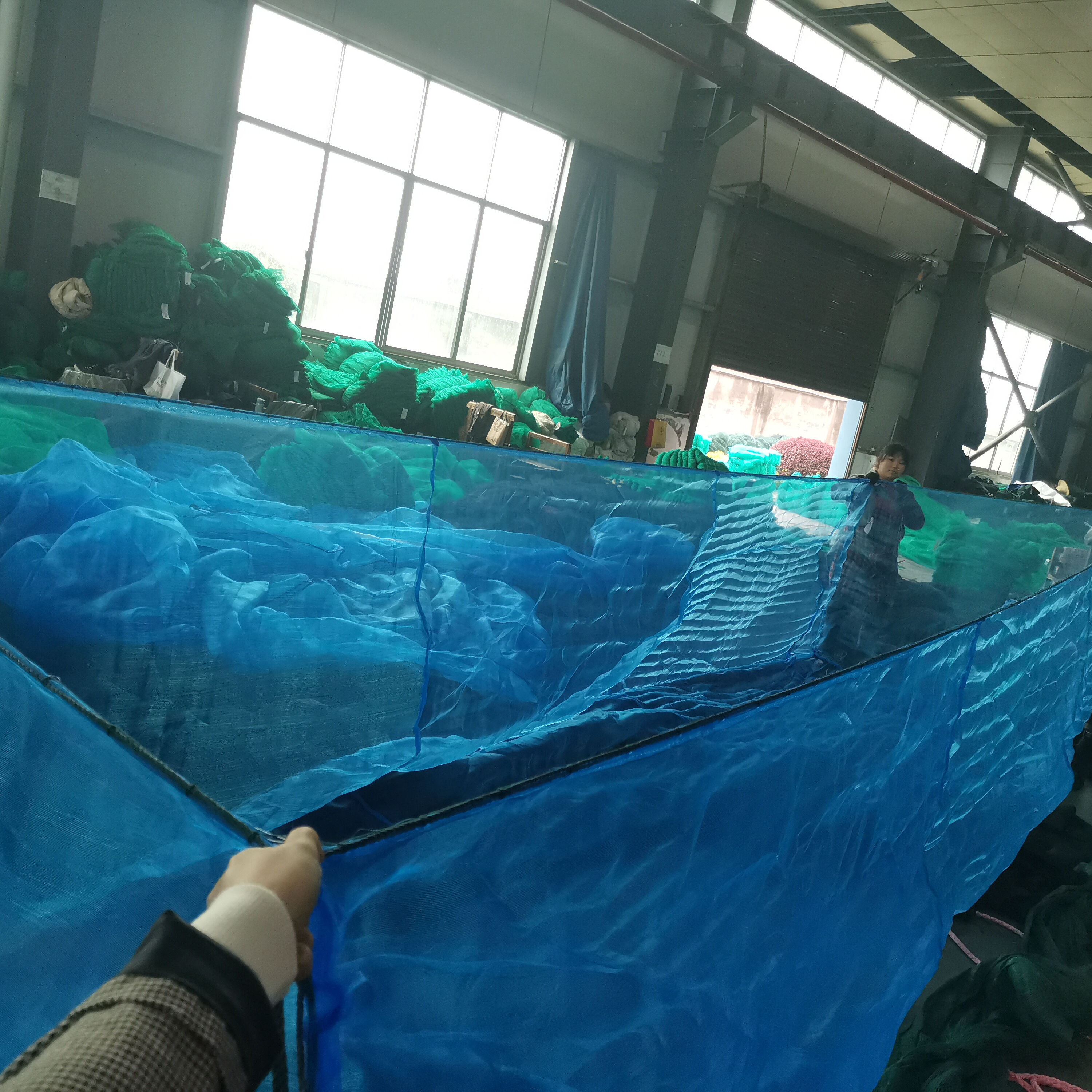
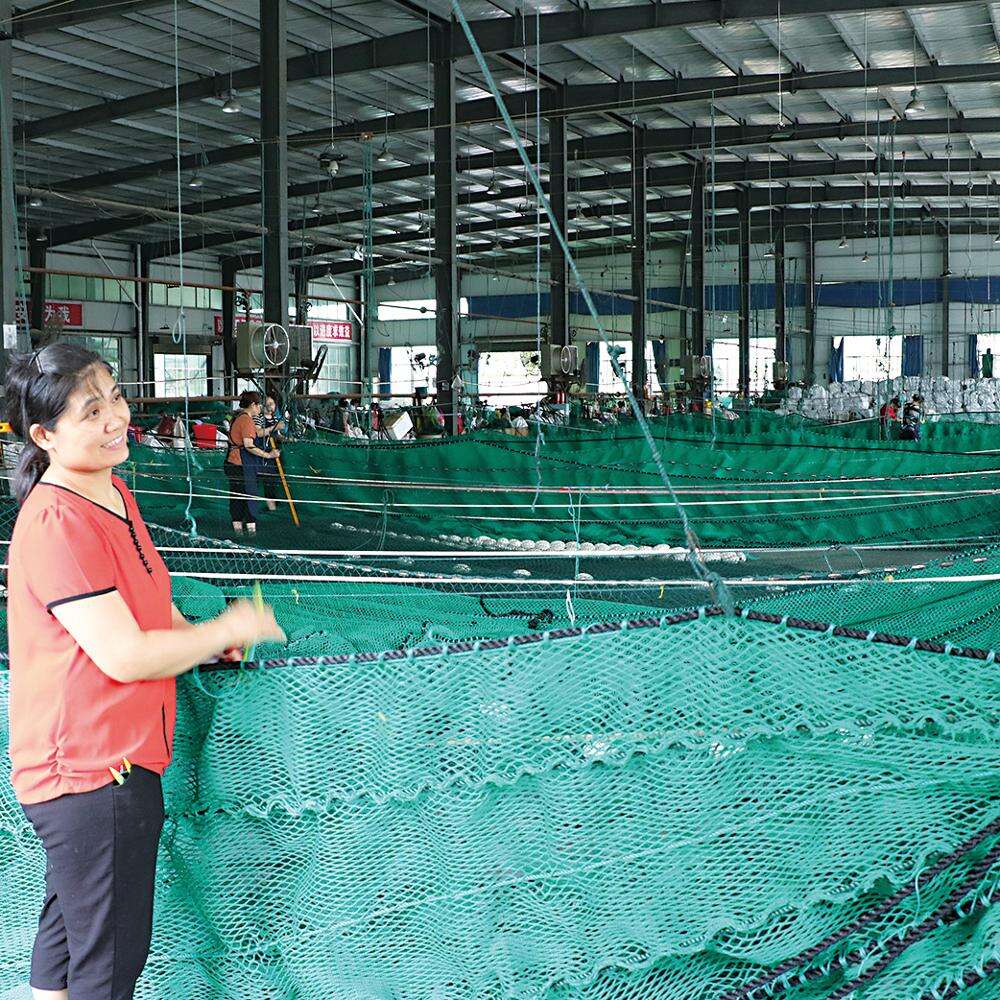
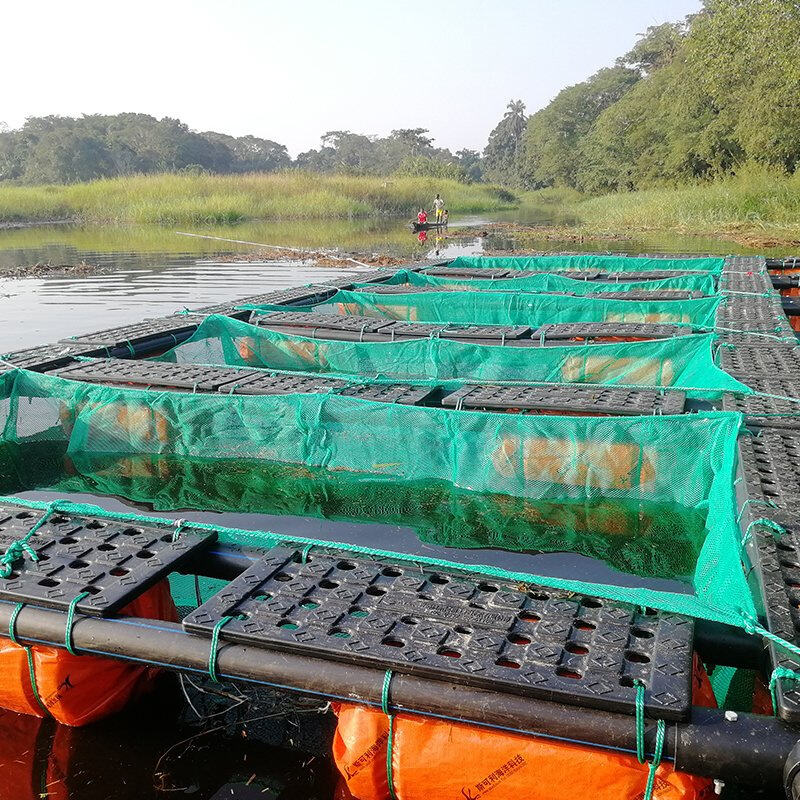
The hapa net for fish breeding represents a revolutionary aquaculture technology that transforms traditional fish farming practices through innovative design and superior functionality. This specialized breeding system consists of fine-mesh enclosures strategically positioned within larger aquatic environments, creating controlled microhabitats for optimal fish reproduction and growth. The hapa net for fish breeding operates on the principle of selective containment, allowing water circulation while maintaining complete control over breeding populations. These nets feature high-grade synthetic materials engineered to withstand harsh aquatic conditions while providing maximum durability and longevity. The primary function of the hapa net for fish breeding involves creating isolated breeding chambers where fish farmers can monitor reproduction cycles, control feeding schedules, and implement targeted health management protocols. The technological framework incorporates advanced mesh weaving techniques that ensure optimal water flow while preventing escape or predation. Modern hapa net for fish breeding systems integrate multiple size configurations, accommodating various fish species from fingerlings to mature breeding stock. The structural design features reinforced edges, corrosion-resistant hardware, and flexible installation options suitable for ponds, lakes, rivers, and marine environments. These breeding systems enable precise population density management, reducing competition stress and maximizing survival rates during critical development phases. The hapa net for fish breeding technology supports sustainable aquaculture practices by minimizing environmental impact while maximizing production efficiency. Applications span commercial fish farming, research facilities, conservation programs, and small-scale rural aquaculture operations. The system facilitates selective breeding programs, genetic improvement initiatives, and species preservation efforts. Installation requires minimal infrastructure modifications, making the hapa net for fish breeding accessible to farmers with varying technical expertise and budget constraints. Water quality management becomes simplified through controlled environments, reducing disease transmission and improving overall fish health outcomes.

New Products

The hapa net for fish breeding delivers exceptional advantages that revolutionize aquaculture operations across multiple dimensions of fish farming success. Farmers experience significantly improved survival rates when implementing these specialized breeding systems, as the controlled environment protects vulnerable fish from predators, disease transmission, and environmental stressors that commonly plague traditional open-water breeding methods. The hapa net for fish breeding enables precise population management, allowing farmers to optimize stocking densities according to species requirements and growth objectives, resulting in healthier fish development and reduced mortality rates. Cost-effectiveness emerges as a primary benefit, since these systems require minimal initial investment compared to constructing permanent breeding facilities, while delivering comparable or superior results in terms of breeding success and fish quality. Installation flexibility represents another significant advantage, as the hapa net for fish breeding adapts to various aquatic environments without requiring extensive infrastructure modifications or environmental disruption. Farmers can relocate these systems seasonally, responding to changing water conditions, temperature fluctuations, or operational requirements with remarkable ease. Enhanced monitoring capabilities allow for systematic observation of fish behavior, growth patterns, and health indicators, enabling prompt intervention when issues arise and facilitating data-driven management decisions. The controlled environment created by the hapa net for fish breeding supports targeted feeding strategies, reducing feed waste and improving conversion ratios while maintaining optimal nutrition delivery to breeding populations. Water quality management becomes streamlined through contained systems that concentrate beneficial treatments and reduce the impact of external pollutants or seasonal variations. Selective breeding programs benefit tremendously from the isolation provided by these nets, ensuring genetic purity and enabling controlled crossbreeding initiatives that improve stock quality over successive generations. Disease prevention and treatment become more effective within the confined space of the hapa net for fish breeding, allowing for targeted medication delivery and quarantine protocols that protect both breeding stock and surrounding fish populations. Harvesting operations gain efficiency through controlled access and systematic collection procedures that minimize stress on fish while maximizing recovery rates. Market timing flexibility improves as farmers can regulate breeding cycles and growth phases to align with optimal selling periods, enhancing profitability and market responsiveness.

Practical Tips

From Battlefield to Backyard: The European Embrace of Camouflage Nets for Stylish Shade and Design

14

Nov

From Battlefield to Backyard: The European Embrace of Camouflage Nets for Stylish Shade and Design

View More
The Unseen Shield: How Mosquito Nets Remain a Cornerstone of Global Public Health

14

Nov

The Unseen Shield: How Mosquito Nets Remain a Cornerstone of Global Public Health

View More
Casting a Sustainable Future How Innovation in Fishing Nets is Protecting Our Oceans

08

Dec

Casting a Sustainable Future How Innovation in Fishing Nets is Protecting Our Oceans

View More
The Technological Revolution in Agricultural Nets for a Hungry Planet

14

Nov

The Technological Revolution in Agricultural Nets for a Hungry Planet

View More

Get a Free Quote

Our representative will contact you soon.
Email
Name
Company Name
Mobile/WhatsApp
Message
0/1000

hapa net for fish breeding

Advanced Material Technology and Durability Engineering

Advanced Material Technology and Durability Engineering

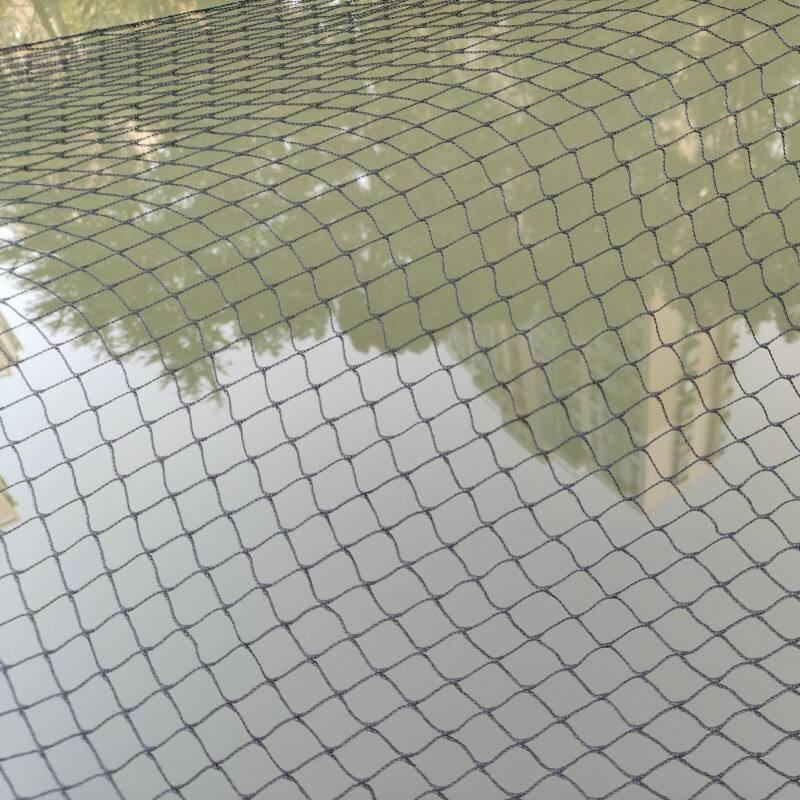
The hapa net for fish breeding incorporates cutting-edge material science and engineering principles to deliver unparalleled durability and performance in demanding aquaculture environments. These specialized breeding systems utilize high-density polyethylene mesh construction that provides exceptional strength-to-weight ratios while maintaining optimal porosity for water circulation and waste removal. The advanced polymer composition resists ultraviolet degradation, chemical corrosion, and biological fouling that typically compromise traditional netting materials, ensuring long-term reliability and consistent performance throughout extended breeding cycles. Manufacturing processes employ precision weaving techniques that create uniform mesh openings engineered to specific fish species requirements, preventing escapement while allowing proper water flow and oxygen exchange. The material selection process prioritizes food-grade safety standards, eliminating toxic substances that could negatively impact fish health or contaminate breeding environments. Reinforcement strategies include double-stitched seams, stress-distribution panels, and reinforced mounting points that distribute mechanical loads across the entire structure, preventing catastrophic failures even under extreme weather conditions or high fish densities. The hapa net for fish breeding features specialized edge treatments that eliminate sharp edges or abrasive surfaces that might injure fish during normal swimming activities or feeding behaviors. Antimicrobial treatments integrated into the mesh structure inhibit bacterial growth and biofilm formation, reducing disease transmission risks and maintaining cleaner breeding environments with minimal maintenance requirements. Flexibility characteristics allow these nets to adapt to changing water levels, current patterns, and seasonal variations without compromising structural integrity or breeding effectiveness. Temperature resistance ensures consistent performance across diverse climatic conditions, from tropical aquaculture operations to temperate zone fish farming initiatives. The modular design philosophy enables easy replacement of individual components without requiring complete system replacement, reducing long-term operational costs and minimizing downtime during maintenance activities. Quality control protocols ensure every hapa net for fish breeding meets rigorous performance standards through comprehensive testing procedures that simulate real-world operational stresses and environmental challenges.
Precision Population Control and Breeding Management

Precision Population Control and Breeding Management

The hapa net for fish breeding revolutionizes population control methodologies through sophisticated containment systems that enable precise breeding management across diverse aquaculture applications. This advanced breeding technology provides complete control over breeding populations, allowing farmers to implement strategic breeding programs that optimize genetic diversity while maintaining desired traits and characteristics within fish stocks. Population density management becomes systematically controllable through standardized spacing calculations that account for species-specific growth rates, behavioral patterns, and environmental requirements, ensuring optimal conditions for breeding success and offspring survival. The contained environment created by the hapa net for fish breeding eliminates unpredictable variables associated with open-water breeding, such as natural predation, uncontrolled breeding interactions, and environmental stressors that can negatively impact reproductive success rates. Selective breeding initiatives benefit tremendously from the isolation capabilities provided by these systems, enabling controlled crossbreeding programs that improve stock quality, disease resistance, and growth characteristics over successive generations. Breeding cycle management becomes precisely controllable through environmental manipulation within the confined space, allowing farmers to trigger spawning activities at optimal times that align with market demands, seasonal conditions, or operational schedules. The hapa net for fish breeding facilitates detailed record-keeping and breeding documentation that supports genetic improvement programs, regulatory compliance requirements, and quality assurance initiatives essential for commercial aquaculture operations. Feeding management within these controlled environments enables targeted nutrition delivery that supports optimal breeding condition maintenance while minimizing feed waste and environmental contamination. Health monitoring becomes significantly more effective within the contained space of the hapa net for fish breeding, allowing for systematic health assessments, early disease detection, and targeted treatment protocols that protect valuable breeding stock. Spawning substrate management and egg collection procedures gain efficiency through controlled access and systematic monitoring capabilities that maximize fertilization rates and embryo survival percentages. The system supports age-segregated breeding programs that separate different life stages, reducing competition stress and cannibalism while optimizing growth conditions for each developmental phase. Breeding performance analytics become more accurate and meaningful through the controlled variables provided by the hapa net for fish breeding environment.
Economic Efficiency and Scalable Production Solutions

Economic Efficiency and Scalable Production Solutions

The hapa net for fish breeding delivers remarkable economic efficiency through cost-effective production methodologies that maximize return on investment while minimizing operational overhead and infrastructure requirements. These innovative breeding systems eliminate the substantial capital expenditures associated with constructing permanent breeding facilities, concrete ponds, or complex filtration systems, making advanced aquaculture technology accessible to farmers with diverse budget constraints and operational scales. Installation costs remain minimal since the hapa net for fish breeding requires only basic anchoring systems and existing water bodies, reducing initial investment barriers while delivering professional-grade breeding capabilities comparable to expensive facility-based alternatives. Labor efficiency improvements emerge through streamlined management procedures that consolidate breeding operations into manageable units, reducing the time and personnel required for feeding, monitoring, and maintenance activities across aquaculture operations. Production scalability becomes systematically manageable through modular system expansion that allows farmers to increase breeding capacity incrementally based on market demand, available resources, and operational expertise development over time. The hapa net for fish breeding enables rapid production cycles that accelerate cash flow generation through faster breeding success rates, improved survival percentages, and reduced time-to-market intervals for fish products. Feed conversion efficiency improvements result from controlled feeding environments that minimize waste while optimizing nutrition delivery, reducing operational costs and improving profit margins across breeding operations. Market flexibility increases as farmers can adjust production timing, species selection, and breeding intensity according to seasonal demand patterns, price fluctuations, and consumer preferences without requiring significant infrastructure modifications. Risk mitigation benefits include reduced investment exposure, operational flexibility, and diversification opportunities that protect against market volatility and environmental challenges. The system supports multiple revenue streams through breeding stock sales, fingerling production, and mature fish marketing that maximize income potential from single operational investments. Maintenance costs remain minimal due to durable construction materials and simple operational procedures that require basic aquaculture knowledge without specialized technical expertise or expensive replacement components. The hapa net for fish breeding facilitates efficient resource utilization through optimized space management, reduced water requirements, and concentrated production activities that maximize output per unit of input investment across all operational parameters.

Get a Free Quote

Our representative will contact you soon.
Email
Name
Company Name
Mobile/WhatsApp
Message
0/1000