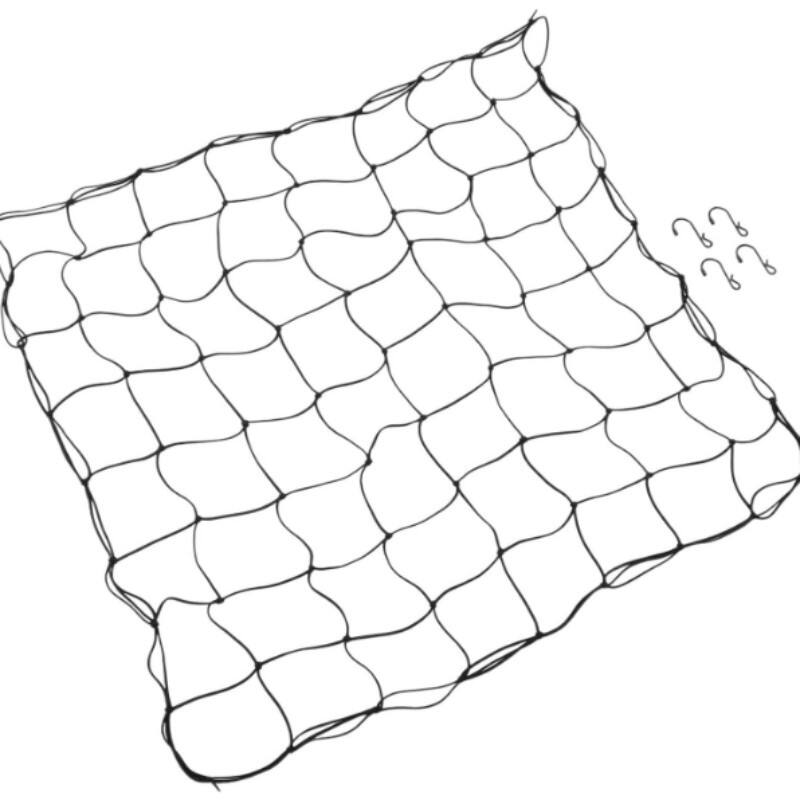
fish cage net price
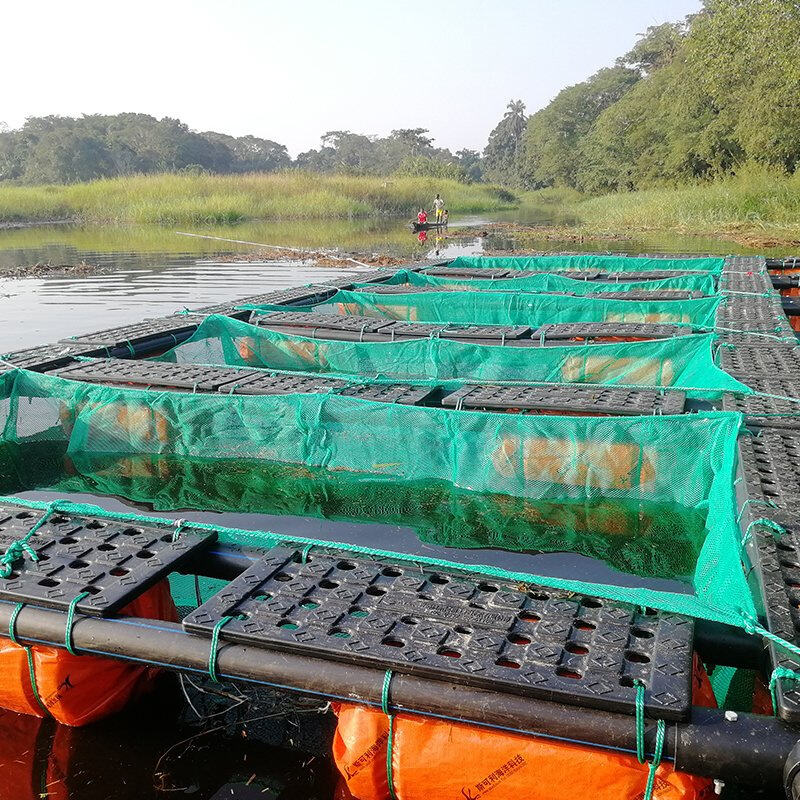
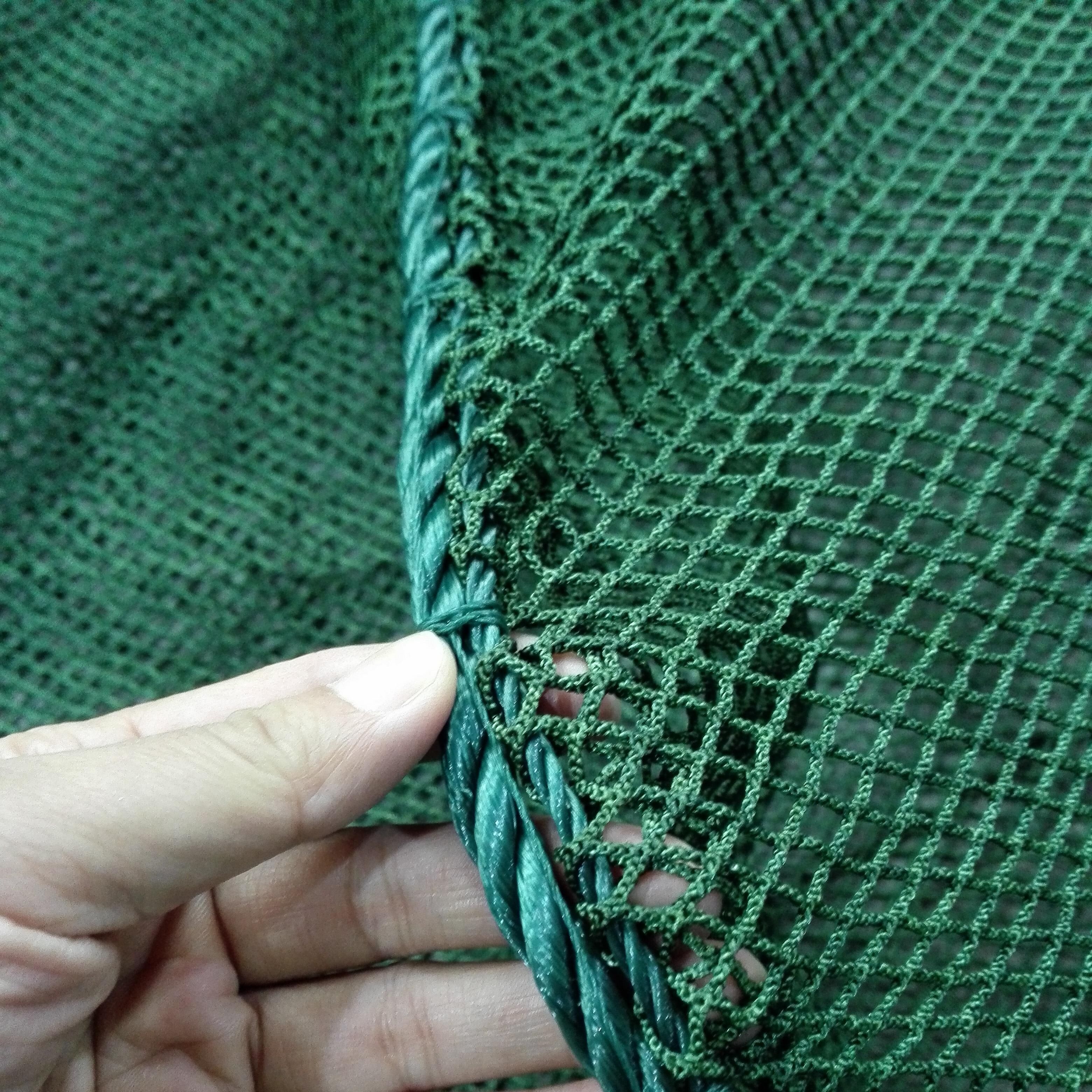
Fish cage net price represents a crucial investment consideration for aquaculture operations worldwide. These specialized containment systems serve as underwater enclosures that confine fish within designated areas while allowing natural water circulation. The fish cage net price varies significantly based on materials, dimensions, mesh specifications, and manufacturing quality standards. Modern fish cage nets utilize high-density polyethylene, nylon, or galvanized steel materials that resist corrosion and marine growth. The technological features of these nets include UV-resistant coatings, anti-fouling treatments, and reinforced stitching patterns that ensure long-term durability. Fish cage net price calculations must account for mesh size variations, which directly impact water flow dynamics and fish escape prevention. Professional-grade nets incorporate advanced knotless construction techniques that reduce stress concentrations and extend operational lifespan. The price structure typically includes factors such as net depth, circumference measurements, and optional accessories like weighted bottom rings or flotation collars. Applications span across salmon farming, sea bass cultivation, and tropical fish breeding operations in both freshwater and marine environments. When evaluating fish cage net price options, buyers should consider installation complexity, maintenance requirements, and replacement frequency. Premium nets feature computer-aided design optimization that maximizes water exchange while minimizing debris accumulation. The fish cage net price market offers solutions ranging from small-scale research applications to industrial-scale commercial farming operations. Quality assurance testing protocols verify breaking strength, knot security, and environmental resistance properties. Modern manufacturing processes ensure consistent mesh geometry and uniform material distribution throughout the entire net structure. Fish cage net price competitiveness depends on production volume, customization requirements, and delivery timelines. Environmental considerations increasingly influence pricing structures as biodegradable and eco-friendly materials gain market adoption.
 EN
EN