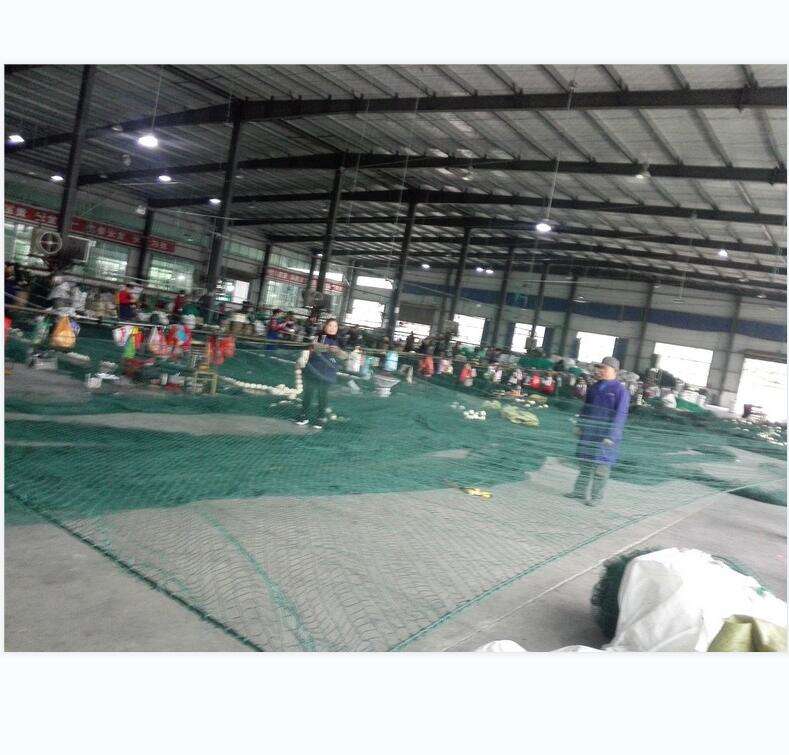
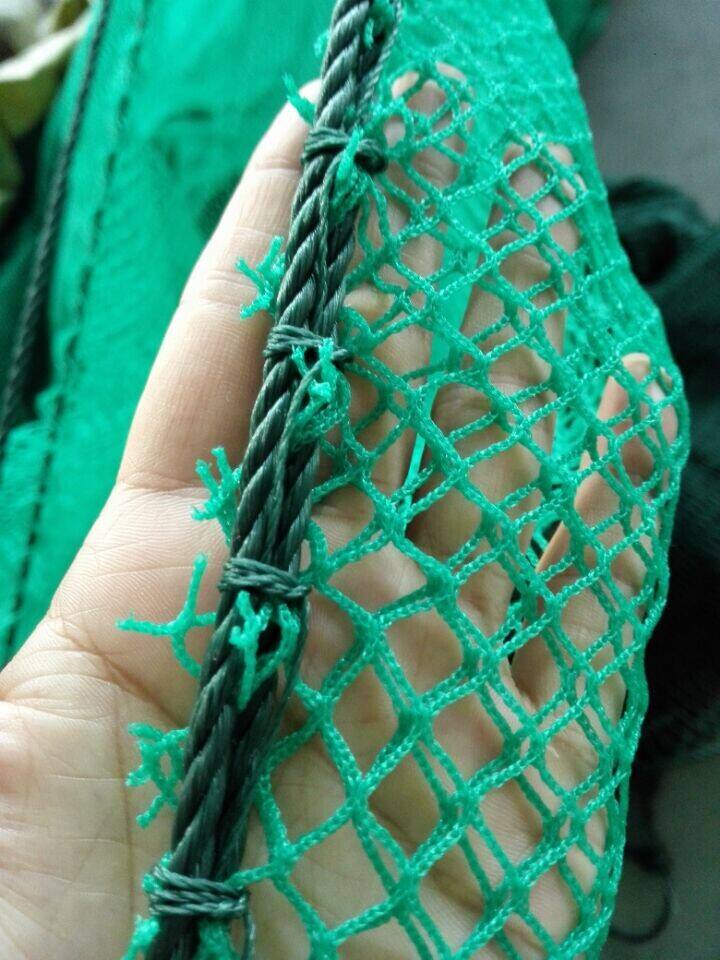
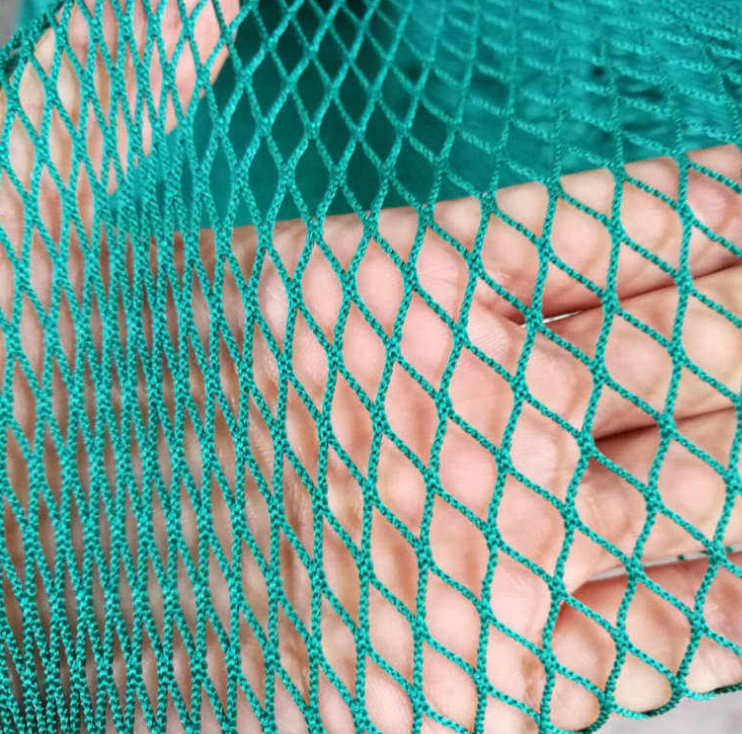
Fish Cages Aquaculture Farming Floating Tilapia - Advanced Sustainable Aquaculture Solutions

Get a Free Quote

Our representative will contact you soon.
Email
Name
Company Name
Mobile/WhatsApp
Message
0/1000

fish cages aquaculture farming floating tiapia

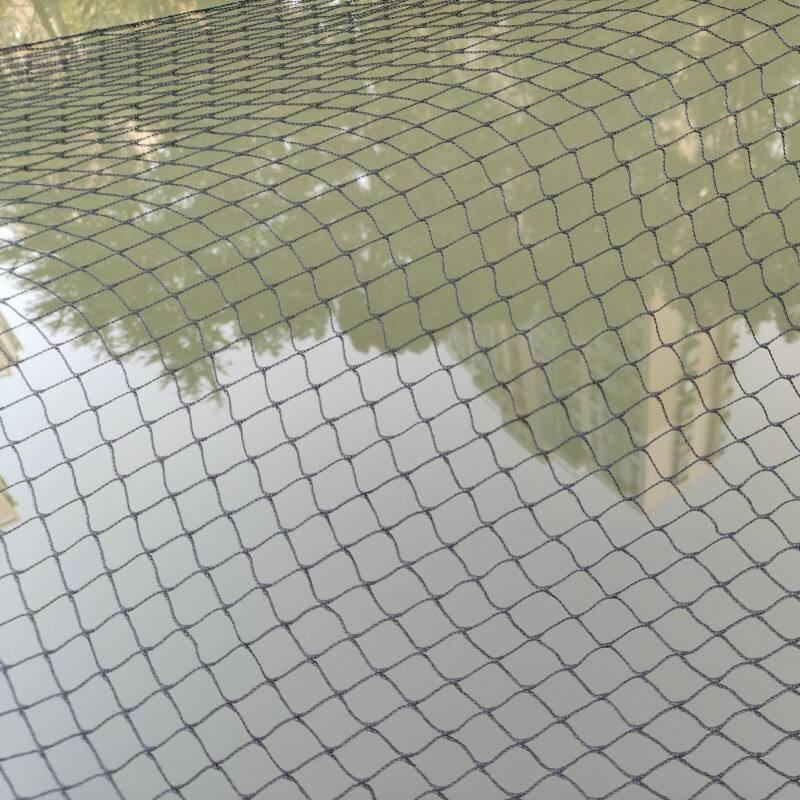
Fish cages aquaculture farming floating tilapia represents a revolutionary approach to sustainable fish production that combines innovative floating cage technology with efficient tilapia cultivation methods. This advanced aquaculture system utilizes specially designed floating structures that house tilapia in controlled aquatic environments while maintaining optimal water circulation and fish health management. The primary function of fish cages aquaculture farming floating tilapia involves creating secure, monitored spaces where tilapia can grow rapidly while being protected from predators and environmental hazards. These floating cage systems incorporate high-density polyethylene materials and corrosion-resistant components that ensure long-term durability in various water conditions. The technological features of fish cages aquaculture farming floating tilapia include automated feeding systems, water quality monitoring sensors, and adjustable depth mechanisms that optimize growing conditions throughout different seasonal changes. Modern floating tilapia cage systems employ mesh designs that allow proper water flow while preventing fish escape, creating an ideal balance between containment and natural water exchange. The applications of fish cages aquaculture farming floating tilapia span across commercial fish production, sustainable food security initiatives, and rural economic development programs. These systems prove particularly valuable in regions with limited land availability for traditional pond-based aquaculture, as they can be deployed in lakes, reservoirs, and coastal waters. Fish cages aquaculture farming floating tilapia also serves educational purposes, demonstrating sustainable aquaculture practices to communities and agricultural students. The scalability of these floating cage systems makes them suitable for both small-scale family operations and large commercial enterprises, providing flexibility for different production goals and investment levels. Environmental monitoring capabilities integrated into fish cages aquaculture farming floating tilapia systems help maintain optimal water parameters while ensuring compliance with environmental regulations and sustainability standards.

New Product Releases

Fish cages aquaculture farming floating tilapia offers numerous practical benefits that make it an attractive investment for modern aquaculture operations. The primary advantage lies in its exceptional space efficiency, as these floating systems utilize water surfaces that would otherwise remain unproductive for food production. Operators can establish fish cages aquaculture farming floating tilapia operations without requiring expensive land purchases or extensive infrastructure development, significantly reducing initial startup costs compared to traditional land-based fish farms. The mobility feature of floating cage systems allows farmers to relocate their operations based on seasonal water conditions, weather patterns, or market demands, providing unprecedented operational flexibility. Water quality management becomes more effective with fish cages aquaculture farming floating tilapia because the continuous water circulation naturally maintains oxygen levels and removes waste products, reducing the need for expensive aeration and filtration equipment. Production yields typically increase substantially when using floating cage systems, as the controlled environment protects tilapia from diseases and predators while optimizing growth conditions through precise feeding schedules and water parameter monitoring. Fish cages aquaculture farming floating tilapia operations require less labor input than traditional pond-based systems, as automated feeding mechanisms and remote monitoring capabilities reduce daily maintenance requirements. The environmental impact remains minimal because floating cages integrate naturally with existing aquatic ecosystems without permanently altering shoreline structures or requiring habitat destruction. Harvest operations become more efficient and cost-effective, as floating cage designs facilitate easy fish collection and transportation to processing facilities. Market access improves significantly because fish cages aquaculture farming floating tilapia can be positioned closer to urban centers and transportation networks, reducing logistics costs and ensuring fresher product delivery. The consistent production cycles enabled by controlled floating environments allow farmers to plan harvests according to market demand, maximizing profit margins and reducing price volatility risks. Investment returns typically materialize faster with fish cages aquaculture farming floating tilapia operations because the reduced infrastructure requirements and higher production efficiency create positive cash flows within shorter timeframes compared to conventional aquaculture methods.

Tips And Tricks

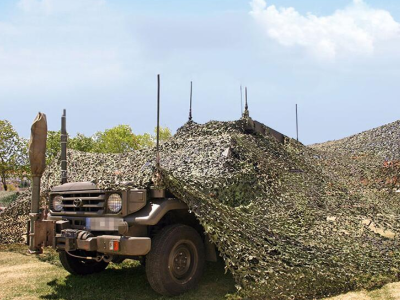
From Battlefield to Backyard: The European Embrace of Camouflage Nets for Stylish Shade and Design

14

Nov

From Battlefield to Backyard: The European Embrace of Camouflage Nets for Stylish Shade and Design

View More
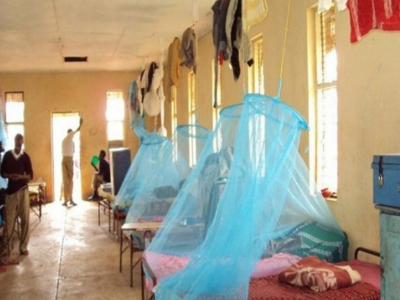
The Unseen Shield: How Mosquito Nets Remain a Cornerstone of Global Public Health

14

Nov

The Unseen Shield: How Mosquito Nets Remain a Cornerstone of Global Public Health

View More
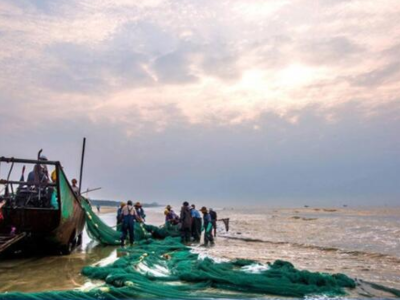
Casting a Sustainable Future How Innovation in Fishing Nets is Protecting Our Oceans

08

Dec

Casting a Sustainable Future How Innovation in Fishing Nets is Protecting Our Oceans

View More
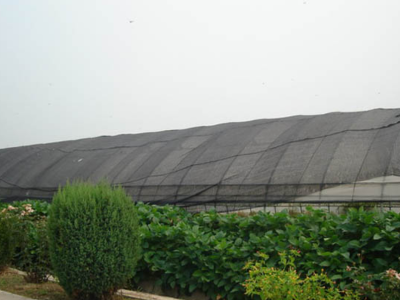
The Technological Revolution in Agricultural Nets for a Hungry Planet

14

Nov

The Technological Revolution in Agricultural Nets for a Hungry Planet

View More

Get a Free Quote

Our representative will contact you soon.
Email
Name
Company Name
Mobile/WhatsApp
Message
0/1000

fish cages aquaculture farming floating tiapia

Advanced Modular Design for Maximum Operational Flexibility

Advanced Modular Design for Maximum Operational Flexibility

The modular construction approach of fish cages aquaculture farming floating tilapia systems represents a breakthrough in aquaculture technology that addresses the diverse needs of modern fish farming operations. Each floating cage unit features interconnectable components that can be easily assembled, disassembled, and reconfigured according to production requirements, seasonal conditions, or expansion plans. This innovative design philosophy allows operators to start with smaller installations and gradually scale their fish cages aquaculture farming floating tilapia operations as market demand and financial resources grow. The modular framework incorporates standardized connection points and universal mounting systems that ensure compatibility between different cage sizes and configurations, providing long-term investment protection and operational adaptability. High-grade materials used in the modular construction include marine-grade aluminum frames, UV-resistant polyethylene floatation chambers, and corrosion-proof stainless steel hardware that withstand harsh aquatic environments while maintaining structural integrity over extended periods. The floating platform design distributes weight evenly across multiple buoyancy points, ensuring stable operation even during adverse weather conditions or when loaded with mature tilapia stocks. Maintenance accessibility becomes significantly enhanced through the modular approach, as individual components can be serviced or replaced without disrupting entire fish cages aquaculture farming floating tilapia operations. The standardized design also facilitates rapid deployment in new locations, reducing setup time and labor costs while ensuring consistent performance across different water bodies. Transportation efficiency improves dramatically because modular components can be flat-packed for shipping, reducing logistics expenses and enabling cost-effective expansion into remote markets. Quality control measures embedded in the modular manufacturing process ensure that each component meets stringent durability and performance standards, providing operators with reliable, long-lasting equipment that maximizes return on investment. The flexibility inherent in modular fish cages aquaculture farming floating tilapia systems also supports seasonal operation strategies, allowing farmers to adapt their production cycles to optimize market timing and environmental conditions.
Integrated Smart Monitoring Technology for Optimal Fish Health

Integrated Smart Monitoring Technology for Optimal Fish Health

Fish cages aquaculture farming floating tilapia systems incorporate cutting-edge monitoring technology that revolutionizes traditional fish farming through real-time data collection and automated response mechanisms. The integrated sensor network continuously tracks critical water parameters including temperature, dissolved oxygen levels, pH balance, and ammonia concentrations, providing operators with comprehensive environmental data that ensures optimal growing conditions for tilapia populations. Advanced telemetry systems transmit monitoring data directly to smartphone applications and computer dashboards, enabling remote oversight of fish cages aquaculture farming floating tilapia operations from any location with internet connectivity. The smart monitoring infrastructure includes underwater cameras that allow visual inspection of fish behavior, feeding patterns, and general health status without requiring physical presence at the cage sites. Automated alert systems notify operators immediately when water parameters drift outside acceptable ranges, enabling rapid corrective actions that prevent fish stress, disease outbreaks, or mortality events. The monitoring technology also tracks feeding efficiency by measuring consumption rates and growth patterns, helping optimize nutrition programs and reduce feed waste in fish cages aquaculture farming floating tilapia operations. Weather monitoring capabilities integrated into the smart systems provide early warning of storm conditions, allowing operators to implement protective measures or relocate cages to safer waters when necessary. Data logging functionality creates comprehensive historical records that support regulatory compliance, insurance documentation, and operational analysis for continuous improvement of production efficiency. The predictive analytics features analyze patterns in water quality, fish behavior, and environmental conditions to forecast potential problems before they impact fish cages aquaculture farming floating tilapia productivity. Energy-efficient solar power systems sustain the monitoring equipment, ensuring continuous operation without relying on external power sources or generating ongoing electricity costs. The user-friendly interface design makes the sophisticated monitoring technology accessible to operators regardless of their technical background, promoting widespread adoption and effective utilization across diverse fish farming communities. Regular software updates enhance system capabilities and introduce new features that keep fish cages aquaculture farming floating tilapia operations at the forefront of aquaculture innovation.

Sustainable Production Methods with Environmental Stewardship

Sustainable Production Methods with Environmental Stewardship

Fish cages aquaculture farming floating tilapia systems exemplify sustainable aquaculture practices that balance productive efficiency with environmental responsibility, creating positive impacts for both operators and surrounding ecosystems. The floating cage design minimizes habitat disruption by operating above natural bottom substrates, allowing existing aquatic communities to continue thriving while supporting commercial fish production activities. Water circulation patterns around fish cages aquaculture farming floating tilapia installations actually enhance local water quality by creating gentle currents that prevent stagnation and promote beneficial bacterial activity throughout the water column. The controlled feeding systems prevent overfeeding and reduce nutrient pollution by delivering precise amounts of high-quality feed directly to tilapia populations, minimizing waste that could degrade water quality or harm native species. Biological waste management occurs naturally through the open-bottom cage design, as fish excrement settles to deeper waters where it becomes incorporated into natural nutrient cycles without accumulating in concentrated areas. Fish cages aquaculture farming floating tilapia operations support biodiversity conservation by providing artificial reef structures that attract wild fish species, creating enhanced habitat complexity that benefits entire aquatic food webs. The selective breeding programs employed in floating cage systems focus on developing tilapia strains that grow efficiently on sustainable feed formulations, reducing dependence on wild-caught fishmeal and supporting ocean conservation efforts. Carbon footprint reduction results from the efficient production methods and reduced transportation requirements associated with fish cages aquaculture farming floating tilapia systems positioned near consumer markets. Water usage efficiency reaches exceptional levels because floating cages utilize existing water bodies without requiring additional water sources or discharge systems, conserving this precious resource while maintaining production capacity. The renewable energy integration capabilities of modern floating platforms support solar panels, wind generators, and battery storage systems that power monitoring equipment and automated functions without fossil fuel consumption. Community engagement programs associated with fish cages aquaculture farming floating tilapia projects often include educational components that teach sustainable fishing practices and environmental stewardship to local populations. Certification programs validate the environmental performance of responsible floating cage operations, helping consumers identify sustainably produced tilapia products while supporting market demand for environmentally conscious aquaculture methods.

Get a Free Quote

Our representative will contact you soon.
Email
Name
Company Name
Mobile/WhatsApp
Message
0/1000