fishing farming equipment
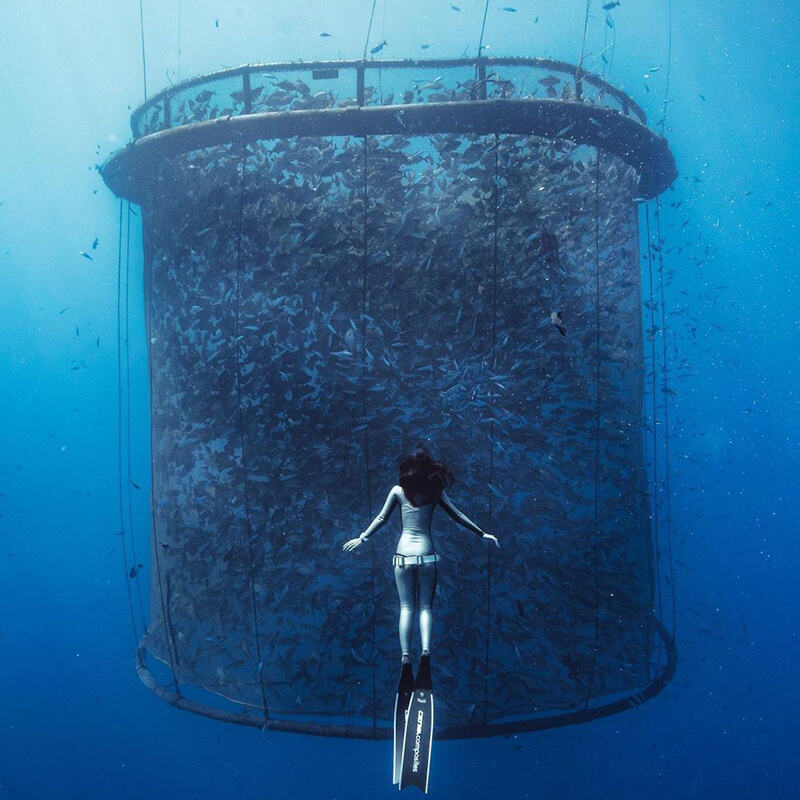
Fishing farming equipment represents a comprehensive collection of specialized tools and systems designed to support aquaculture operations across various scales and environments. This essential fishing farming equipment encompasses automated feeding systems, water quality monitoring devices, aeration equipment, filtration systems, and harvesting machinery that collectively ensure optimal fish health and maximum production efficiency. Modern fishing farming equipment integrates advanced sensor technology with real-time data analytics to maintain precise environmental conditions within aquaculture facilities. The core functions of fishing farming equipment include maintaining water quality parameters such as oxygen levels, temperature, and pH balance while providing automated nutrition delivery systems that optimize fish growth rates. These sophisticated systems feature programmable controllers that allow operators to customize feeding schedules and monitor fish behavior patterns through underwater cameras and motion sensors. The technological features of contemporary fishing farming equipment incorporate Internet of Things connectivity, enabling remote monitoring and control capabilities through mobile applications and cloud-based platforms. Advanced filtration components within fishing farming equipment utilize biological, mechanical, and chemical processes to maintain crystal-clear water conditions while removing harmful waste products and excess nutrients. Oxygenation systems work continuously to ensure adequate dissolved oxygen levels throughout fish habitats, preventing stress-related diseases and promoting healthy development. Temperature regulation mechanisms maintain optimal thermal conditions year-round, regardless of external weather fluctuations. The applications of fishing farming equipment extend across freshwater and saltwater environments, supporting diverse species cultivation including salmon, trout, tilapia, catfish, and various shellfish varieties. Commercial operations rely on heavy-duty fishing farming equipment to manage large-scale production facilities, while smaller installations utilize compact, energy-efficient systems designed for boutique aquaculture ventures. Research institutions and educational facilities implement specialized fishing farming equipment to conduct breeding experiments and train future aquaculture professionals in sustainable farming practices.
 EN
EN