fishing cage net for aquaculture
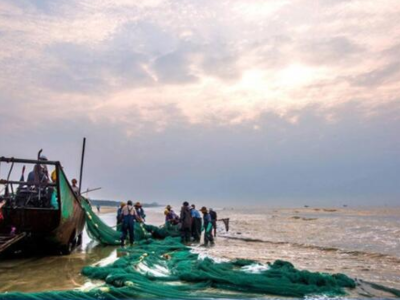
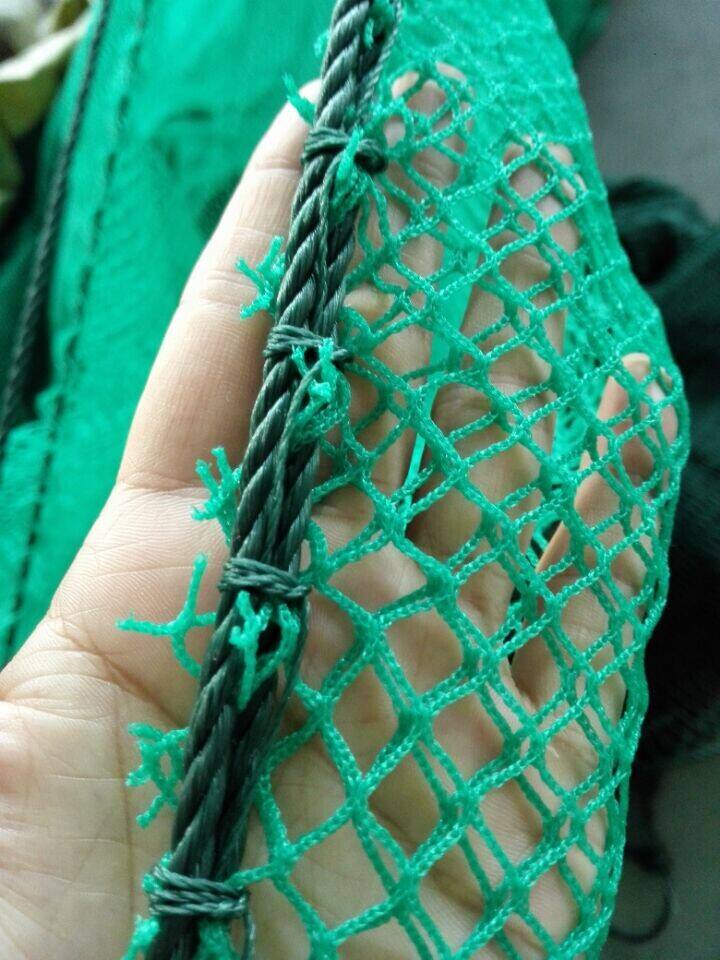
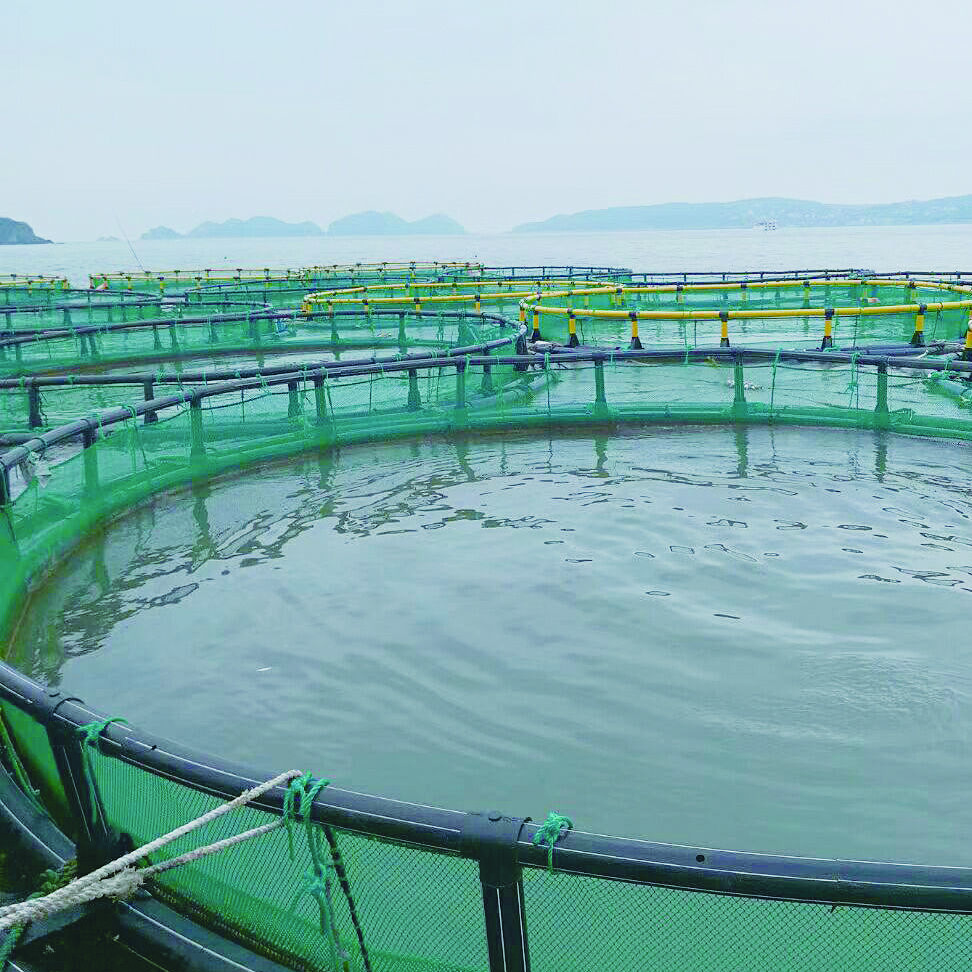
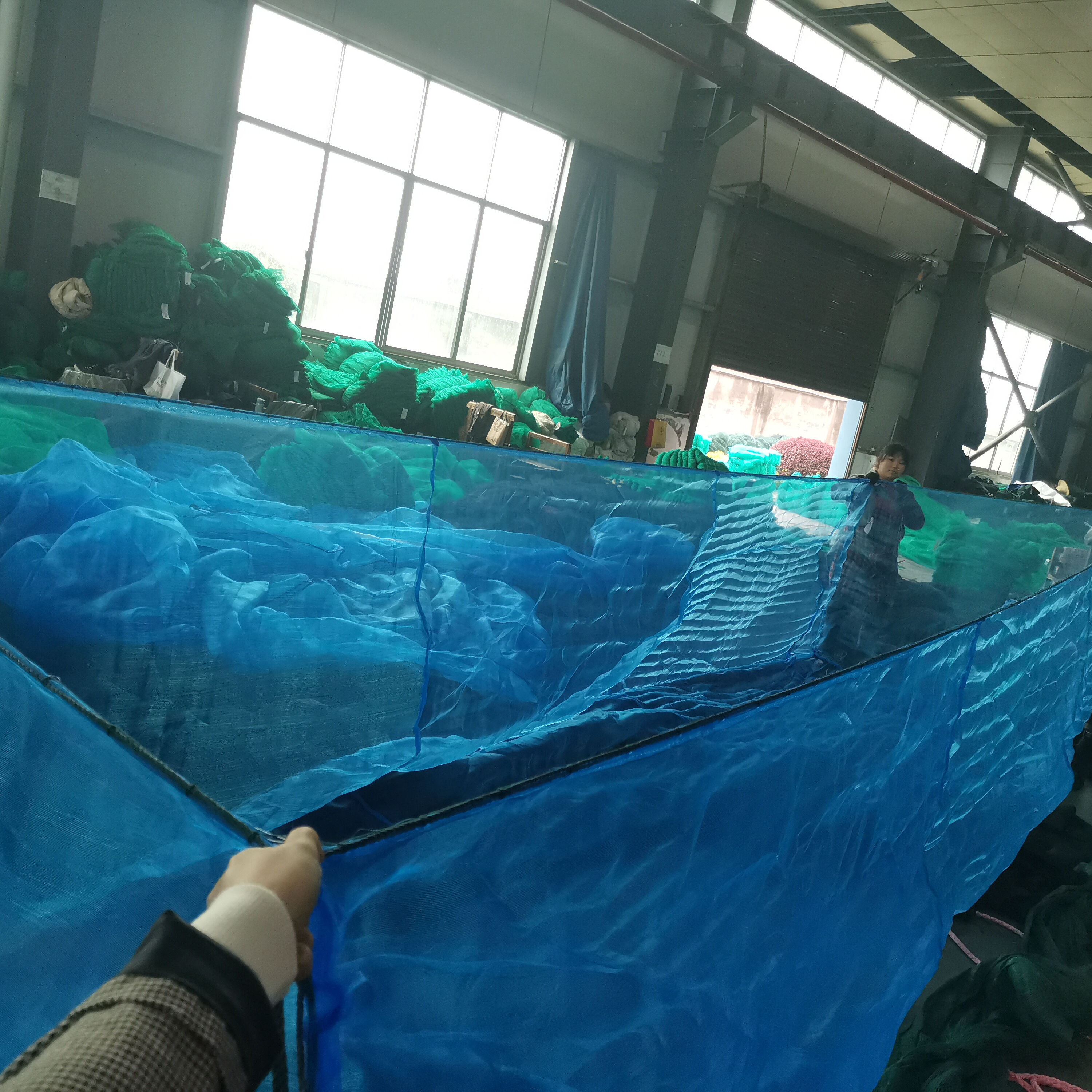
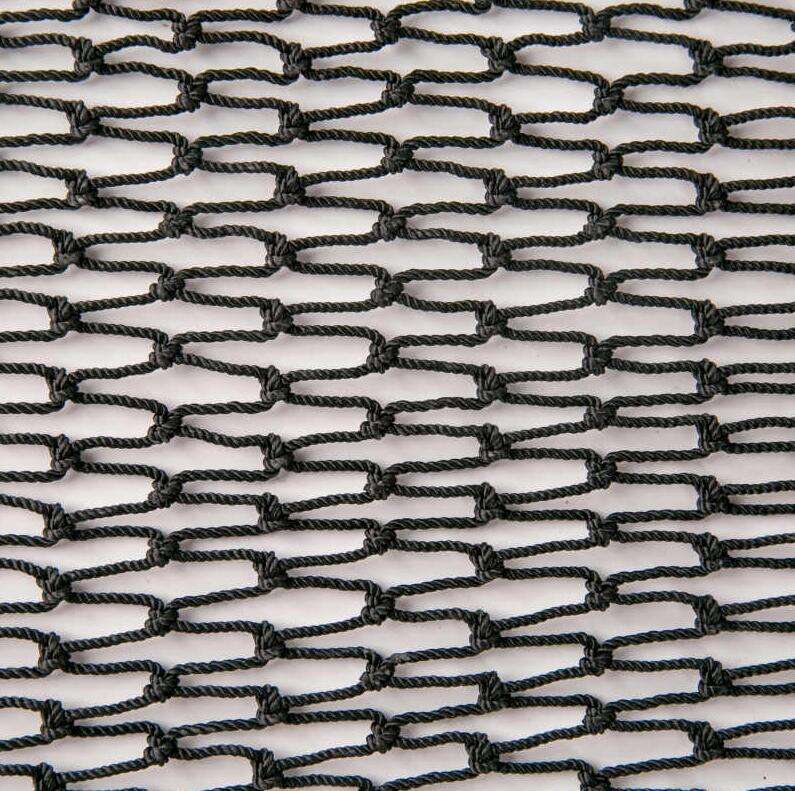
The fishing cage net for aquaculture represents a revolutionary advancement in marine farming technology, serving as the cornerstone of modern fish farming operations worldwide. This specialized netting system creates controlled underwater environments where fish can grow safely while maintaining natural swimming patterns and behaviors. The fishing cage net for aquaculture consists of high-strength synthetic materials engineered to withstand harsh marine conditions, including saltwater corrosion, strong currents, and temperature fluctuations. These nets feature precisely calculated mesh sizes that prevent fish escape while allowing optimal water circulation and waste removal. The structural design incorporates reinforced edges and stress-distribution points that ensure long-lasting durability under constant water pressure and fish movement. Modern fishing cage net for aquaculture systems utilize advanced polymer technologies that resist UV degradation, biofouling, and mechanical wear. The primary function involves creating secure boundaries that contain fish stocks while permitting natural feeding behaviors and environmental interactions. Water quality management becomes significantly enhanced through the strategic positioning of these nets, which facilitate proper oxygen exchange and nutrient distribution throughout the farming area. The technological features include anti-predator protection mechanisms that safeguard valuable fish stocks from external threats such as seals, sharks, and birds. Installation procedures have been streamlined through modular designs that allow rapid deployment and maintenance in various water depths and conditions. Applications span across multiple aquaculture sectors including salmon farming, sea bass cultivation, tuna ranching, and shellfish production. Commercial operations benefit from scalable configurations that accommodate different production volumes and species requirements. The fishing cage net for aquaculture adapts to diverse geographical locations, from sheltered coastal bays to offshore deep-water installations, providing flexibility for expanding aquaculture operations globally.
 EN
EN