Premium Fish Farm Cage Nets: Advanced Aquaculture Solutions for Commercial Fish Farming

Get a Free Quote

Our representative will contact you soon.
Email
Name
Company Name
Mobile/WhatsApp
Message
0/1000

fish farm cage nets

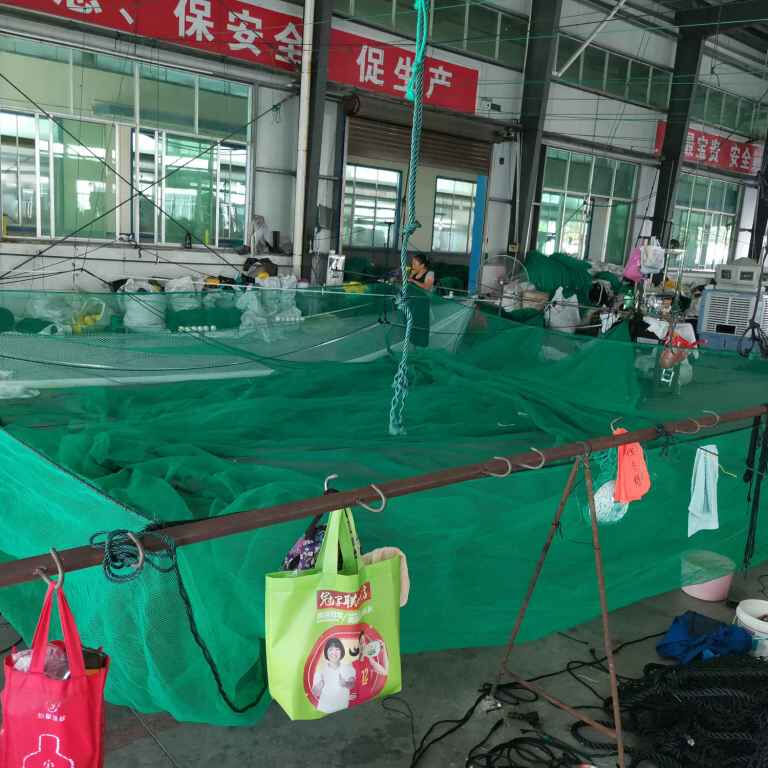
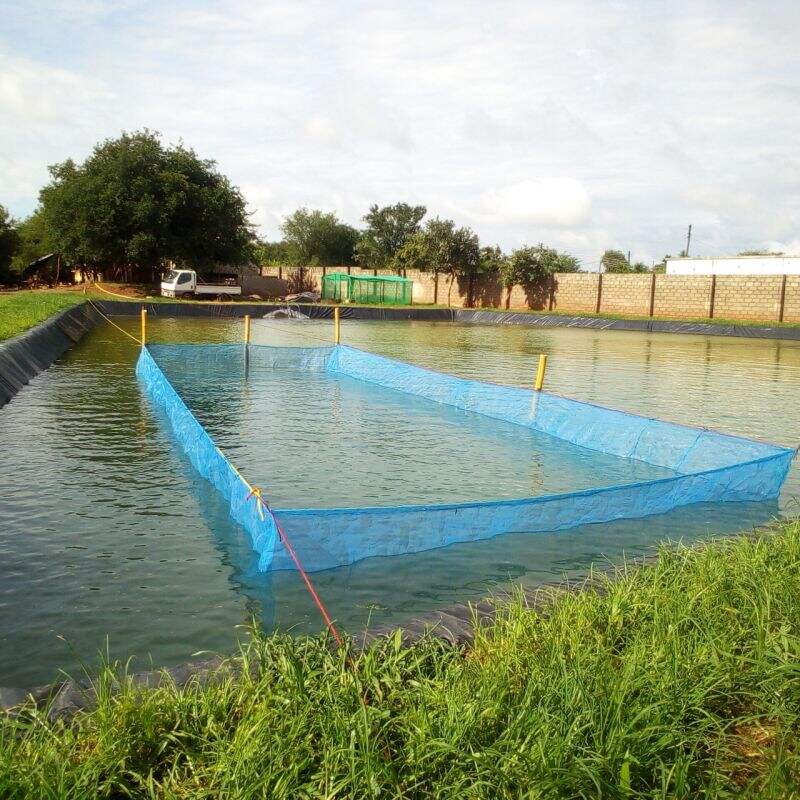
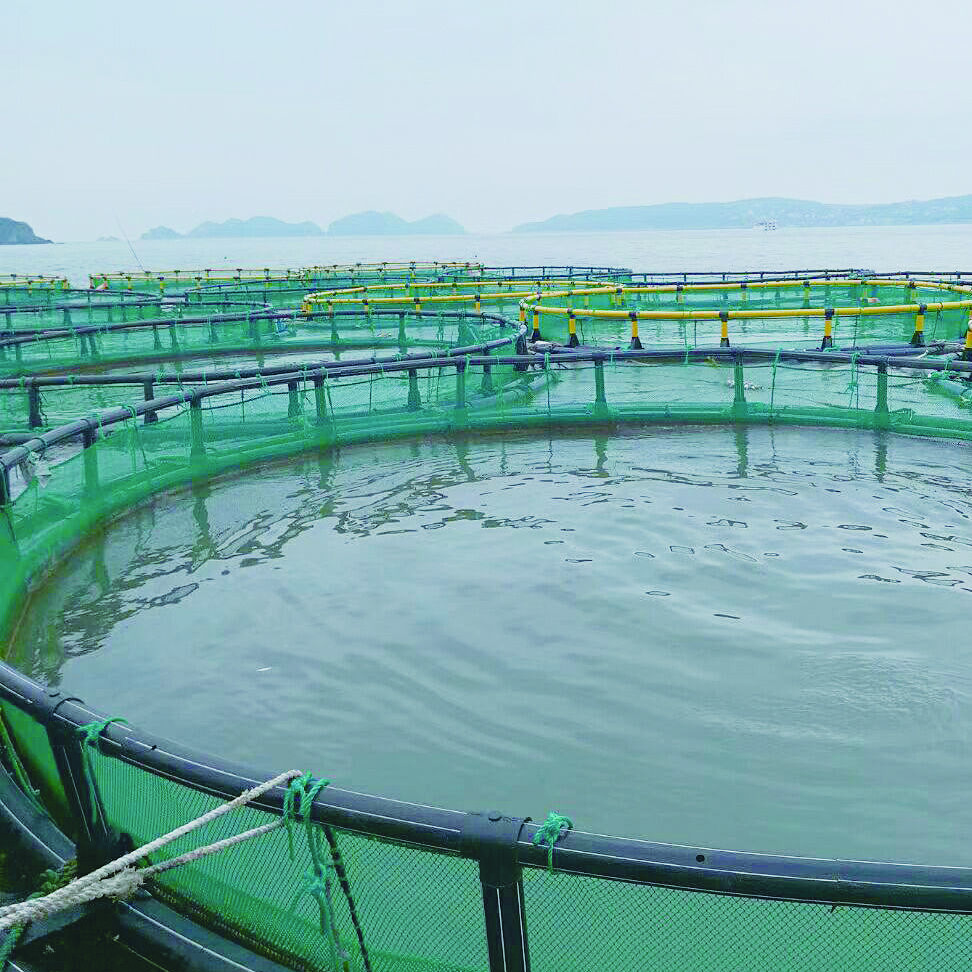
Fish farm cage nets represent a revolutionary approach to aquaculture, providing controlled environments for raising fish in natural water bodies while maintaining optimal growth conditions. These specialized containment systems serve as underwater enclosures that allow water circulation while preventing fish from escaping, creating sustainable farming operations in lakes, rivers, and coastal waters. The primary function of fish farm cage nets involves creating secure boundaries that confine fish within designated areas while permitting natural water flow, ensuring adequate oxygen supply and waste removal. Modern fish farm cage nets incorporate advanced materials and engineering designs that withstand harsh marine environments, including strong currents, waves, and weather conditions. The technological features of contemporary fish farm cage nets include high-density polyethylene construction, UV-resistant coatings, and precision-engineered mesh sizes that prevent predator intrusion while maintaining water exchange. These nets typically feature reinforced seams, galvanized hardware, and modular designs that facilitate easy installation and maintenance. The mesh configuration varies according to fish species and growth stages, with smaller openings for juvenile fish and larger configurations for mature specimens. Applications of fish farm cage nets span diverse aquaculture sectors, including salmon farming in coastal waters, trout cultivation in freshwater lakes, and marine fish production in offshore environments. Commercial operations utilize these nets for large-scale production, while smaller enterprises employ them for specialized breeding programs. The nets accommodate various fish species, from cold-water salmon to warm-water tilapia, adapting to different environmental conditions and farming objectives. Fish farm cage nets also support research initiatives, allowing scientists to study fish behavior and growth patterns in controlled yet natural settings. The versatility of these systems enables year-round production in suitable climates, maximizing operational efficiency and economic returns for aquaculture businesses worldwide.

New Product Releases

Fish farm cage nets offer numerous practical benefits that make them essential tools for modern aquaculture operations. The primary advantage lies in their ability to maximize production while minimizing environmental impact, as these nets utilize existing water bodies without requiring artificial pond construction or extensive land modification. This approach significantly reduces initial investment costs compared to traditional land-based farming systems, making aquaculture accessible to more entrepreneurs and communities. The natural water environment provided by fish farm cage nets promotes healthier fish growth, as constant water circulation ensures optimal oxygen levels and removes metabolic waste products automatically. This continuous water exchange eliminates the need for expensive aeration systems and water treatment facilities commonly required in closed farming systems. Fish farm cage nets also provide superior protection against predators, including birds, seals, and larger fish that threaten farmed stock. The robust mesh construction creates an effective barrier while maintaining water flow, reducing fish mortality and protecting investment returns. Maintenance requirements for fish farm cage nets are minimal compared to concrete ponds or recirculating systems, as natural water movement prevents algae buildup and maintains water quality. The modular design of these nets allows farmers to scale operations according to market demand, adding or removing sections without major infrastructure changes. This flexibility enables businesses to adapt quickly to market conditions and optimize production capacity. Installation of fish farm cage nets requires less time and specialized equipment than constructing traditional fish farms, allowing operations to commence faster and generate revenue sooner. The nets accommodate various feeding strategies, from manual feeding to automated systems, providing operational flexibility that suits different management styles and budgets. Environmental benefits include reduced pressure on wild fish populations, as farmed fish supply market demand without depleting natural stocks. Fish farm cage nets also create local employment opportunities in rural and coastal communities, supporting economic development while preserving traditional fishing cultures. The durability of modern fish farm cage nets ensures long-term returns on investment, with properly maintained systems operating effectively for several years before requiring replacement. These nets integrate seamlessly with existing marine infrastructure, utilizing harbors, bays, and protected waters for efficient farming operations that complement rather than compete with traditional fishing activities.

Latest News

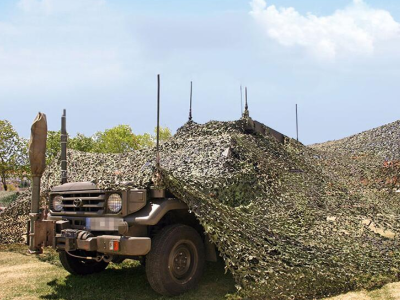
From Battlefield to Backyard: The European Embrace of Camouflage Nets for Stylish Shade and Design

14

Nov

From Battlefield to Backyard: The European Embrace of Camouflage Nets for Stylish Shade and Design

View More
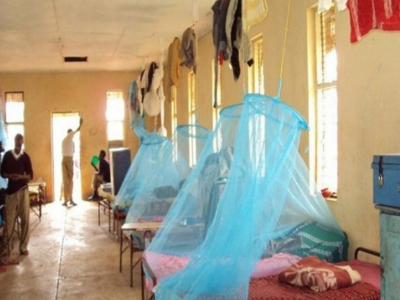
The Unseen Shield: How Mosquito Nets Remain a Cornerstone of Global Public Health

14

Nov

The Unseen Shield: How Mosquito Nets Remain a Cornerstone of Global Public Health

View More
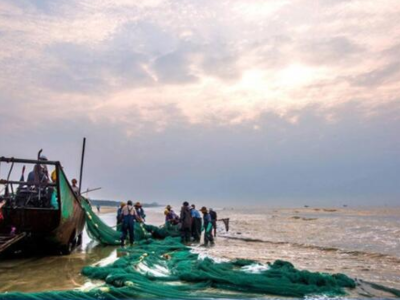
Casting a Sustainable Future How Innovation in Fishing Nets is Protecting Our Oceans

08

Dec

Casting a Sustainable Future How Innovation in Fishing Nets is Protecting Our Oceans

View More
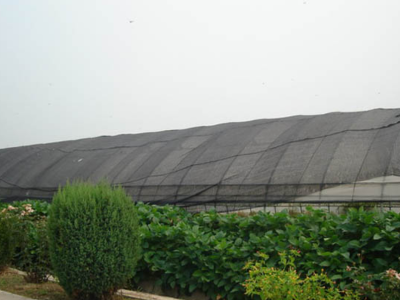
The Technological Revolution in Agricultural Nets for a Hungry Planet

14

Nov

The Technological Revolution in Agricultural Nets for a Hungry Planet

View More

Get a Free Quote

Our representative will contact you soon.
Email
Name
Company Name
Mobile/WhatsApp
Message
0/1000

fish farm cage nets

Advanced Material Engineering for Maximum Durability

Advanced Material Engineering for Maximum Durability

Modern fish farm cage nets incorporate cutting-edge material technology that delivers exceptional performance in challenging aquatic environments. The primary construction utilizes high-density polyethylene (HDPE) fibers that provide superior strength-to-weight ratios while maintaining flexibility under dynamic loading conditions. This advanced material selection ensures fish farm cage nets can withstand constant water movement, temperature fluctuations, and UV exposure without degrading over time. The manufacturing process involves specialized weaving techniques that create uniform mesh patterns with consistent opening sizes, preventing weak points that could compromise net integrity. Each strand undergoes treatment with UV-stabilizing compounds that protect against solar radiation damage, significantly extending operational lifespan in outdoor environments. The material engineering extends to reinforcement systems, where critical stress points receive additional strengthening through doubled strands and specialized knotting techniques. This comprehensive approach to material selection and processing results in fish farm cage nets that maintain structural integrity under extreme conditions, including storms, strong currents, and impacts from marine debris. The chemical resistance properties of these advanced materials prevent deterioration from saltwater exposure, organic acids, and cleaning chemicals used in routine maintenance. Testing protocols ensure each batch of material meets stringent quality standards before incorporation into fish farm cage nets, guaranteeing consistent performance across different installation environments. The flexibility characteristics allow nets to conform to irregular bottom topographies while maintaining proper tension distribution, preventing stress concentrations that could lead to premature failure. Advanced coating systems provide additional protection against marine growth, reducing drag forces and maintaining optimal water flow patterns through the net structure. The material engineering also considers environmental compatibility, utilizing recyclable polymers that minimize ecological impact at end-of-life disposal. This commitment to sustainable material selection reflects industry responsibility while delivering superior performance characteristics that benefit commercial operations.
Precision Mesh Design for Optimal Fish Health and Security

Precision Mesh Design for Optimal Fish Health and Security

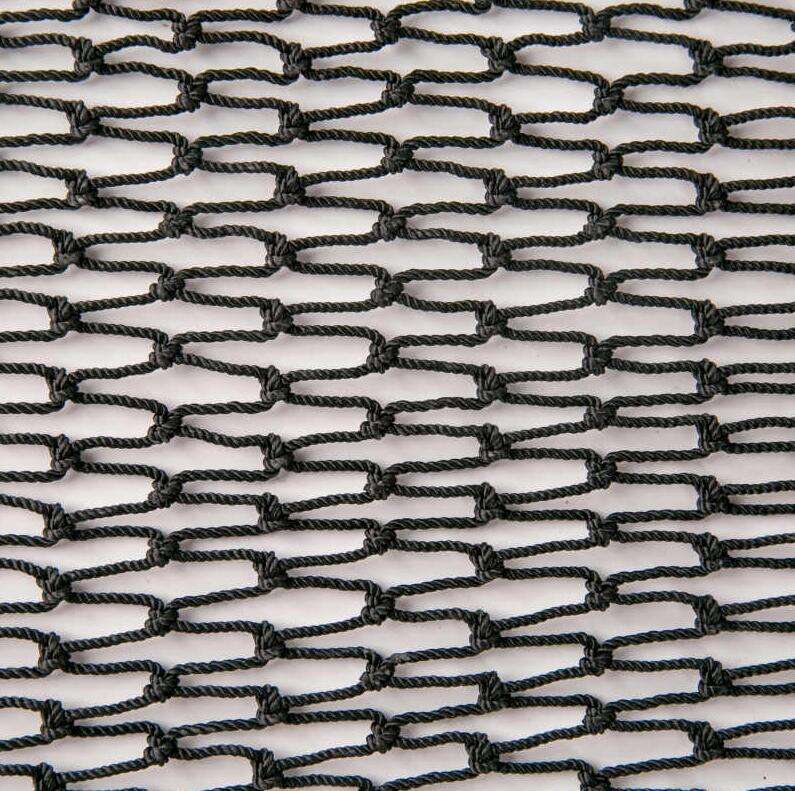
The mesh configuration of fish farm cage nets represents a critical engineering achievement that balances fish containment, water circulation, and predator exclusion through precise geometric design principles. Each mesh opening undergoes careful calculation to accommodate specific fish species and growth stages, ensuring adequate space for natural swimming behavior while preventing escape. The precision mesh design incorporates graduated sizing systems that adapt to fish development, starting with fine mesh for juvenile specimens and transitioning to larger configurations as fish mature. This adaptive approach eliminates the need for frequent net changes while maintaining optimal containment throughout the production cycle. Water flow dynamics receive special attention in mesh design, with opening patterns engineered to minimize turbulence while maximizing circulation efficiency. The result is a system that promotes natural water movement patterns essential for fish health, oxygen distribution, and waste removal. Predator exclusion capabilities built into the mesh design prevent entry of sharks, seals, birds, and other threats that could devastate farmed fish populations. The geometric precision extends to corner configurations and seam transitions, where specialized design elements prevent weak points that predators might exploit. Manufacturing tolerances for fish farm cage nets maintain mesh consistency within strict parameters, ensuring uniform performance across the entire net structure. The design process incorporates computational fluid dynamics analysis to optimize flow patterns and minimize dead zones where debris could accumulate. Quality control measures verify mesh dimensions at multiple production stages, guaranteeing that finished fish farm cage nets meet exact specifications for each application. The precision design also considers cleaning requirements, with mesh angles and spacing optimized for efficient removal of fouling organisms and debris. Advanced manufacturing techniques ensure consistent knot strength and strand alignment, preventing deformation under load that could compromise mesh integrity. The systematic approach to mesh design extends to material selection for different net components, optimizing performance characteristics for specific environmental conditions and operational requirements while maintaining the precision necessary for reliable fish containment and protection.
Modular Installation System for Flexible Farm Management

Modular Installation System for Flexible Farm Management

The modular installation system of fish farm cage nets revolutionizes aquaculture management by providing unprecedented flexibility in farm design, expansion, and operational adaptation. This innovative approach allows farmers to configure net systems according to specific site conditions, production requirements, and budget constraints while maintaining the ability to modify installations as circumstances change. The modular design principle enables fish farm cage nets to accommodate various water depths, bottom conditions, and environmental factors through standardized components that connect seamlessly. Installation procedures become straightforward with pre-engineered anchor systems, flotation devices, and connection hardware designed for efficient deployment and maintenance. The modular approach allows incremental farm development, where operators can start with smaller installations and gradually expand production capacity as markets develop and financing becomes available. This scalability feature makes fish farm cage nets accessible to small-scale operators while supporting large commercial operations through multiple module configurations. Seasonal adaptations become possible with modular systems, allowing farmers to adjust net configurations for different production cycles, weather patterns, or maintenance schedules. The standardized components simplify inventory management and reduce spare parts requirements, as common elements serve multiple functions across different installation configurations. Training requirements for installation and maintenance teams decrease significantly with modular fish farm cage nets, as standardized procedures apply across various system sizes and configurations. The modular design facilitates transportation to remote locations, as components pack efficiently for shipping and require minimal specialized equipment for deployment. Maintenance operations benefit from modular construction, allowing isolated component replacement without disrupting entire net systems or requiring complete farm shutdown. Quality control measures ensure component compatibility across different production batches, maintaining system integrity regardless of installation timing or configuration changes. The modular installation system also supports rapid response to environmental challenges, enabling quick reconfiguration or relocation when conditions change. Economic benefits include reduced installation costs, faster deployment times, and improved operational efficiency through optimized farm layouts that maximize water utilization and minimize environmental impact while maintaining production goals.

Get a Free Quote

Our representative will contact you soon.
Email
Name
Company Name
Mobile/WhatsApp
Message
0/1000