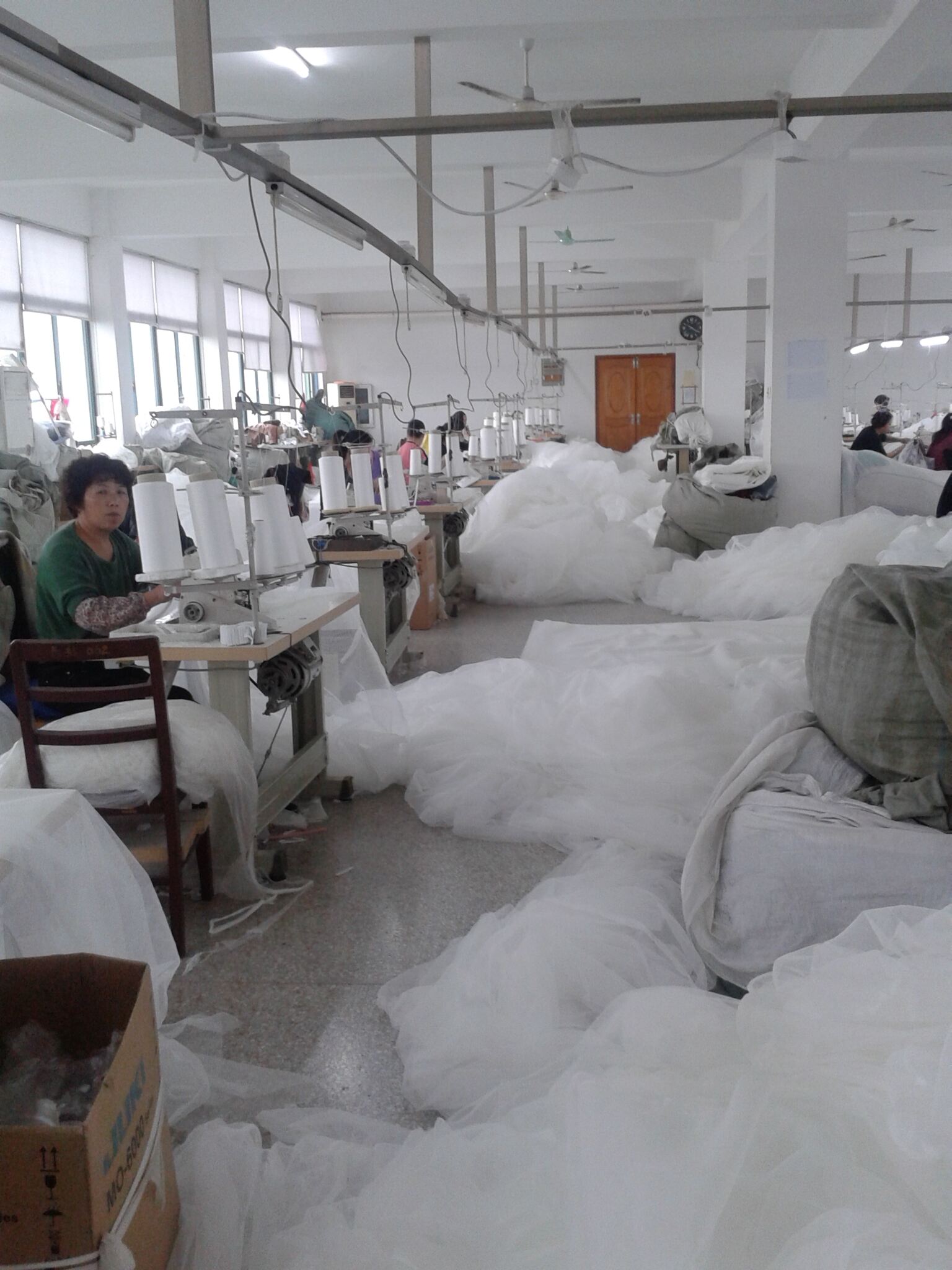
treated mosquito nets for sale
Treated mosquito nets for sale represent a revolutionary advancement in personal protection against vector-borne diseases, combining traditional barrier methods with cutting-edge insecticidal technology. These specialized nets undergo treatment with long-lasting insecticidal compounds, primarily pyrethroids, which remain effective for years after application. The primary function of treated mosquito nets for sale extends beyond simple physical barriers, actively killing or repelling mosquitoes and other disease-carrying insects upon contact. The technological foundation involves impregnating polyester or polyethylene fibers with WHO-approved insecticides during manufacturing or through post-production treatment processes. This integration ensures uniform distribution of active compounds throughout the mesh structure, creating a protective zone that extends beyond the net's physical boundaries. Modern treated mosquito nets for sale incorporate advanced polymer technology that controls the release rate of insecticides, maintaining efficacy for three to five years under normal usage conditions. The mesh design typically features 156 holes per square inch, providing optimal airflow while preventing insect penetration. Applications span residential settings, outdoor activities, military deployments, humanitarian missions, and healthcare facilities in endemic regions. These nets prove particularly valuable in tropical and subtropical climates where malaria, dengue, Zika, and chikungunya transmission occurs regularly. The World Health Organization strongly recommends treated mosquito nets for sale as primary intervention tools in malaria control programs, citing their proven effectiveness in reducing disease transmission by up to 70 percent when properly utilized. Installation requires minimal technical expertise, with most models featuring reinforced edges, tie-down points, and color-coded hanging systems for easy deployment. Quality treated mosquito nets for sale undergo rigorous testing protocols, including bioassays, chemical analysis, and durability assessments to ensure consistent performance standards.
 EN
EN