Premium Treated Mosquito Net Factory - Advanced LLIN Manufacturing & Global Distribution

Get a Free Quote

Our representative will contact you soon.
Email
Name
Company Name
Mobile/WhatsApp
Message
0/1000

treated mosquito net factory

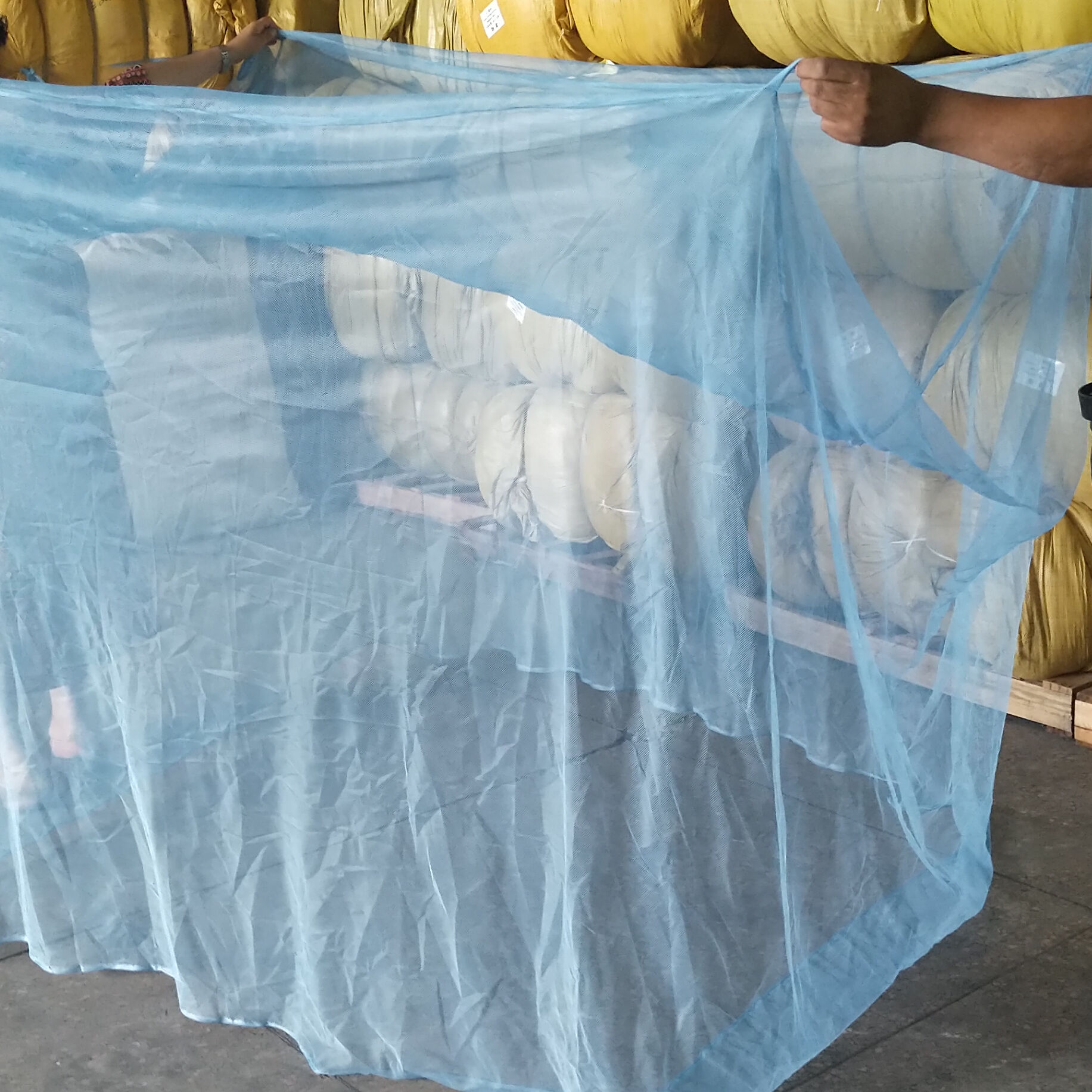
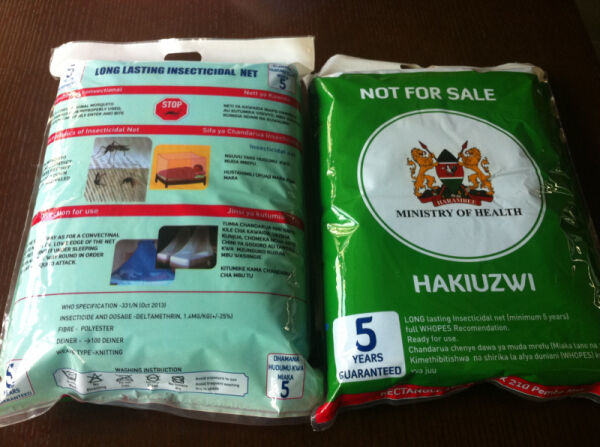
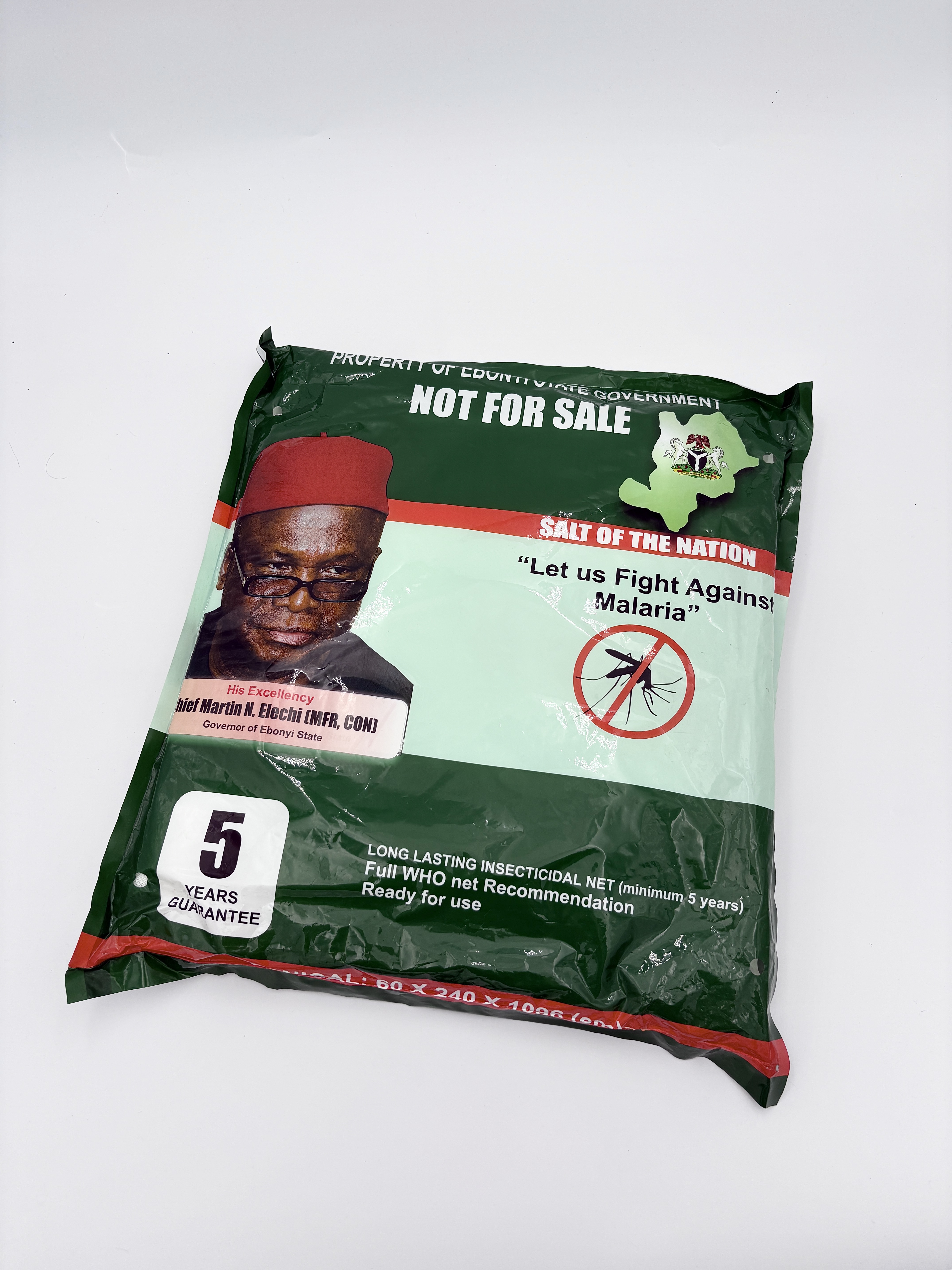
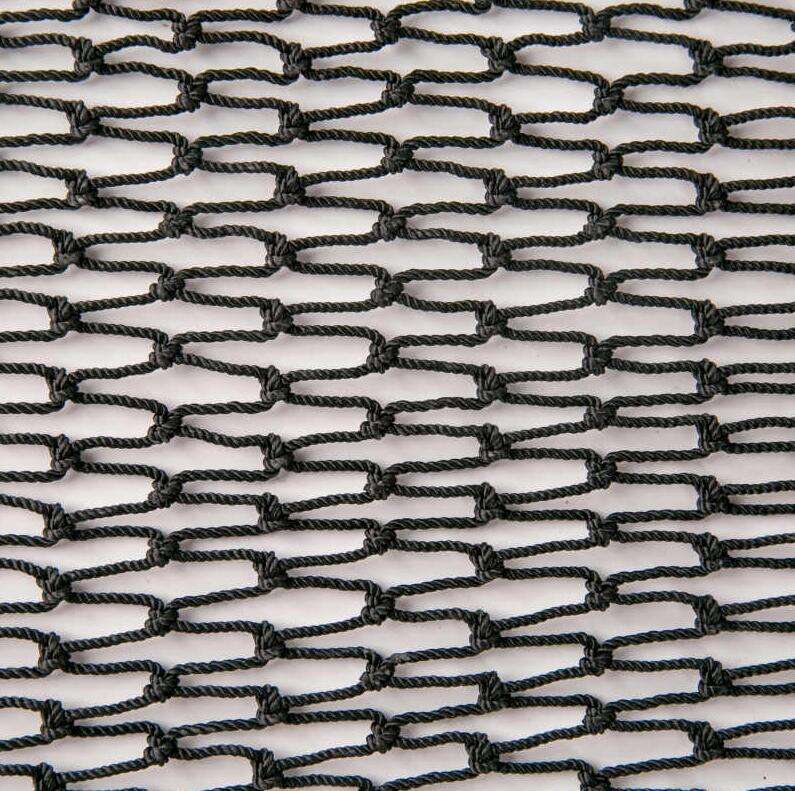
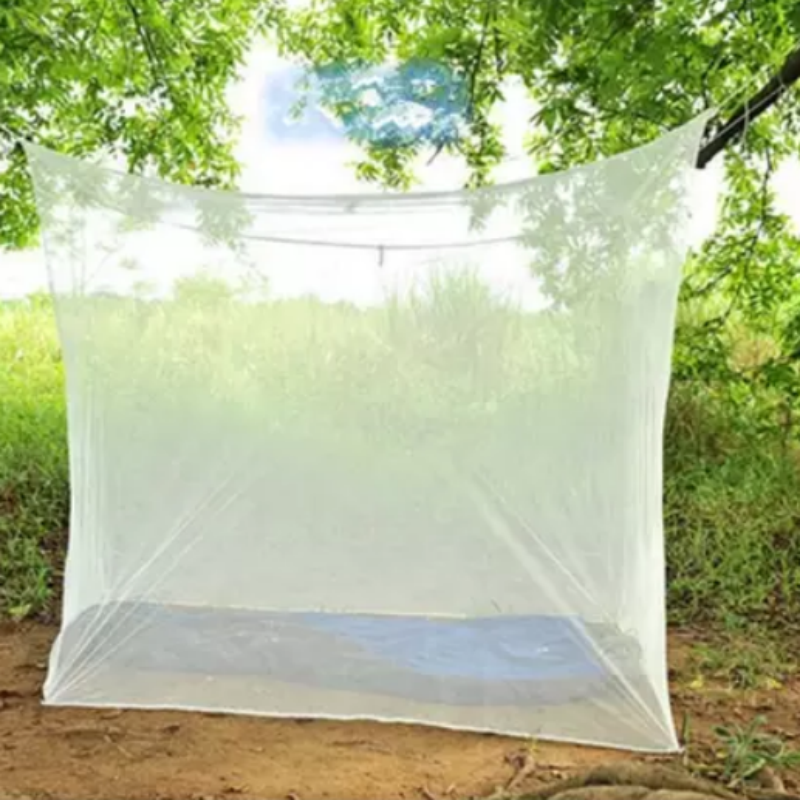
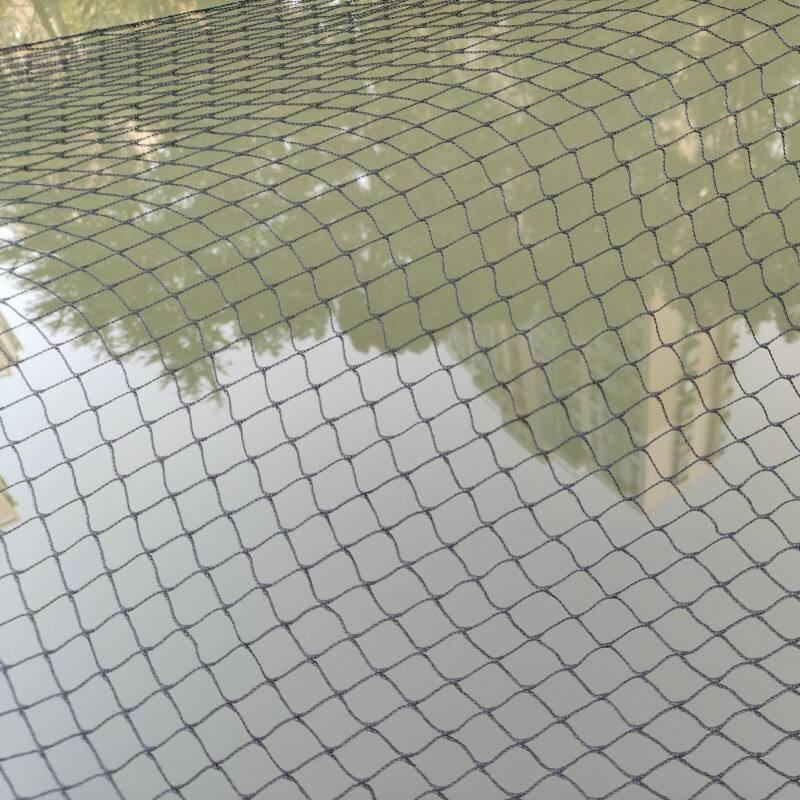
A treated mosquito net factory represents a specialized manufacturing facility dedicated to producing insecticide-treated nets (ITNs) that serve as crucial protective barriers against disease-carrying mosquitoes. These sophisticated production centers combine advanced textile manufacturing with precise chemical treatment processes to create highly effective malaria prevention tools. The treated mosquito net factory operates through multiple integrated stages, beginning with the procurement of high-quality polyethylene or polyester fibers that form the foundation of durable netting materials. Modern facilities employ automated weaving systems that create uniform mesh patterns with specific hole sizes, typically measuring 1.7mm by 1.5mm, ensuring optimal protection while maintaining adequate airflow for user comfort. The chemical treatment phase constitutes the most critical aspect of the treated mosquito net factory operations, where nets undergo careful impregnation with World Health Organization-approved insecticides such as permethrin, deltamethrin, or alpha-cypermethrin. These long-lasting insecticidal nets (LLINs) maintain their protective properties for approximately three to five years under normal usage conditions. Quality control systems within the treated mosquito net factory implement rigorous testing protocols, including bioassay studies that verify insecticide efficacy, tensile strength assessments, and chemical concentration measurements. Advanced production lines feature automated cutting, hemming, and packaging systems that ensure consistent product dimensions and professional finishing. The treated mosquito net factory typically incorporates environmental management systems to handle chemical waste safely and minimize ecological impact. Distribution capabilities include bulk packaging options for humanitarian organizations, retail-ready individual packaging, and custom branding solutions for various market segments. These facilities often maintain international certifications including ISO standards and WHO prequalification status, ensuring products meet global health initiative requirements.

New Products

The treated mosquito net factory delivers exceptional value through proven disease prevention capabilities that significantly reduce malaria transmission rates in endemic regions. These specialized facilities produce nets that provide dual protection mechanisms, creating physical barriers against mosquito bites while simultaneously delivering lethal doses of insecticide to approaching vectors. The chemical treatment process ensures long-term effectiveness, eliminating the need for frequent re-treatment that traditional nets require. This extended protection period translates to substantial cost savings for consumers and health organizations over time. The treated mosquito net factory utilizes advanced manufacturing techniques that guarantee consistent mesh quality and uniform insecticide distribution across every square meter of netting material. This precision manufacturing approach results in products that maintain structural integrity even under harsh environmental conditions including high humidity, temperature fluctuations, and regular washing cycles. Production efficiency within the treated mosquito net factory enables competitive pricing that makes life-saving protection accessible to vulnerable populations worldwide. These facilities can rapidly scale production volumes to meet urgent demand during disease outbreaks or large-scale distribution campaigns. The treated mosquito net factory implements strict quality assurance protocols that exceed international health standards, providing customers with confidence in product reliability and safety. Automated production systems minimize human error while ensuring consistent chemical application rates that optimize both efficacy and user safety. The environmental benefits include reduced pesticide use compared to alternative vector control methods, as the targeted application within nets minimizes chemical dispersal into surrounding ecosystems. The treated mosquito net factory also contributes to sustainable development by creating employment opportunities in regions where malaria control is most needed. Supply chain advantages include flexible packaging options, bulk shipping capabilities, and established distribution networks that facilitate rapid deployment to remote areas. Technical support services help customers understand proper installation and maintenance procedures, maximizing the protective benefits of each net. The treated mosquito net factory continuously invests in research and development to improve product formulations and introduce innovative features that enhance user acceptance and compliance.

Latest News

From Battlefield to Backyard: The European Embrace of Camouflage Nets for Stylish Shade and Design

14

Nov

From Battlefield to Backyard: The European Embrace of Camouflage Nets for Stylish Shade and Design

View More
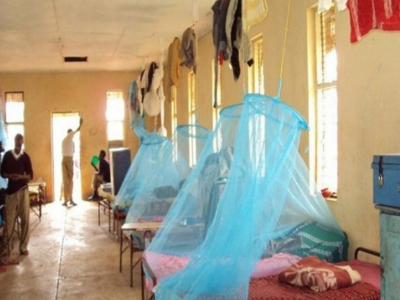
The Unseen Shield: How Mosquito Nets Remain a Cornerstone of Global Public Health

14

Nov

The Unseen Shield: How Mosquito Nets Remain a Cornerstone of Global Public Health

View More
Casting a Sustainable Future How Innovation in Fishing Nets is Protecting Our Oceans

08

Dec

Casting a Sustainable Future How Innovation in Fishing Nets is Protecting Our Oceans

View More
The Technological Revolution in Agricultural Nets for a Hungry Planet

14

Nov

The Technological Revolution in Agricultural Nets for a Hungry Planet

View More

Get a Free Quote

Our representative will contact you soon.
Email
Name
Company Name
Mobile/WhatsApp
Message
0/1000

treated mosquito net factory

Advanced Long-Lasting Insecticidal Treatment Technology

Advanced Long-Lasting Insecticidal Treatment Technology

The treated mosquito net factory employs cutting-edge chemical treatment technology that sets the global standard for long-lasting insecticidal nets (LLINs). This sophisticated process involves the precise incorporation of WHO-approved insecticides directly into the fiber structure during the manufacturing phase, creating a permanent bond that withstands repeated washing and extended use. The treated mosquito net factory utilizes advanced polymer chemistry to ensure optimal insecticide release rates that maintain lethal concentrations for disease vectors while remaining completely safe for human contact. The treatment process begins with careful selection of appropriate insecticidal compounds, typically pyrethroid-based chemicals such as permethrin, deltamethrin, or alpha-cypermethrin, each chosen for specific performance characteristics and target vector species. The treated mosquito net factory implements precise dosage calculations that optimize the balance between effectiveness and safety, ensuring maximum vector mortality while maintaining WHO safety guidelines for human exposure. The chemical integration process occurs at the molecular level, creating nets that retain their protective properties even after 20 or more washing cycles over a three to five-year lifespan. Quality control measures within the treated mosquito net factory include regular bioassay testing using live mosquito populations to verify knockdown rates and mortality percentages, ensuring each production batch meets or exceeds international efficacy standards. The treatment technology also incorporates synergistic compounds that enhance insecticide performance and reduce the likelihood of vector resistance development. Environmental considerations are paramount in the treated mosquito net factory treatment process, with closed-loop systems that minimize chemical waste and prevent environmental contamination. The advanced treatment technology enables the production of nets that provide superior protection compared to conventional untreated nets, with studies demonstrating up to 70% reduction in malaria transmission rates when properly deployed in endemic communities.
Precision Manufacturing and Quality Control Systems

Precision Manufacturing and Quality Control Systems

The treated mosquito net factory operates through highly sophisticated manufacturing processes that ensure consistent product quality and reliability across every production run. These facilities employ state-of-the-art textile machinery specifically designed for producing fine-mesh netting materials with precise hole dimensions that optimize protection while maintaining adequate ventilation for user comfort. The treated mosquito net factory manufacturing process begins with careful fiber selection, utilizing high-grade polyethylene or polyester materials that provide exceptional durability and resistance to environmental degradation. Advanced weaving technology creates uniform mesh patterns with holes measuring exactly 1.7mm by 1.5mm, dimensions scientifically proven to prevent mosquito penetration while allowing sufficient airflow for comfortable sleep conditions. The treated mosquito net factory implements comprehensive quality control protocols at every production stage, from raw material inspection through final packaging. Automated monitoring systems continuously track mesh uniformity, chemical concentration levels, tensile strength, and dimensional accuracy throughout the manufacturing process. Laboratory testing facilities within the treated mosquito net factory conduct regular evaluations including bioassay studies using live mosquito populations to verify insecticidal efficacy, ensuring each batch maintains lethal concentrations capable of killing or repelling disease vectors. Physical testing procedures assess tear resistance, seam strength, and overall durability under simulated field conditions that replicate years of normal use. The treated mosquito net factory quality management systems typically maintain ISO 9001 certification and WHO prequalification status, demonstrating adherence to the highest international manufacturing standards. Traceability systems enable complete product tracking from raw materials through distribution, facilitating rapid response to any quality concerns and ensuring accountability throughout the supply chain. The precision manufacturing capabilities of the treated mosquito net factory enable consistent production of nets that meet specific dimensional requirements for various bed sizes and installation methods, ensuring optimal fit and protection for end users. Advanced packaging systems protect product integrity during storage and transportation while providing clear labeling and usage instructions for optimal deployment effectiveness.
Global Impact and Humanitarian Applications

Global Impact and Humanitarian Applications

The treated mosquito net factory plays a pivotal role in global health initiatives by producing life-saving protective equipment that directly combats malaria, one of the world's leading causes of preventable death. These specialized manufacturing facilities serve as critical infrastructure in the fight against vector-borne diseases, producing millions of nets annually for distribution through international health organizations, government programs, and humanitarian aid initiatives. The treated mosquito net factory production capacity enables rapid response to disease outbreaks and supports large-scale prevention campaigns in malaria-endemic regions across sub-Saharan Africa, Southeast Asia, and Latin America. Research studies consistently demonstrate that communities with access to treated mosquito nets from properly operated factories experience significant reductions in malaria incidence, with some regions achieving up to 55% decreases in childhood mortality rates. The treated mosquito net factory contributes to broader sustainable development goals by providing cost-effective prevention tools that reduce healthcare burdens and enable economic productivity in affected communities. These facilities often establish operations in regions where malaria control is most needed, creating local employment opportunities while building technical capacity for long-term public health infrastructure development. The treated mosquito net factory supply chain capabilities support diverse distribution models, from bulk shipments to international aid organizations to retail packaging for commercial markets, ensuring broad accessibility across different socioeconomic contexts. Quality assurance protocols ensure that nets produced by the treated mosquito net factory maintain consistent effectiveness regardless of distribution channel or end-use application. The humanitarian impact extends beyond direct disease prevention, as reduced malaria burden enables children to attend school regularly and adults to maintain productive employment, contributing to community development and poverty reduction. Collaboration between treated mosquito net factory operators and global health organizations facilitates continuous improvement in product design and distribution strategies, incorporating field feedback to optimize net acceptance and proper usage rates. The treated mosquito net factory infrastructure represents a critical component of integrated vector management strategies that combine environmental modification, chemical control, and personal protection measures for comprehensive malaria prevention programs.

Get a Free Quote

Our representative will contact you soon.
Email
Name
Company Name
Mobile/WhatsApp
Message
0/1000