chemically treated mosquito net
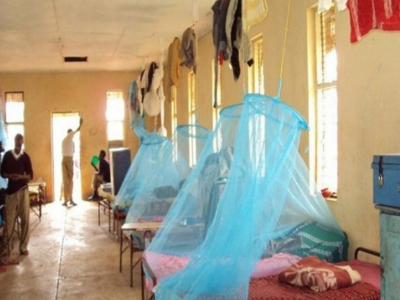
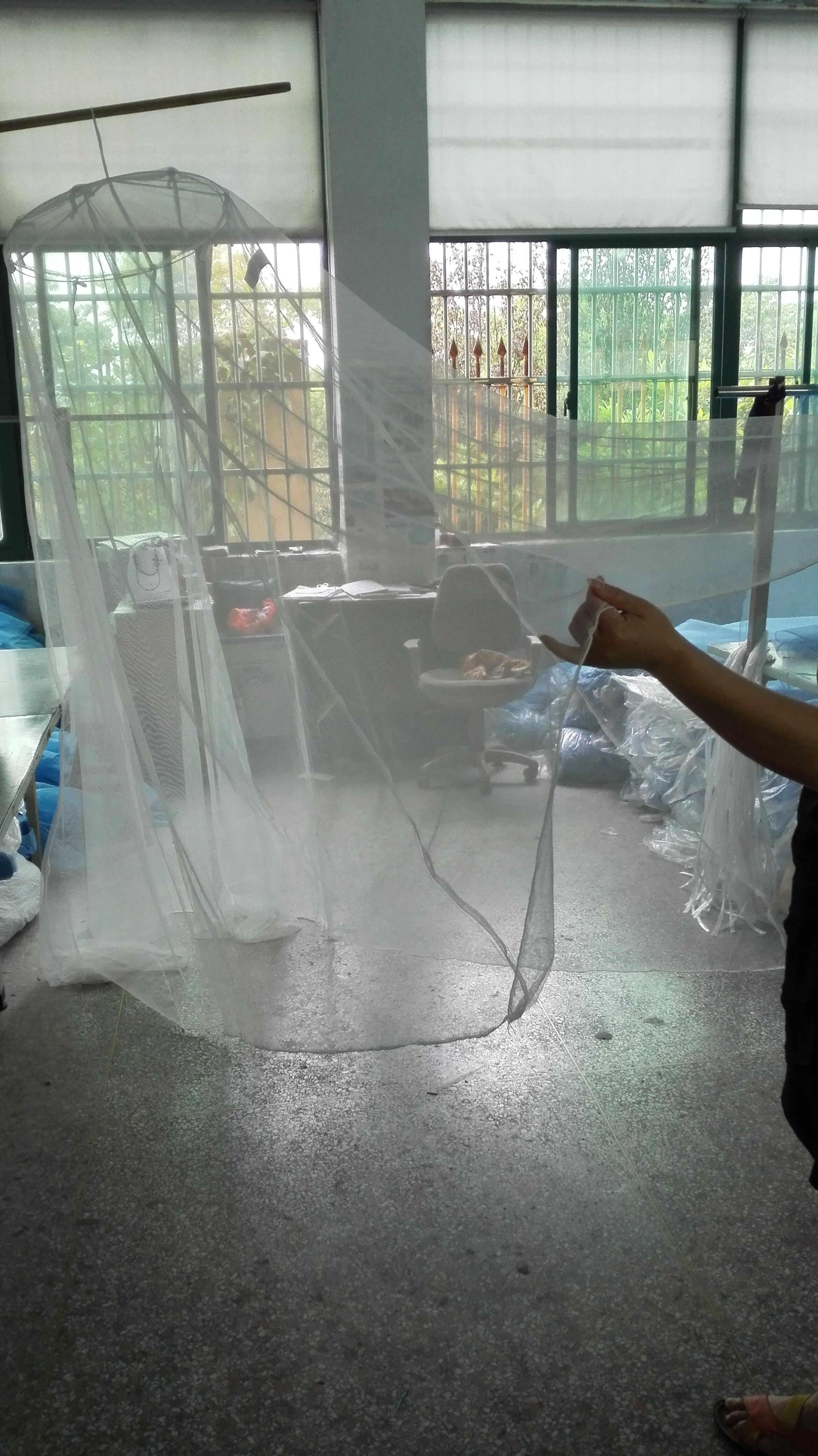
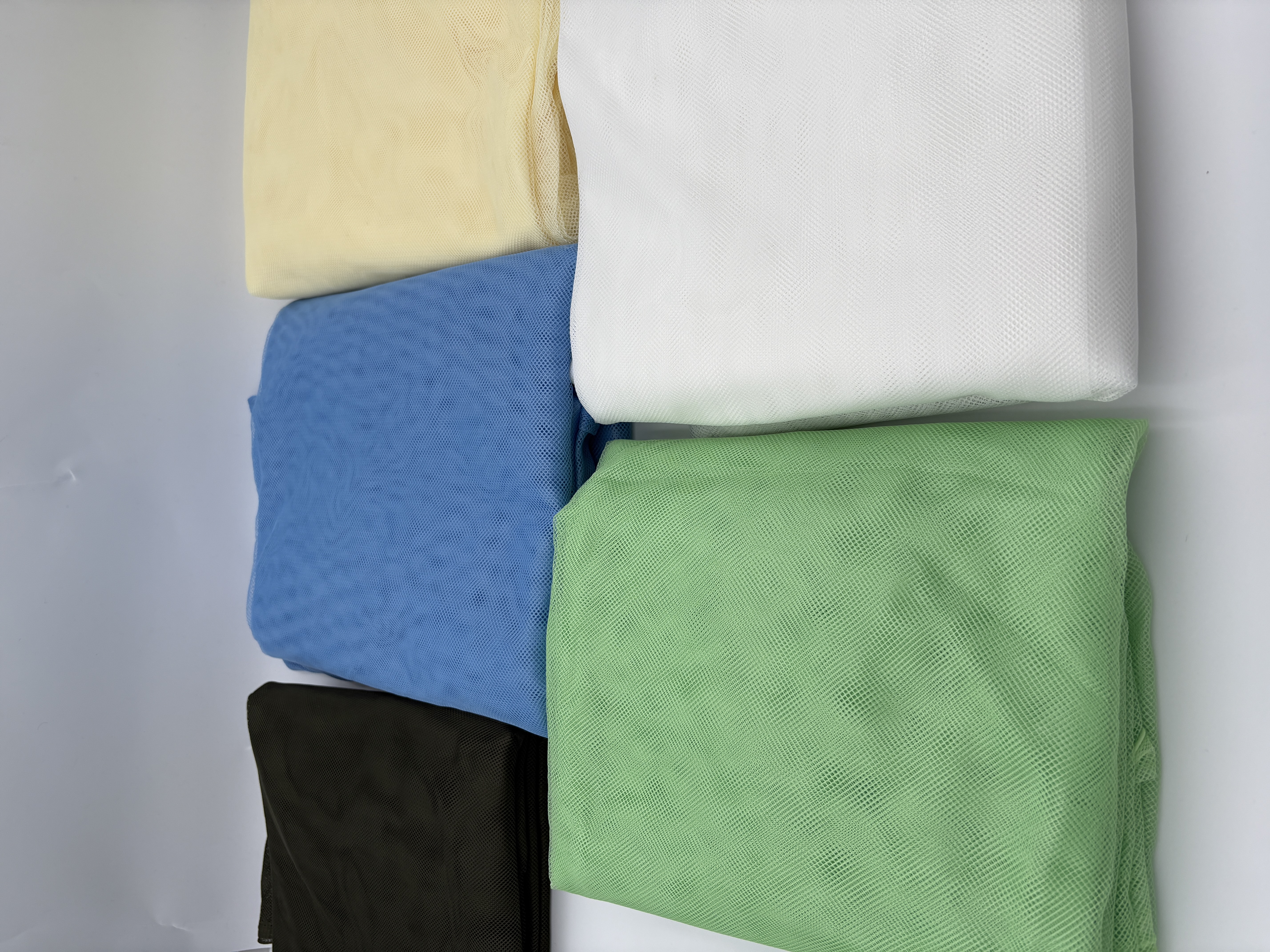
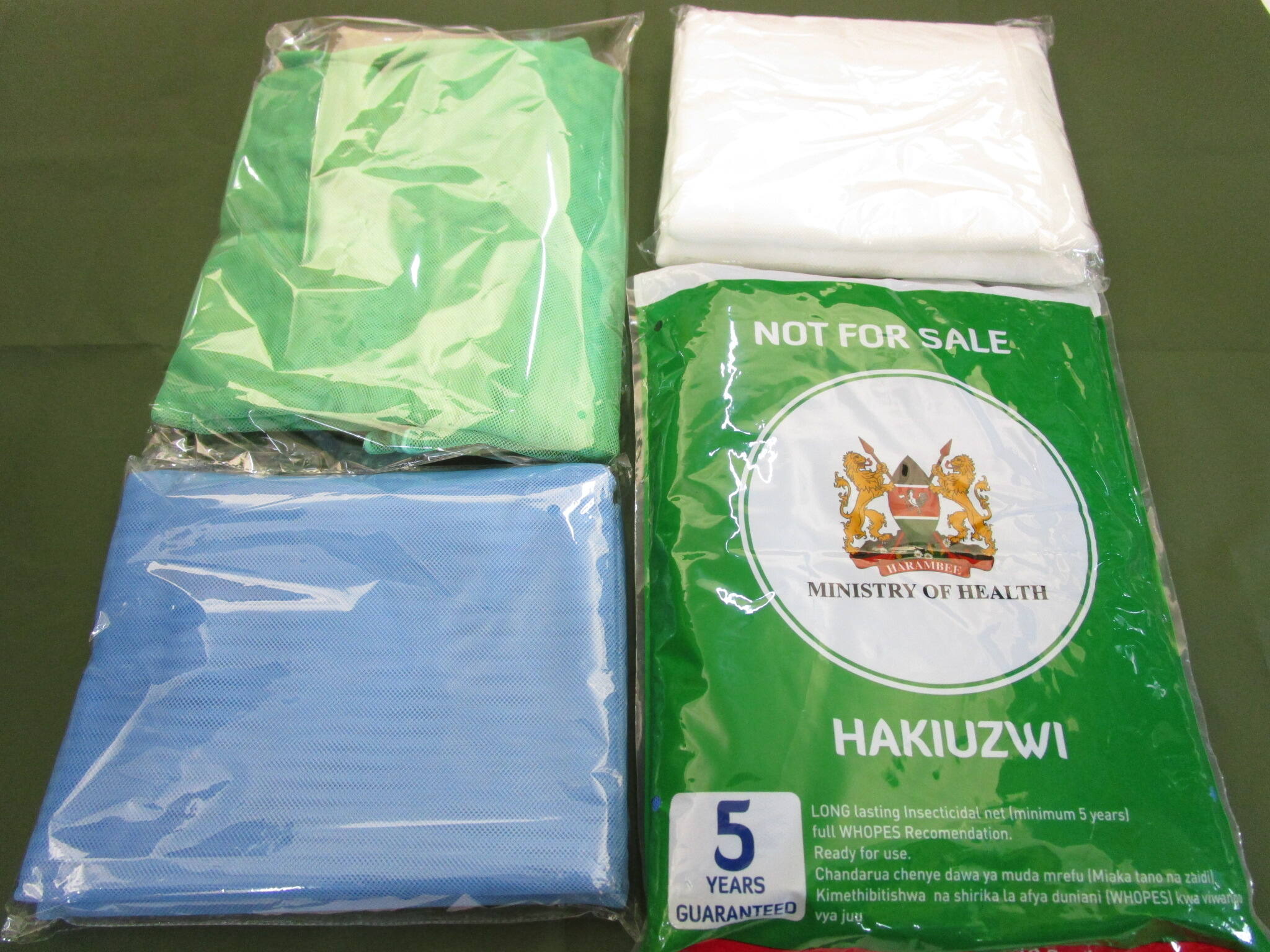
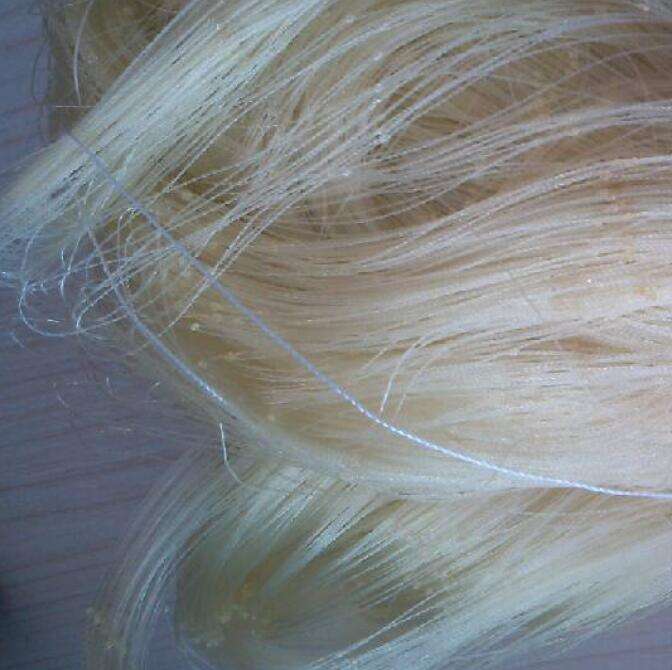
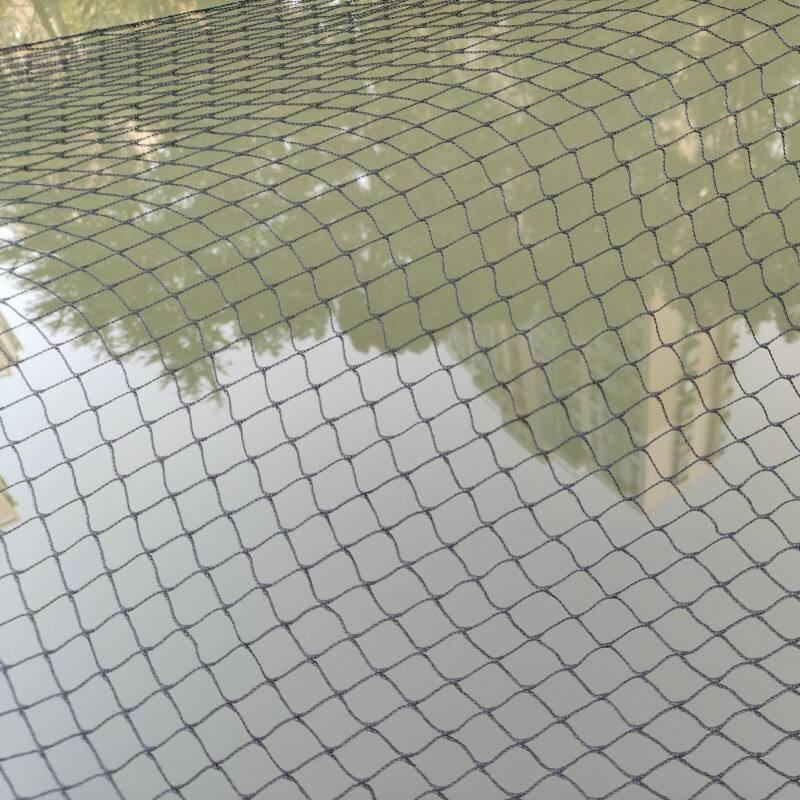
A chemically treated mosquito net represents a revolutionary advancement in personal protection against disease-carrying insects. This specialized bedding accessory combines traditional netting materials with carefully applied insecticidal compounds, creating a dual-action barrier that both physically blocks and chemically repels mosquitoes and other harmful insects. The chemically treated mosquito net utilizes long-lasting insecticidal compounds, typically pyrethroids, which are systematically integrated into the fabric fibers during manufacturing processes. These compounds maintain their effectiveness for extended periods, often lasting three to five years under normal usage conditions. The technological foundation of the chemically treated mosquito net involves sophisticated application methods that ensure uniform distribution of active ingredients throughout the mesh structure. Modern manufacturing techniques employ dipping, coating, or incorporation processes that bond insecticidal molecules directly to synthetic fibers, creating a permanent protective barrier. The mesh design maintains optimal airflow while providing complete coverage, featuring fine weave patterns that prevent even the smallest insects from penetrating the protective zone. Applications for the chemically treated mosquito net span across residential, commercial, and humanitarian sectors. In domestic settings, these nets provide essential nighttime protection for families in malaria-endemic regions, significantly reducing infection rates. Healthcare facilities utilize these nets in patient wards and treatment areas to minimize disease transmission risks. Humanitarian organizations distribute chemically treated mosquito nets as part of malaria prevention campaigns, particularly in sub-Saharan Africa where mosquito-borne diseases pose significant public health challenges. The chemically treated mosquito net also serves outdoor enthusiasts, military personnel, and travelers venturing into insect-prevalent environments. Agricultural workers benefit from portable versions during field operations, while camping and outdoor recreation applications provide essential protection in wilderness settings. The versatility of the chemically treated mosquito net extends to emergency response scenarios, where rapid deployment capabilities offer immediate protection for displaced populations in temporary shelters and refugee camps.
 EN
EN