Versatile Applications Across Multiple Industries and Environments
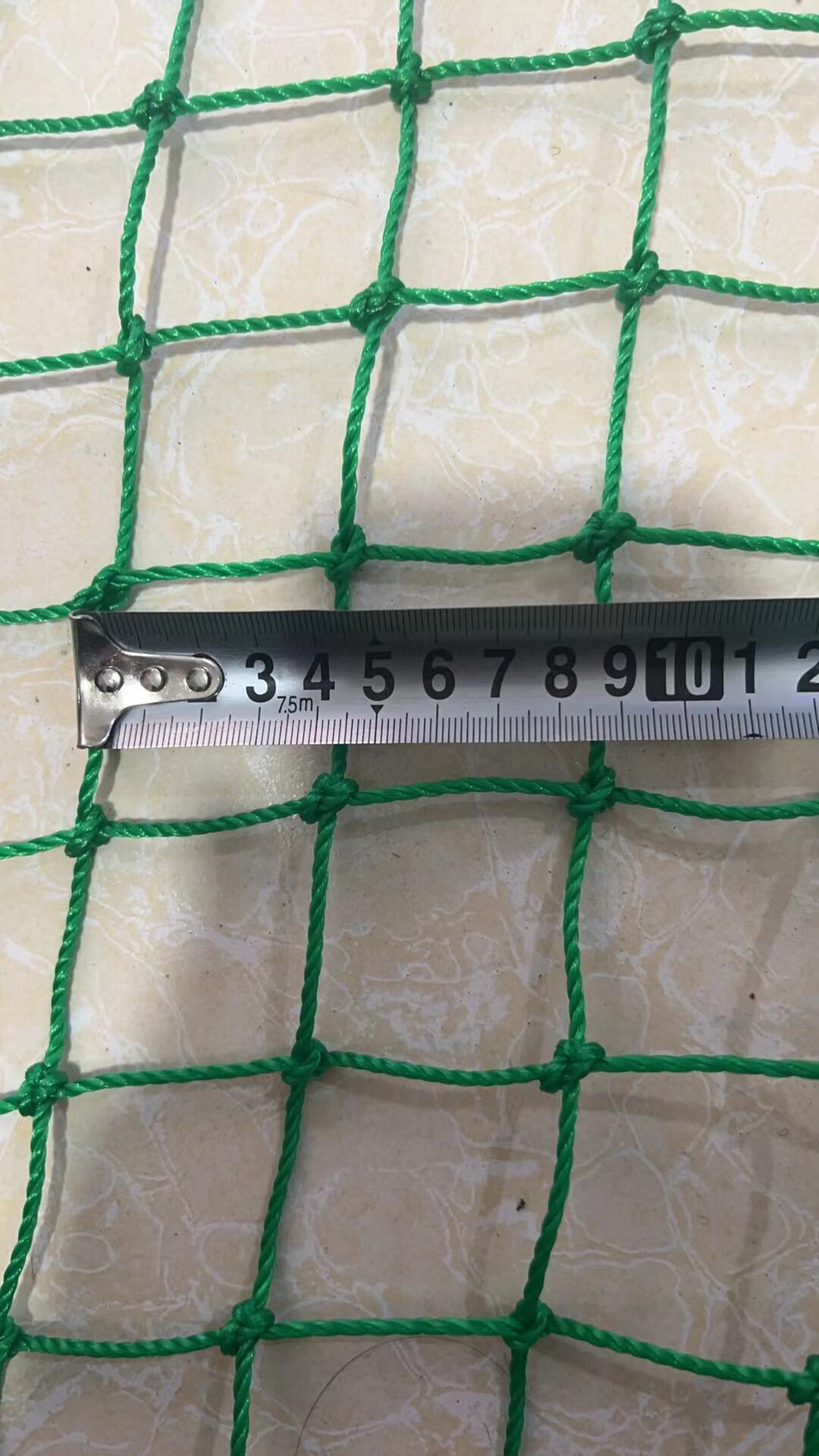
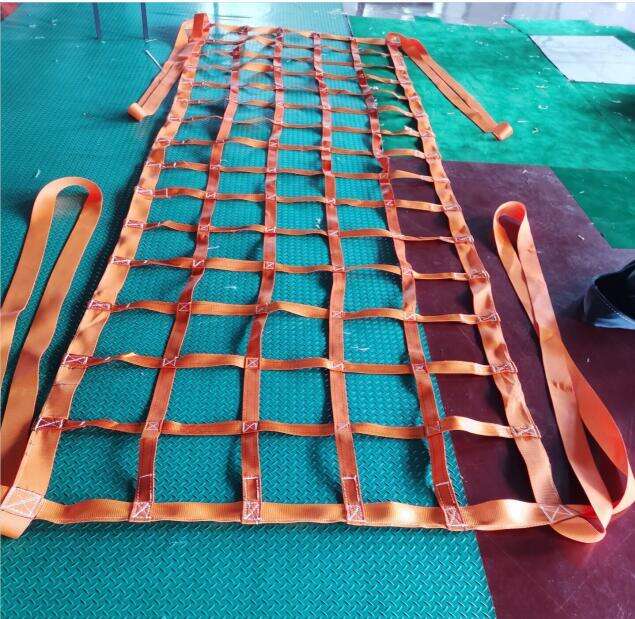
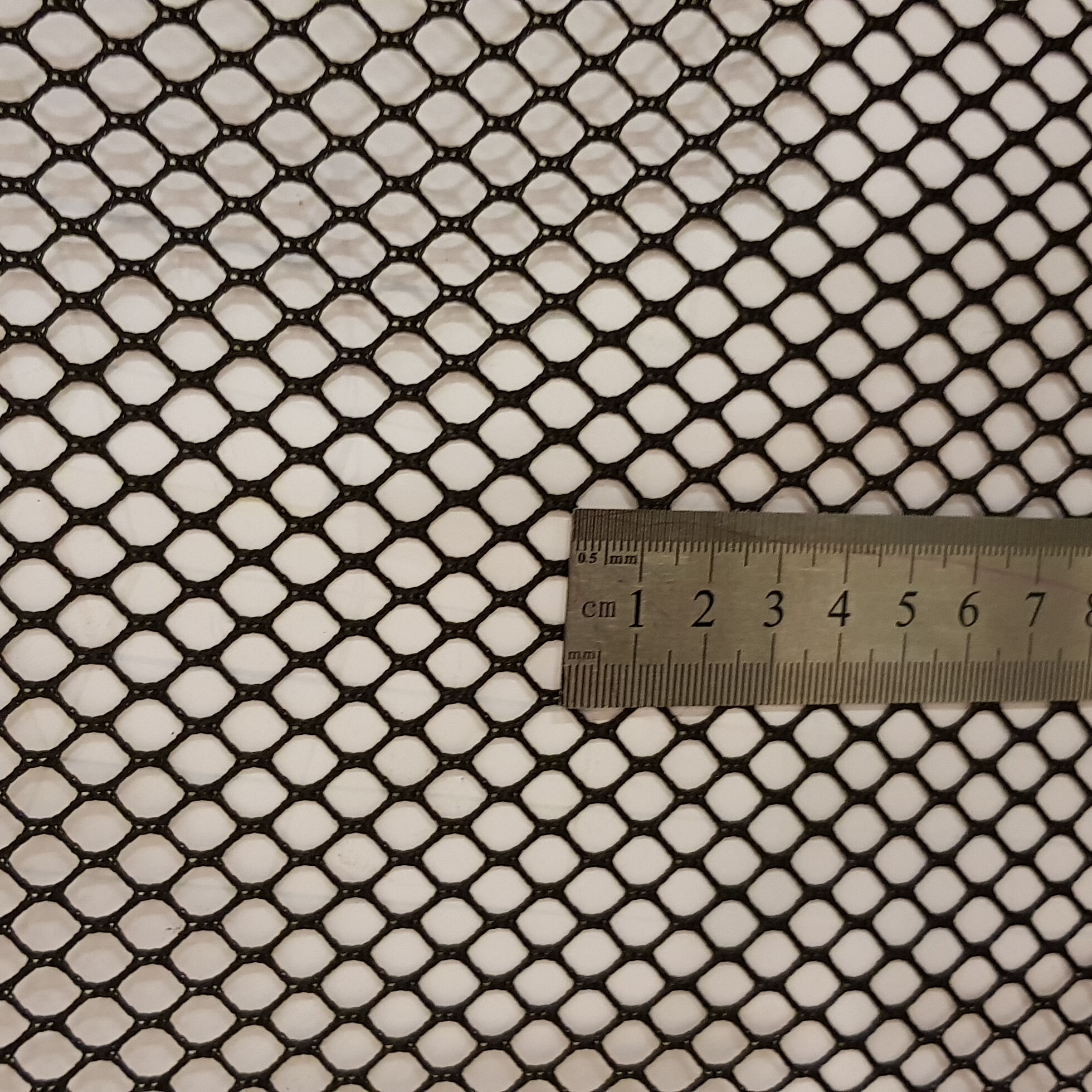
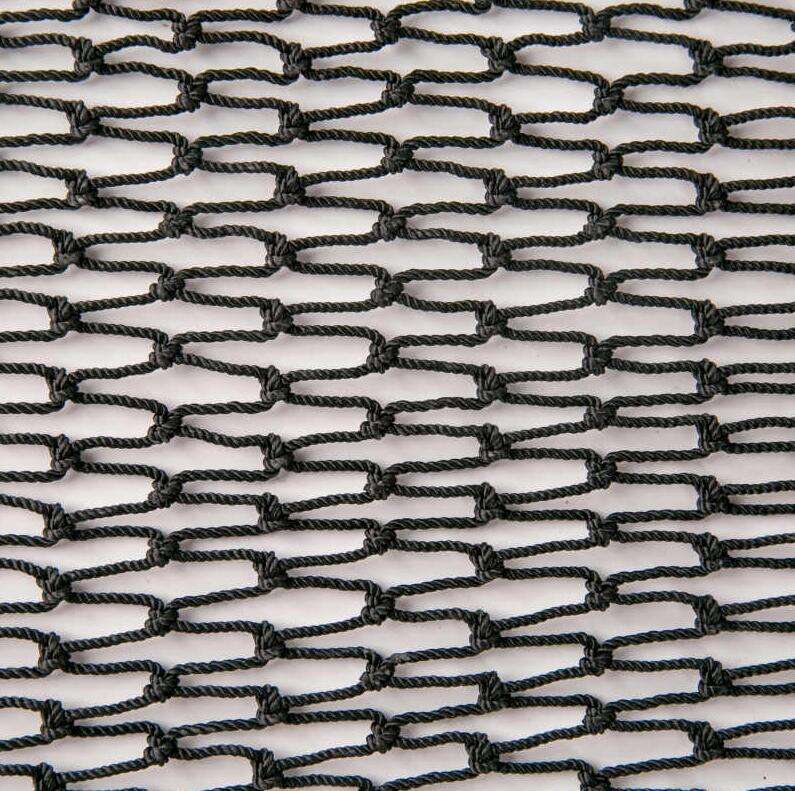
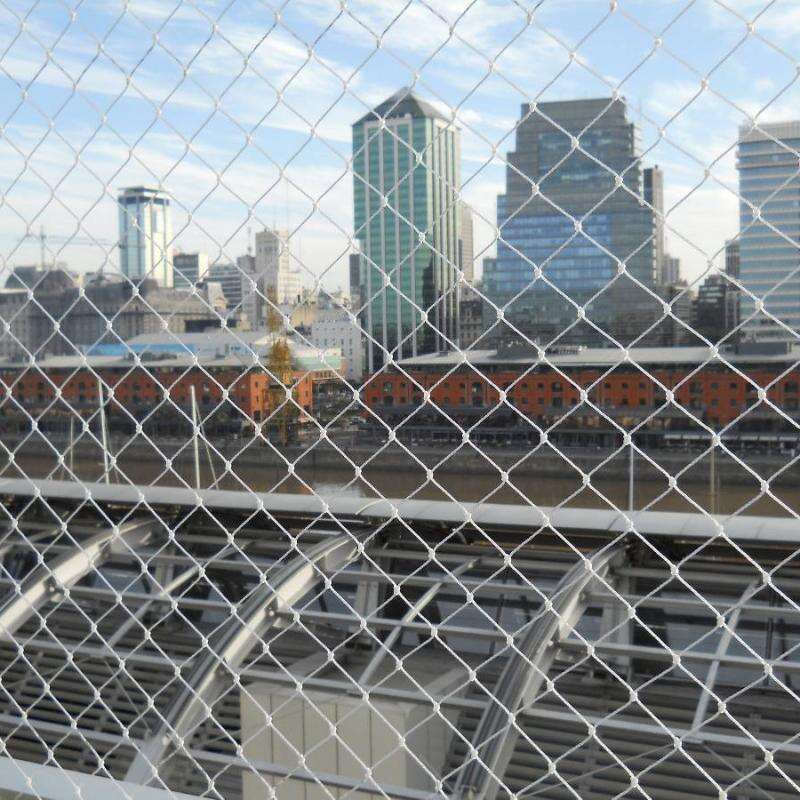
The remarkable versatility of nylon monofilament safety nets enables their successful deployment across an unprecedented range of industrial, commercial, and institutional applications where traditional safety solutions prove inadequate or impractical. Construction sites benefit enormously from these nets because they provide reliable fall protection while allowing air circulation and maintaining visibility for supervisors monitoring work progress. The lightweight nature of monofilament construction enables rapid deployment around scaffolding, building perimeters, and temporary structures without requiring heavy equipment or extensive labor resources. Sports facilities utilize these nets for spectator protection in baseball stadiums, tennis courts, and golf driving ranges where the transparent characteristics allow unobstructed viewing while providing essential safety barriers against errant balls and equipment. Marine applications include cargo securing systems, deck safety barriers, and equipment protection nets that must withstand saltwater exposure, high winds, and constant UV radiation that would quickly destroy conventional safety materials. Warehouse and distribution centers employ these nets for inventory protection, creating secure storage areas, and preventing items from falling into work areas below elevated storage systems. The customizable mesh sizes accommodate different inventory types while maintaining security and accessibility requirements. Entertainment venues including concert halls, theaters, and outdoor festival sites use these nets for crowd control and performer protection applications where traditional barriers would obstruct sight lines and create safety hazards. Industrial manufacturing facilities implement these safety nets around machinery, conveyor systems, and production lines where worker protection is essential but operational access must be maintained. The chemical resistance of nylon monofilament makes these applications practical even in environments with exposure to cleaning solvents, lubricants, and process chemicals. Airport ground operations utilize these nets for equipment securing, debris containment, and perimeter security where FAA regulations require materials that will not create additional hazards in high-wind conditions. Agricultural applications include crop protection, livestock barrier systems, and equipment securing during transport operations. The UV resistance ensures these nets maintain effectiveness throughout entire growing seasons without degradation that would compromise their protective function. Research facilities and laboratories employ these nets for containment systems and safety barriers where traditional materials might interfere with sensitive equipment or create contamination risks.
 EN
EN