fall protection safety net
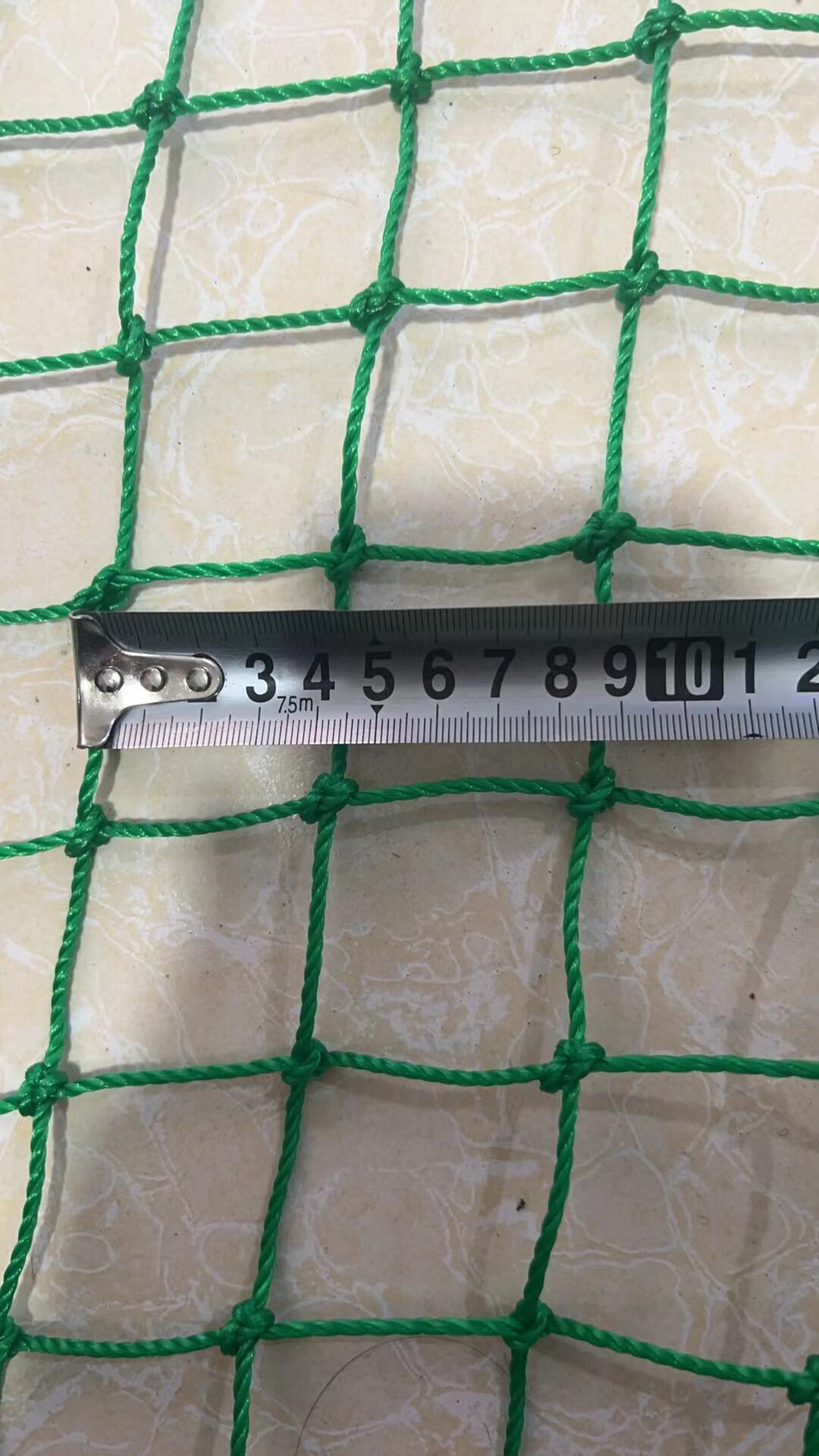
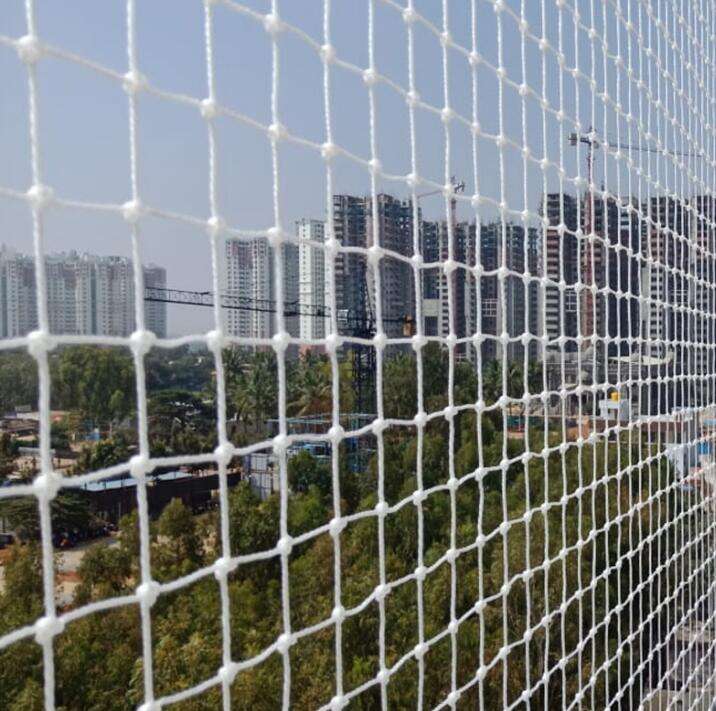
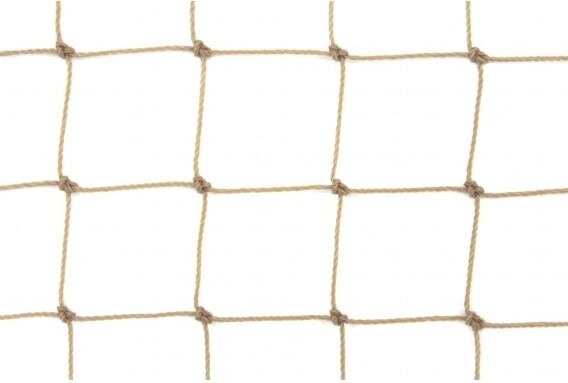
A fall protection safety net represents a critical component in modern workplace safety systems, designed to catch and protect workers who may accidentally fall from elevated positions during construction, maintenance, or industrial operations. This essential safety equipment serves as a passive protection system that requires no action from the worker to be effective, making it an invaluable tool for preventing serious injuries and fatalities in high-risk environments. The fall protection safety net operates on the fundamental principle of creating a reliable barrier that can absorb and distribute the impact forces generated when a person falls, effectively reducing the potential for severe trauma. These specialized nets are engineered using high-strength synthetic materials, typically polypropylene or polyethylene fibers, which are woven into precise mesh patterns that provide optimal strength-to-weight ratios. The technological features of modern fall protection safety nets include advanced UV stabilization treatments that prevent degradation from prolonged sun exposure, ensuring long-term durability and reliability in outdoor applications. The mesh construction incorporates specific opening sizes that balance safety effectiveness with debris management, preventing both human falls and the accumulation of construction materials that could compromise the net's integrity. Installation systems for fall protection safety nets utilize robust mounting hardware and tensioning mechanisms that distribute loads across multiple anchor points, creating a comprehensive safety envelope beneath work areas. These nets find extensive applications across various industries, including residential and commercial construction projects, bridge maintenance operations, industrial facility repairs, and entertainment venue installations. The versatility of fall protection safety nets makes them suitable for both temporary and permanent installations, with modular designs that can be customized to fit irregular shapes and varying site conditions. Professional installation teams ensure proper positioning and tensioning to maximize protective coverage while maintaining compliance with occupational safety regulations and industry standards.
 EN
EN