stair safety net
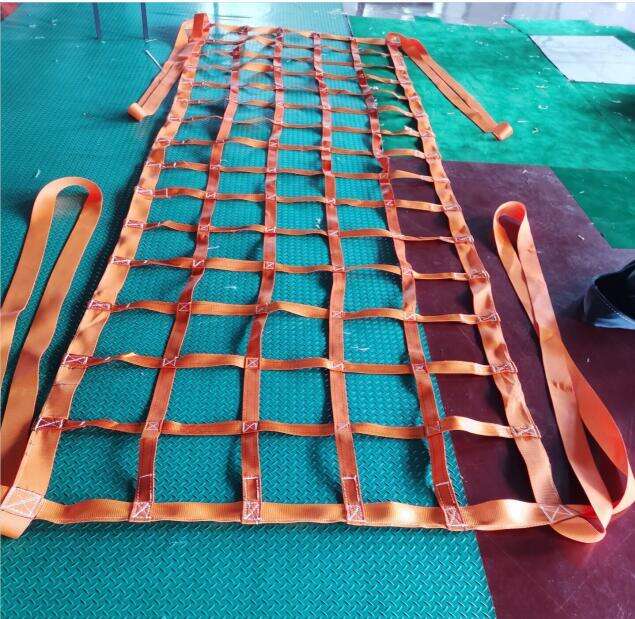
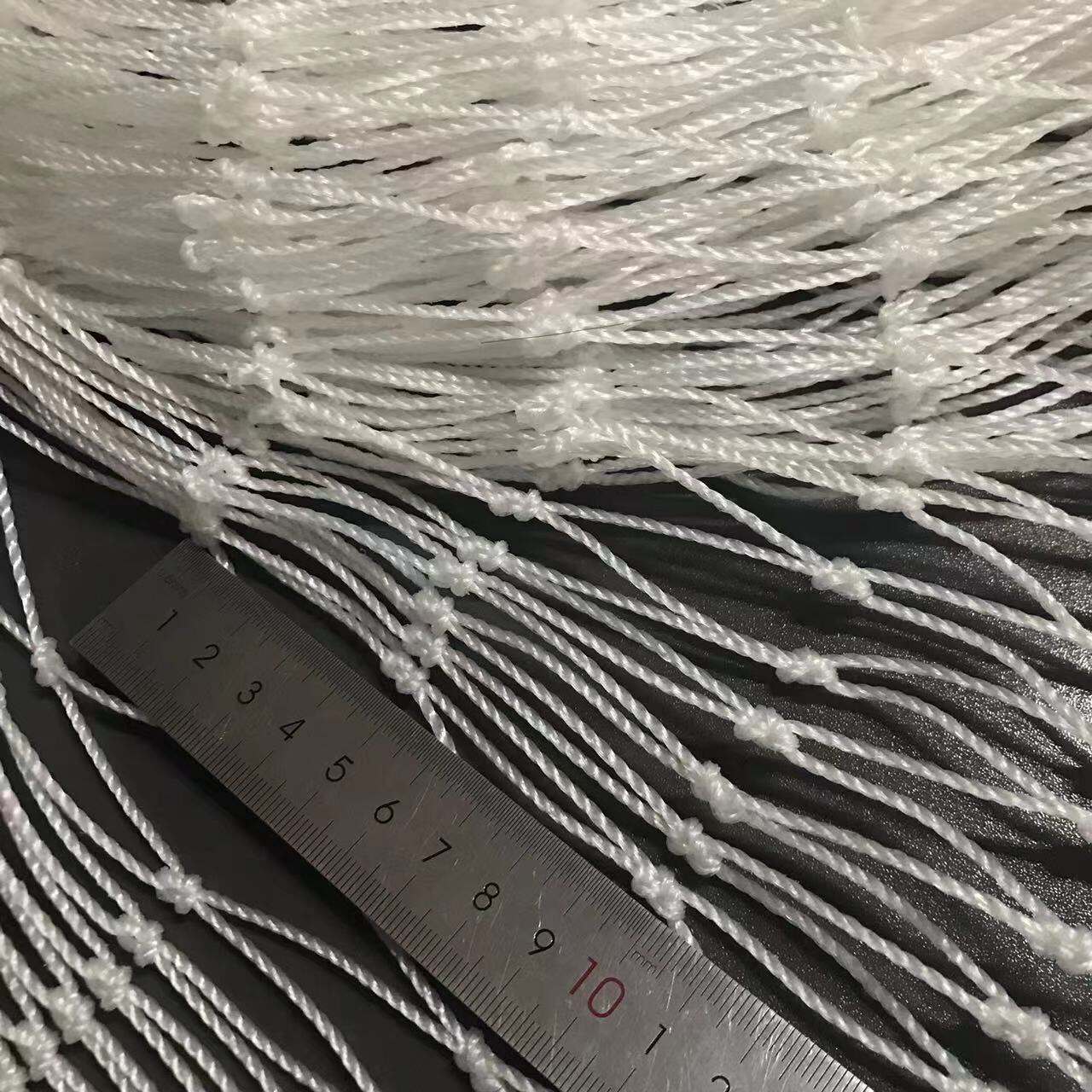
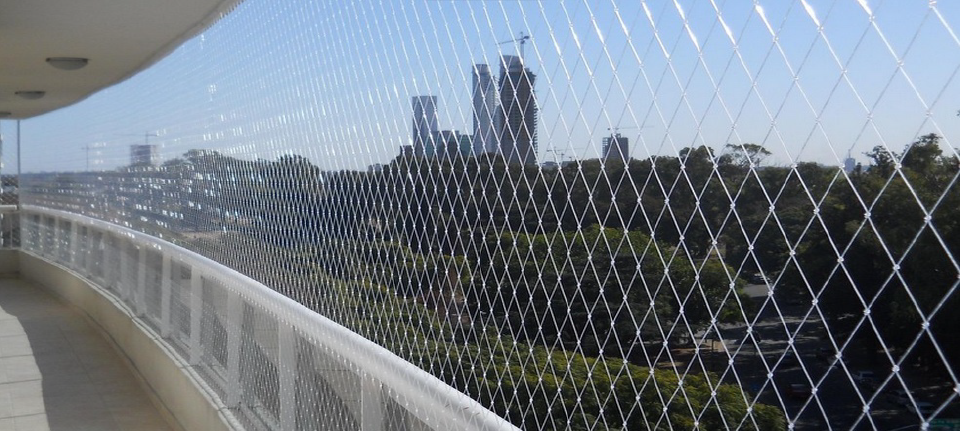
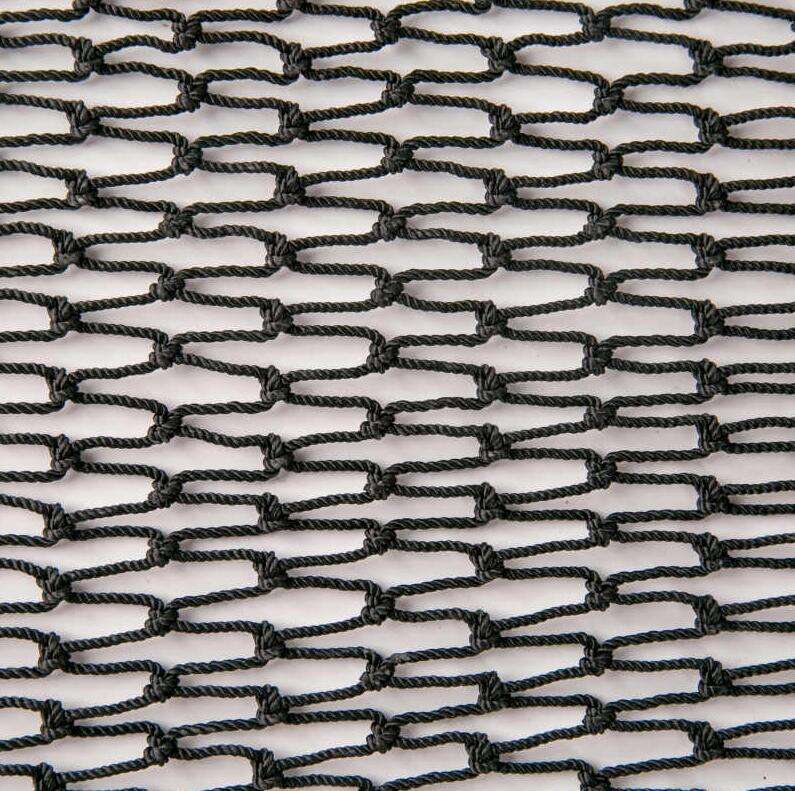
A stair safety net represents a crucial protective barrier system specifically engineered to prevent accidents and minimize injury risks on staircases and elevated platforms. This innovative safety solution combines advanced materials with practical design principles to create a reliable protective barrier that serves multiple functions across residential, commercial, and industrial environments. The primary function of a stair safety net involves creating a physical barrier that prevents people from falling through openings or over edges while navigating stairways. The net structure utilizes high-strength synthetic fibers, typically made from nylon, polyethylene, or polypropylene materials, which offer exceptional durability and weather resistance. These materials undergo rigorous testing to ensure they can withstand significant impact forces while maintaining their structural integrity over extended periods. The technological features of modern stair safety net systems include UV-resistant treatments that prevent degradation from sunlight exposure, antimicrobial coatings that resist mold and bacteria growth, and flame-retardant properties that enhance fire safety compliance. The mesh design incorporates precise opening sizes that prevent limbs from passing through while maintaining visibility and airflow. Advanced manufacturing techniques ensure consistent knot strength and uniform mesh tension throughout the entire net structure. Installation systems feature corrosion-resistant hardware components, including stainless steel mounting brackets, tensioning devices, and quick-release mechanisms that facilitate easy maintenance access. Applications for stair safety net systems span diverse sectors, from residential homes with open staircases to industrial facilities with complex multi-level structures. Construction sites frequently deploy these nets as temporary safety measures during building phases, while permanent installations serve recreational facilities, educational institutions, and healthcare environments. The versatility of these systems allows for customization based on specific architectural requirements, load-bearing specifications, and aesthetic preferences, making them suitable for both functional safety applications and decorative purposes where traditional railings may not be appropriate or desired.
 EN
EN