long lasting insecticidal nets llins
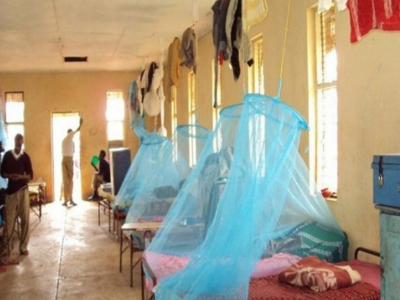
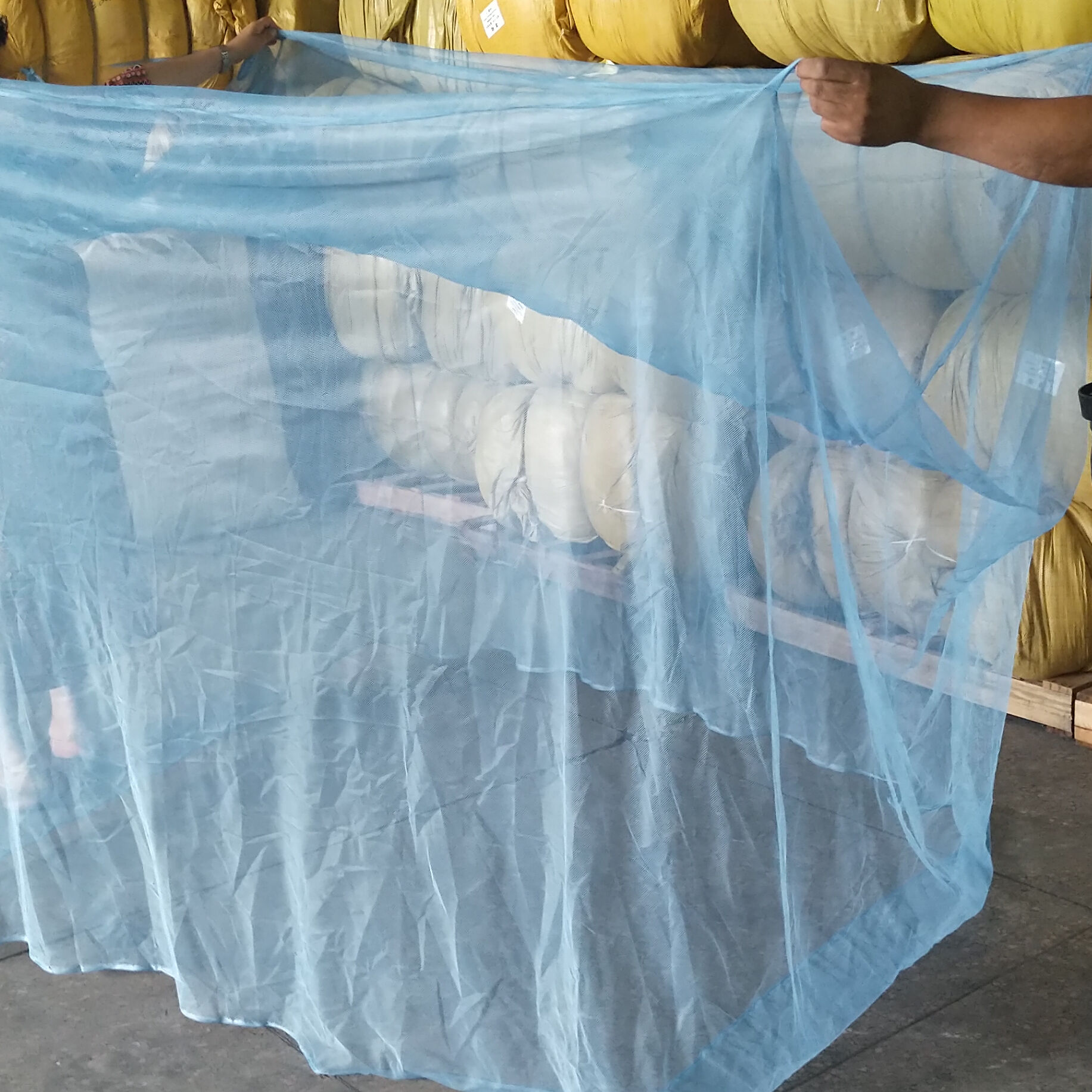
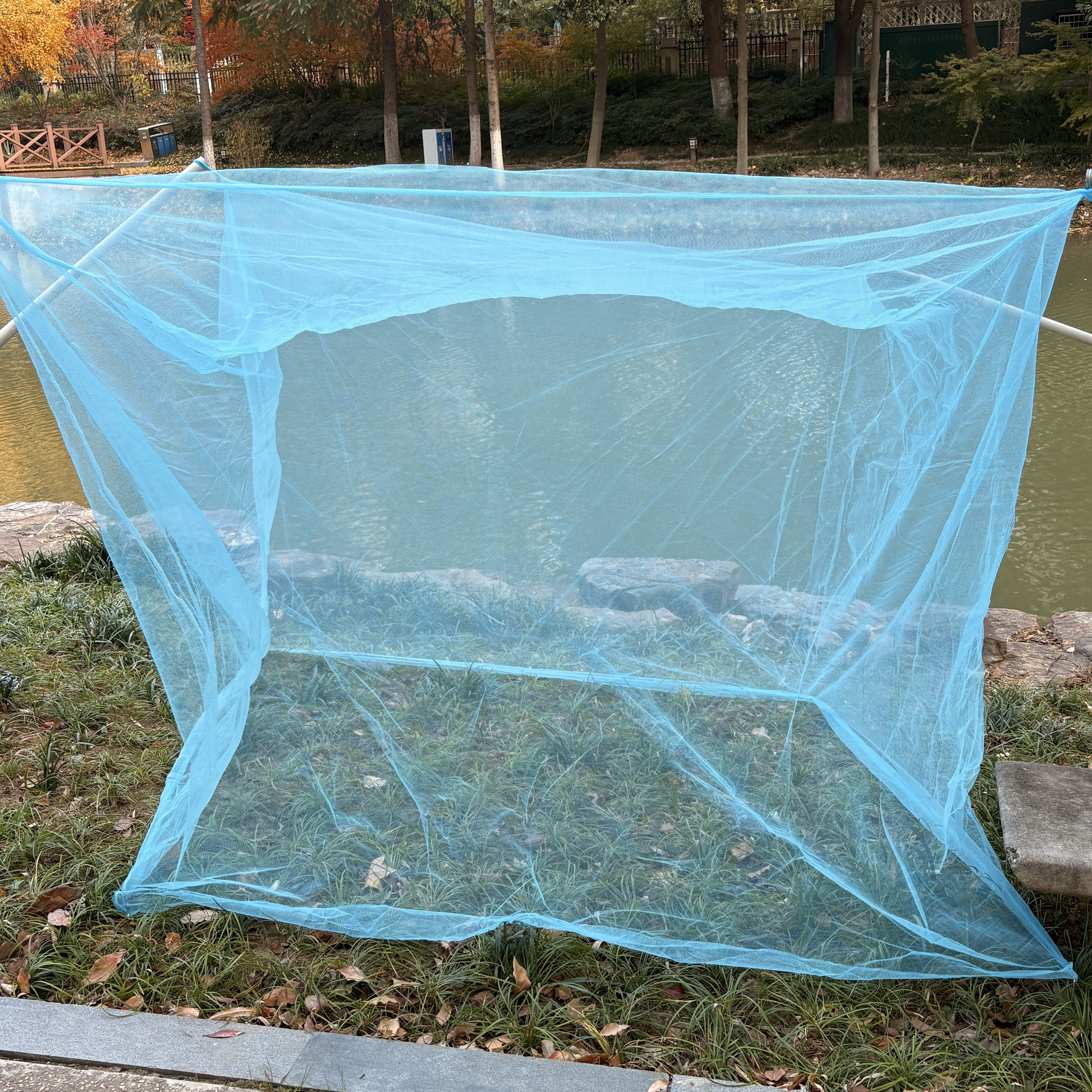
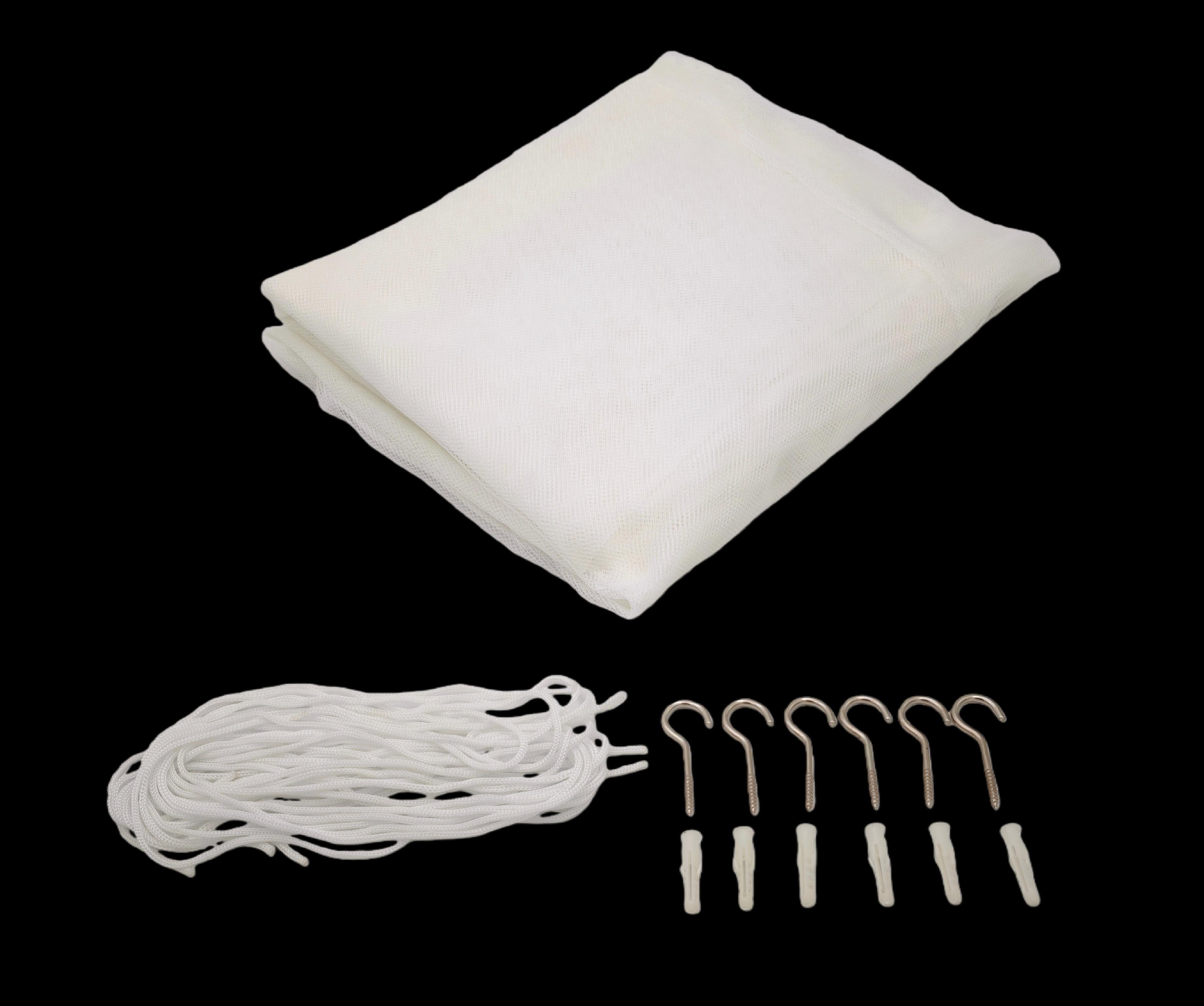
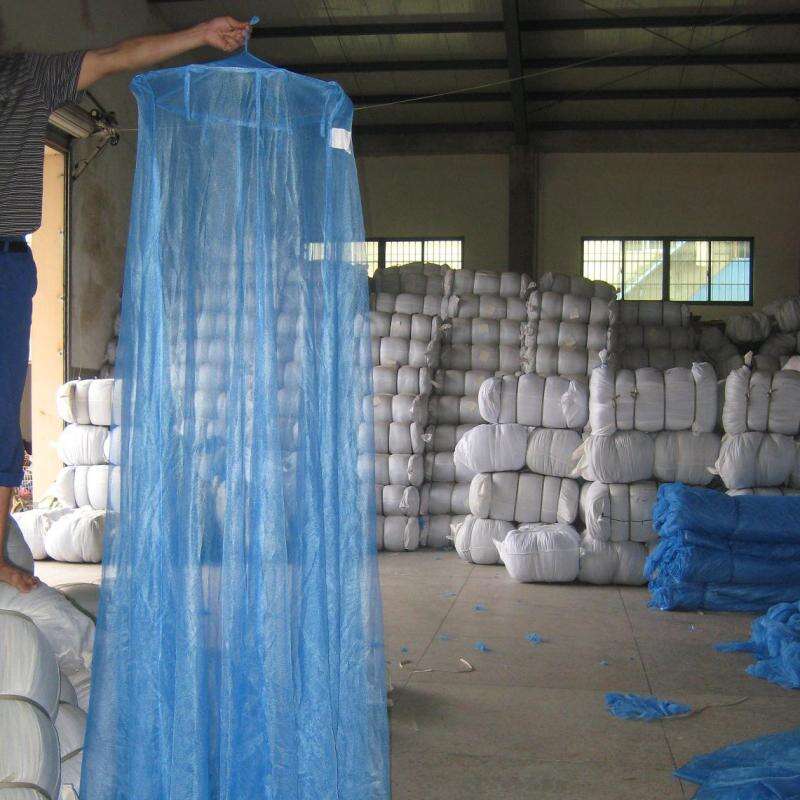
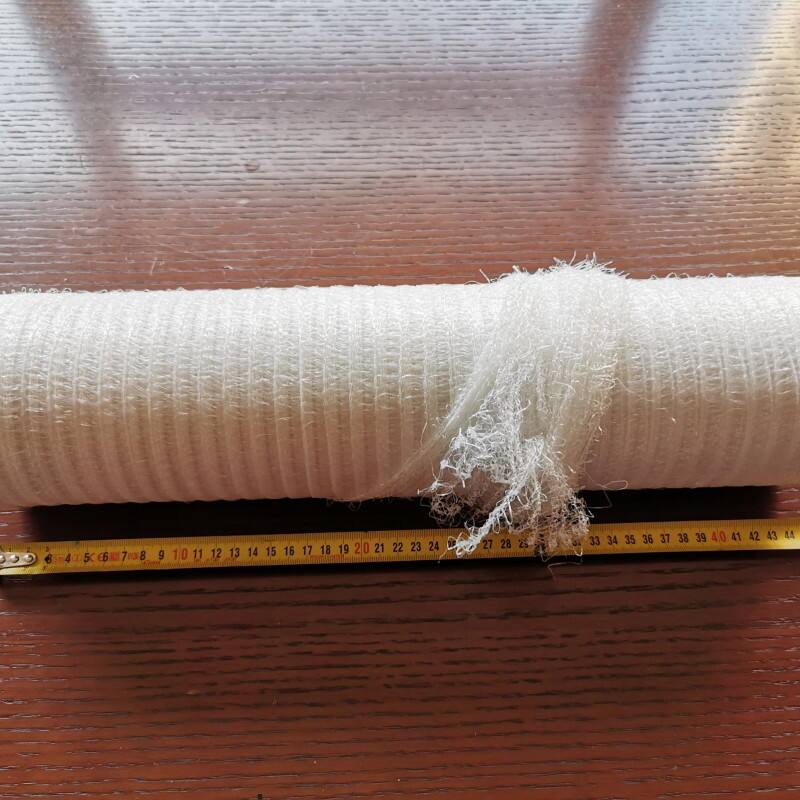
Long lasting insecticidal nets llins represent a revolutionary advancement in malaria prevention technology, designed to provide extended protection against disease-carrying mosquitoes for communities worldwide. These innovative bed nets incorporate powerful insecticides directly into the fabric fibers, creating a protective barrier that remains effective for years without requiring retreatment. The primary function of long lasting insecticidal nets llins is to prevent mosquito bites during sleep hours when people are most vulnerable to malaria transmission. Unlike conventional bed nets that require regular chemical treatment, these nets maintain their insecticidal properties through multiple wash cycles and extended use periods. The technological foundation of long lasting insecticidal nets llins lies in advanced fiber engineering and controlled-release insecticide formulations. Manufacturers embed pyrethroid insecticides, such as permethrin or deltamethrin, directly into the polyester or polyethylene fibers during the production process. This integration ensures that the insecticide remains active on the net surface for at least three years under normal usage conditions. The nets feature a denier specification that balances durability with air permeability, ensuring comfortable sleep while maintaining structural integrity. Quality long lasting insecticidal nets llins undergo rigorous testing protocols including WHO evaluation processes to verify their efficacy and safety standards. Applications of these nets extend beyond individual household protection to encompass large-scale public health interventions, refugee camp distributions, and malaria elimination campaigns in endemic regions. Healthcare organizations, government agencies, and international development programs rely on long lasting insecticidal nets llins as cost-effective tools for reducing malaria incidence rates. The nets prove particularly valuable in sub-Saharan Africa, Southeast Asia, and other regions where malaria remains a significant health threat, providing 24-hour protection that extends beyond nighttime use.
 EN
EN