llin mosquito net price
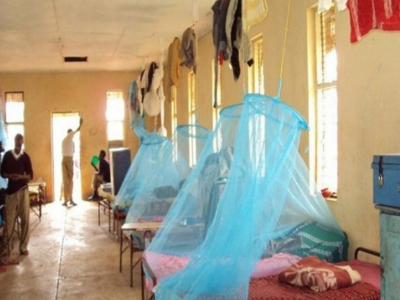
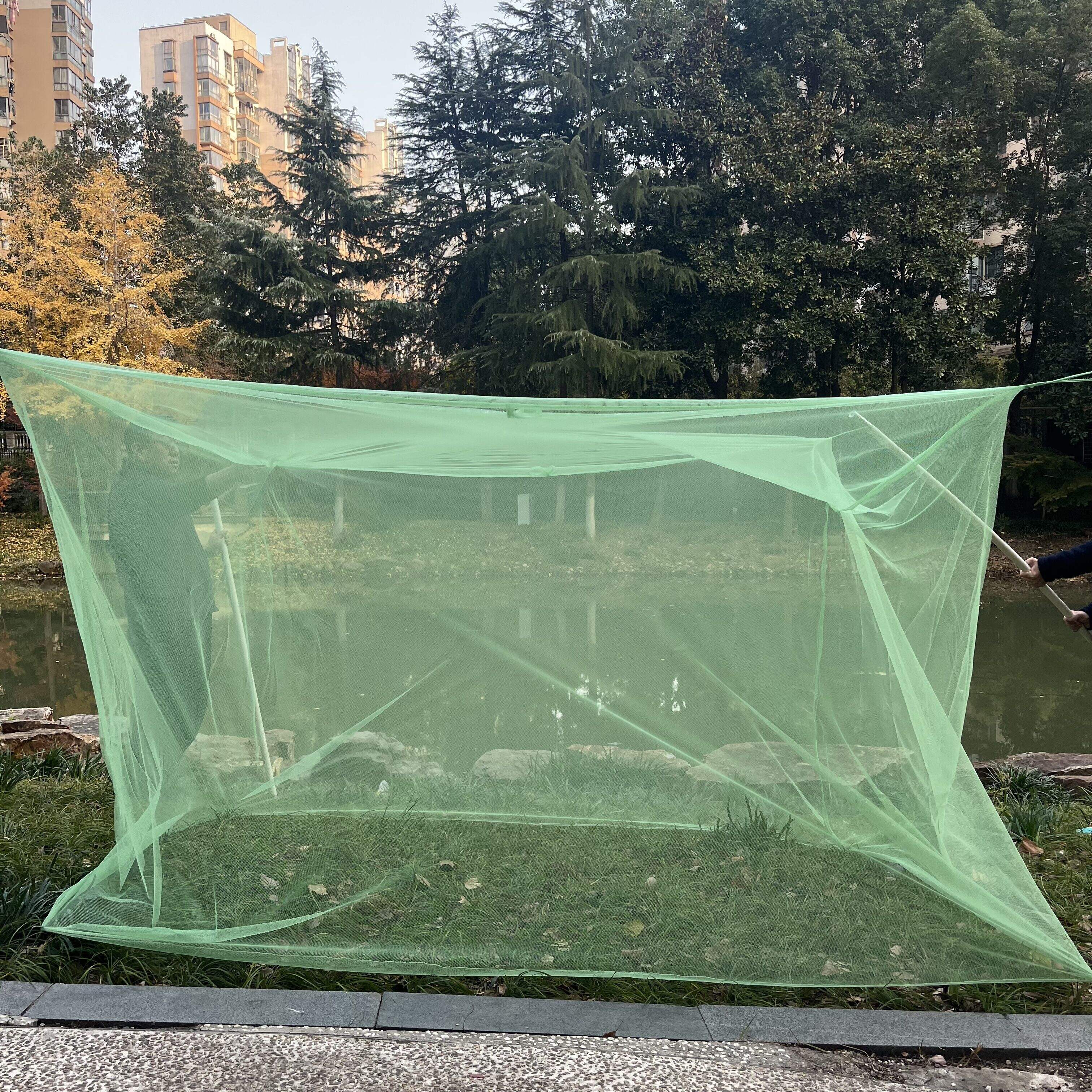
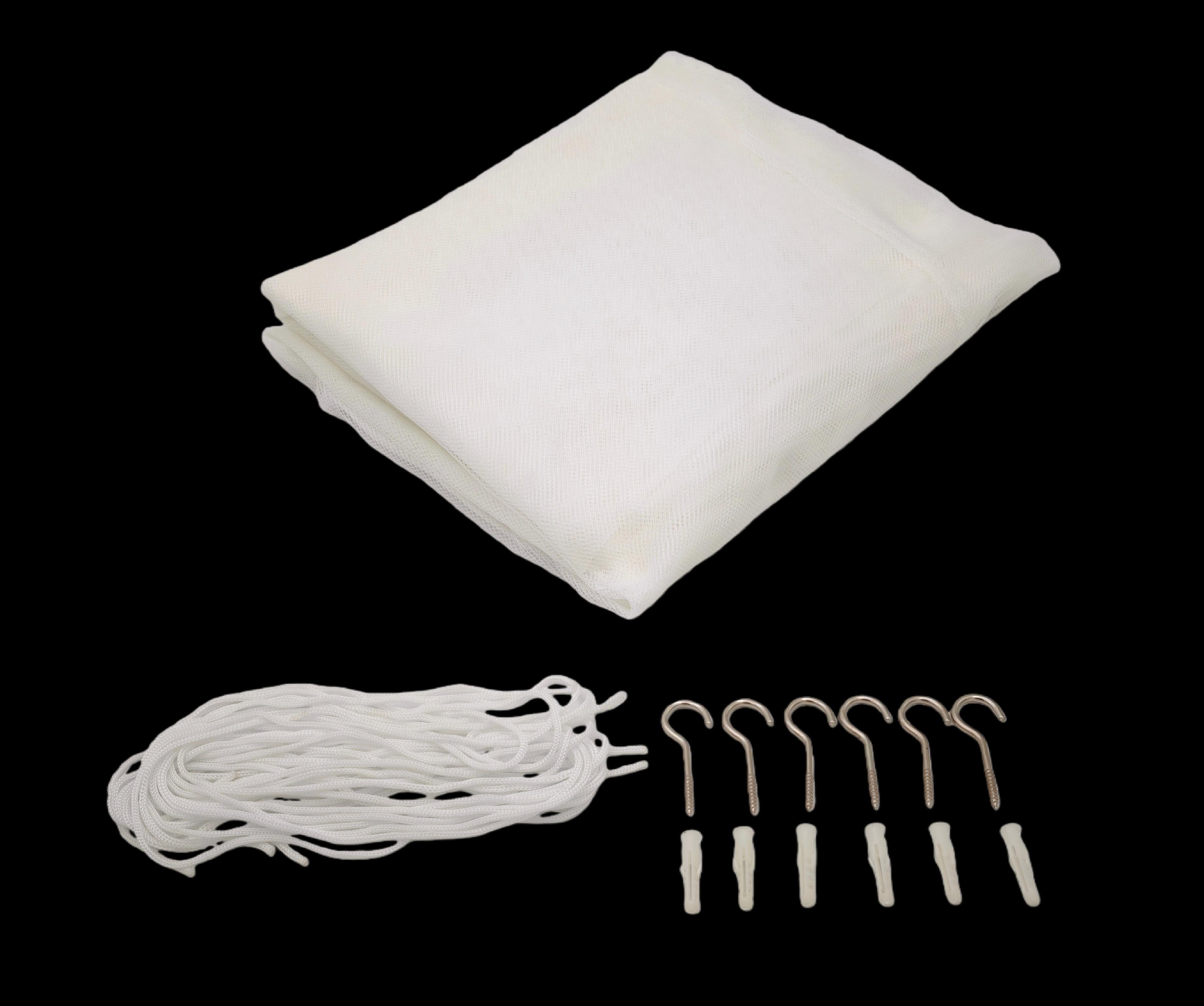
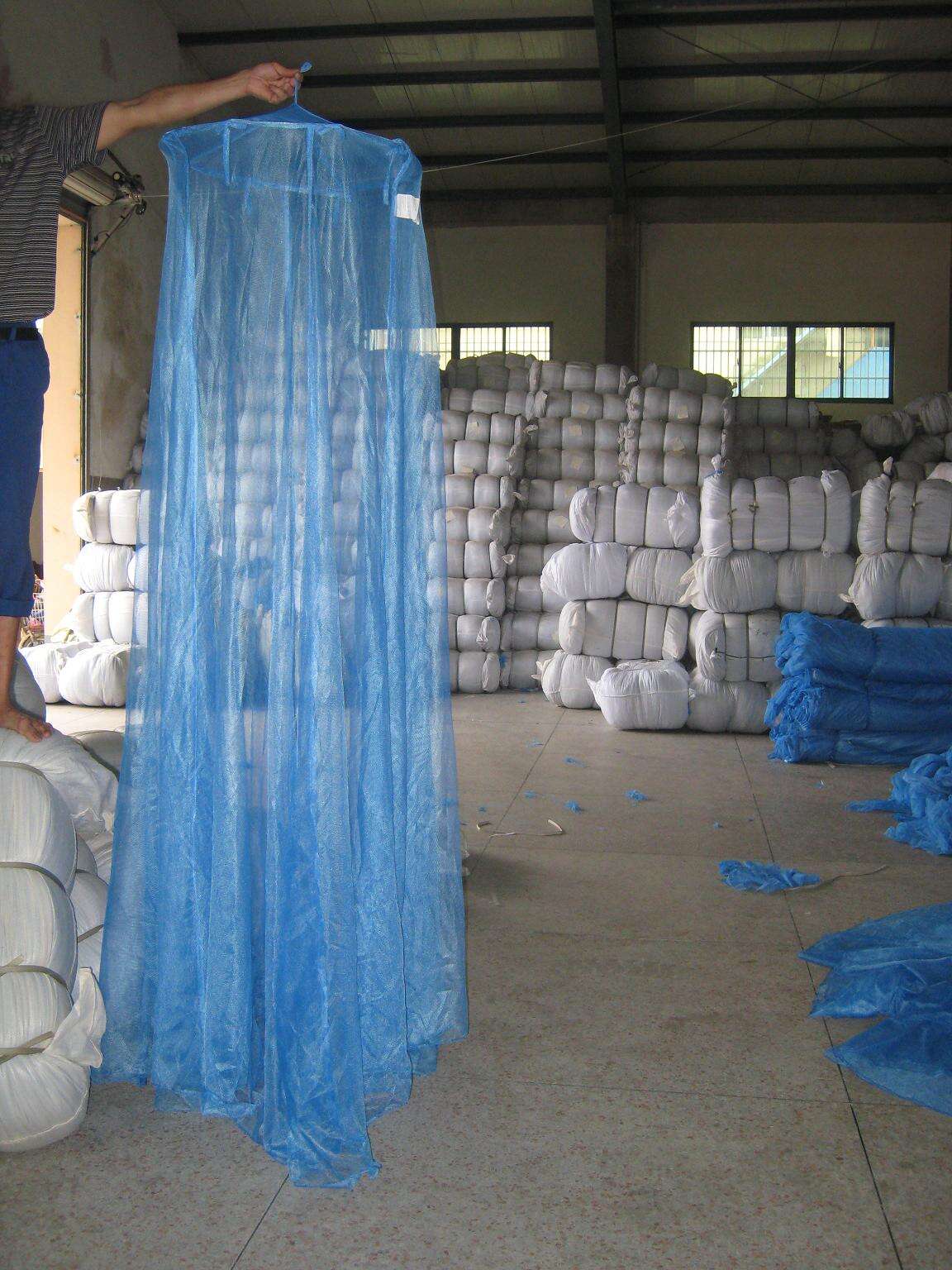
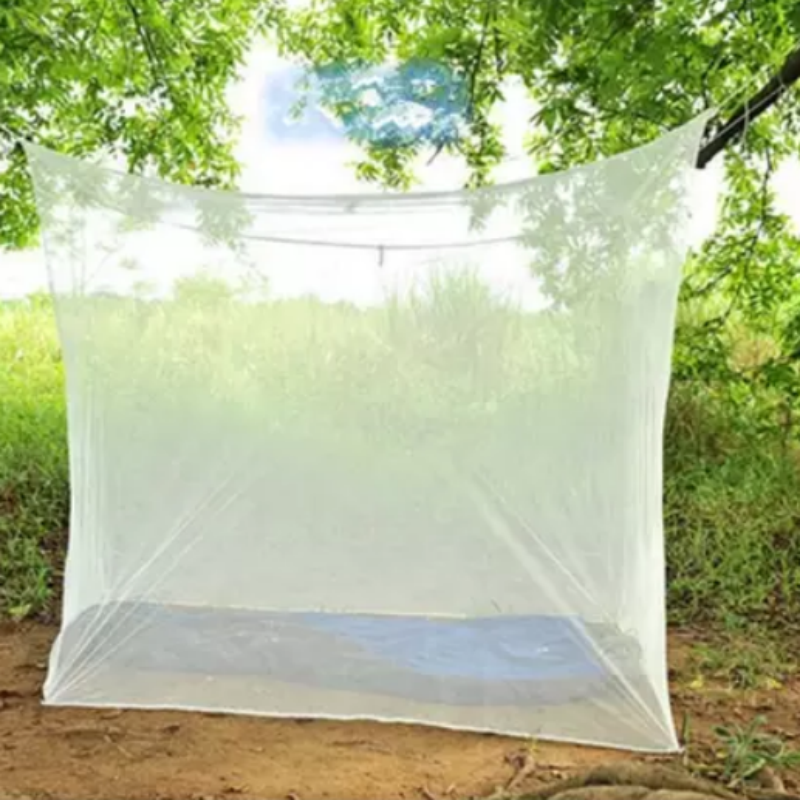
Long-lasting insecticidal nets (LLINs) represent a revolutionary advancement in malaria prevention technology, offering comprehensive protection against disease-carrying mosquitoes at competitive market prices. The llin mosquito net price reflects sophisticated manufacturing processes that incorporate cutting-edge insecticidal treatments directly into the net fibers, ensuring sustained effectiveness for multiple years. These innovative protective barriers combine traditional physical blocking mechanisms with chemical deterrent properties, creating dual-layer defense systems that significantly reduce mosquito-borne disease transmission rates. The llin mosquito net price structure accommodates various quality grades and specifications, making these essential health tools accessible to diverse economic segments worldwide. Manufacturing technologies behind LLINs involve specialized polyester or polyethylene materials treated with WHO-approved insecticides such as permethrin, deltamethrin, or alpha-cypermethrin. These chemical compounds maintain their potency for approximately three to five years under normal usage conditions, eliminating the need for frequent retreatment or replacement. The llin mosquito net price varies based on mesh density, durability ratings, insecticide concentration levels, and certification standards from international health organizations. Primary applications span residential households, refugee camps, military installations, healthcare facilities, and temporary accommodations in endemic regions. The nets feature standardized dimensions compatible with various bed sizes, including single, double, and family-size configurations. Advanced manufacturing techniques ensure uniform insecticide distribution throughout the fabric structure, preventing chemical degradation and maintaining consistent protective efficacy. The llin mosquito net price consideration includes bulk purchasing options for governmental health programs, non-profit organizations, and commercial distributors seeking cost-effective malaria prevention solutions. Quality assurance protocols guarantee compliance with World Health Organization specifications, ensuring optimal performance standards across different climatic conditions and usage patterns.
 EN
EN