industrial cargo nets
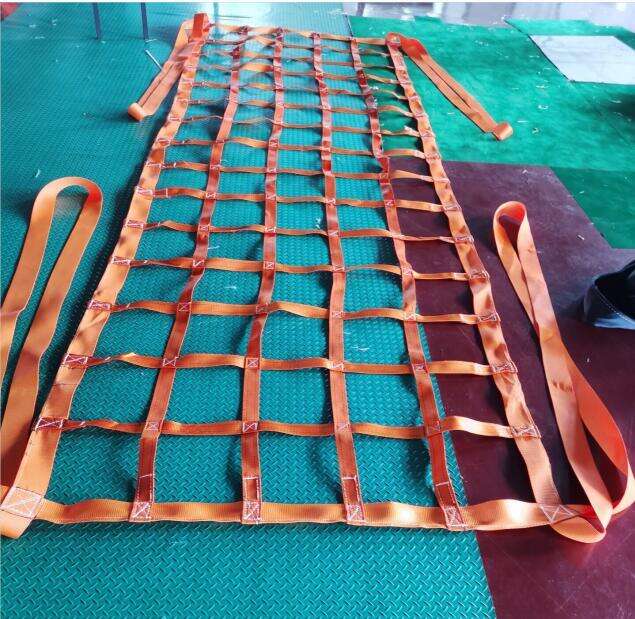
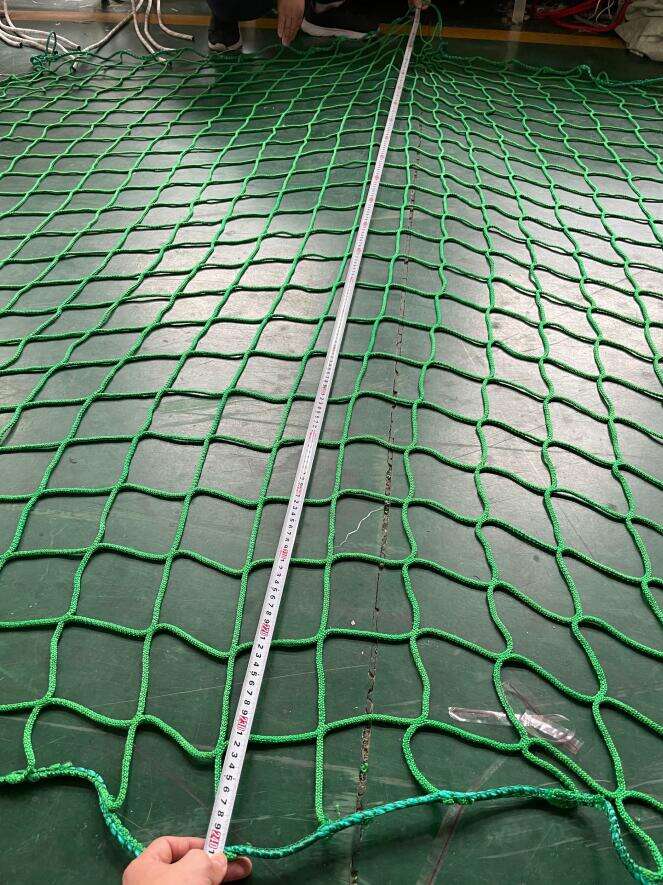
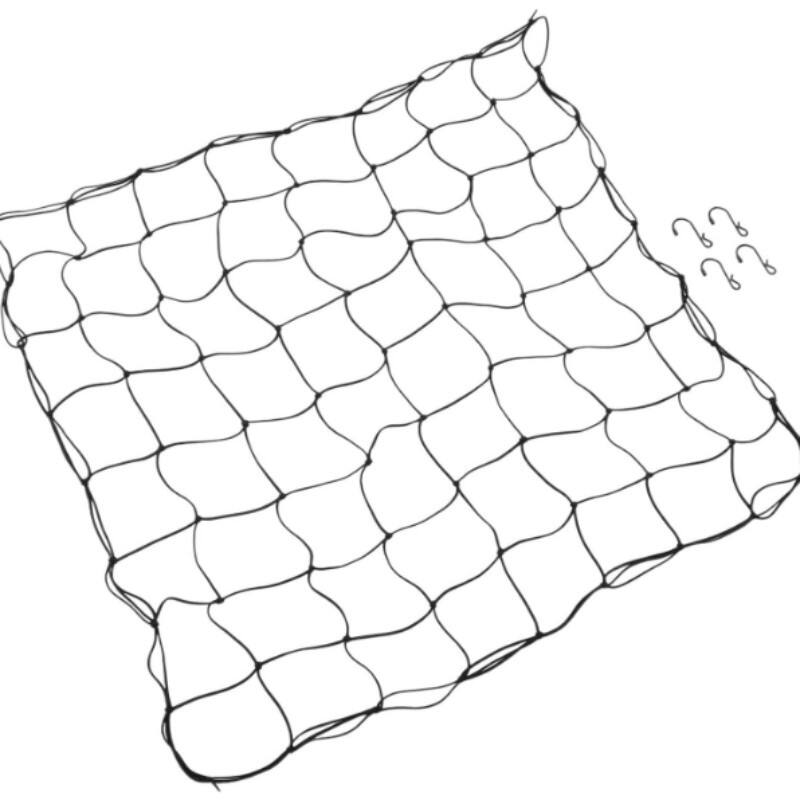
Industrial cargo nets represent a critical component in modern material handling and transportation systems, serving as versatile securing solutions across diverse sectors. These specialized nets are engineered to contain, stabilize, and protect cargo during transit, storage, and handling operations. Industrial cargo nets are manufactured using high-strength synthetic materials such as polypropylene, nylon, or polyester, designed to withstand extreme weather conditions, UV radiation, and mechanical stress. The primary function of these nets involves creating a flexible barrier that conforms to irregular load shapes while maintaining structural integrity. Their mesh construction allows air circulation, preventing moisture buildup that could damage sensitive materials. These nets feature reinforced edges with heavy-duty hardware including hooks, chains, or straps for secure attachment to various anchor points. The webbing pattern distributes weight evenly across the entire surface, reducing pressure points that might damage cargo. Industrial cargo nets accommodate loads ranging from lightweight packages to heavy machinery weighing several tons. Their elastic properties enable them to absorb shock and vibration during transportation, protecting fragile items from damage. The nets are available in multiple configurations including custom sizes, mesh densities, and attachment mechanisms to match specific application requirements. Quality industrial cargo nets undergo rigorous testing for tensile strength, abrasion resistance, and environmental durability. They comply with international safety standards and regulations governing cargo transportation. The installation process is straightforward, requiring minimal training and equipment. These nets can be quickly deployed and secured, reducing loading times and labor costs. Their reusable nature makes them an economical choice for businesses requiring frequent cargo transportation. Industrial cargo nets excel in outdoor applications where traditional rigid containers would be impractical or insufficient. They provide excellent visibility of cargo contents while maintaining security, facilitating inspection procedures without complete removal. The lightweight design minimizes additional weight burden on transportation vehicles, maximizing payload capacity and fuel efficiency.
 EN
EN