Premium Elastic Cargo Nets - Superior Load Security & Transportation Solutions

Get a Free Quote

Our representative will contact you soon.
Email
Name
Company Name
Mobile/WhatsApp
Message
0/1000

elastic cargo nets

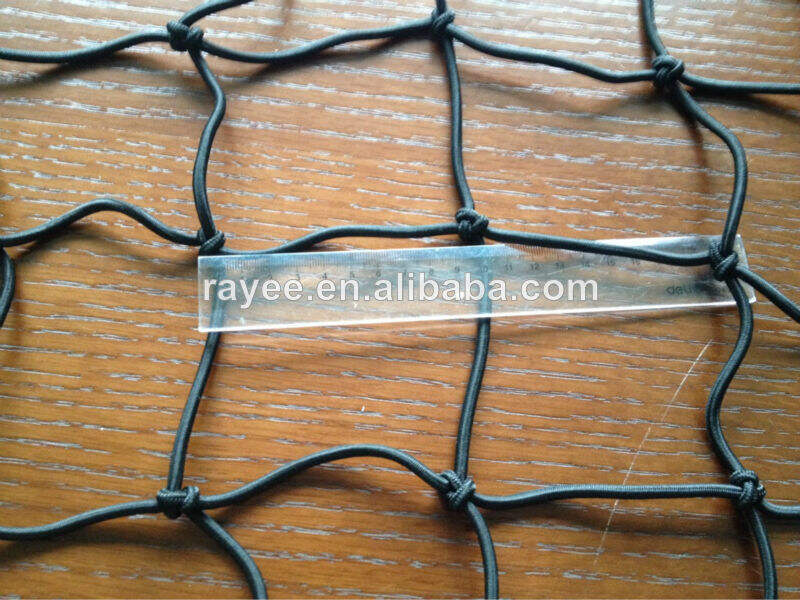
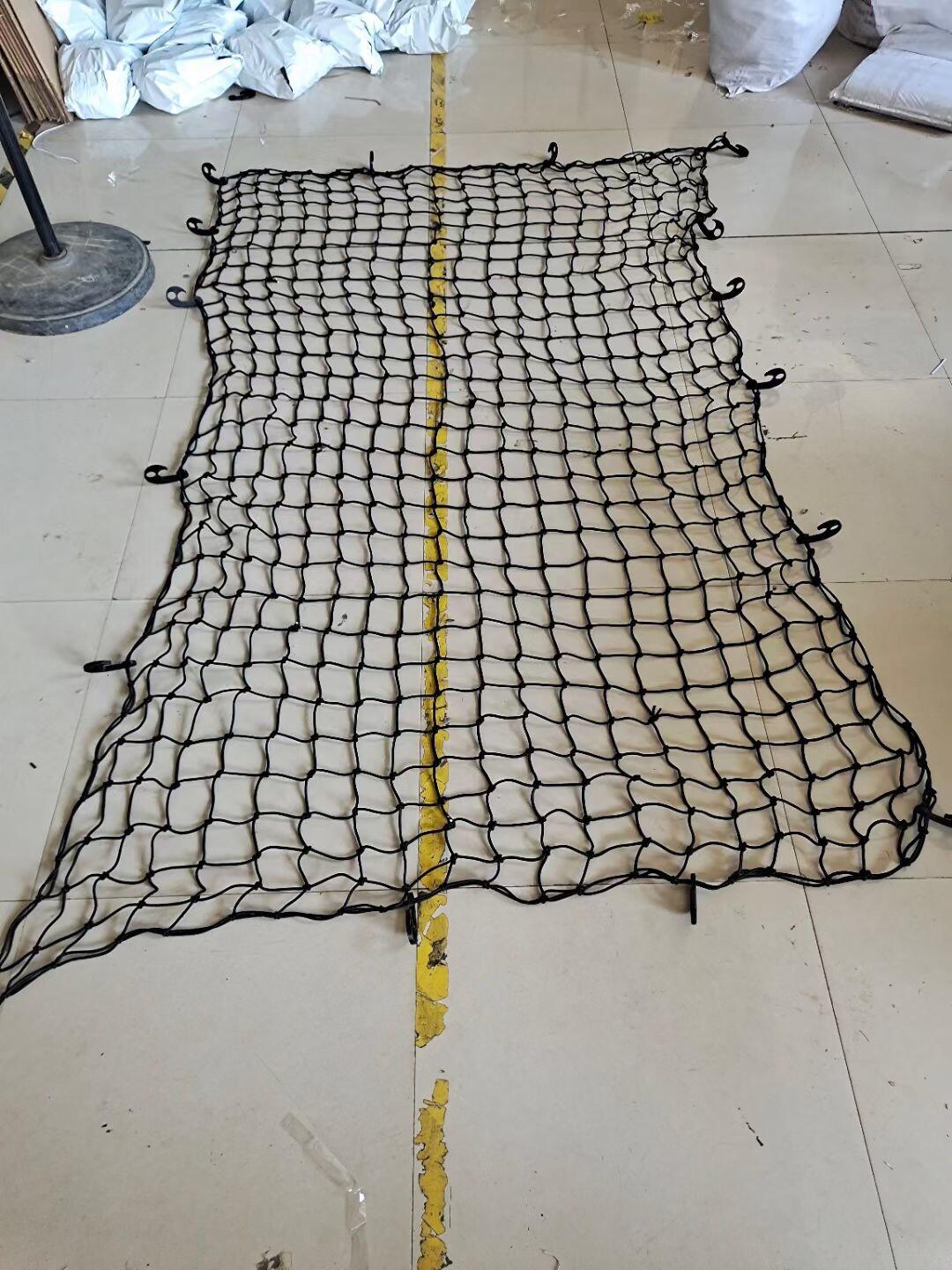
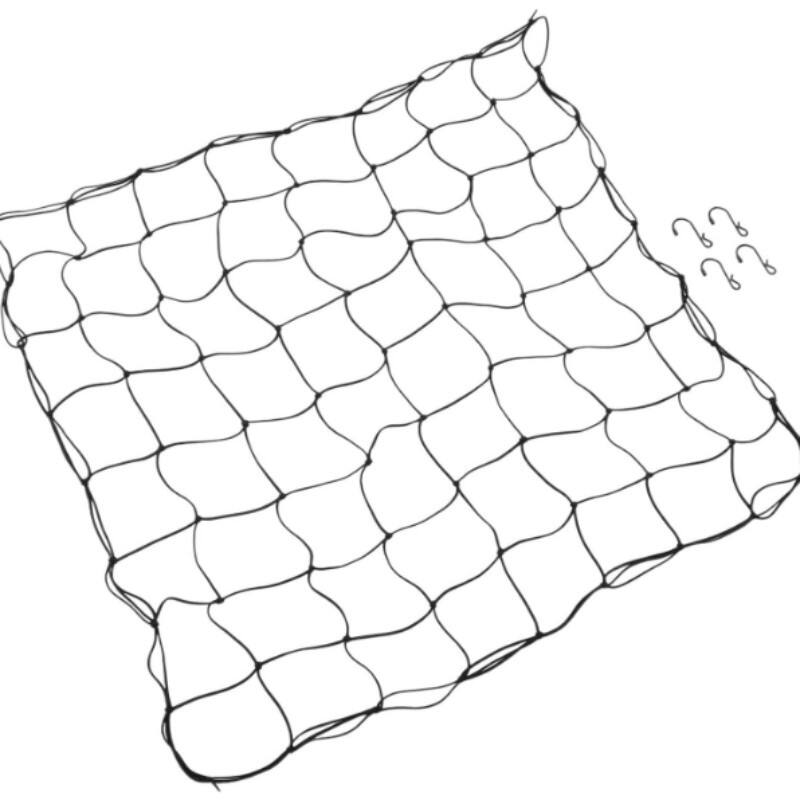
Elastic cargo nets represent a revolutionary solution for secure transportation and storage needs across multiple industries. These versatile restraint systems combine the strength of traditional cargo netting with the adaptive flexibility of elastic materials, creating an innovative product that responds dynamically to varying load conditions. Manufactured using high-grade synthetic materials such as polypropylene webbing integrated with elasticized components, elastic cargo nets provide superior load retention capabilities while accommodating dimensional changes during transport. The primary function of elastic cargo nets involves securing irregularly shaped items, preventing cargo movement during vehicle acceleration, deceleration, and cornering maneuvers. These nets excel in applications where traditional rigid restraints prove inadequate, offering continuous tension adjustment that maintains optimal load security throughout the journey. The technological foundation relies on engineered stretch ratios that allow controlled expansion while maintaining structural integrity under stress. Advanced weaving techniques create uniform tension distribution across the entire net surface, eliminating weak points that could compromise cargo security. The elastic properties enable these nets to conform to various load shapes, from cylindrical objects to angular equipment, ensuring comprehensive coverage and protection. Professional logistics companies utilize elastic cargo nets for securing equipment, furniture, automotive parts, and construction materials. Military and emergency services depend on these nets for rapid deployment scenarios where quick, reliable cargo restraint is essential. Marine applications benefit from the corrosion-resistant properties and ability to withstand harsh environmental conditions. Agricultural operations use elastic cargo nets for securing harvested crops, hay bales, and farming equipment during transport. The manufacturing process incorporates UV-resistant additives that prevent degradation from prolonged sunlight exposure, ensuring long-term durability in outdoor applications. Quality control measures include tensile strength testing, elasticity retention verification, and environmental resistance validation, guaranteeing consistent performance standards across all production batches.

New Product Recommendations

Elastic cargo nets deliver substantial benefits that transform cargo handling operations across diverse industries. The primary advantage stems from their adaptive tensioning capability, which automatically adjusts to load variations during transport, eliminating the need for frequent manual readjustments that plague traditional securing methods. This self-adjusting feature significantly reduces labor costs and minimizes potential cargo damage from inadequate restraint tension. Unlike rigid restraint systems, elastic cargo nets distribute pressure evenly across cargo surfaces, preventing concentration points that could cause dents, scratches, or structural damage to valuable items. The installation process requires minimal time and effort, allowing operators to secure loads quickly without specialized training or complex hardware configurations. Transportation efficiency improves dramatically as elastic cargo nets accommodate mixed loads with varying dimensions within a single securing operation, maximizing vehicle capacity utilization. The lightweight design contributes to overall payload optimization, enabling transport of additional cargo weight compared to heavier securing alternatives. Durability testing demonstrates superior longevity under repeated stretch cycles, providing excellent return on investment through extended service life. Weather resistance properties ensure reliable performance across temperature extremes, from arctic conditions to tropical environments, maintaining elasticity and strength characteristics regardless of climate challenges. Storage requirements are minimal due to the compact folding capability, allowing efficient warehouse organization and reducing storage costs. Maintenance demands are virtually non-existent, as the synthetic materials resist degradation, mildew, and pest damage that affect natural fiber alternatives. The versatile attachment system accommodates various anchor points, including tie-down loops, rail systems, and structural mounting points, providing compatibility with diverse vehicle types and cargo configurations. Cost-effectiveness becomes evident through reduced cargo damage claims, decreased labor expenses, and extended replacement intervals compared to traditional restraint methods. Safety improvements result from consistent tension maintenance, reducing the risk of load shifts that could cause accidents or vehicle instability during transport operations.

Practical Tips

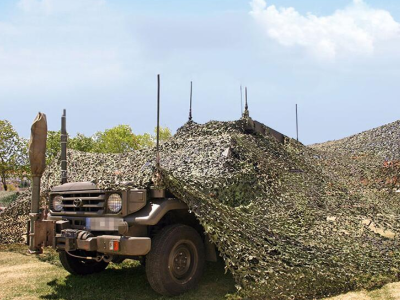
From Battlefield to Backyard: The European Embrace of Camouflage Nets for Stylish Shade and Design

14

Nov

From Battlefield to Backyard: The European Embrace of Camouflage Nets for Stylish Shade and Design

View More
The Unseen Shield: How Mosquito Nets Remain a Cornerstone of Global Public Health

14

Nov

The Unseen Shield: How Mosquito Nets Remain a Cornerstone of Global Public Health

View More
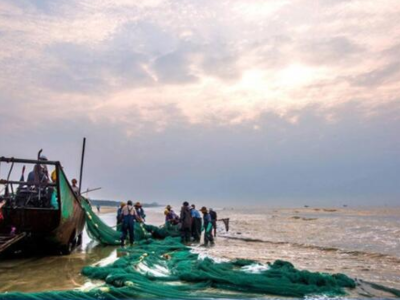
Casting a Sustainable Future How Innovation in Fishing Nets is Protecting Our Oceans

08

Dec

Casting a Sustainable Future How Innovation in Fishing Nets is Protecting Our Oceans

View More
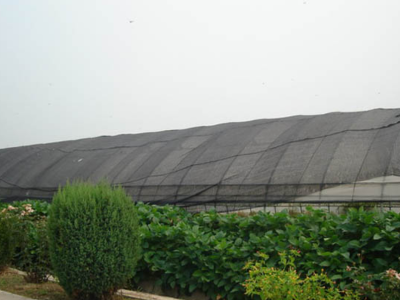
The Technological Revolution in Agricultural Nets for a Hungry Planet

14

Nov

The Technological Revolution in Agricultural Nets for a Hungry Planet

View More

Get a Free Quote

Our representative will contact you soon.
Email
Name
Company Name
Mobile/WhatsApp
Message
0/1000

elastic cargo nets

Superior Adaptive Tension Technology

Superior Adaptive Tension Technology

The revolutionary adaptive tension technology embedded within elastic cargo nets represents a breakthrough in cargo restraint engineering that fundamentally changes how loads are secured during transportation. This sophisticated system automatically responds to dynamic forces encountered during vehicle movement, including acceleration, braking, cornering, and road surface irregularities, maintaining optimal restraint pressure without manual intervention. The engineering principle behind this technology involves precisely calibrated elastic properties that provide controlled stretch characteristics, allowing the net to expand and contract in response to load movement while preventing excessive displacement that could compromise cargo security. Advanced polymer science contributes to the development of elasticized components that retain their tension properties through thousands of stretch cycles, ensuring consistent performance throughout the product lifespan. The adaptive mechanism eliminates the common problem of strap loosening that affects traditional securing methods, where initial tension gradually decreases due to load settling and material stretch, requiring frequent retightening to maintain security. Professional testing demonstrates that elastic cargo nets maintain effective restraint force even when loads shift slightly during transport, automatically compensating for dimensional changes without compromising overall security. This technology proves particularly valuable when securing irregularly shaped items or mixed loads with varying densities, as the net conforms to different contours while maintaining uniform pressure distribution. The economic benefits of adaptive tension technology become evident through reduced labor costs, as operators spend less time adjusting and monitoring cargo restraints during long-distance transport operations. Quality assurance protocols verify that the adaptive tension system performs consistently across temperature ranges, ensuring reliable operation in diverse environmental conditions. The technology also contributes to cargo protection by preventing over-tensioning that could damage delicate items while maintaining sufficient restraint force to prevent movement of heavy objects.
Exceptional Durability and Weather Resistance

Exceptional Durability and Weather Resistance

The exceptional durability and comprehensive weather resistance of elastic cargo nets establish them as the premier choice for demanding transportation environments where reliability cannot be compromised. Advanced material engineering incorporates high-strength synthetic fibers that resist degradation from ultraviolet radiation, moisture, temperature fluctuations, and chemical exposure, ensuring consistent performance across diverse operational conditions. The manufacturing process utilizes solution-dyed polypropylene webbing that integrates color throughout the fiber structure, preventing fading and maintaining professional appearance even after extended outdoor exposure. Specialized additives enhance resistance to ozone, salt spray, and industrial chemicals commonly encountered in transportation environments, protecting the structural integrity of both the webbing and elastic components. Rigorous testing protocols subject elastic cargo nets to accelerated aging procedures that simulate years of real-world use, validating long-term performance characteristics under extreme conditions. The elastic elements incorporate stabilizers that prevent polymer degradation from repeated stretching, maintaining consistent tension properties throughout the product lifecycle. Water resistance prevents moisture absorption that could add weight, promote bacterial growth, or compromise structural strength, making these nets suitable for marine applications and humid environments. Temperature stability testing confirms that elastic cargo nets maintain flexibility and strength across a broad range from arctic conditions to desert heat, ensuring reliable operation regardless of climate challenges. The corrosion-resistant hardware components utilize stainless steel or specially coated materials that withstand salt air, road chemicals, and industrial environments without degradation. Abrasion resistance testing demonstrates superior performance against rough cargo surfaces and repeated contact with vehicle structures, preventing premature wear that affects traditional restraint systems. Quality control measures include batch testing for tensile strength retention, elasticity maintenance, and environmental resistance, ensuring that each product meets stringent durability standards. The investment value of durable elastic cargo nets becomes apparent through extended replacement intervals, reduced maintenance requirements, and consistent performance reliability that minimizes operational disruptions and costly cargo damage incidents.
Versatile Multi-Industry Applications

Versatile Multi-Industry Applications

The remarkable versatility of elastic cargo nets enables their successful deployment across an extensive range of industries and applications, demonstrating their adaptability to diverse cargo securing challenges that would be difficult to address with conventional restraint systems. Logistics and freight transportation companies leverage these nets for securing palletized goods, automotive parts, appliances, and furniture, appreciating their ability to accommodate irregular shapes while maintaining professional load presentation. Construction industries utilize elastic cargo nets for transporting building materials, tools, and equipment to job sites, where the rapid deployment capability and secure retention properties prove essential for maintaining project schedules. Military and defense applications rely on these nets for securing tactical equipment, supplies, and vehicles during rapid deployment scenarios, where reliability and quick installation are critical operational requirements. Marine transportation benefits from the corrosion-resistant properties and ability to withstand harsh saltwater environments, making elastic cargo nets ideal for securing equipment on deck or in cargo holds. Agricultural operations employ these nets for securing hay bales, harvested crops, and farming equipment during field-to-storage transport, where the nets must withstand outdoor conditions and accommodate varying load dimensions. Emergency services and disaster response teams depend on elastic cargo nets for rapid equipment deployment and supply distribution, appreciating their compact storage capability and quick installation features. Recreational vehicle and camping applications utilize these nets for securing outdoor equipment, sports gear, and supplies during travel, where space efficiency and easy operation are important considerations. Manufacturing facilities use elastic cargo nets for in-plant material handling, temporary storage organization, and work-in-progress protection, benefiting from their reusable nature and damage-resistant properties. The entertainment industry employs these nets for securing stage equipment, lighting systems, and sound gear during touring operations, where equipment protection and rapid setup are essential. Aviation cargo applications utilize specialized versions for securing freight in aircraft cargo compartments, where weight limitations and safety regulations demand carefully engineered restraint systems. Each industry application demonstrates the superior adaptability of elastic cargo nets compared to rigid alternatives, providing customized solutions that address specific operational requirements while maintaining consistent security and reliability standards across diverse operational environments.

Get a Free Quote

Our representative will contact you soon.
Email
Name
Company Name
Mobile/WhatsApp
Message
0/1000