Superior Plant Health Through Enhanced Environmental Control
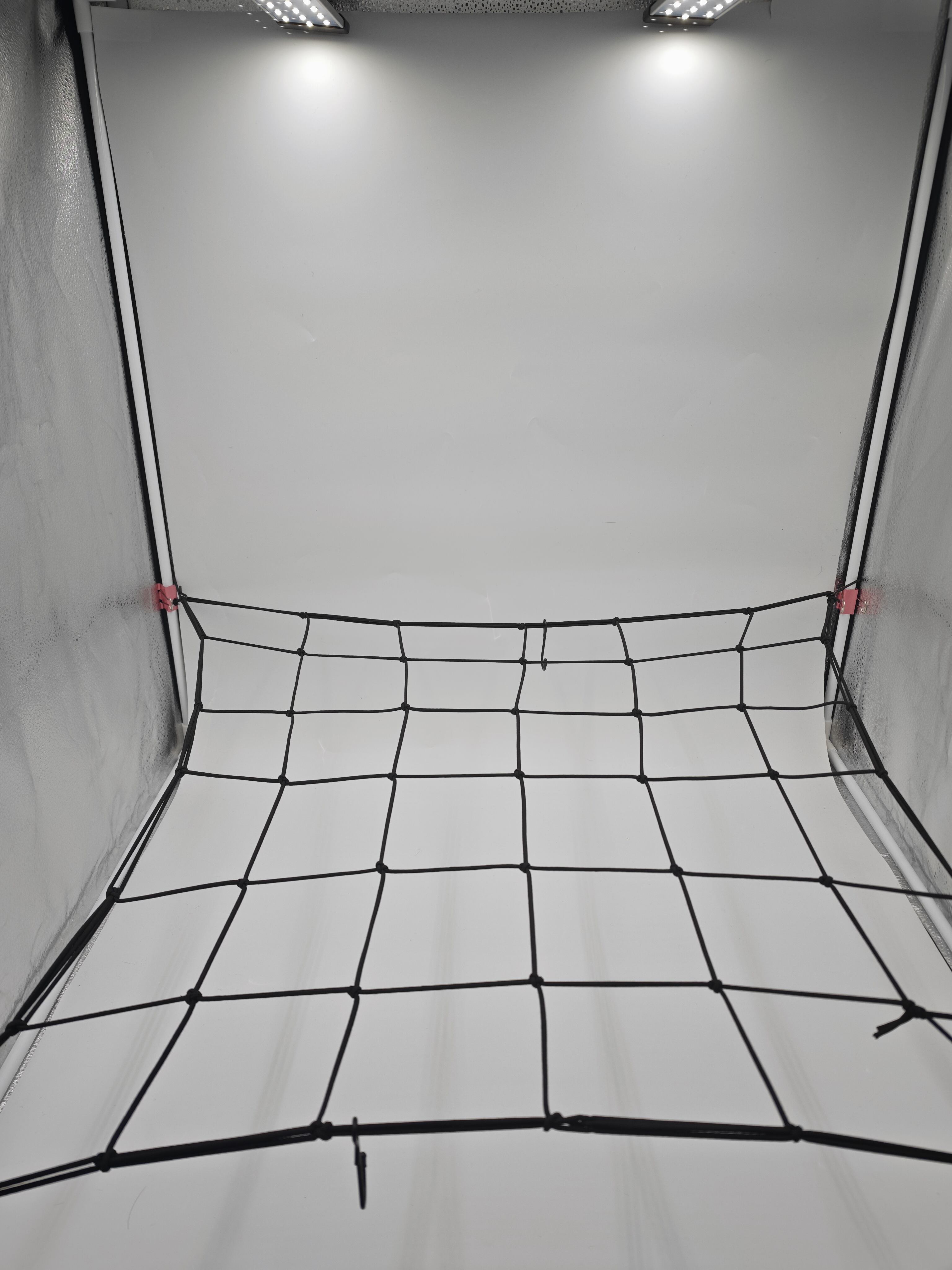
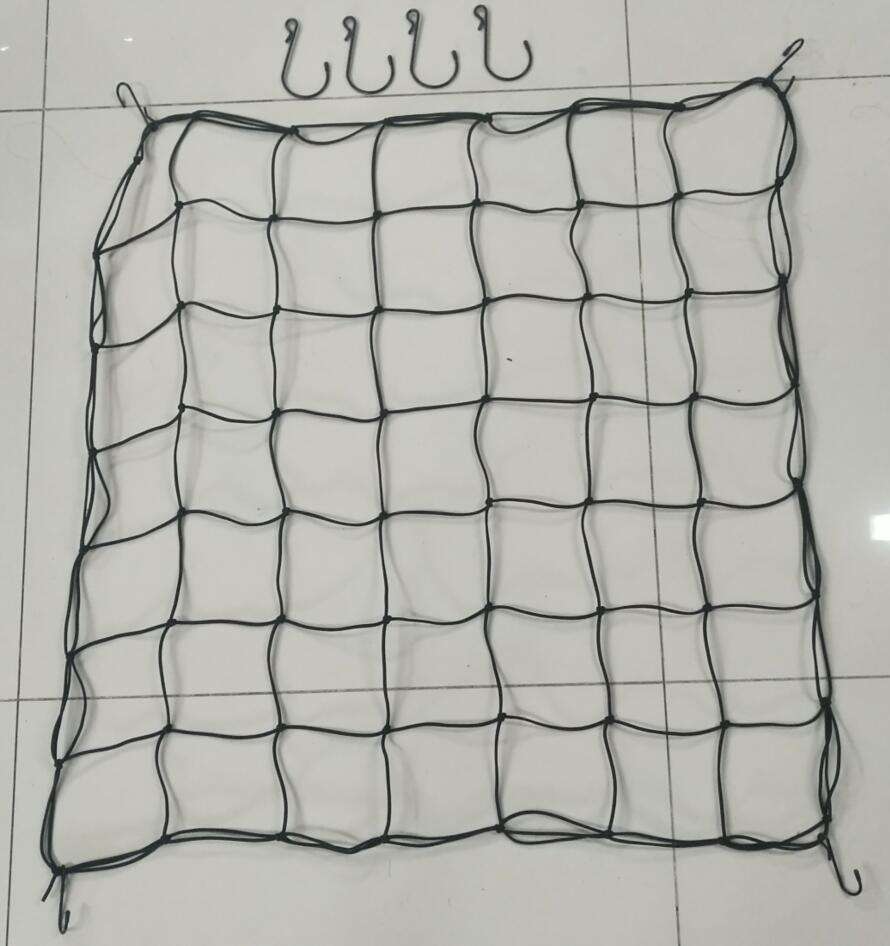
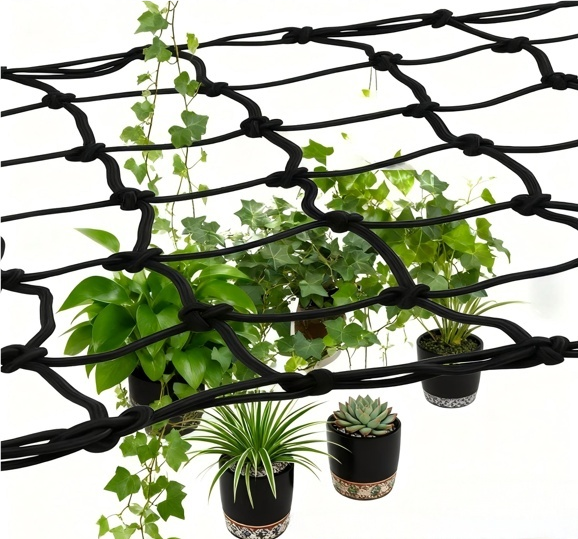
The trellis netting plant support creates optimal microenvironmental conditions that significantly improve overall plant health by facilitating superior air circulation, moisture management, and disease prevention capabilities. This advanced support system elevates plants above ground level, creating natural airflow channels that prevent the stagnant air conditions commonly associated with fungal diseases, bacterial infections, and pest infestations that plague ground-level vegetation. The elevated growing position facilitated by trellis netting plant support allows air to circulate freely around all plant surfaces, including undersides of leaves where moisture typically accumulates and creates breeding grounds for harmful pathogens. This enhanced ventilation system naturally reduces humidity levels around plant foliage, creating an environment that discourages the development of common diseases such as powdery mildew, blight, and various fungal infections that can devastate crops and require expensive chemical treatments. The improved air circulation also helps regulate plant temperature, preventing overheating during hot weather while maintaining optimal growing conditions throughout varying seasonal changes. Professional horticulturists recognize that plants grown using trellis netting plant support systems demonstrate stronger immune responses to environmental stresses and recover more quickly from adverse weather conditions. The structural support provided by the netting system reduces mechanical stress on plant stems and branches, allowing plants to allocate more energy toward growth, flowering, and fruit production rather than structural reinforcement. This energy redistribution results in more robust root systems, increased flowering frequency, and enhanced fruit quality that translates to better harvests and improved crop marketability. The organized growth patterns encouraged by trellis netting plant support facilitate more effective monitoring and maintenance routines, allowing gardeners to identify potential problems early and implement targeted solutions before issues become severe. Regular inspection becomes more thorough and efficient when plants are properly supported and organized, enabling proactive care that maintains optimal plant health throughout the entire growing season.
 EN
EN