plastic netting for trellis
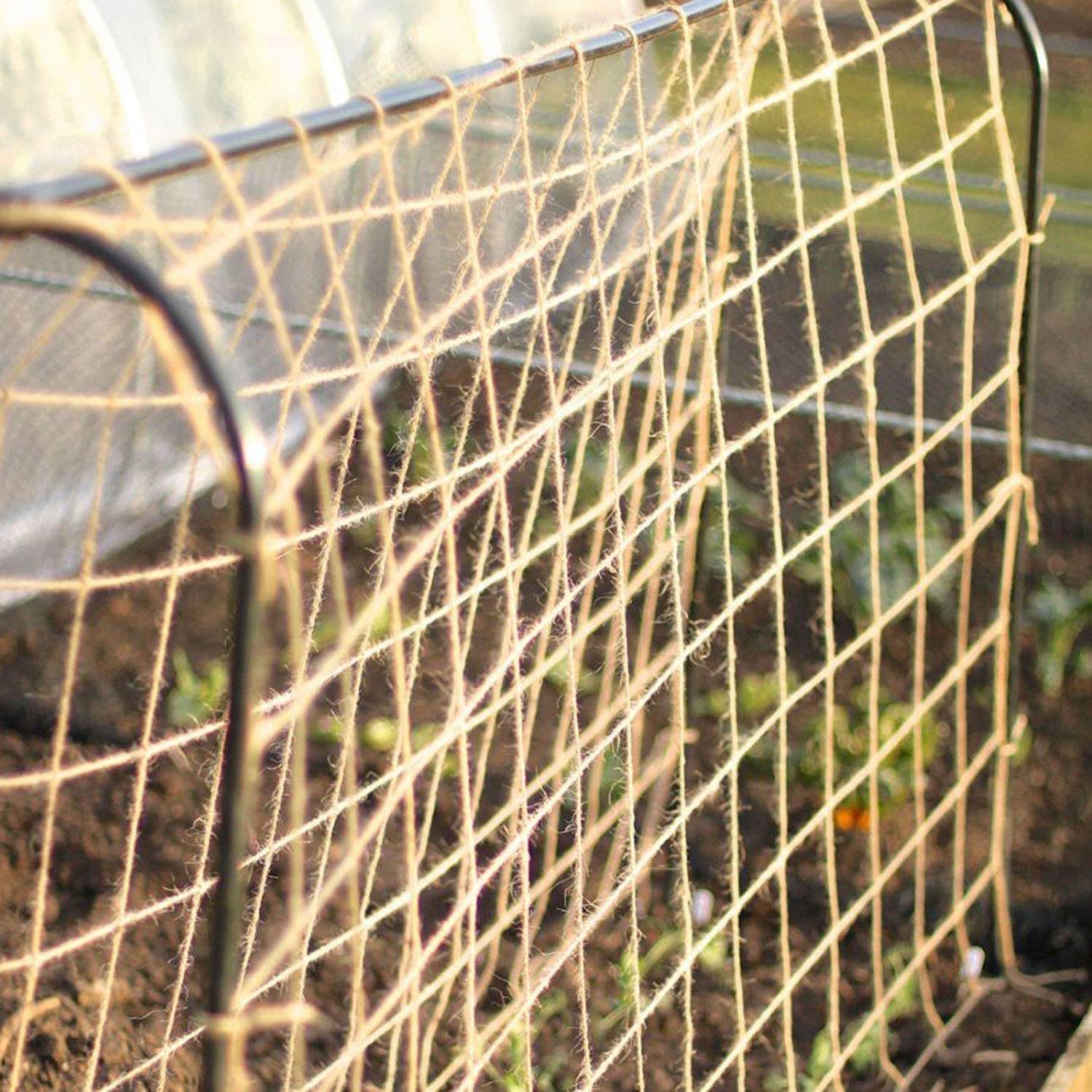
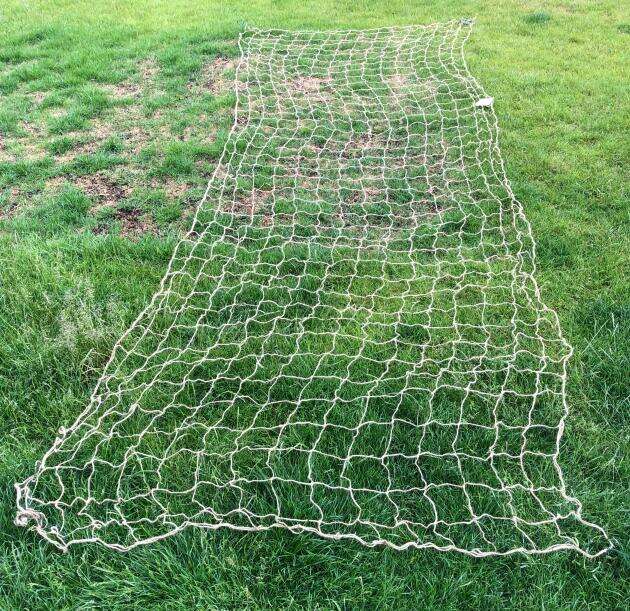
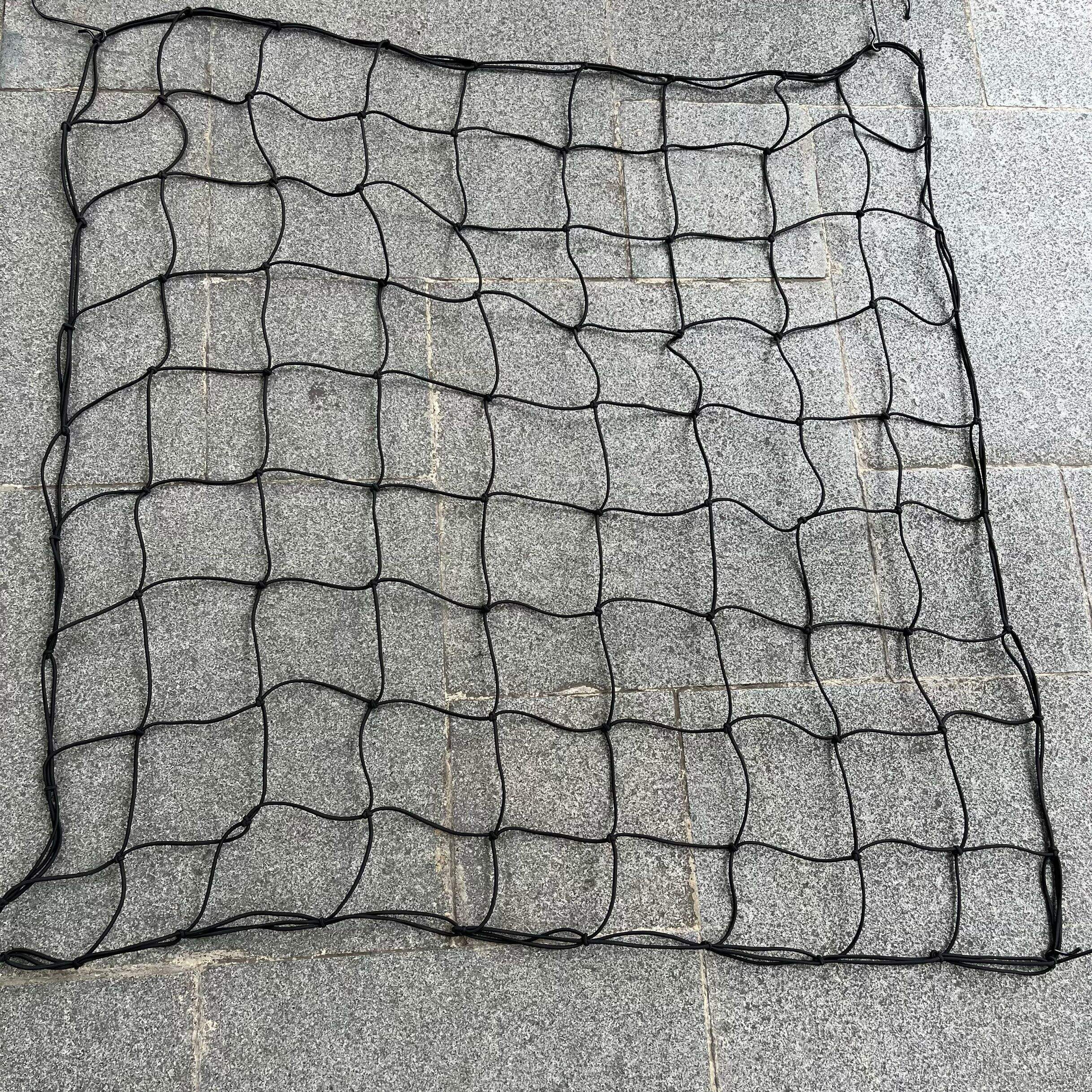
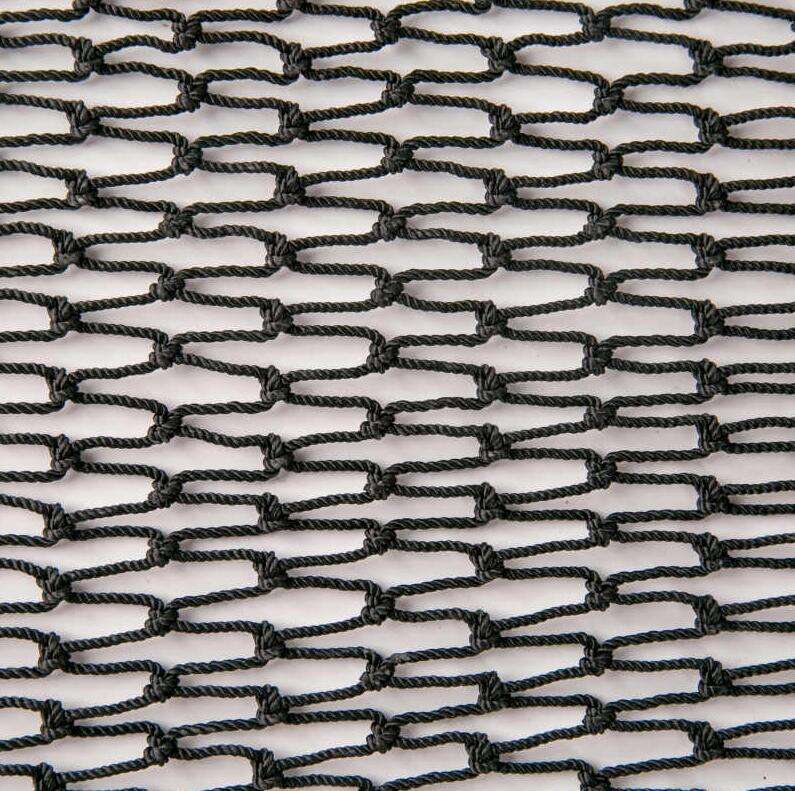
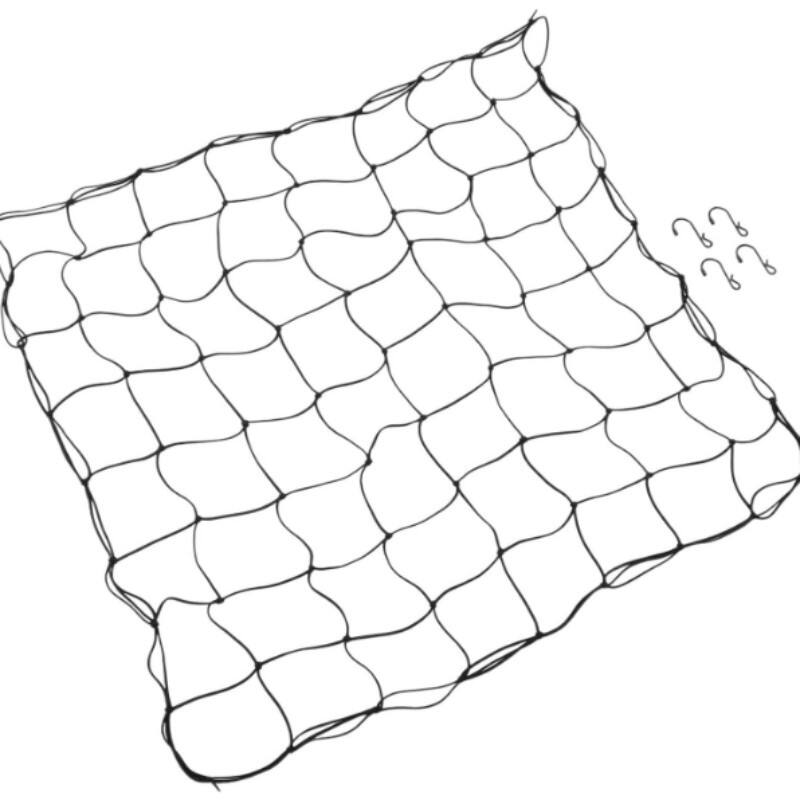
Plastic netting for trellis represents a revolutionary gardening solution that transforms how plants grow and thrive in both residential and commercial environments. This innovative support system consists of lightweight, durable plastic mesh designed specifically to provide structural support for climbing plants, vegetables, and flowering vines. The plastic netting for trellis features a grid-like structure with evenly spaced openings that allow plants to naturally weave through while maintaining optimal spacing for healthy growth patterns. Modern plastic netting for trellis systems utilize high-density polyethylene materials that resist UV degradation, ensuring long-lasting performance in outdoor conditions. The technological features of plastic netting for trellis include weather-resistant properties that withstand extreme temperatures, moisture, and seasonal changes without compromising structural integrity. These systems incorporate flexible yet strong construction that adapts to plant growth while maintaining consistent support throughout the growing season. The mesh design promotes excellent air circulation and sunlight penetration, creating ideal growing conditions for various plant species. Plastic netting for trellis applications span across multiple sectors including home gardens, commercial agriculture, greenhouse operations, and landscape architecture projects. Gardeners utilize this versatile system for supporting tomatoes, cucumbers, beans, peas, grapes, and ornamental climbing plants. Commercial growers implement plastic netting for trellis in large-scale vegetable production to maximize yield per square foot while minimizing labor costs. The installation process remains straightforward, requiring minimal tools and expertise, making plastic netting for trellis accessible to gardeners of all skill levels. Professional landscapers incorporate these systems into vertical garden designs, creating stunning living walls and space-efficient growing environments. The plastic netting for trellis technology continues evolving with enhanced durability formulations and improved mesh patterns that accommodate specific plant varieties and growing requirements.
 EN
EN