scrog net manufacturer
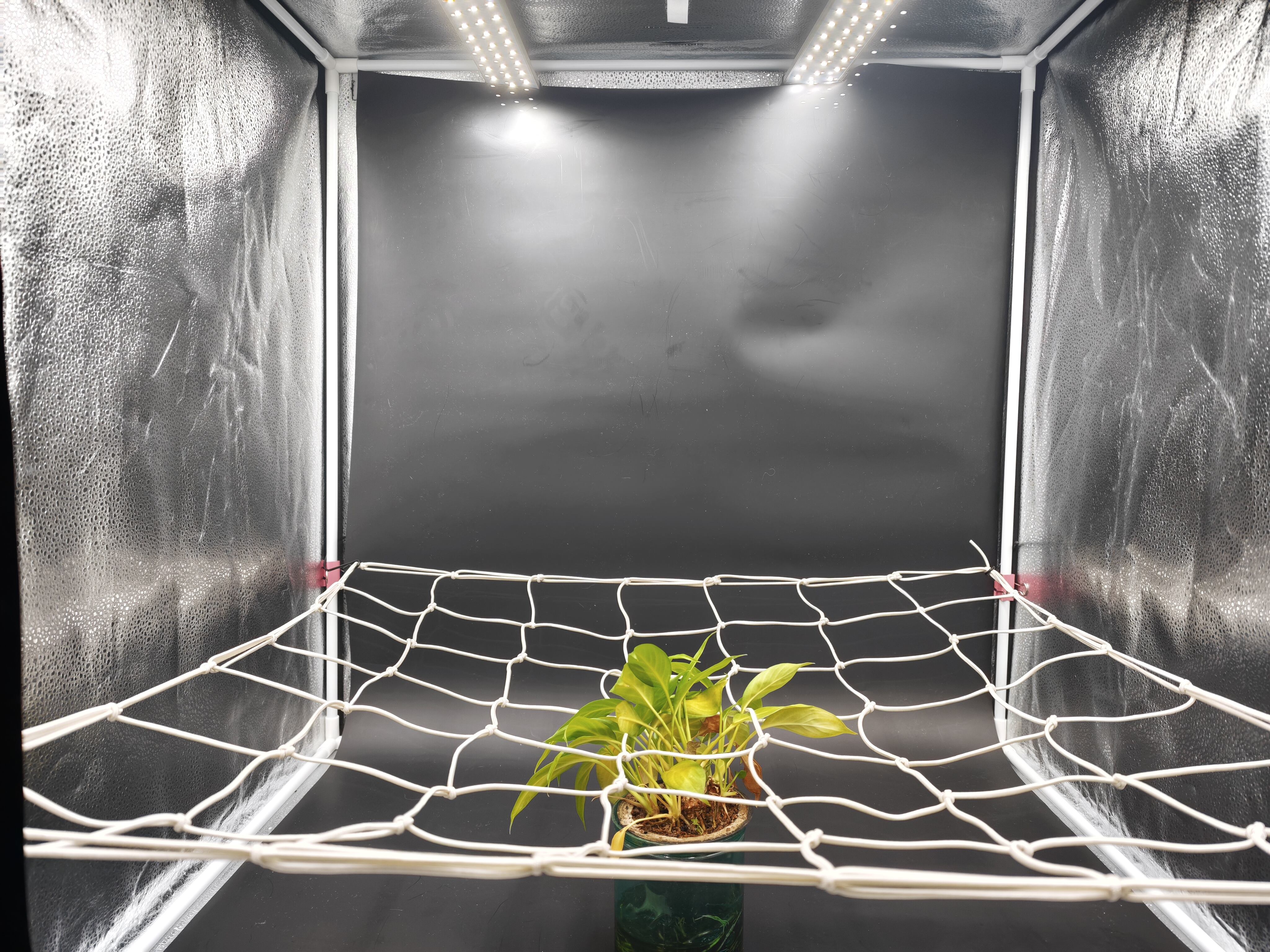
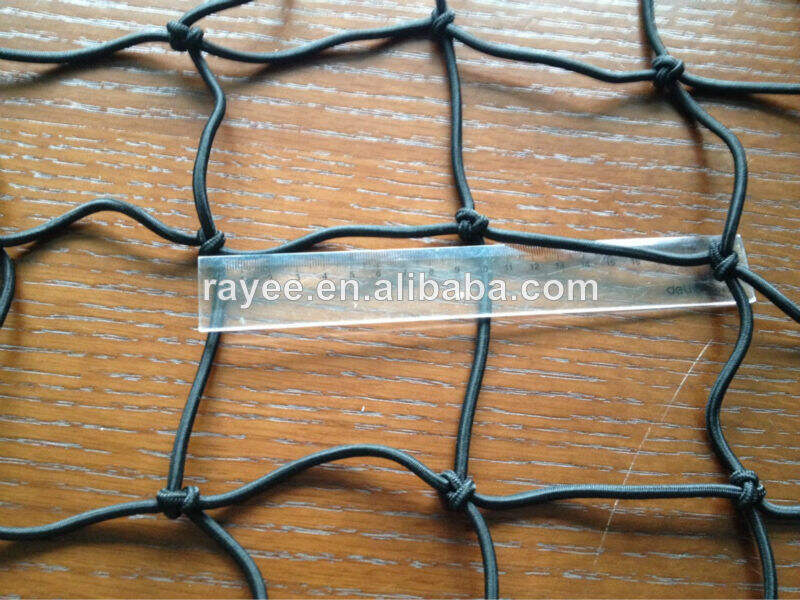
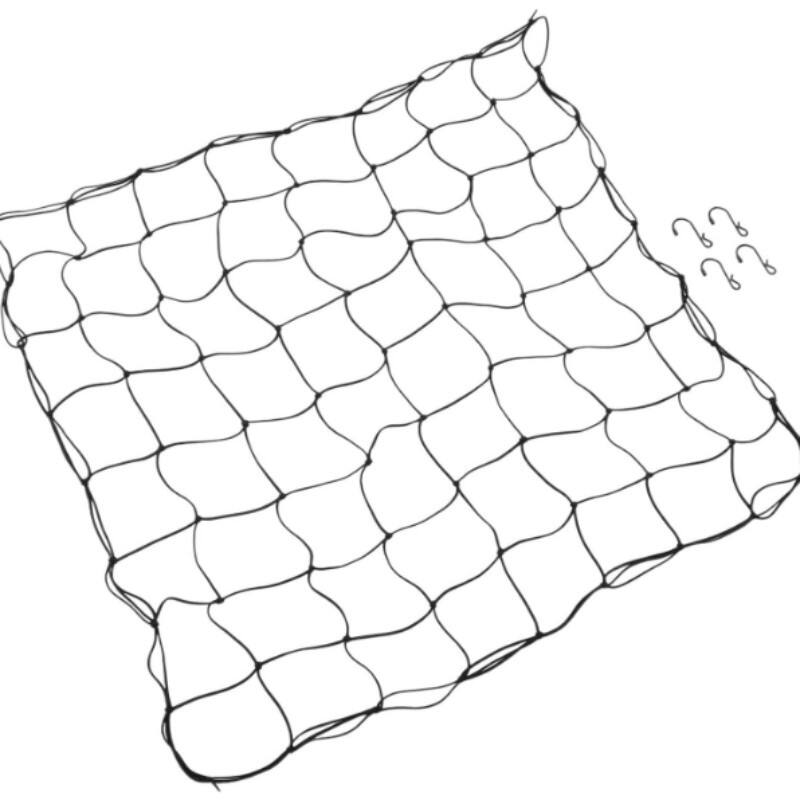
A scrog net manufacturer specializes in producing Screen of Green (SCROG) netting systems designed to optimize plant growth and maximize yields in both indoor and outdoor cultivation environments. These manufacturers create specialized mesh structures that serve as training tools for plants, helping growers achieve better light distribution, improved air circulation, and enhanced space utilization. The primary function of products from a scrog net manufacturer revolves around providing horizontal support systems that allow plants to spread laterally rather than growing vertically, creating a more even canopy that receives uniform light exposure. Modern scrog net manufacturer operations incorporate advanced materials science to develop durable, UV-resistant, and chemically stable netting solutions. The technological features embedded in these products include precise mesh sizing, typically ranging from 4x4 inches to 6x6 inches, ensuring optimal spacing for different plant varieties. Professional scrog net manufacturer facilities utilize high-grade polyester, nylon, or specialized polymer materials that maintain structural integrity under various environmental conditions. These manufacturers employ sophisticated weaving techniques and quality control processes to ensure consistent mesh patterns and reliable load-bearing capacity. The applications for products from a leading scrog net manufacturer extend across multiple growing scenarios, including hydroponic systems, soil-based cultivation, greenhouse operations, and controlled environment agriculture facilities. Commercial growers rely on scrog net manufacturer solutions to implement efficient training methods that reduce plant height while increasing overall productivity. The manufacturing process involves precision cutting, heat-sealing edges, and incorporating mounting hardware that simplifies installation procedures. Quality scrog net manufacturer operations maintain strict testing protocols to verify tensile strength, weather resistance, and long-term durability. These manufacturers often provide customization options, allowing growers to specify dimensions, mesh patterns, and material compositions that align with specific cultivation requirements and environmental conditions.
 EN
EN