Enhanced Structural Support and Plant Health
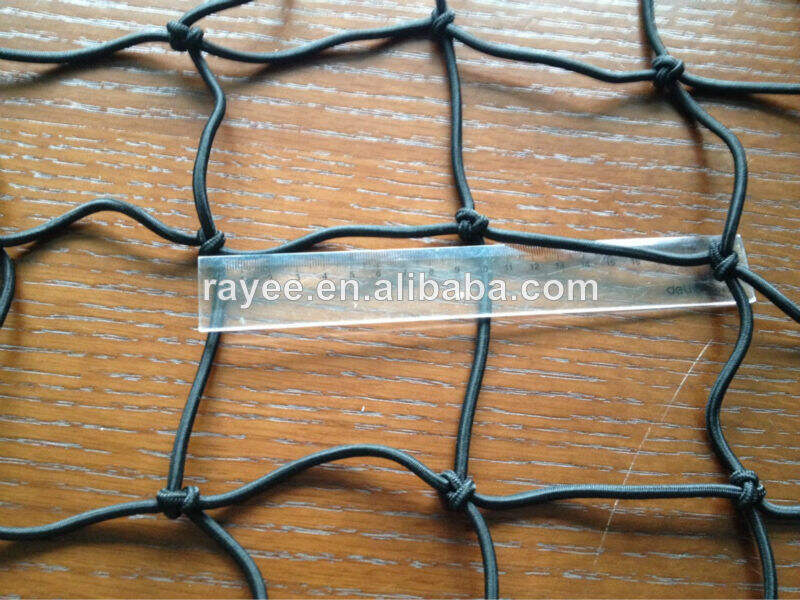
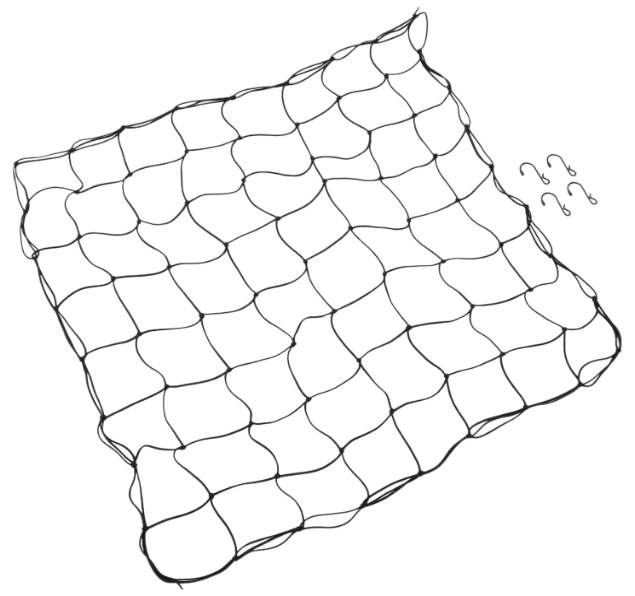
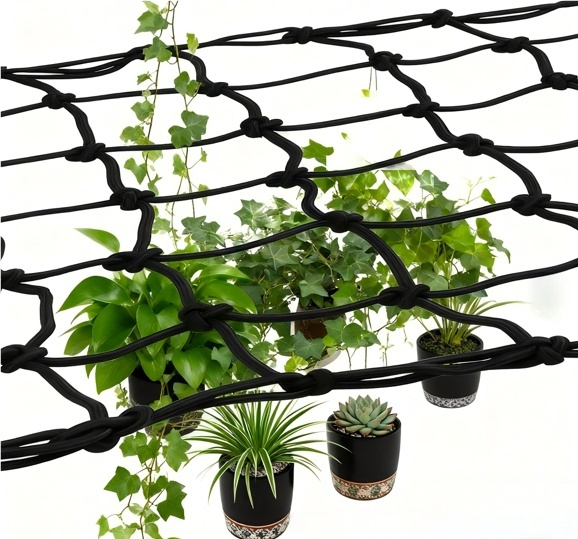
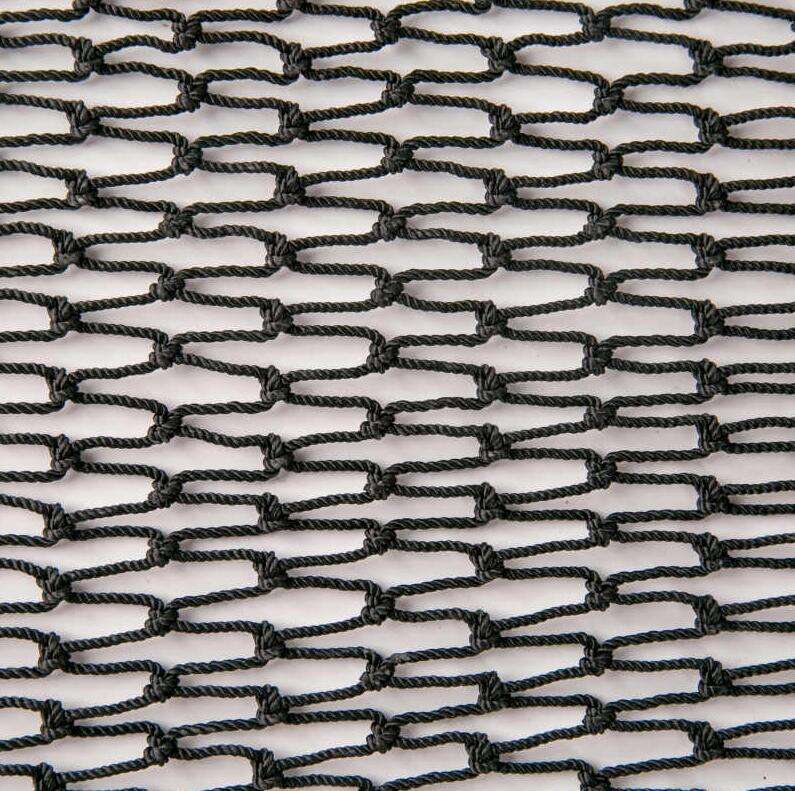
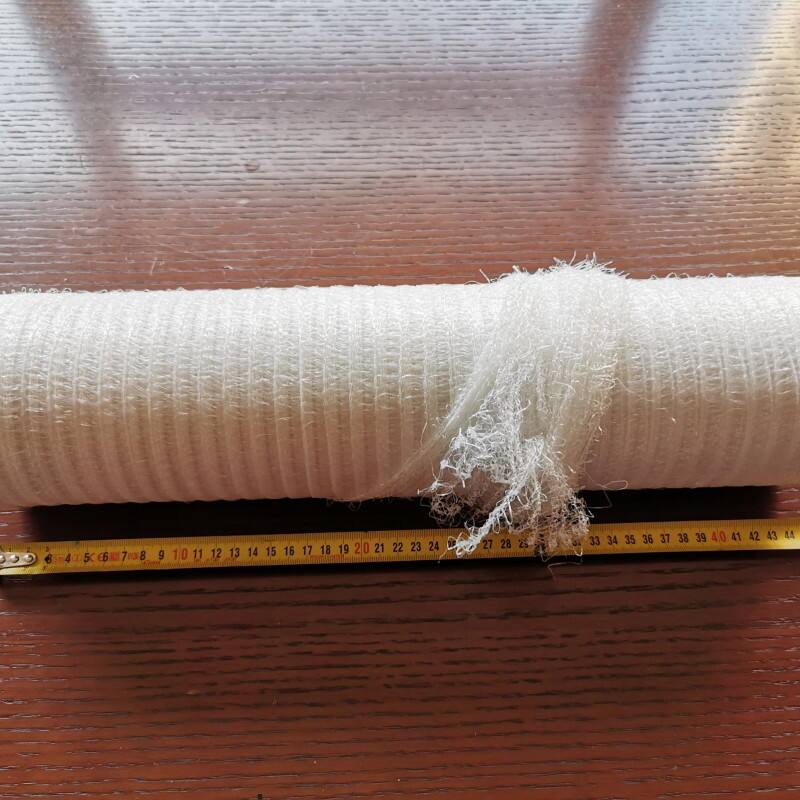
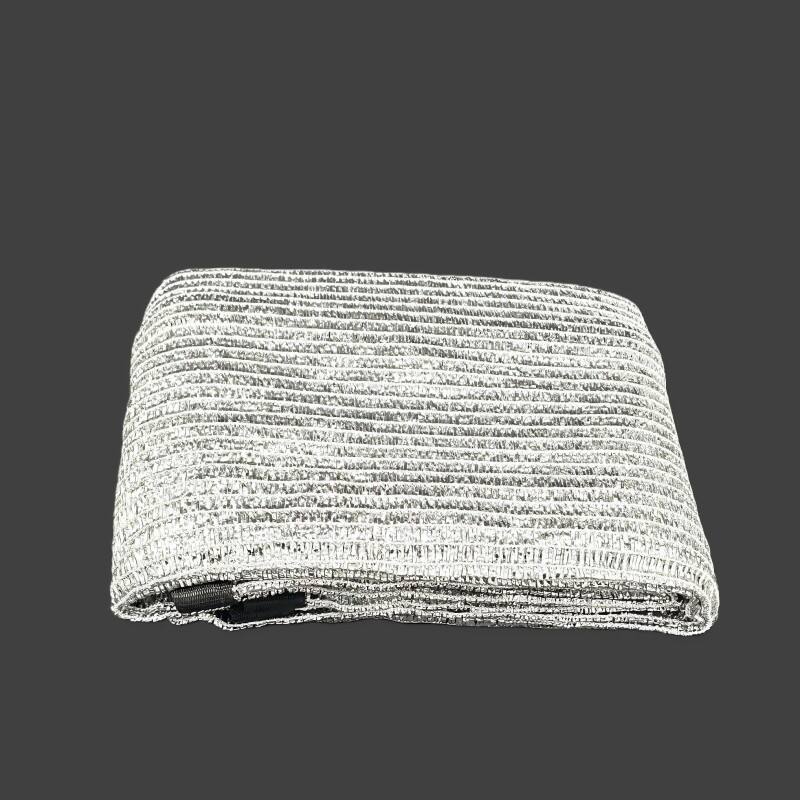
A premium scrog net for sale functions as much more than a simple training tool, serving as a comprehensive structural support system that promotes exceptional plant health throughout the entire growing cycle. The physical support provided by these nets becomes increasingly crucial as plants develop heavy flowering structures that can stress or damage branches without adequate reinforcement. Natural plant architecture often proves insufficient for supporting the substantial weight that results from successful cultivation, particularly when plants produce the large, dense flowers that represent the ultimate goal of most growing operations. The mesh design of a quality scrog net for sale distributes this weight evenly across the entire support structure, preventing the localized stress concentrations that lead to branch breakage and crop loss. This distributed support system proves especially valuable during the final weeks of the flowering period when plants reach their maximum weight and become most vulnerable to structural failure. Beyond mere physical support, scrog nets create an organized growing environment that dramatically improves air circulation throughout the plant canopy. Proper airflow represents one of the most critical factors in maintaining plant health, as stagnant air conditions promote the development of fungal diseases, bacterial infections, and pest infestations that can devastate entire crops. The systematic branch spacing enforced by a scrog net for sale ensures adequate air movement around every part of the plant, reducing humidity buildup and creating conditions that naturally discourage pathogen development. This improved air circulation also strengthens plant stems through a process known as thigmomorphogenesis, where gentle air movement stimulates the development of thicker, more robust support tissues. The organizational benefits provided by scrog nets extend to simplified maintenance and monitoring routines, as the grid pattern makes it easy to access all plant areas for inspection, pruning, and treatment applications. Growers can quickly identify developing problems and address them before they spread throughout the canopy. The systematic approach to plant training also reduces the physical stress that plants experience during the growing process, as branches are guided gradually into their optimal positions rather than being forced into unnatural configurations. This gentle training methodology promotes healthier plant development and reduces the shock that can slow growth or reduce final yields. Additionally, the elevated positioning of branches above the growing medium improves sanitation by reducing contact between plant materials and potentially contaminated soil or growing substrates.
 EN
EN