Superior Structural Support and Plant Health Management
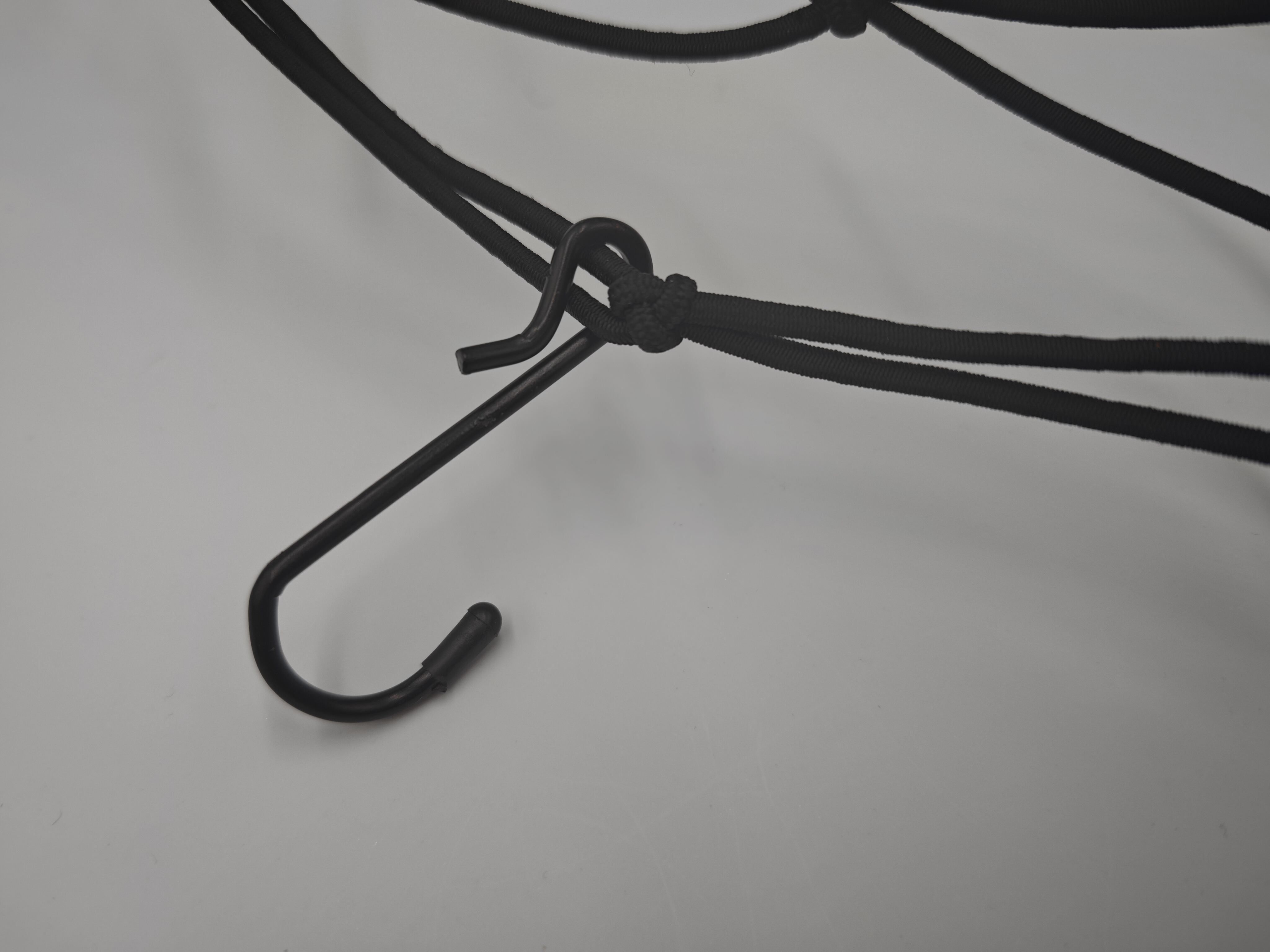
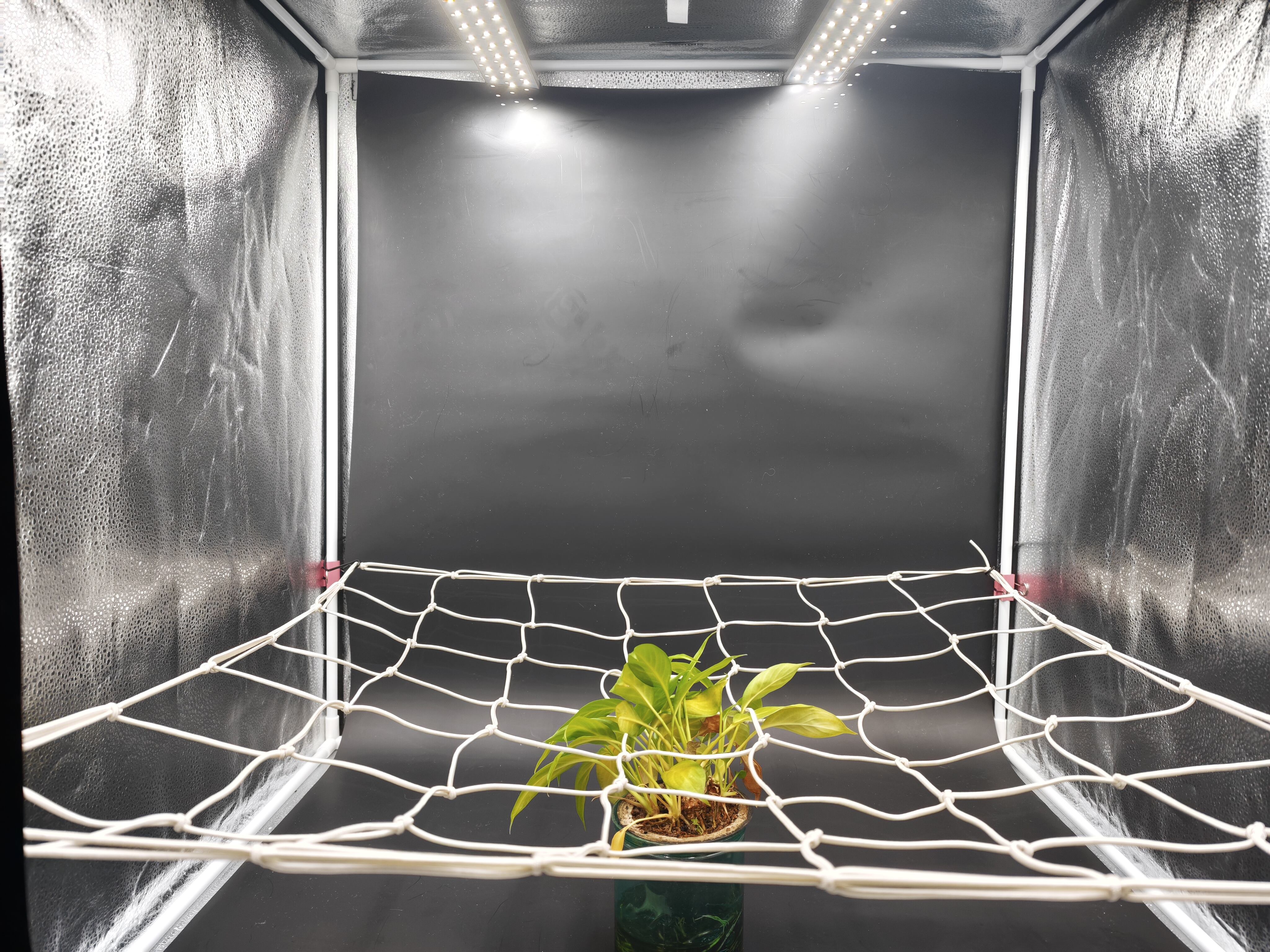
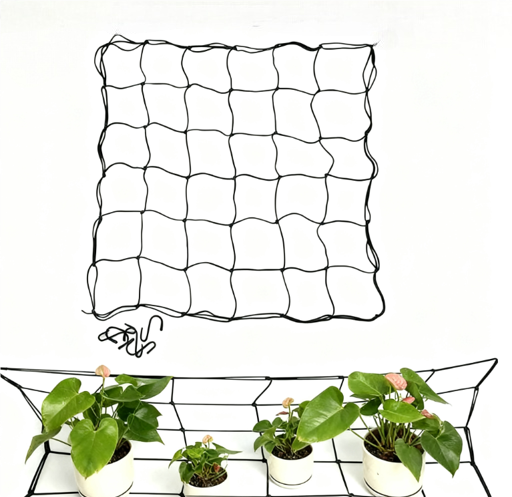
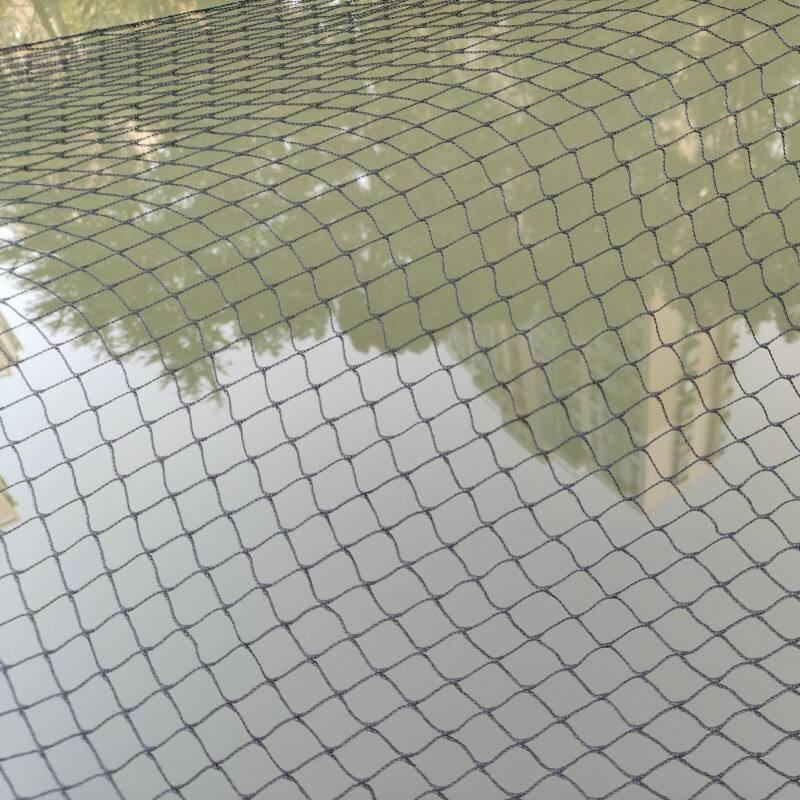
The indoor grow scrog net provides exceptional structural support that prevents common cultivation problems while promoting robust plant health throughout the entire growing cycle. Heavy flowering branches often cause structural damage in unsupported plants, leading to broken limbs, reduced yields, and increased susceptibility to pests and diseases. The indoor grow scrog net eliminates these concerns by distributing plant weight evenly across the mesh structure, creating a stable platform that supports even the heaviest flower clusters. This comprehensive support system becomes increasingly important as plants progress through flowering stages and buds develop substantial mass. The indoor grow scrog net framework maintains branch positioning even under significant weight loads, preventing the drooping and breakage that commonly affects unsupported plants. Beyond basic structural support, the indoor grow scrog net significantly improves air circulation throughout the plant canopy, creating an environment that naturally resists mold, mildew, and pest infestations. The open mesh design allows air to flow freely around all plant surfaces, preventing the stagnant conditions that promote fungal growth. This enhanced airflow becomes particularly crucial in dense canopies where humidity can accumulate and create problematic growing conditions. The indoor grow scrog net system facilitates regular plant maintenance by providing clear access to all plant areas for inspection, pruning, and treatment applications. Growers can easily identify and address potential problems before they become serious issues, maintaining plant health through proactive management. The structured growth pattern created by the indoor grow scrog net also simplifies integrated pest management strategies by ensuring pesticide and fungicide applications reach all plant surfaces effectively. Additionally, the indoor grow scrog net technique promotes stronger branch development by encouraging plants to develop thicker, more resilient stems capable of supporting heavy flower loads. This natural strengthening process reduces the need for additional support stakes or ties, simplifying cultivation operations while improving overall plant architecture and health outcomes.
 EN
EN