Cost-Effective Growing Optimization and Space Efficiency
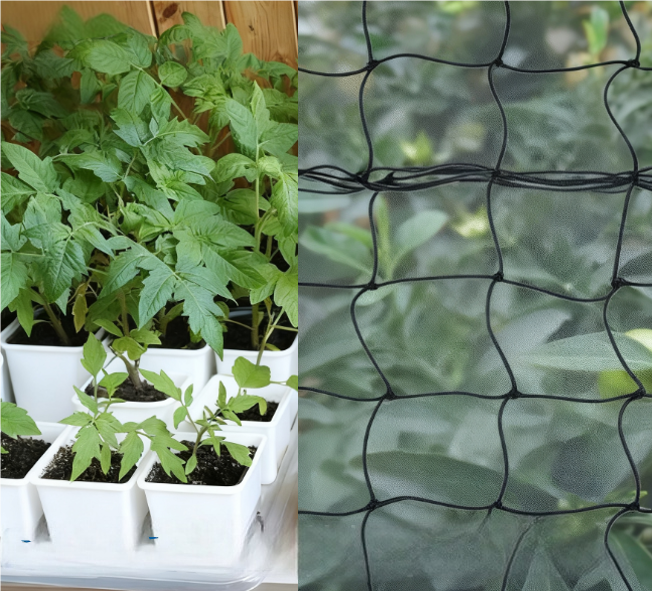
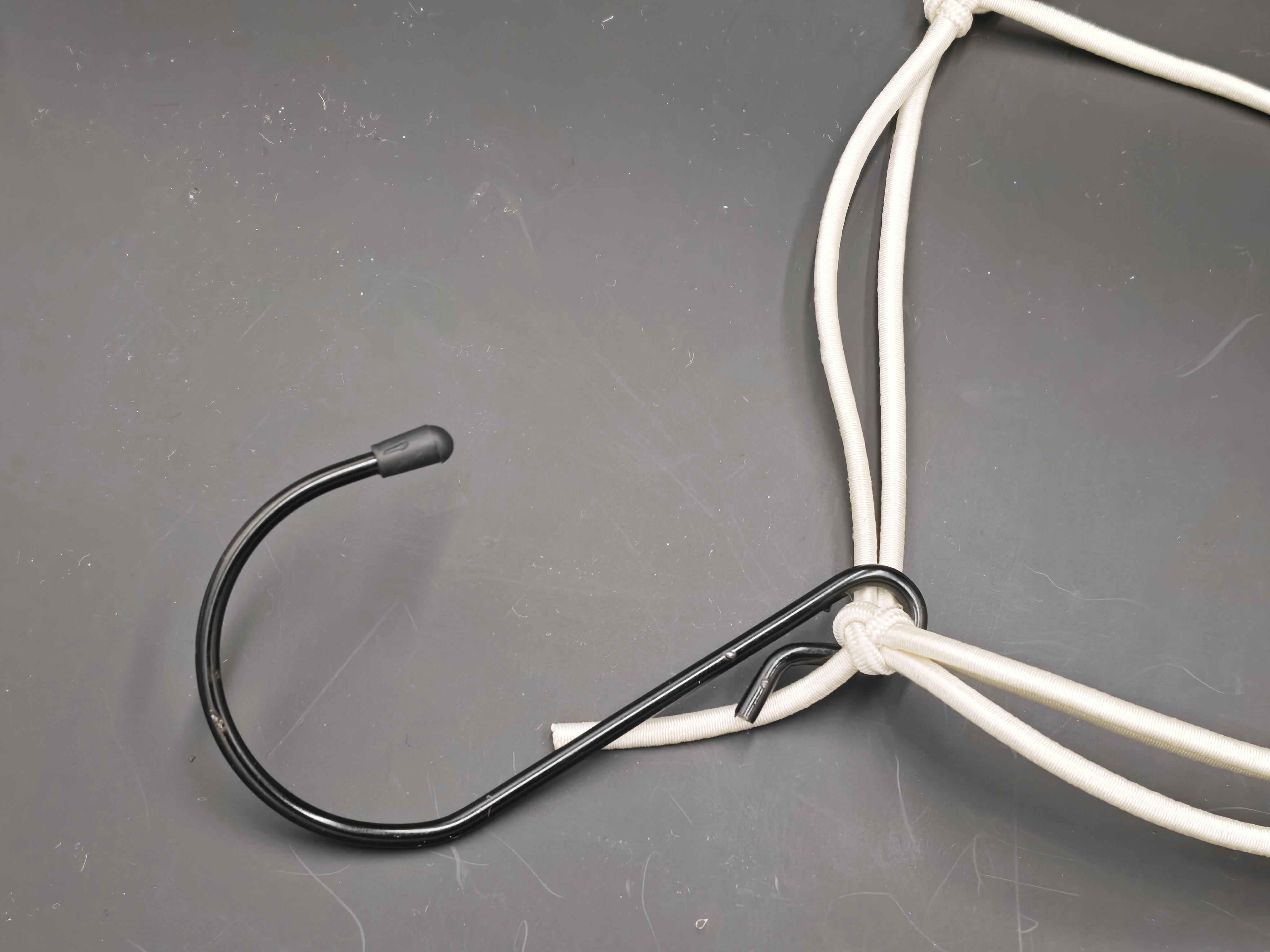
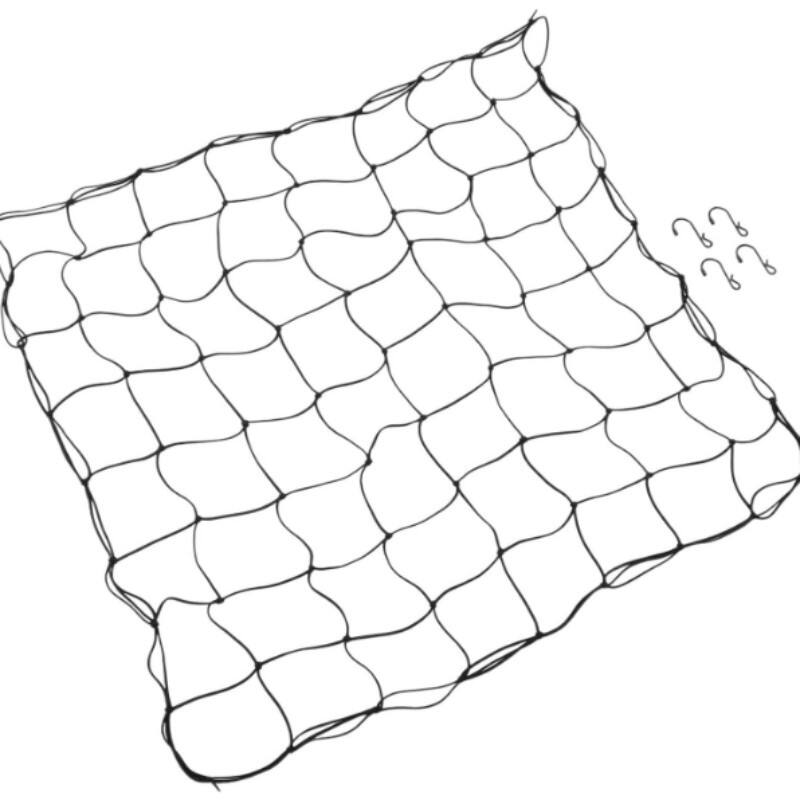
The scrog net represents an exceptionally cost-effective solution for maximizing growing efficiency while minimizing operational expenses across all scales of cultivation operations. Initial investment in a quality scrog net system pays dividends through improved yields that often exceed the equipment cost within a single growing cycle, making it one of the most profitable upgrades available to modern growers. The space optimization achieved through scrog net implementation allows operators to increase plant density without compromising individual plant health or productivity, effectively multiplying the return on expensive growing facility investments. Commercial growers particularly benefit from the scalability of scrog net systems, as the same principles apply whether managing a small personal garden or a large-scale production facility. The reduced height requirements created by horizontal training enable more efficient use of vertical space, allowing for multiple growing levels in facilities with adequate ceiling height. Energy efficiency improvements emerge naturally from scrog net use, as the even canopy distribution requires less total light to achieve superior penetration compared to traditional vertical growing methods. This efficiency translates directly into reduced electricity costs, which represent a significant portion of indoor growing operational expenses. The durability of quality scrog net materials ensures long-term value, with properly maintained systems lasting multiple years without replacement or significant maintenance requirements. Labor efficiency gains become apparent through simplified plant management procedures, as the organized structure reduces time requirements for routine tasks like pruning, inspection, and harvesting. The predictable growth patterns encouraged by scrog net training enable more accurate resource planning, reducing waste in nutrients, water, and other consumables. Quality control improvements result from the consistent plant development patterns, making it easier to maintain standardized products that meet market requirements. The versatility of scrog net systems allows adaptation to various growing methods, including soil, hydroponic, and aeroponic setups, providing flexibility as operations evolve or expand over time.
 EN
EN