Premium Bale Net Wrap Solutions - Weather Protection & Efficient Farm Operations

Get a Free Quote

Our representative will contact you soon.
Email
Name
Company Name
Mobile/WhatsApp
Message
0/1000

bale net wrap

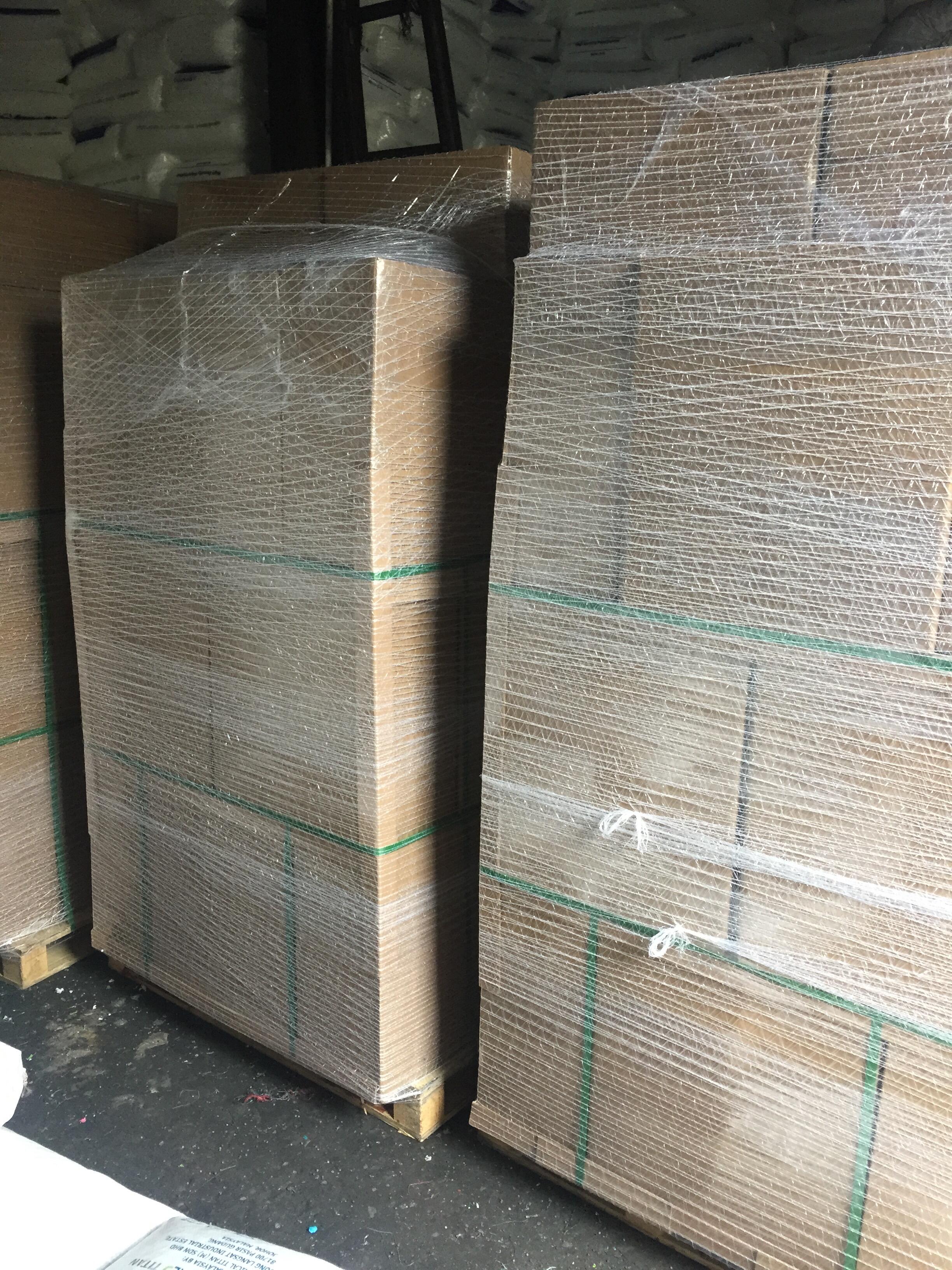
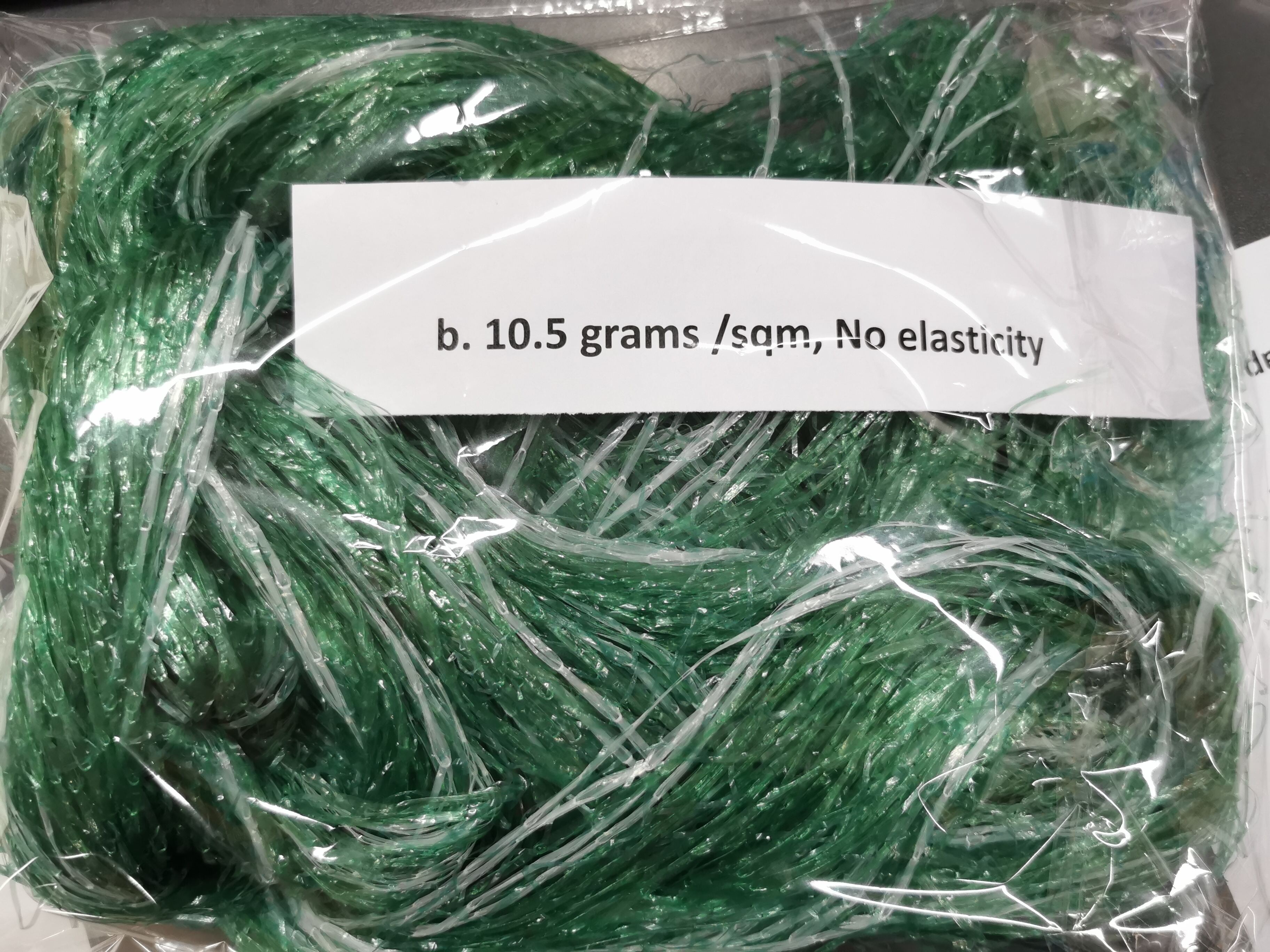
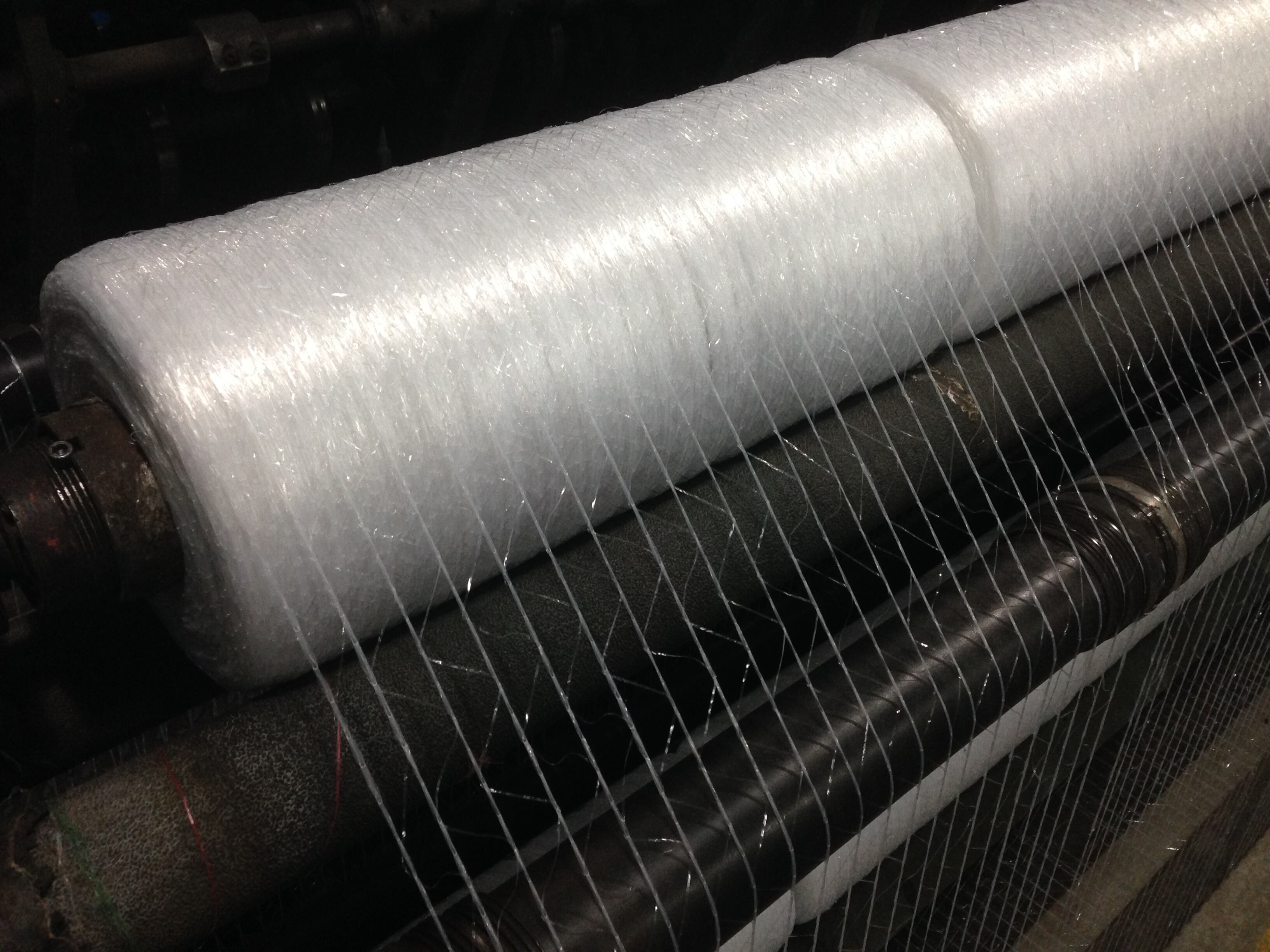
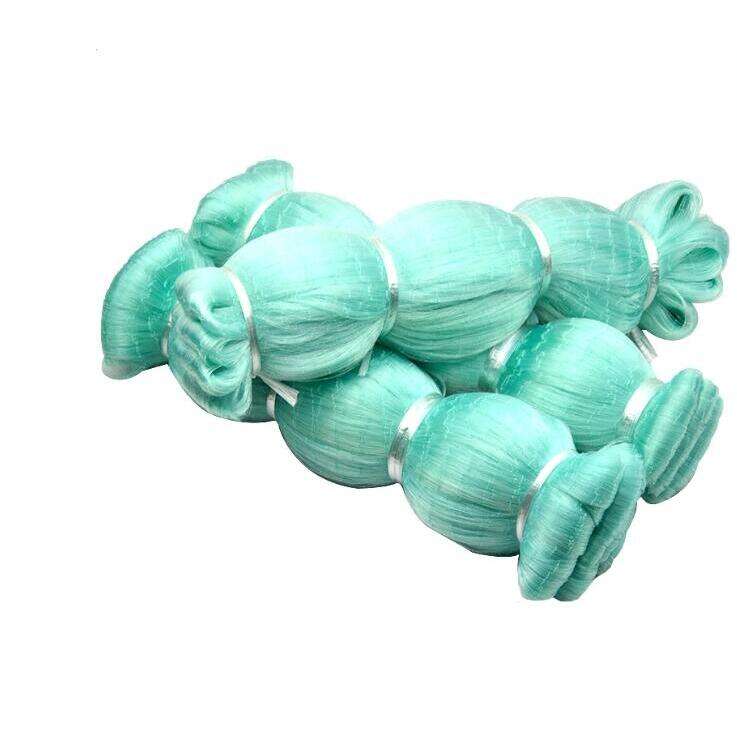
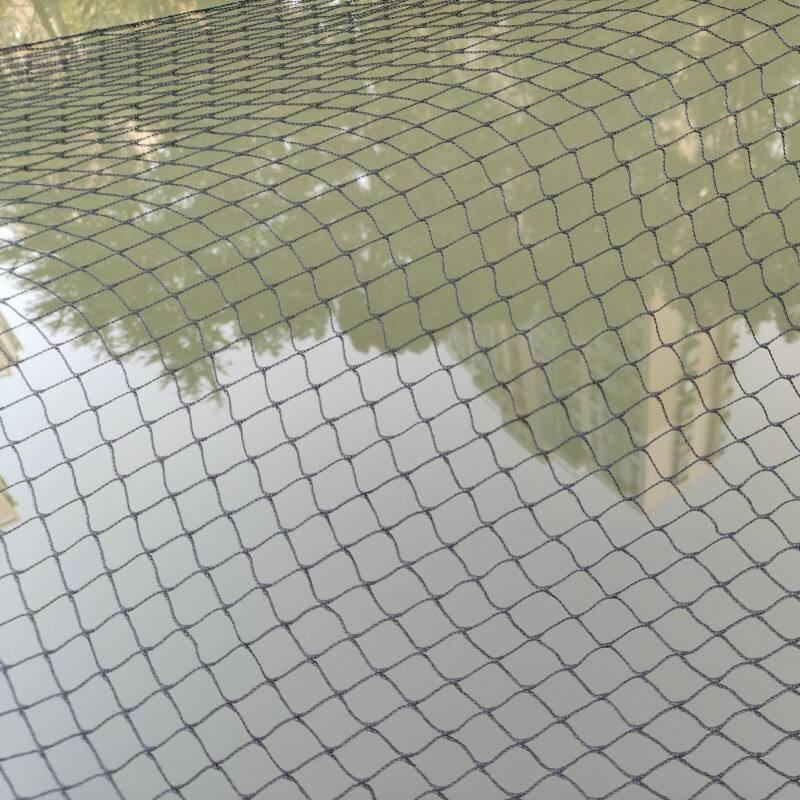
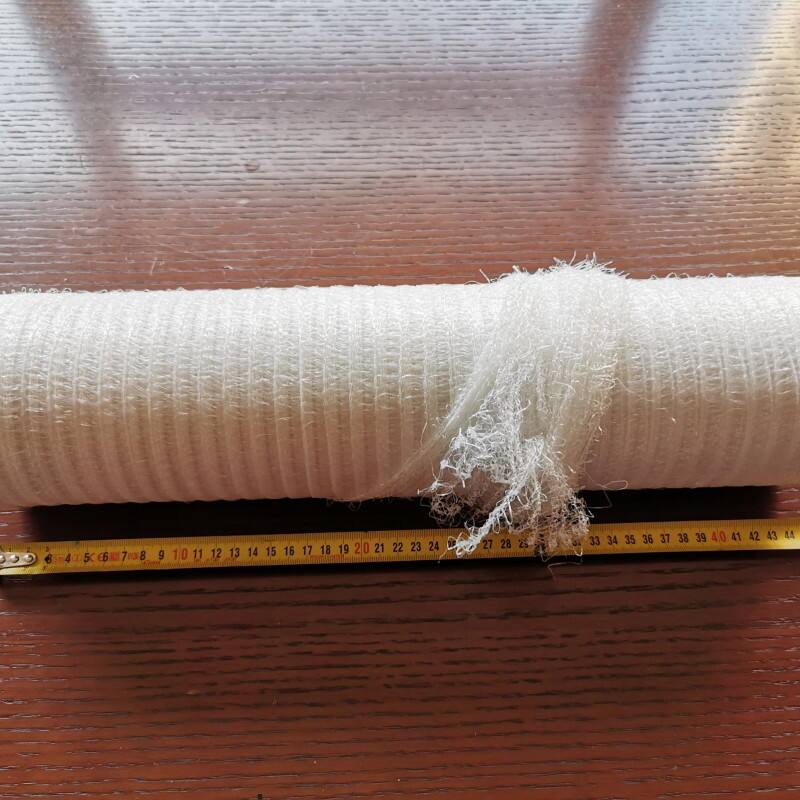
Bale net wrap represents a revolutionary advancement in agricultural packaging technology, designed to secure and protect harvested crops during storage and transportation. This specialized agricultural material consists of high-strength polymer fibers woven into a flexible mesh structure that effectively binds hay, straw, silage, and other forage materials into compact, weather-resistant bales. The primary function of bale net wrap involves replacing traditional twine or wire binding methods, offering superior coverage and protection for agricultural products. Modern bale net wrap utilizes advanced synthetic materials, typically polypropylene or polyethylene, engineered to withstand extreme weather conditions, UV radiation, and mechanical stress during handling. The technological features include precise mesh construction that allows proper air circulation while maintaining structural integrity, ensuring optimal preservation of crop quality. Farmers and agricultural contractors rely on bale net wrap for efficient field operations, as it significantly reduces packaging time compared to conventional binding methods. The wrap system integrates seamlessly with modern balers, automatically dispensing and applying the material around formed bales through sophisticated mechanical systems. Applications span across various agricultural sectors, including dairy farming, livestock feed production, commercial hay operations, and biomass energy production. The versatility of bale net wrap extends to different crop types, accommodating varying moisture content levels and density requirements. Agricultural professionals appreciate the consistent performance characteristics that ensure reliable bale formation regardless of field conditions or crop varieties. The material's design incorporates specific stretch properties that adapt to different bale sizes while maintaining optimal tension throughout the wrapping process, resulting in uniformly shaped and secure packages ready for storage or distribution.

New Product Recommendations

The advantages of bale net wrap extend far beyond simple crop protection, delivering substantial economic and operational benefits that transform agricultural productivity. First, this innovative wrapping solution dramatically reduces labor costs by accelerating the baling process, allowing operators to complete field work in significantly less time compared to traditional binding methods. The automated application system eliminates manual handling requirements, enabling single-operator efficiency that maximizes workforce utilization during critical harvesting periods. Weather protection stands as another crucial advantage, as bale net wrap creates an effective barrier against moisture penetration, preventing spoilage and maintaining crop nutritional value throughout extended storage periods. This superior protection translates directly into reduced feed losses, protecting farmers' investments and ensuring consistent quality for livestock consumption or commercial sales. The material's exceptional strength characteristics prevent bale breakage during handling and transportation, minimizing product loss and reducing the need for re-baling damaged packages. Cost-effectiveness emerges through reduced material consumption, as bale net wrap requires less wrapping material per bale compared to traditional twine systems while providing superior binding strength. Storage advantages include improved stack stability, allowing farmers to maximize storage capacity in barns and warehouses through more efficient space utilization. The wrap's UV-resistant properties enable extended outdoor storage without significant degradation, providing flexibility in storage location selection based on operational needs rather than material limitations. Handling efficiency improves dramatically, as net-wrapped bales maintain their shape and integrity during loading, transport, and unloading operations, reducing equipment wear and minimizing handling damage. Environmental benefits include reduced plastic waste through more efficient material usage and improved recyclability compared to multiple twine strands. The consistent wrapping coverage eliminates weak spots that commonly occur with traditional binding methods, ensuring uniform protection across the entire bale surface. Quality preservation represents a significant advantage, as the breathable mesh structure allows proper moisture management while preventing mold growth and fermentation issues that can compromise feed value.

Tips And Tricks

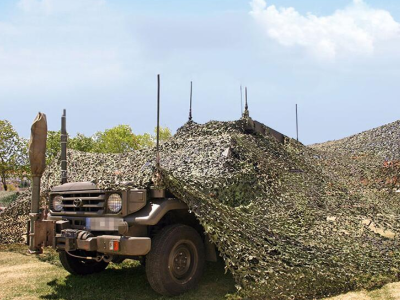
From Battlefield to Backyard: The European Embrace of Camouflage Nets for Stylish Shade and Design

14

Nov

From Battlefield to Backyard: The European Embrace of Camouflage Nets for Stylish Shade and Design

View More
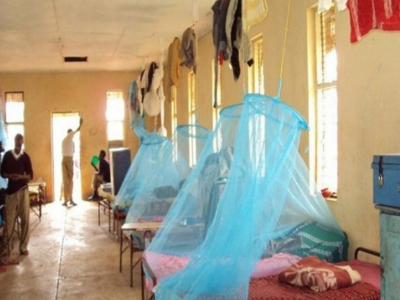
The Unseen Shield: How Mosquito Nets Remain a Cornerstone of Global Public Health

14

Nov

The Unseen Shield: How Mosquito Nets Remain a Cornerstone of Global Public Health

View More
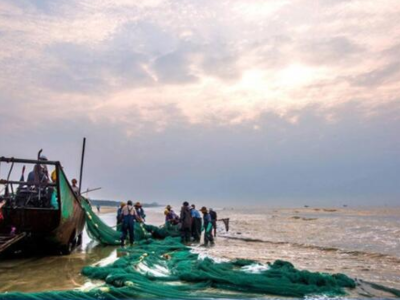
Casting a Sustainable Future How Innovation in Fishing Nets is Protecting Our Oceans

08

Dec

Casting a Sustainable Future How Innovation in Fishing Nets is Protecting Our Oceans

View More
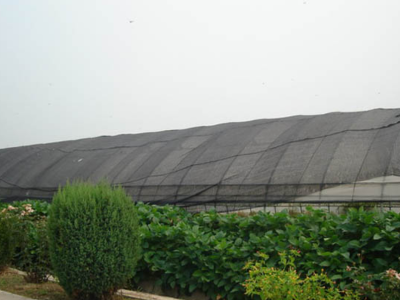
The Technological Revolution in Agricultural Nets for a Hungry Planet

14

Nov

The Technological Revolution in Agricultural Nets for a Hungry Planet

View More

Get a Free Quote

Our representative will contact you soon.
Email
Name
Company Name
Mobile/WhatsApp
Message
0/1000

bale net wrap

Superior Weather Protection and Moisture Management

Superior Weather Protection and Moisture Management

Bale net wrap delivers exceptional weather protection that surpasses traditional binding methods through its innovative mesh design and advanced material composition. The carefully engineered polymer structure creates a protective barrier that shields harvested crops from rain, snow, and moisture penetration while maintaining optimal air circulation patterns essential for proper preservation. This dual functionality prevents the common problems associated with inadequate protection, including mold development, fermentation issues, and nutritional degradation that can devastate stored feed supplies. The material's hydrophobic properties actively repel water while allowing internal moisture to escape gradually, creating an ideal microenvironment that preserves crop quality throughout extended storage periods. Agricultural professionals recognize this advantage as critical for maintaining feed value, particularly in regions with unpredictable weather patterns or limited indoor storage capacity. The protective coverage extends uniformly across the entire bale surface, eliminating the vulnerable areas typically found with twine binding systems where gaps allow moisture infiltration. This comprehensive protection enables farmers to store bales outdoors for extended periods without significant quality loss, providing operational flexibility and reducing the need for expensive covered storage facilities. The UV-resistant additives incorporated into the bale net wrap formulation prevent material degradation from prolonged sun exposure, ensuring consistent protection performance throughout the storage period. Temperature fluctuations that commonly affect outdoor storage conditions have minimal impact on properly wrapped bales, as the material maintains its protective properties across wide temperature ranges. The breathable mesh structure prevents condensation buildup that often occurs with solid covering materials, eliminating the moisture-related problems that can compromise stored crops. This advanced moisture management system particularly benefits high-value forages and specialty crops where quality preservation directly impacts market value and livestock performance. Farmers report significantly reduced spoilage rates when using bale net wrap compared to traditional binding methods, translating into measurable economic benefits through improved feed recovery and reduced replacement costs.
Enhanced Operational Efficiency and Time Savings

Enhanced Operational Efficiency and Time Savings

The operational efficiency gains achieved through bale net wrap implementation revolutionize agricultural field operations by dramatically reducing the time and labor requirements associated with hay and forage harvesting. Modern baling equipment equipped with net wrap systems can complete the binding process in seconds rather than the minutes required for traditional twine application, enabling operators to maintain consistent forward speeds and maximize productivity during optimal harvesting conditions. This time efficiency becomes particularly crucial during weather-sensitive harvesting periods when rapid field clearance determines the difference between successful crop recovery and significant losses. The automated dispensing system eliminates the need for manual handling during the wrapping process, reducing operator fatigue and enabling extended working periods without performance degradation. Agricultural contractors and large-scale farming operations particularly benefit from these efficiency improvements, as increased throughput directly translates to enhanced profitability and expanded service capacity. The consistent application provided by mechanical systems ensures uniform wrap coverage without the variability inherent in manual binding operations, resulting in more reliable bale formation and reduced rejection rates. Equipment maintenance requirements decrease significantly with net wrap systems, as the streamlined application process reduces mechanical wear compared to complex twine-tying mechanisms. Operators appreciate the reduced complexity of net wrap systems, which require less training and skill development compared to traditional binding methods, enabling faster workforce deployment and reduced training costs. The elimination of twine cutting and tying procedures removes common sources of equipment downtime and maintenance issues, contributing to improved overall equipment reliability. Field logistics improve substantially as net-wrapped bales maintain their integrity during handling and transportation, reducing the need for careful positioning and special handling procedures. Loading and unloading operations proceed more efficiently due to the superior structural stability provided by net wrap binding, enabling faster turnaround times for transportation equipment. Storage operations benefit from improved stack stability, allowing more efficient warehouse utilization and reduced handling requirements during inventory management. Quality control processes become more straightforward with net wrap systems, as the consistent application and superior binding strength eliminate many variables that can affect bale quality and uniformity.
Cost-Effective Solution with Long-Term Economic Benefits

Cost-Effective Solution with Long-Term Economic Benefits

Bale net wrap represents a cost-effective investment that delivers substantial long-term economic benefits through reduced material consumption, improved crop recovery rates, and enhanced operational efficiency across all aspects of forage management. The material efficiency of net wrap systems requires significantly less wrapping material per bale compared to traditional twine binding, with typical applications using 40-60% less material while providing superior binding strength and coverage. This reduced material consumption translates directly into lower packaging costs, particularly important for high-volume operations where wrapping material represents a significant operational expense. The superior binding strength prevents bale breakage during handling and storage, eliminating the costs associated with re-baling damaged packages and reducing product loss throughout the supply chain. Feed preservation benefits contribute substantially to economic returns, as the improved weather protection and moisture management capabilities maintain higher nutritional values and reduce spoilage rates compared to traditionally bound bales. Livestock producers report improved feed conversion efficiency when using properly preserved forages, resulting in enhanced animal performance and reduced supplemental feed requirements. Storage cost reductions emerge through improved space utilization, as net-wrapped bales maintain consistent shape and size, enabling more efficient warehouse and field storage arrangements. The extended storage life enabled by superior protection allows farmers to take advantage of seasonal price variations, storing quality feed during abundant periods for sale or use when market conditions become more favorable. Transportation efficiency improves through reduced load shifting and bale damage during transit, minimizing freight losses and reducing the need for special handling equipment or procedures. Labor cost savings accumulate through faster processing times, reduced handling requirements, and elimination of manual tying procedures that require skilled operators. Equipment longevity benefits result from reduced mechanical stress on baling equipment, as net wrap systems operate more smoothly than complex twine-tying mechanisms, reducing maintenance costs and extending equipment service life. The consistent bale quality achieved through net wrap application enhances marketability for commercial hay producers, enabling premium pricing for high-quality products. Risk management advantages include reduced vulnerability to weather-related losses and improved predictability in feed quality and availability, contributing to more stable agricultural operations and improved financial planning capabilities.

Get a Free Quote

Our representative will contact you soon.
Email
Name
Company Name
Mobile/WhatsApp
Message
0/1000