net wrap for round balers
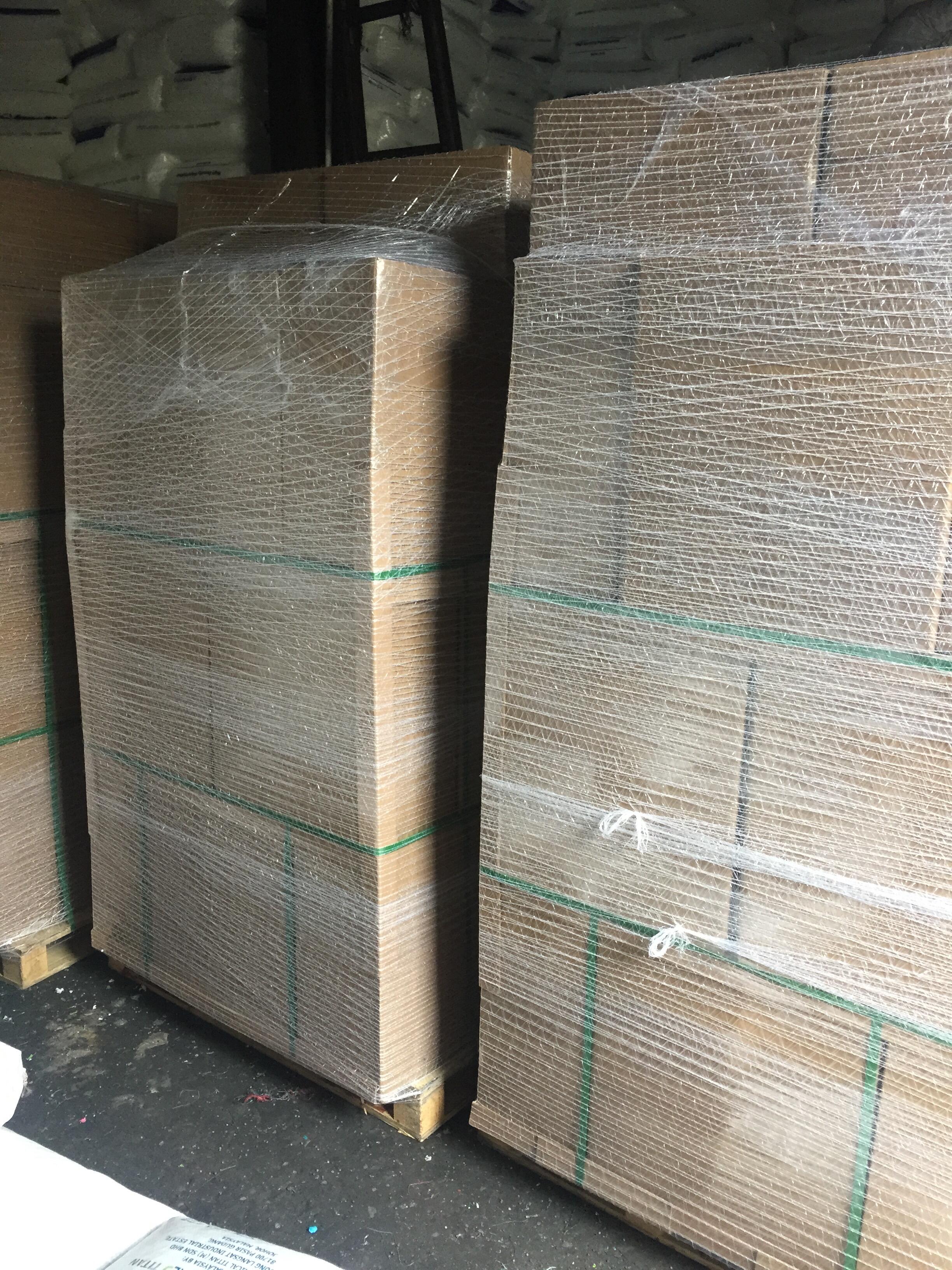
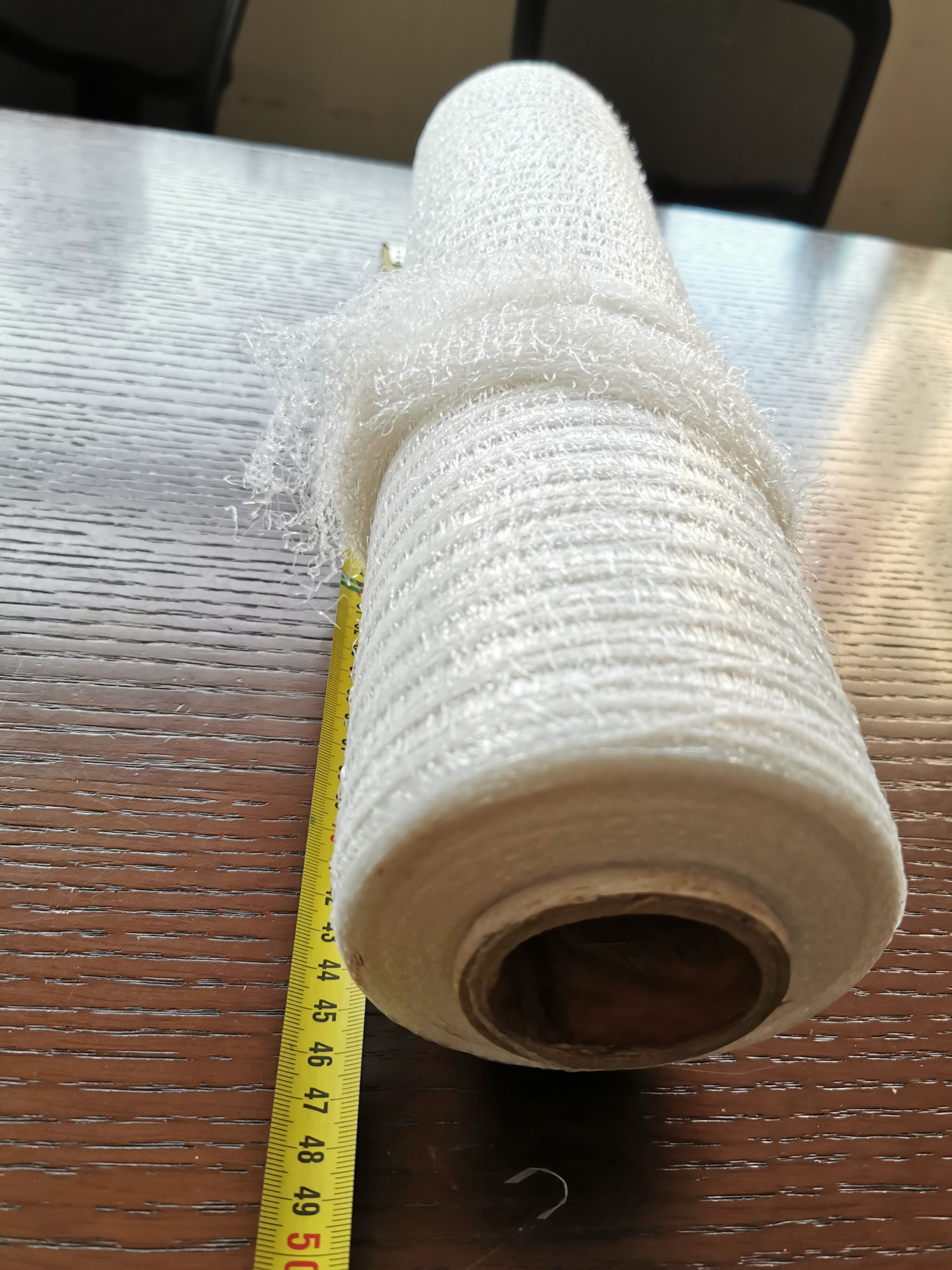
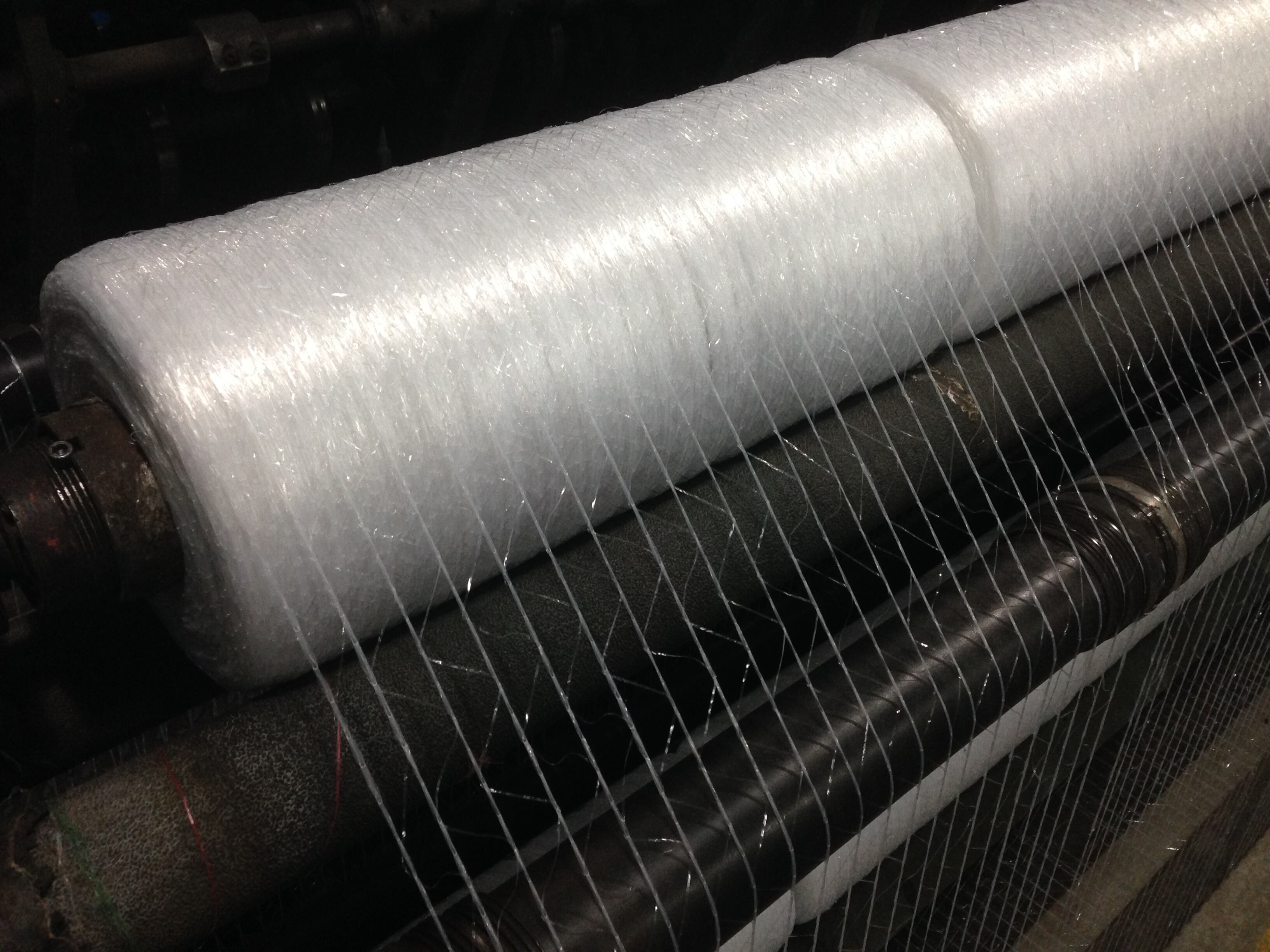
Net wrap for round balers represents a revolutionary advancement in hay and forage packaging technology that has transformed modern agricultural operations. This specialized agricultural material consists of a lightweight, high-strength plastic mesh designed specifically to secure and protect round bales during formation, storage, and transportation. The net wrap for round balers functions as a binding agent that replaces traditional twine systems, offering superior coverage and protection for valuable crop materials. The primary function of net wrap for round balers centers on creating a secure, weather-resistant barrier around hay, straw, silage, and other forage materials. This innovative wrapping solution utilizes advanced polymer technology to deliver exceptional tensile strength while maintaining flexibility under various weather conditions. The technological features of net wrap for round balers include UV-resistant additives that prevent degradation from sunlight exposure, ensuring long-term durability in outdoor storage environments. The mesh structure allows proper air circulation while preventing moisture penetration, creating optimal conditions for forage preservation. Modern net wrap for round balers incorporates sophisticated manufacturing processes that ensure consistent mesh density and uniform strength distribution across the entire wrap surface. Applications for net wrap for round balers span across diverse agricultural sectors, including dairy farming, beef cattle operations, horse facilities, and commercial hay production. The versatility of net wrap for round balers makes it suitable for wrapping various crop types, from delicate alfalfa to coarse straw materials. Farmers utilize net wrap for round balers to create compact, transportable bales that maintain their structural integrity during handling and storage. The standardized dimensions of net wrap for round balers ensure compatibility with most modern round baler equipment, facilitating seamless integration into existing farming operations. This agricultural innovation significantly reduces labor requirements while improving bale quality and storage efficiency across different farming applications.
 EN
EN