trellis net
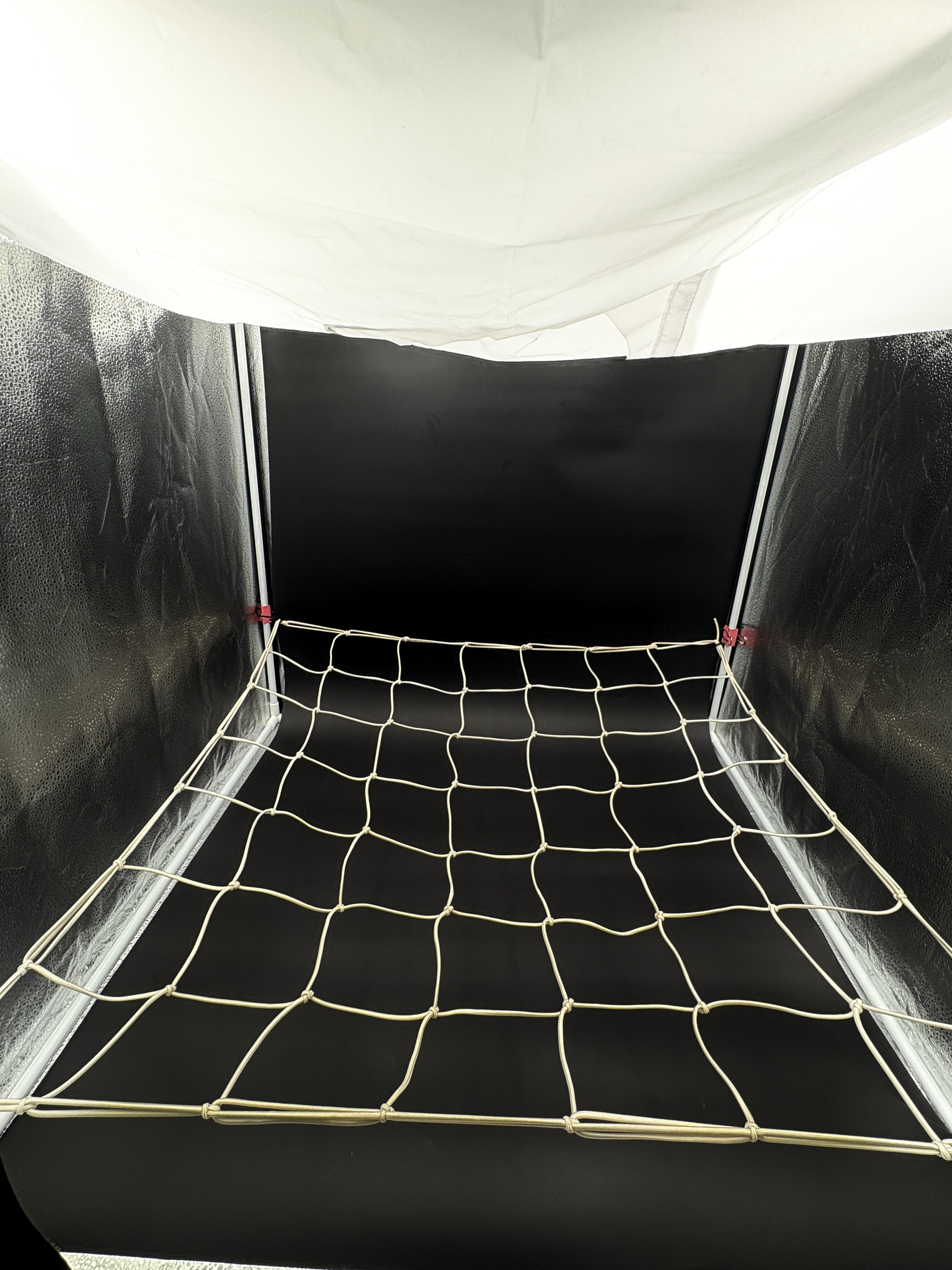
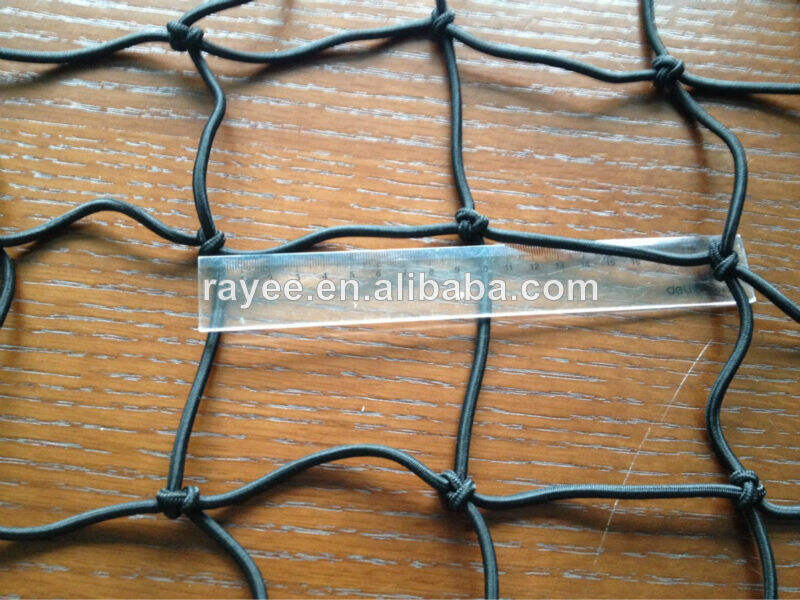
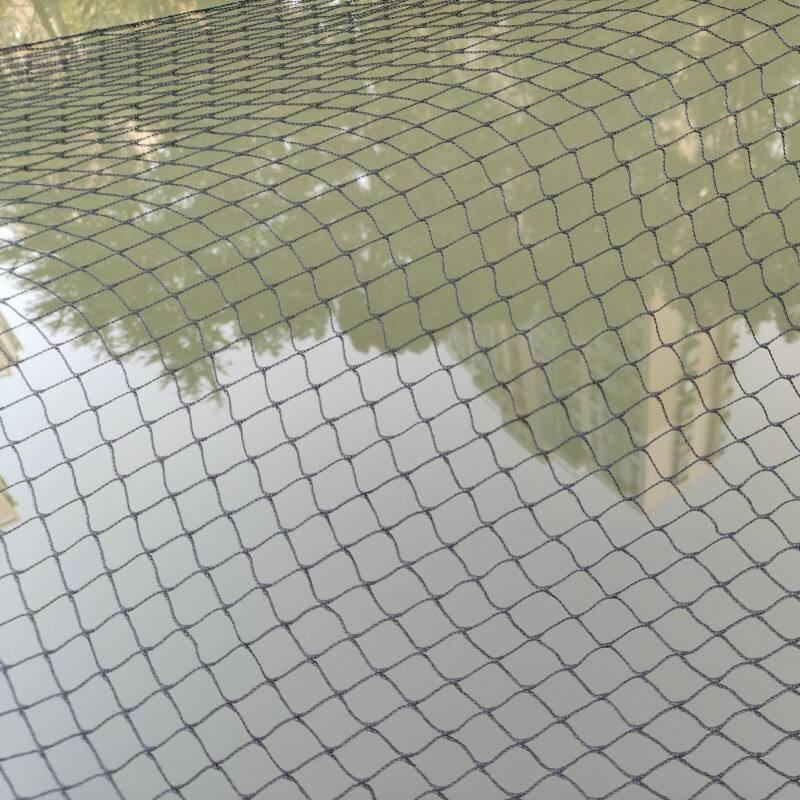
Trellis net represents a revolutionary agricultural support system that transforms how farmers and gardeners manage climbing plants, vines, and vegetables. This innovative mesh structure consists of durable synthetic materials woven into precise geometric patterns that provide optimal support for plant growth while maximizing space efficiency. The trellis net functions as a vertical growing framework that allows plants to climb naturally, reducing ground space requirements and improving air circulation around crops. Modern trellis net systems incorporate advanced polymer technology that resists UV degradation, weather extremes, and chemical exposure, ensuring long-lasting performance in diverse agricultural environments. The technological features of trellis net include precisely engineered mesh openings that accommodate different plant types, from delicate cucumber vines to robust tomato plants. These openings typically range from 4 to 8 inches, providing adequate space for plant growth while maintaining structural integrity. The net construction utilizes high-tensile strength materials that can support substantial plant loads without sagging or breaking. Advanced manufacturing processes ensure consistent mesh geometry and optimal knot strength at intersection points. Applications for trellis net extend across multiple agricultural sectors, including commercial vegetable production, greenhouse operations, backyard gardening, and landscape architecture. Commercial growers utilize trellis net systems to maximize crop yields per square foot, particularly for vine crops like cucumbers, peas, beans, and melons. Greenhouse operators benefit from vertical growing capabilities that increase production capacity within limited space. Home gardeners appreciate how trellis net transforms small garden areas into productive growing spaces. The system supports proper plant training, reduces disease pressure through improved air circulation, and simplifies harvesting operations. Landscape architects integrate trellis net into green walls and vertical garden designs, creating living architectural elements that enhance aesthetic appeal while providing functional growing space for ornamental climbing plants and edible crops.
 EN
EN