orchard bird netting
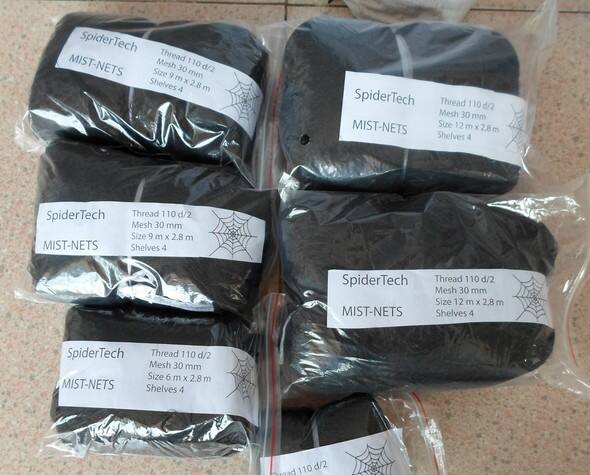
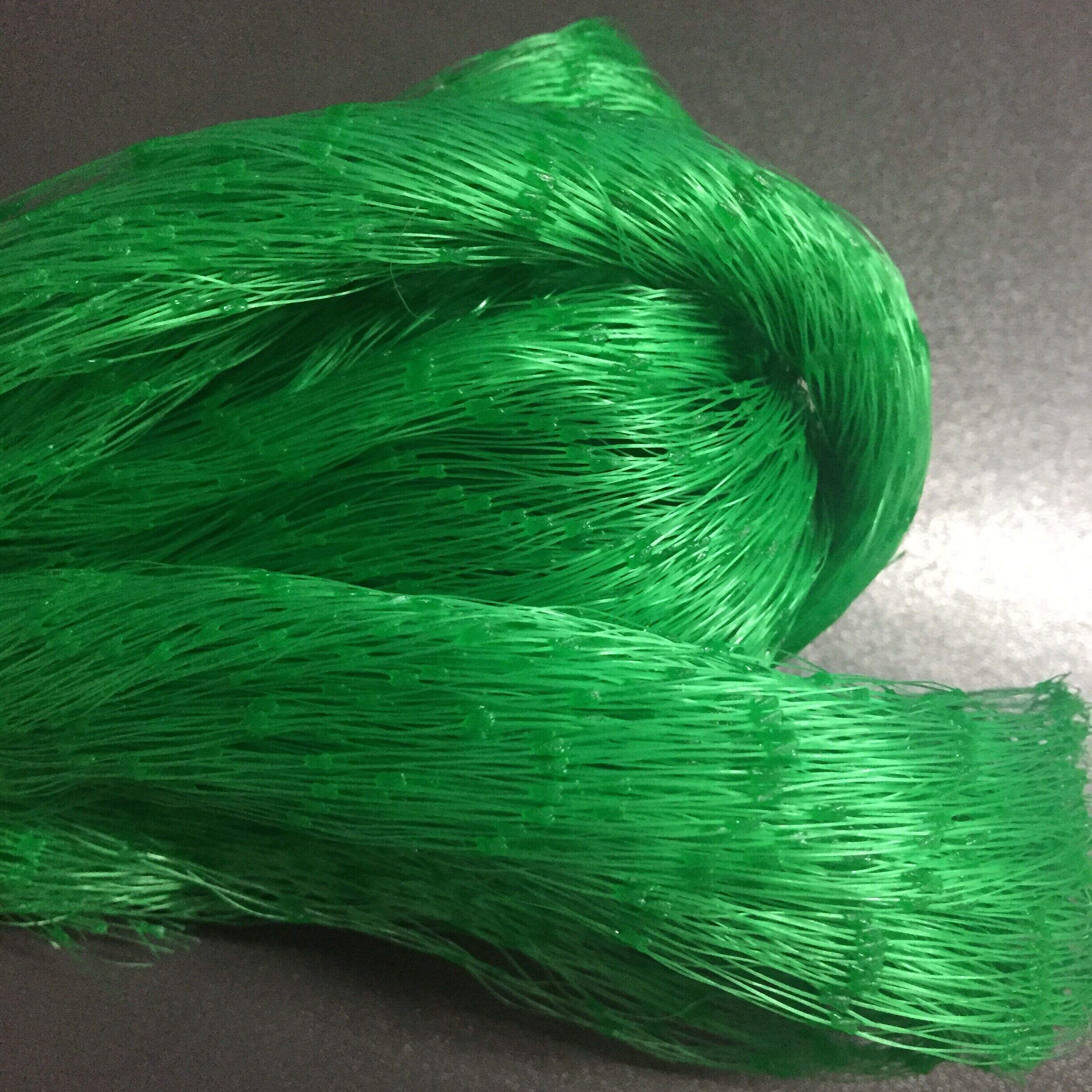
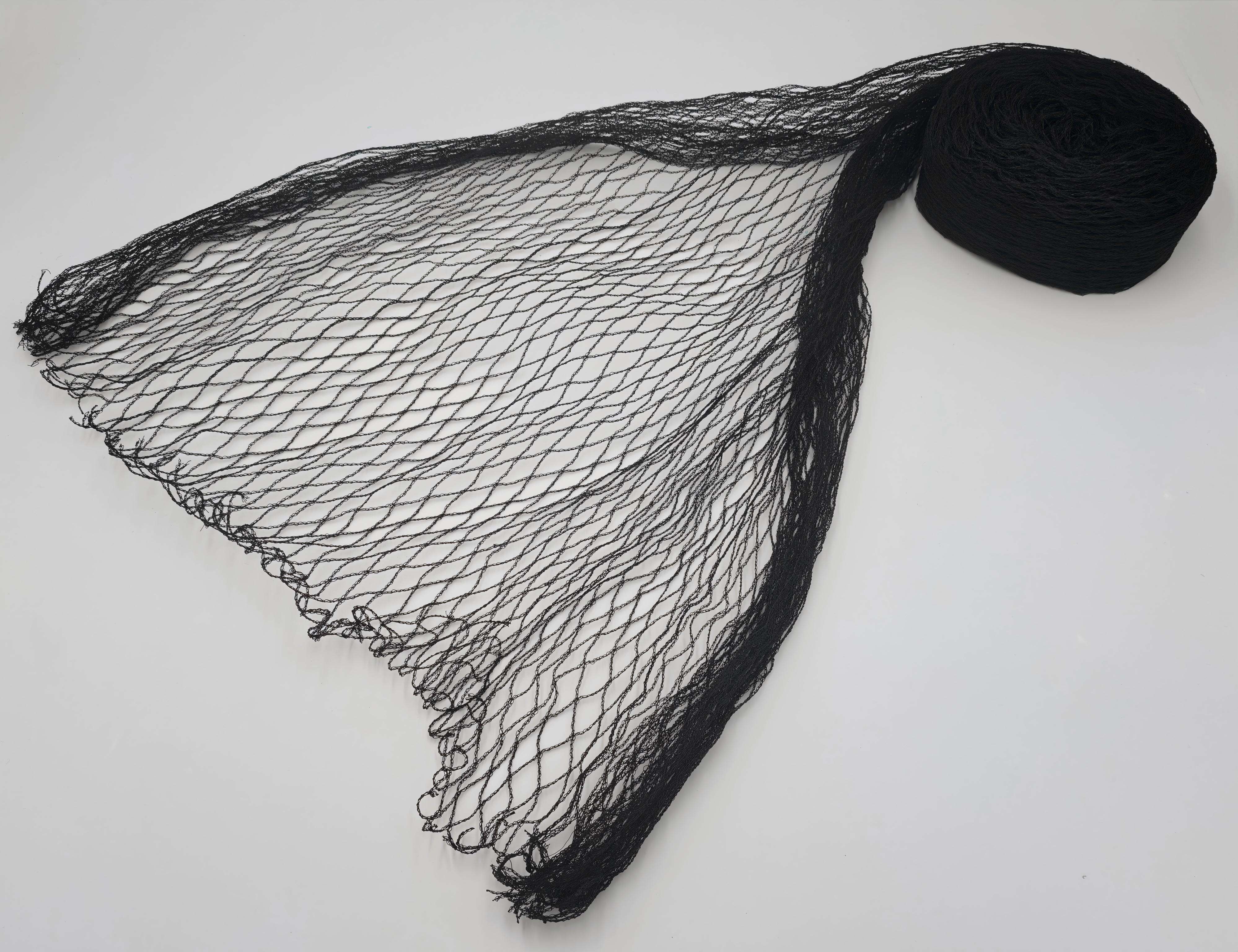
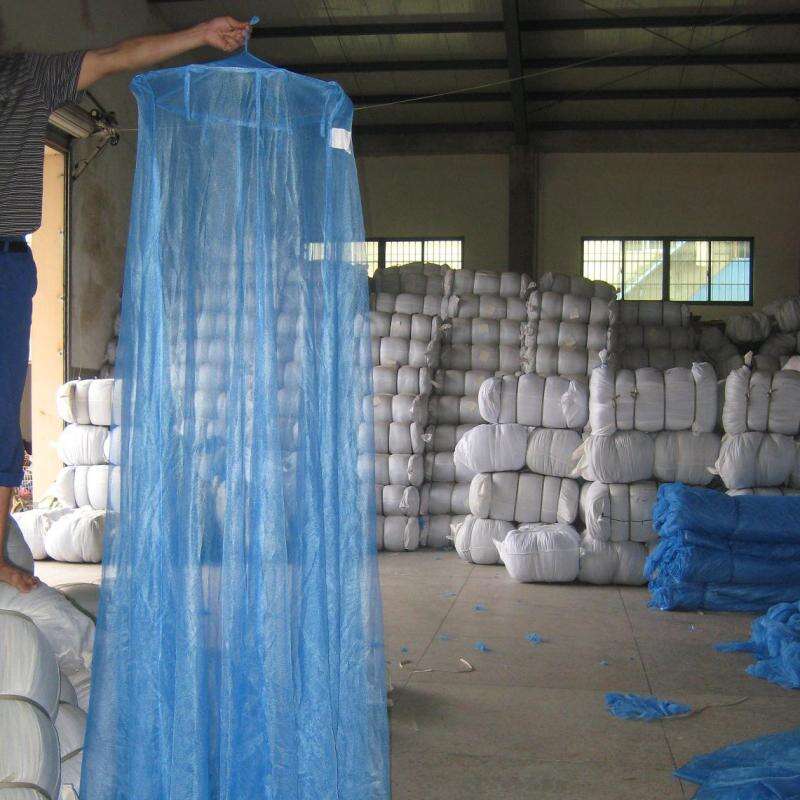
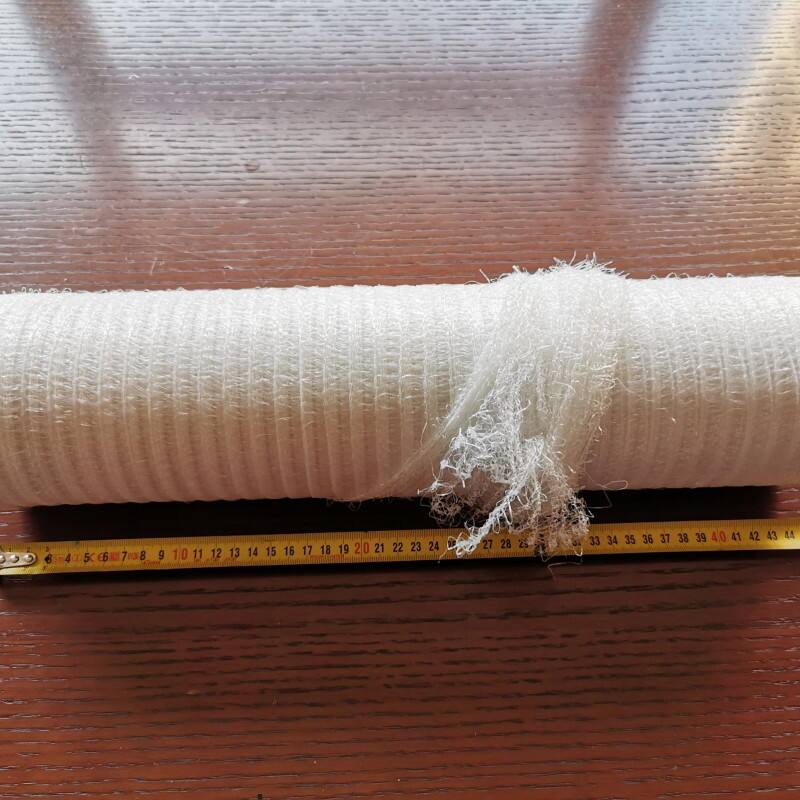
Orchard bird netting represents a revolutionary protective solution designed to safeguard fruit crops from avian damage while maintaining ecological balance. This specialized agricultural barrier system utilizes advanced polymer materials engineered to create an effective shield over fruit trees and crop areas. The primary function of orchard bird netting involves preventing birds from accessing ripening fruits, which can cause significant economic losses for commercial growers and home gardeners alike. The netting operates through a physical exclusion method, creating a barrier that allows sunlight, air circulation, and natural precipitation to reach crops while deterring unwanted bird intrusion. Technological features of modern orchard bird netting include UV-stabilized materials that resist degradation from prolonged sun exposure, ensuring longevity and cost-effectiveness. The mesh structure incorporates precise aperture sizing that prevents bird entry while permitting beneficial insects like bees and other pollinators to access flowers during blooming periods. Advanced manufacturing processes ensure the netting maintains flexibility in various weather conditions, from extreme heat to freezing temperatures. The lightweight construction facilitates easy installation and removal, making seasonal application practical for different crop cycles. Applications of orchard bird netting span diverse agricultural sectors, including commercial fruit orchards, vineyards, berry farms, and residential gardens. The system proves particularly valuable for protecting high-value crops such as cherries, grapes, blueberries, strawberries, and stone fruits. Professional installers utilize specialized support structures and tensioning systems to ensure proper coverage without damaging tree branches or restricting natural growth patterns. The netting accommodates various orchard configurations, from traditional row plantings to modern high-density systems, making it versatile for different agricultural approaches and farm sizes across global markets.
 EN
EN