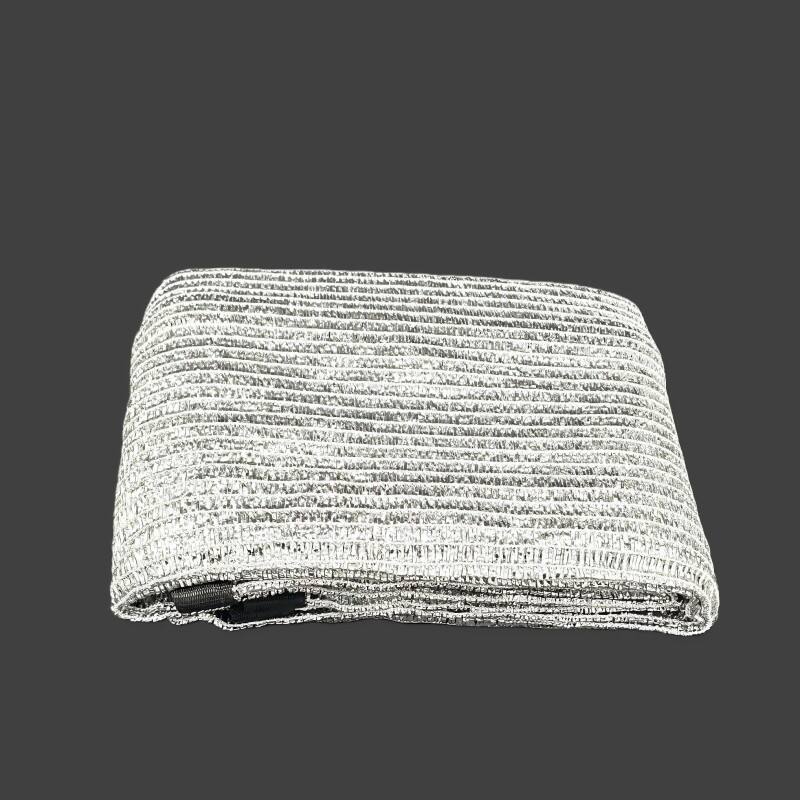
nylon monofilament fishing net
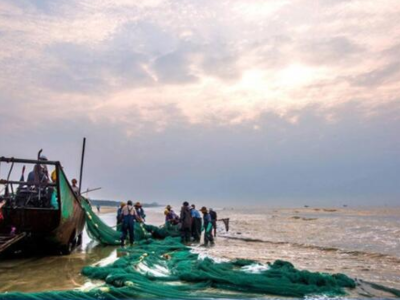
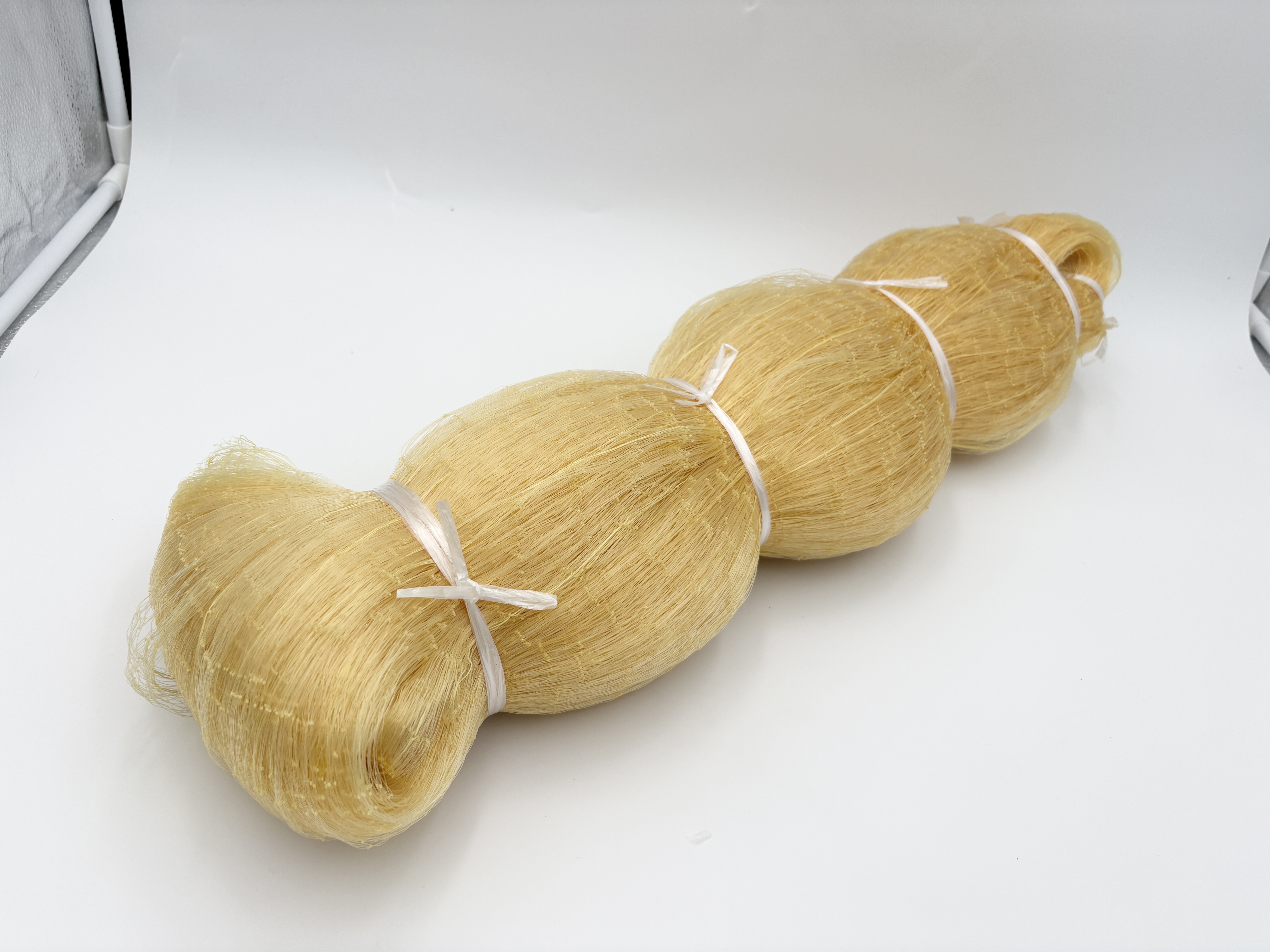
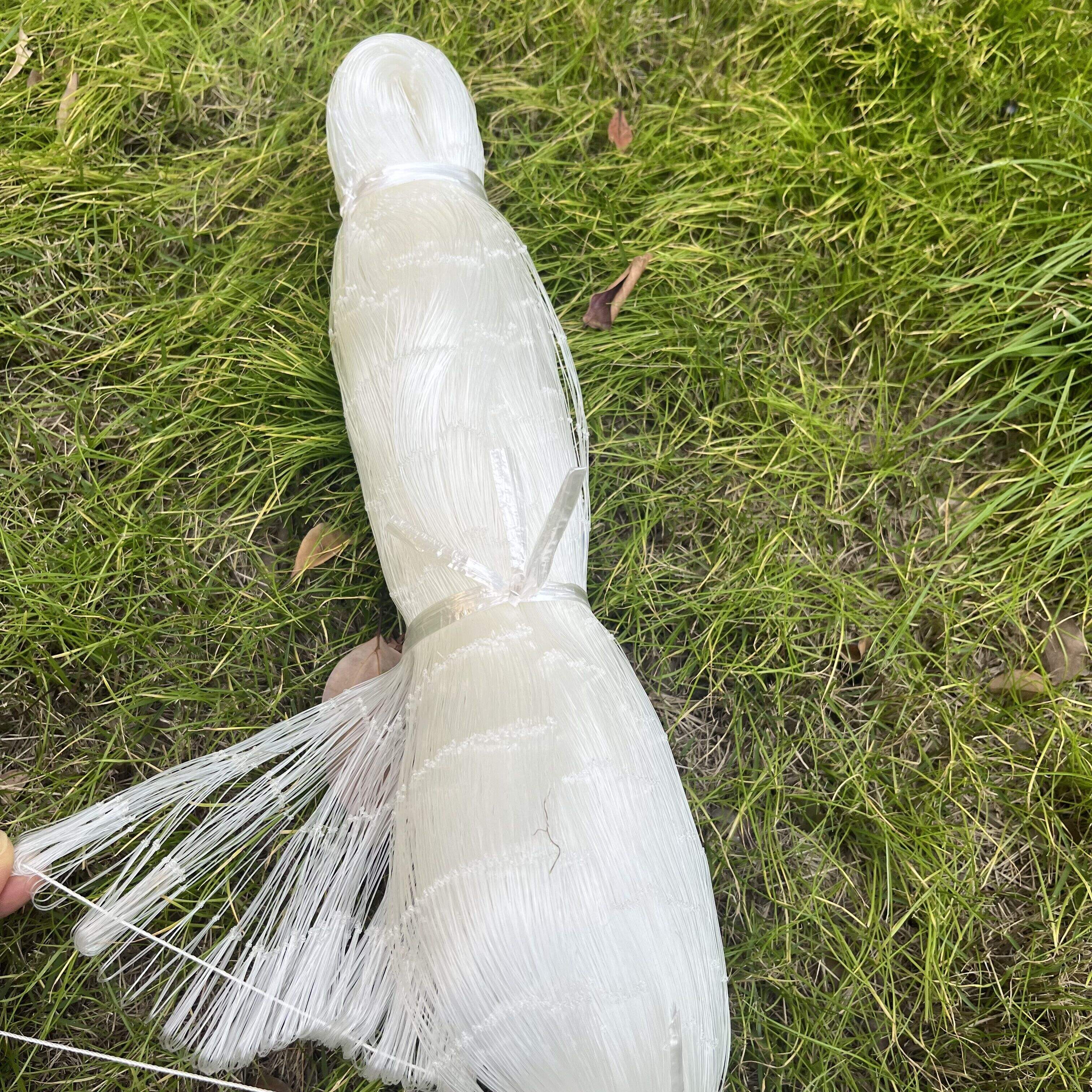
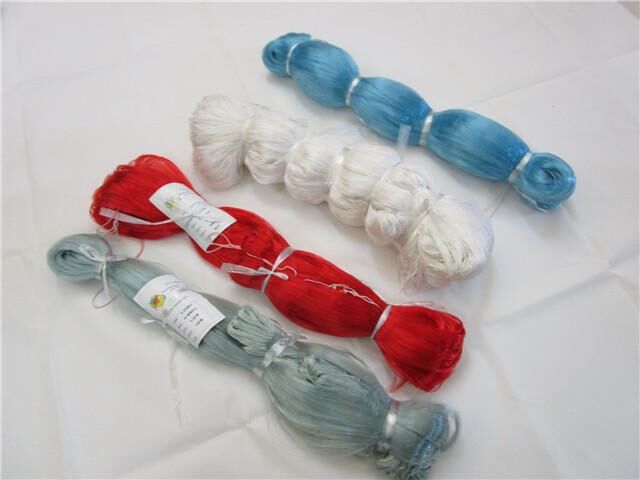
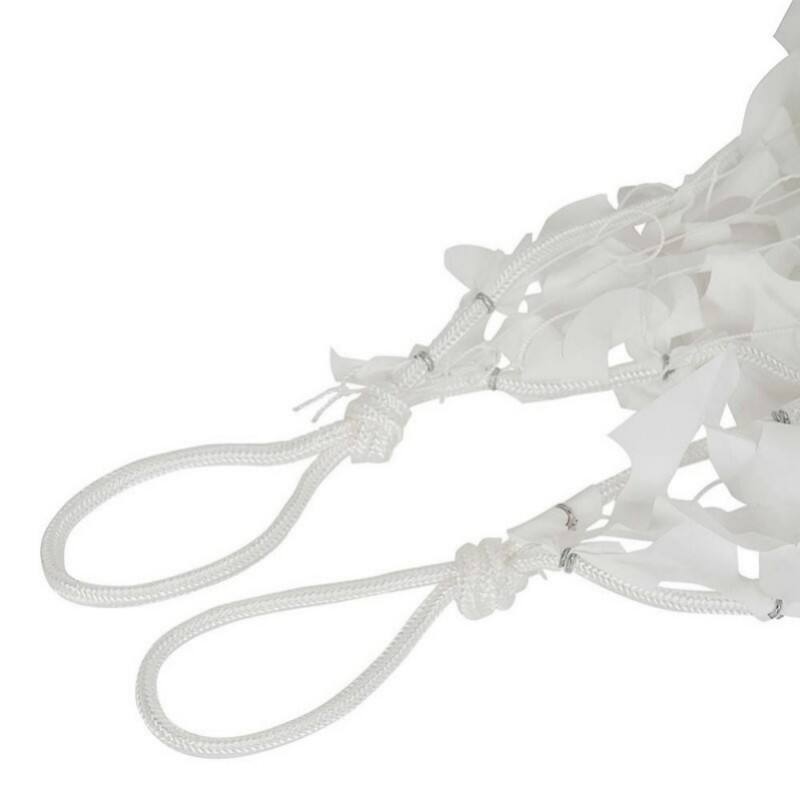
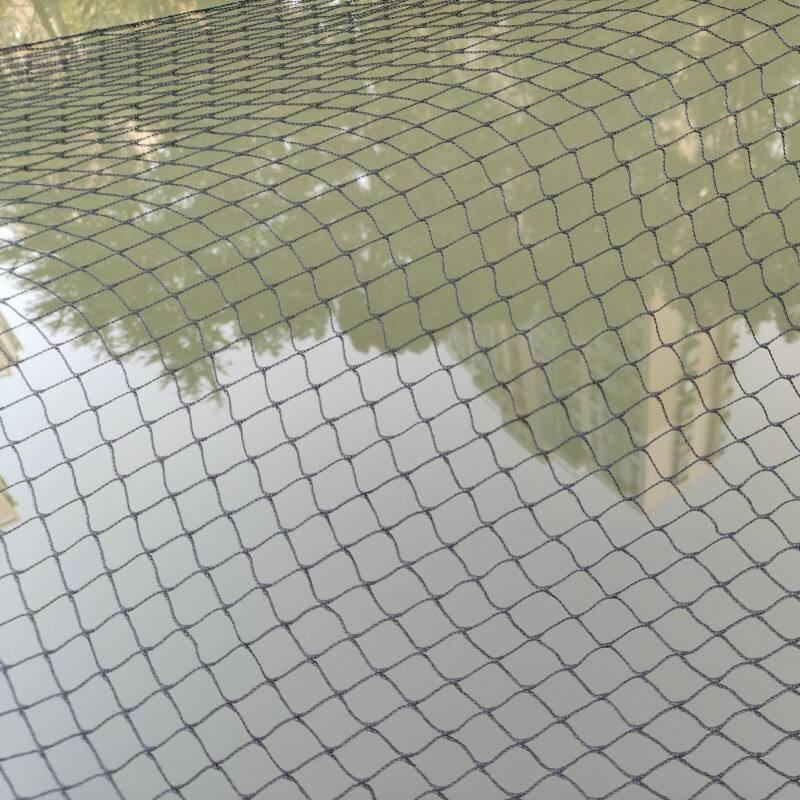
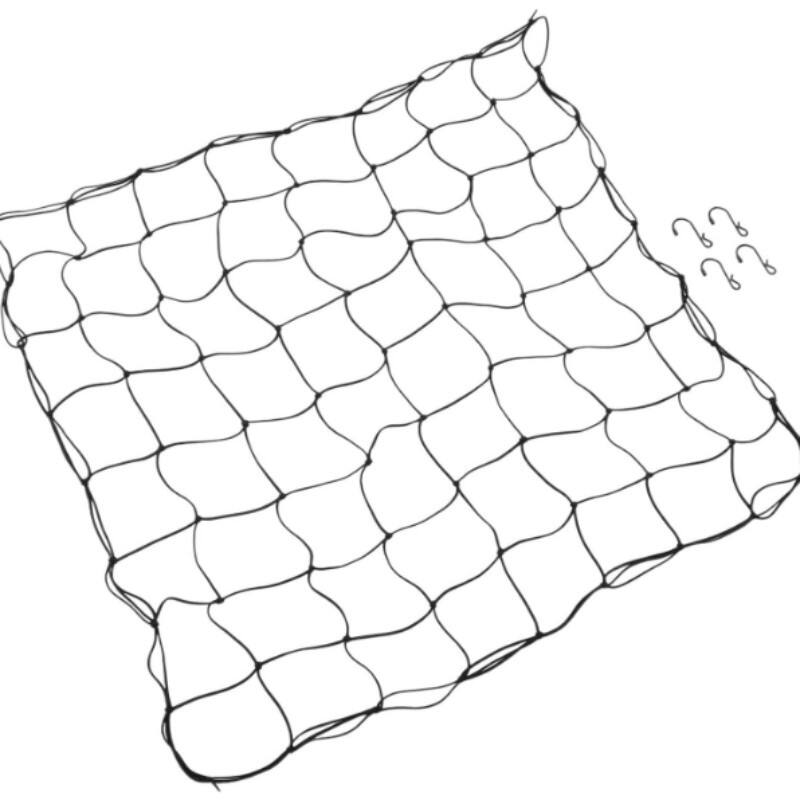
Nylon monofilament fishing net represents a revolutionary advancement in aquaculture and commercial fishing technology. This specialized fishing equipment consists of a single continuous strand of nylon polymer that forms a mesh structure designed to capture various aquatic species efficiently. The nylon monofilament fishing net distinguishes itself from traditional multifilament nets through its unique construction method, where individual fibers are extruded as one solid piece rather than twisted together from multiple strands. This manufacturing process creates a smooth, uniform surface that reduces water resistance and increases overall performance. The primary functions of nylon monofilament fishing net include commercial fishing operations, aquaculture farming, recreational angling, and marine research applications. Its technological features encompass superior tensile strength, exceptional elasticity, and remarkable resistance to environmental factors such as UV radiation, saltwater corrosion, and temperature fluctuations. The net's monofilament structure provides enhanced visibility underwater while maintaining optimal flexibility for various fishing techniques. Professional fishermen and aquaculture operators utilize nylon monofilament fishing net for trawling, gillnetting, seining, and pond management activities. The material's inherent properties make it suitable for both freshwater and saltwater environments, accommodating diverse fishing requirements across different geographical regions. Advanced manufacturing techniques ensure consistent diameter measurements throughout the entire net structure, promoting uniform catch rates and reducing fish escape incidents. The nylon monofilament fishing net also features excellent knot retention capabilities, allowing secure connections between mesh sections without compromising structural integrity. Its lightweight design facilitates easy handling and deployment, reducing labor costs and operational complexity for fishing crews. Additionally, the material's resistance to bacterial growth and organic degradation extends the product's lifespan significantly compared to natural fiber alternatives, making it a cost-effective investment for professional fishing operations.
 EN
EN