bird repellent netting
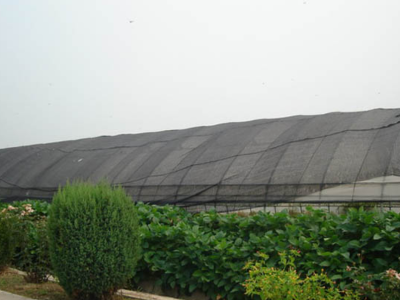
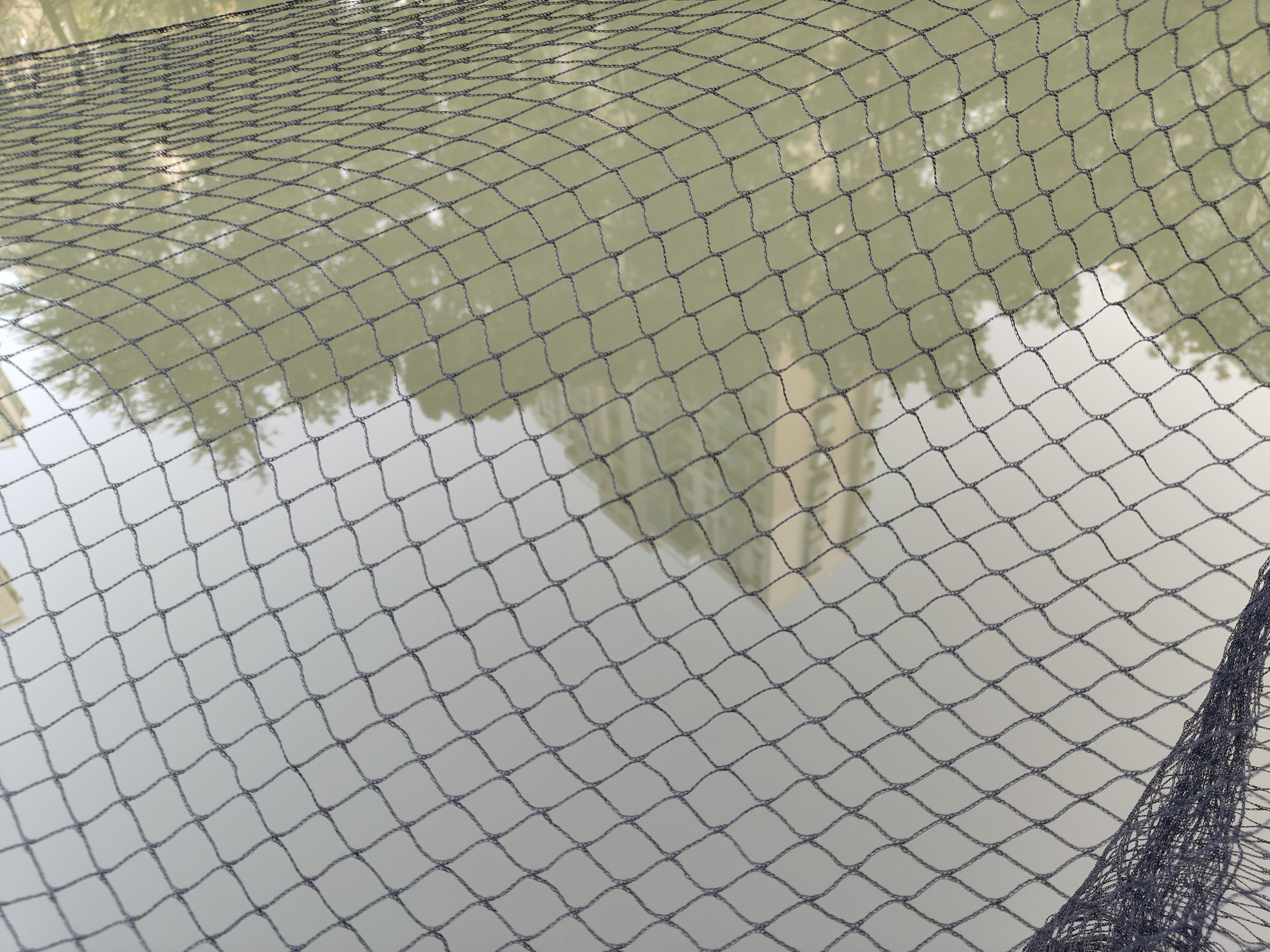
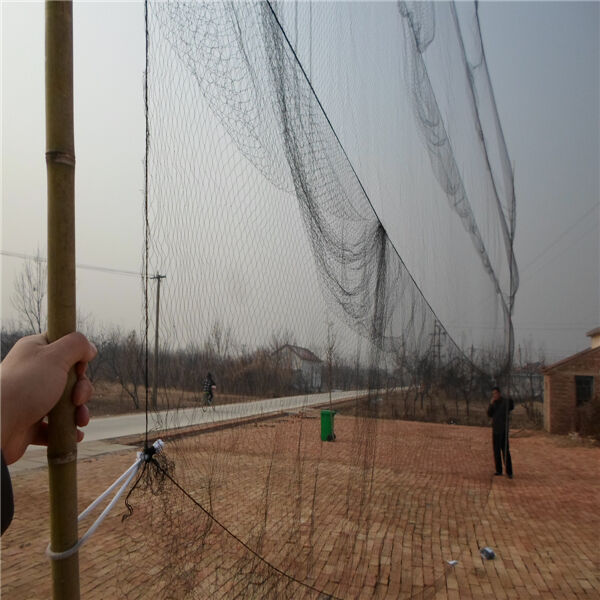
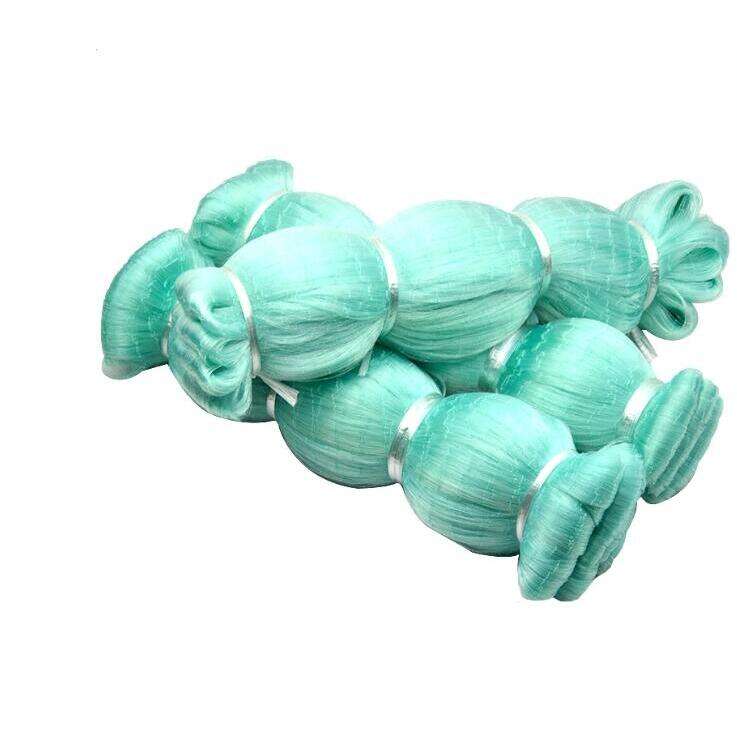
Bird repellent netting represents a revolutionary approach to wildlife management, providing property owners with an effective, humane solution for protecting their spaces from unwanted avian visitors. This specialized protective barrier combines advanced polymer technology with strategic design principles to create an invisible shield that deters birds without causing harm. The primary function of bird repellent netting centers on creating physical barriers that prevent birds from accessing specific areas while maintaining the aesthetic appeal of the protected space. Unlike traditional deterrent methods that rely on chemicals or harmful devices, bird repellent netting offers a sustainable, environmentally friendly alternative that respects wildlife while safeguarding human interests. The technological features of modern bird repellent netting include UV-resistant materials that withstand prolonged sun exposure without degrading, ensuring long-term effectiveness. The netting utilizes high-density polyethylene or polypropylene construction, engineered to resist weathering, stretching, and tearing under various environmental conditions. Advanced manufacturing processes create precise mesh patterns that effectively exclude target bird species while allowing smaller beneficial insects to pass through unimpeded. The applications for bird repellent netting span diverse sectors, from residential gardens and commercial agriculture to industrial facilities and recreational areas. Homeowners frequently install bird repellent netting over vegetable gardens, fruit trees, and ornamental plants to prevent crop damage and maintain landscape beauty. Commercial enterprises utilize these systems to protect warehouses, loading docks, and outdoor dining areas from bird-related contamination and property damage. Agricultural operations depend on bird repellent netting to safeguard valuable crops during critical growing seasons, significantly reducing financial losses from bird feeding. The versatility of bird repellent netting extends to specialized applications including airport runway protection, aquaculture pond coverage, and historic building preservation, demonstrating its adaptability across multiple industries and use cases.
 EN
EN