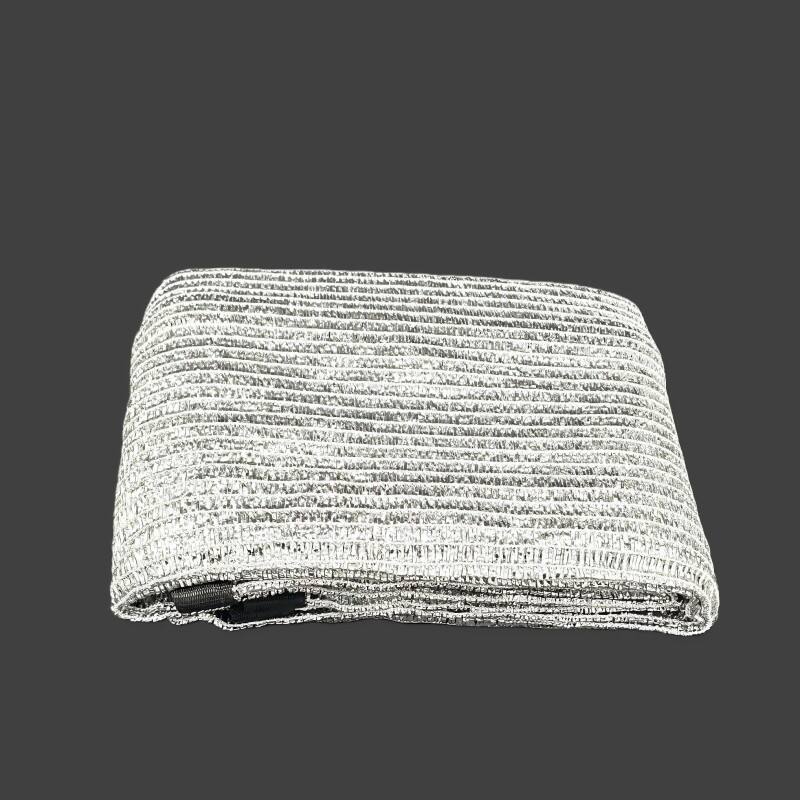
garden camouflage netting
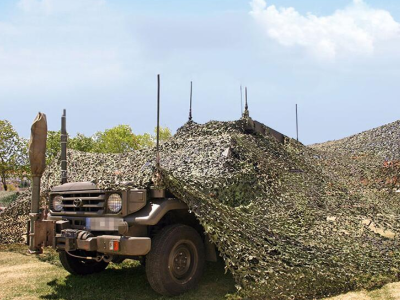
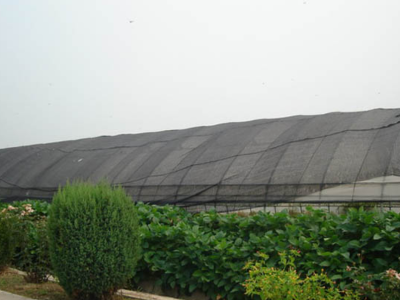
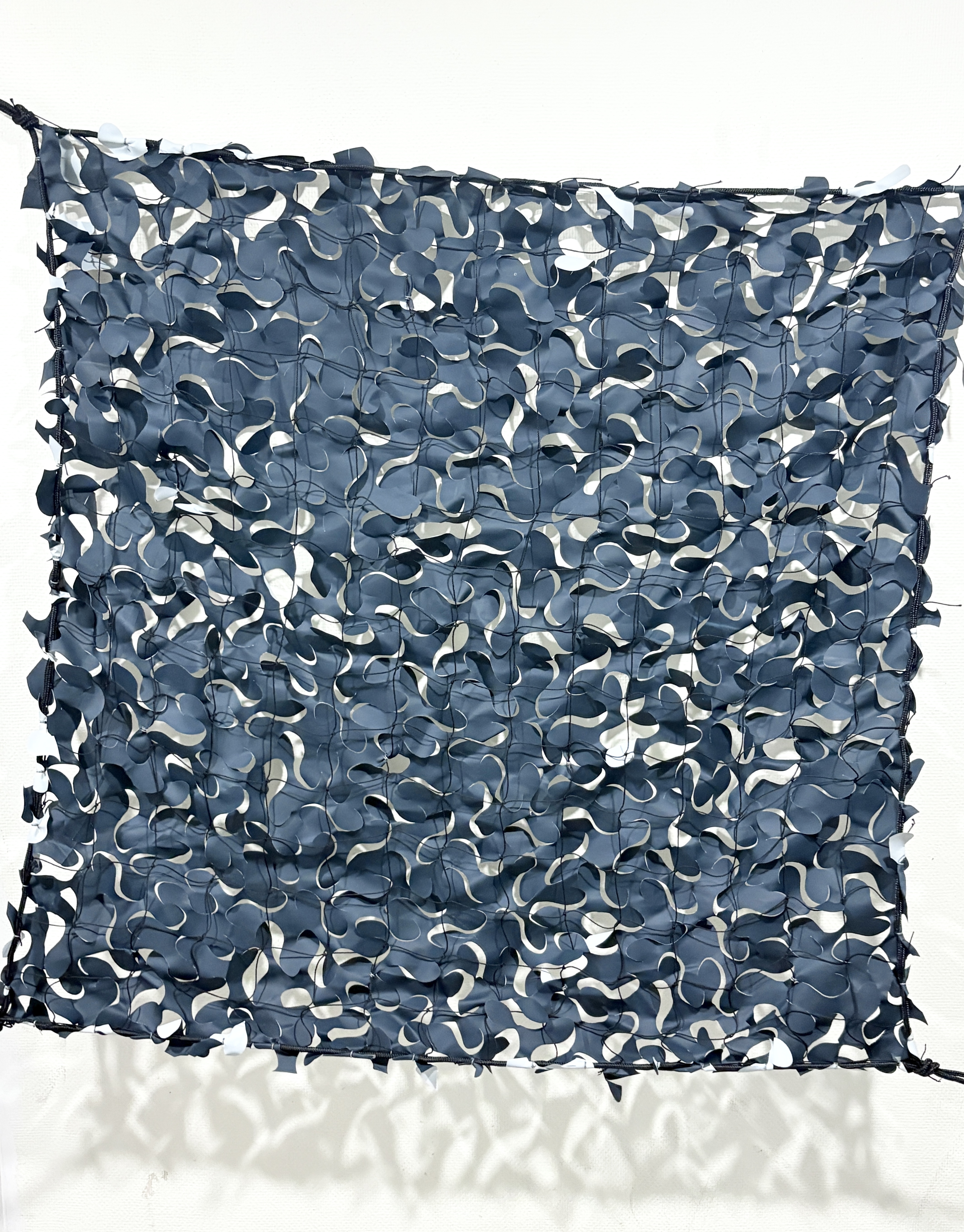
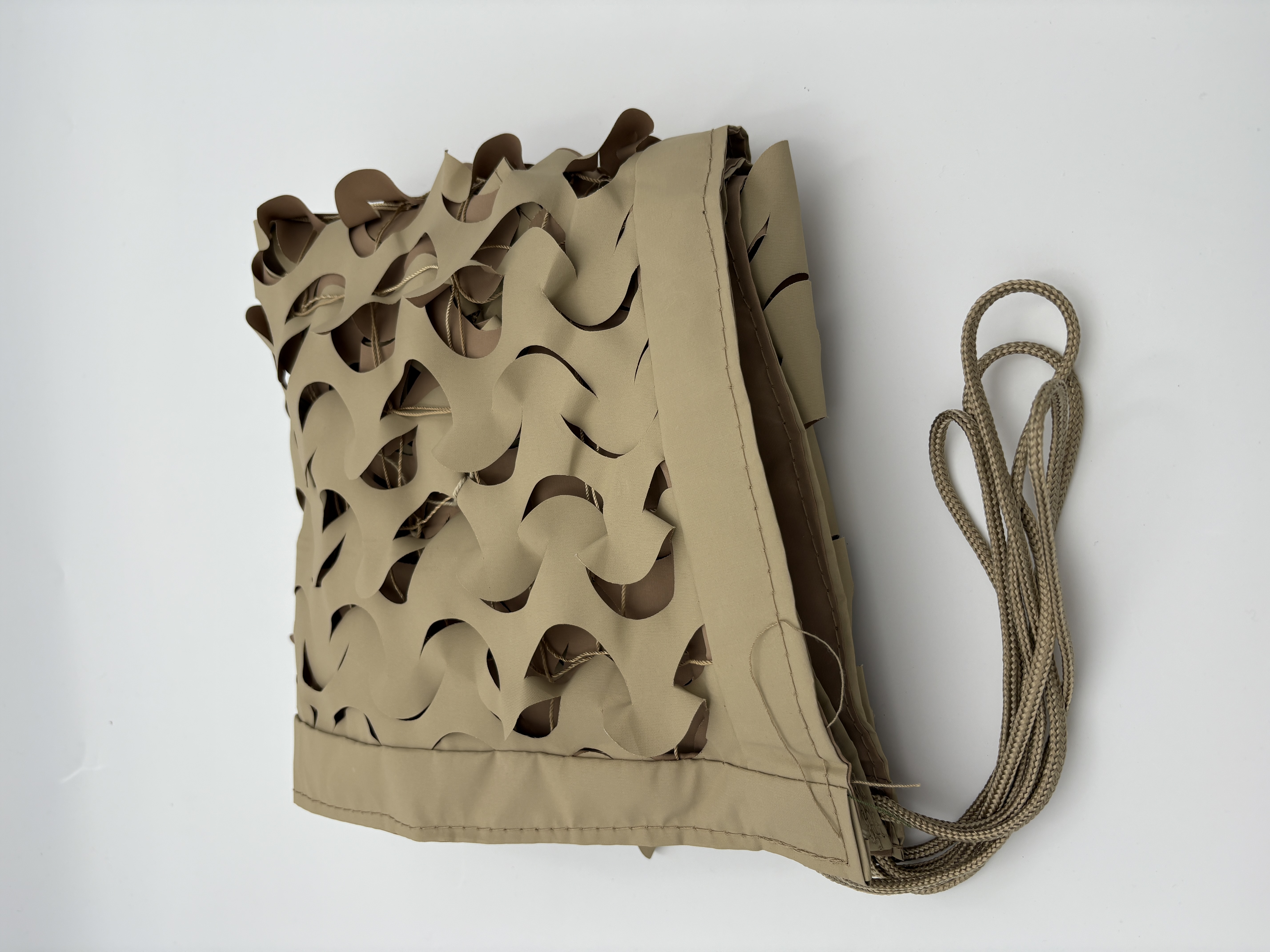
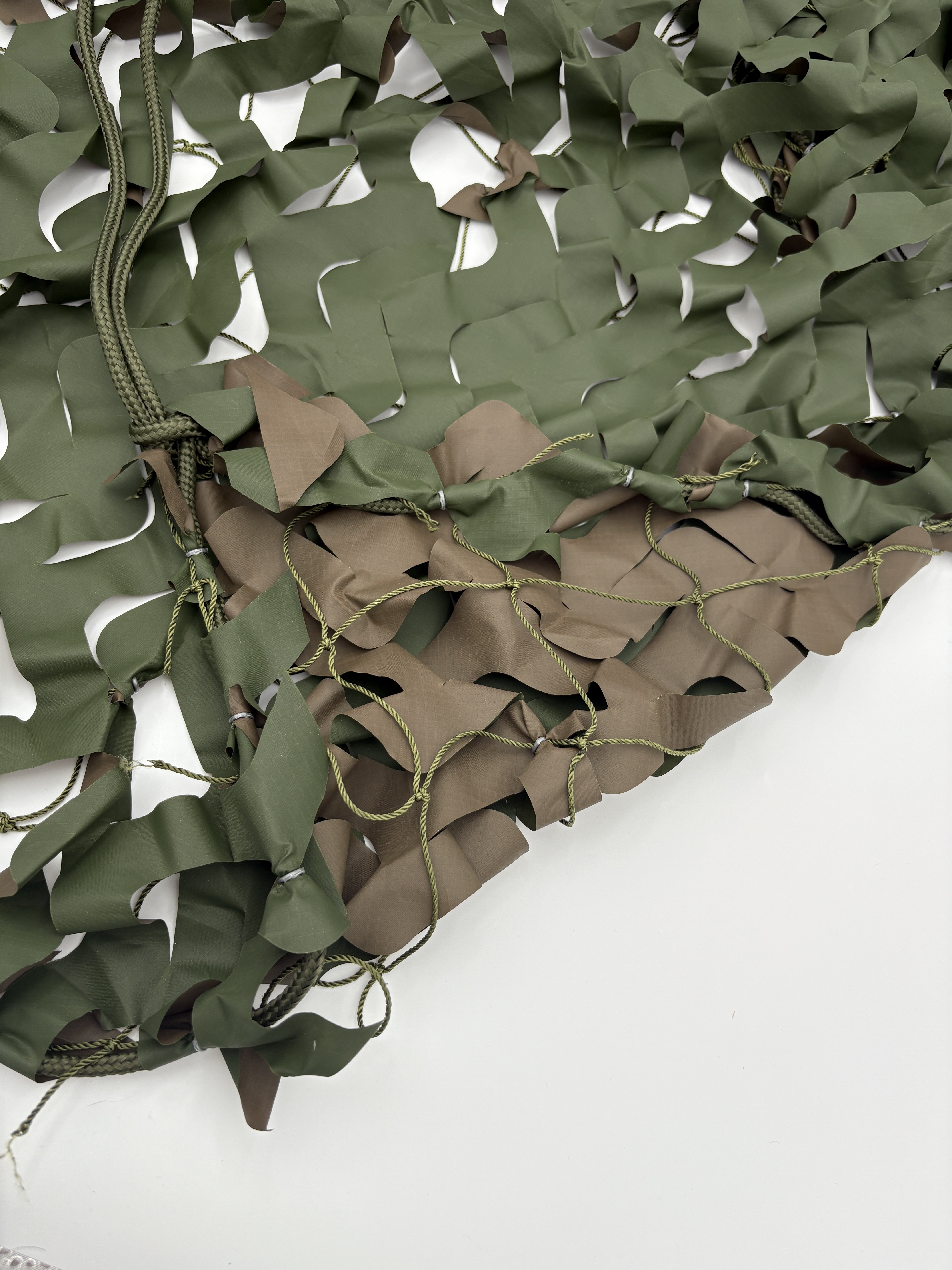
Garden camouflage netting represents a versatile outdoor solution designed to blend seamlessly with natural environments while providing practical functionality for various gardening and landscaping applications. This specialized netting combines durability with aesthetic appeal, offering property owners an effective way to conceal, protect, and enhance their outdoor spaces. The primary functions of garden camouflage netting include visual screening, wildlife protection, privacy enhancement, and environmental integration. Modern garden camouflage netting utilizes advanced polyethylene or polypropylene materials that resist UV degradation, weathering, and tearing. The manufacturing process incorporates multi-colored threads woven in random patterns that mimic natural foliage, bark, and woodland textures. This sophisticated design approach ensures the netting maintains its camouflage effectiveness across different seasons and lighting conditions. Technological features include reinforced edges with grommets for secure installation, breathable mesh construction that allows air circulation, and fade-resistant colorants that maintain appearance over extended periods. The netting typically features varying mesh densities, ranging from 40% to 90% coverage, allowing users to select appropriate opacity levels for specific applications. Applications for garden camouflage netting span numerous outdoor scenarios including concealing storage areas, screening unsightly structures, protecting sensitive plants from harsh weather, creating wildlife observation blinds, establishing temporary boundaries, and enhancing property aesthetics. The netting proves particularly valuable for concealing air conditioning units, garbage areas, compost bins, and utility installations while maintaining natural landscape harmony. Installation flexibility represents another key characteristic, as the lightweight material can be easily attached to fences, frames, trees, or support posts using various mounting methods. The netting adapts to irregular surfaces and can be cut to custom dimensions without compromising structural integrity, making it suitable for diverse garden configurations and specialized applications requiring discrete visual screening solutions.
 EN
EN