Exceptional Durability and Weather Resistance Engineering
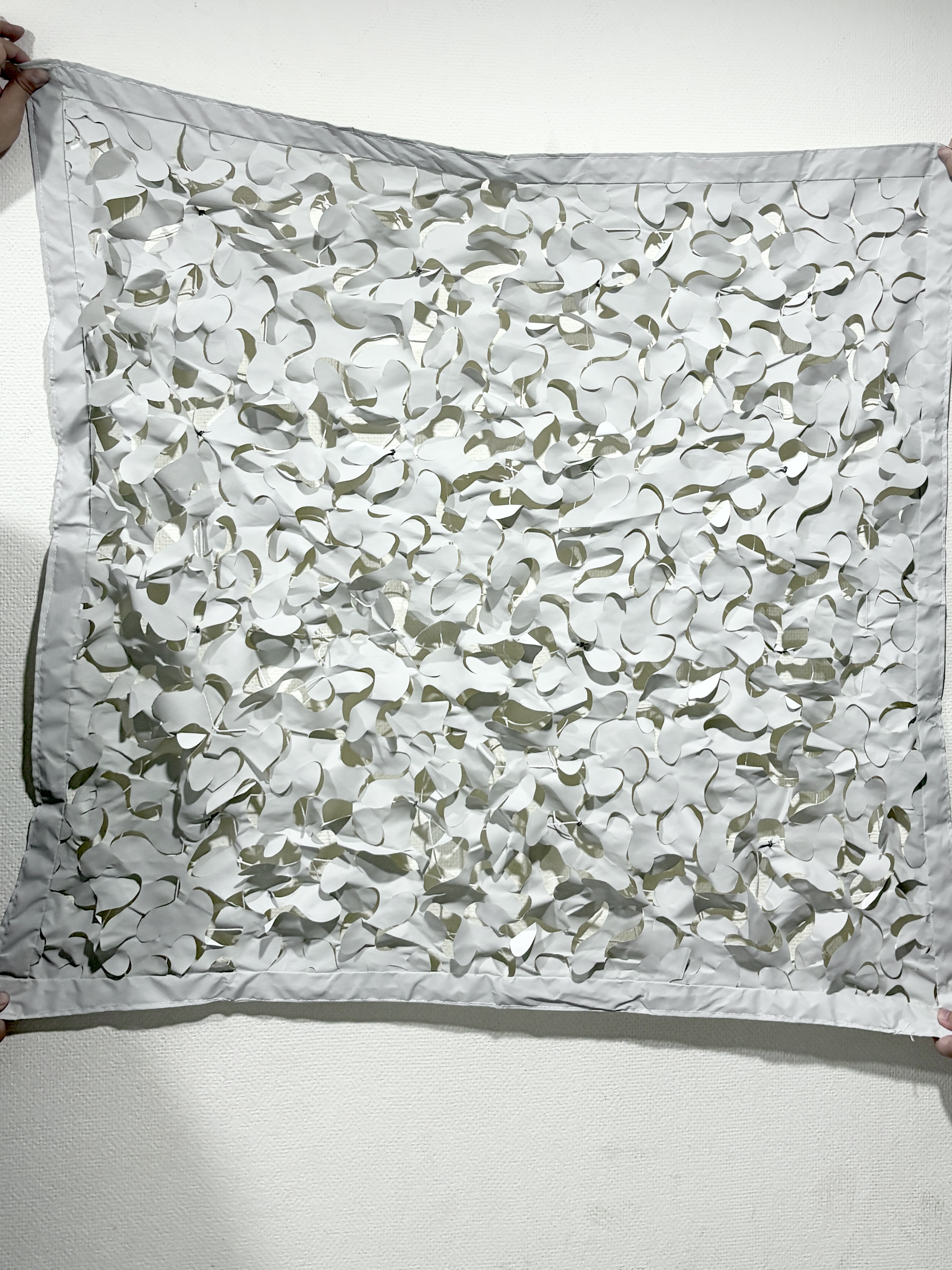
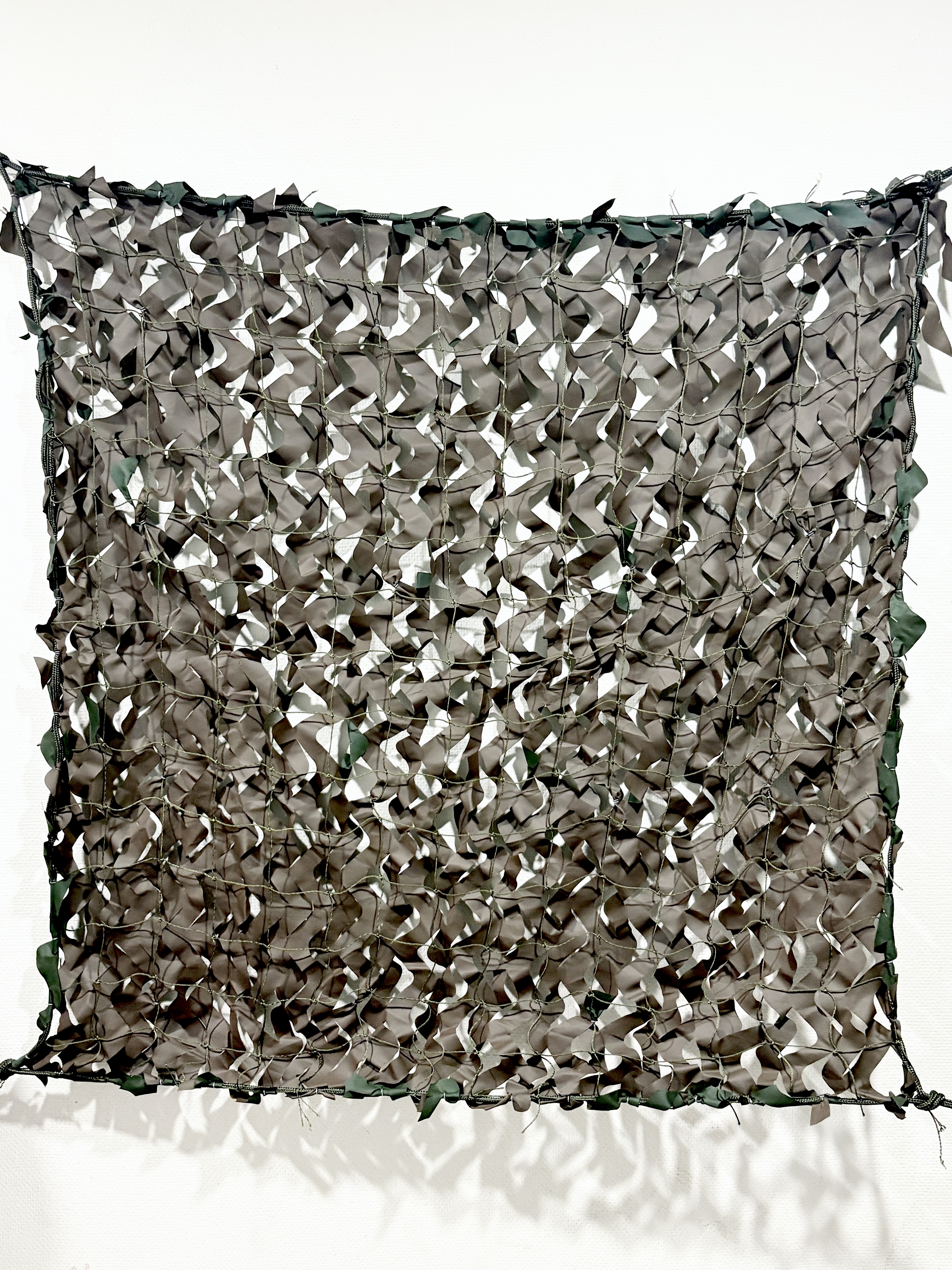
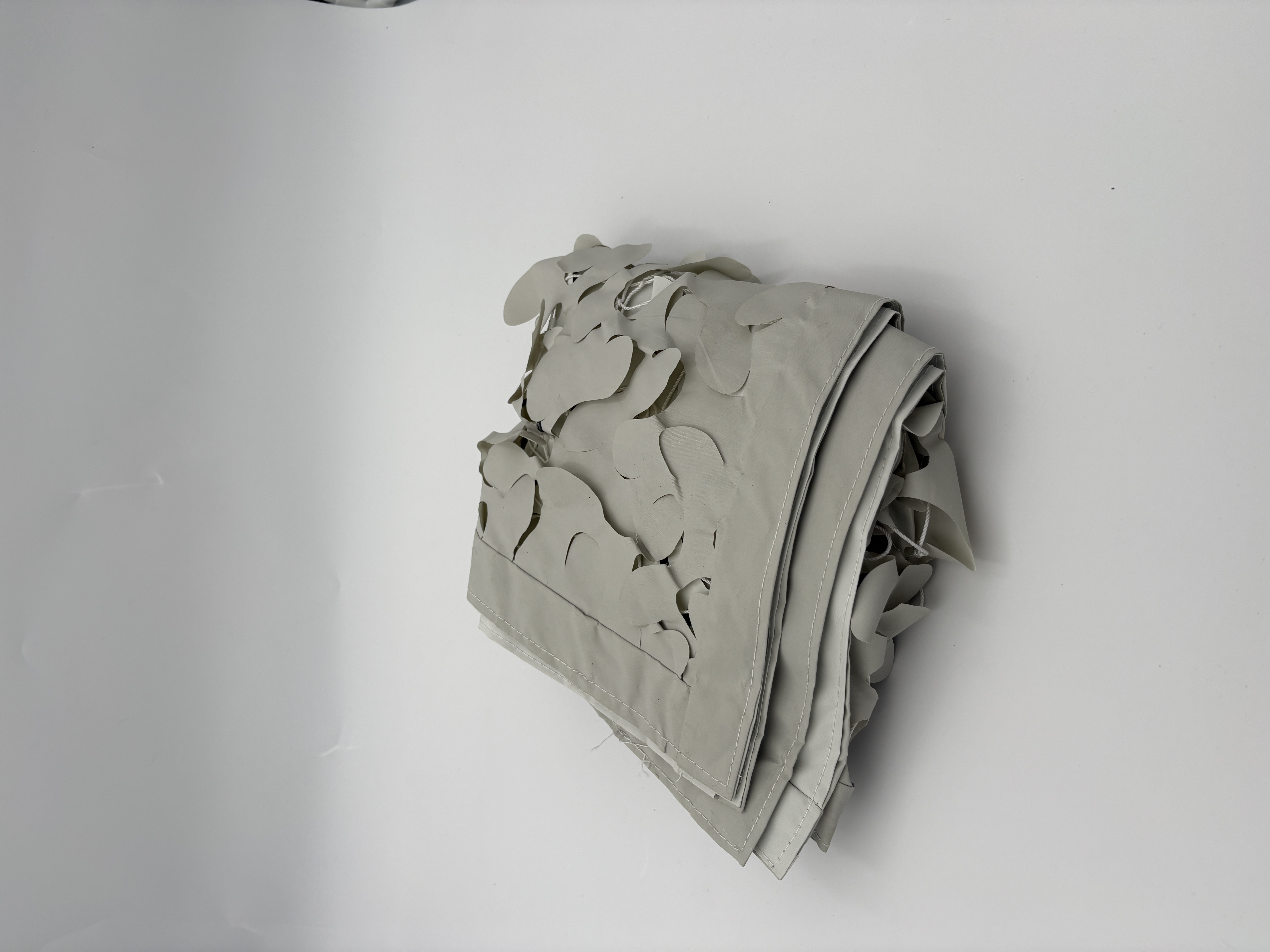
The engineering excellence behind camouflage netting for shade durability systems ensures long-term performance under harsh outdoor conditions through advanced material science and construction techniques that far exceed standard outdoor fabric specifications. The foundation of this durability begins with high-grade synthetic fiber selection, utilizing solution-dyed polymers that integrate color throughout the fiber structure rather than surface treatments, preventing color loss from abrasion, washing, or chemical exposure. Reinforced construction methods include double-stitched seams with UV-resistant thread, heat-sealed edges that prevent fraying, and strategically placed stress distribution points that manage load forces during high-wind conditions. The weather resistance capabilities encompass protection against multiple environmental challenges including temperature extremes, moisture exposure, chemical contamination, and mechanical stress from wind and debris impact. Advanced water-repellent treatments allow moisture to bead and drain quickly while preventing absorption that leads to mildew growth, fabric stretching, and freeze-damage in cold climates. The camouflage netting for shade maintains structural integrity through temperature cycles ranging from arctic conditions to desert heat, with specialized fiber treatments that prevent brittleness in cold weather and softening in extreme heat. Wind resistance engineering utilizes calculated porosity levels that allow controlled airflow while preventing the fabric from acting as a sail during storms, reducing stress on anchor points and support structures. The material composition resists degradation from salt air exposure, making camouflage netting for shade suitable for coastal applications where salt spray typically accelerates fabric deterioration. Chemical resistance properties protect against common outdoor contaminants including acid rain, industrial pollutants, and cleaning chemicals used in maintenance procedures, ensuring consistent appearance and performance over extended service periods. Abrasion resistance testing demonstrates superior performance against scratching from branches, rocks, and equipment contact, while tear propagation resistance prevents small damages from expanding into major failures. The reinforced attachment points utilize heavy-duty grommets and reinforcement patches that distribute load stress over larger fabric areas, preventing the progressive enlargement of attachment holes that commonly leads to premature failure in outdoor fabrics. Quality assurance testing includes accelerated aging procedures that simulate years of outdoor exposure in controlled laboratory conditions, validating projected service life claims and ensuring consistent manufacturing standards across production batches of camouflage netting for shade products.
 EN
EN