 EN
EN

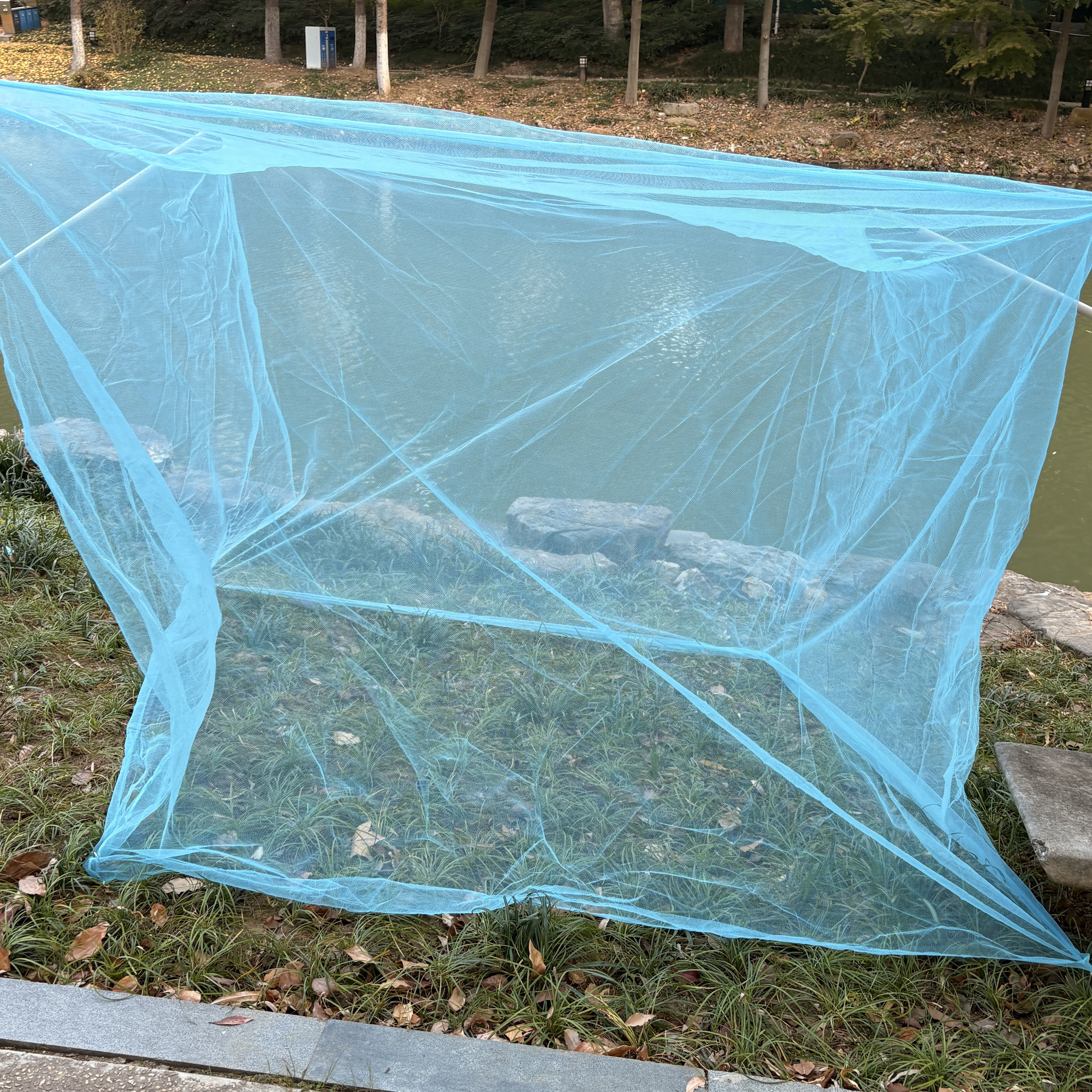
Komfort i przewiewność moskitiery odgrywają kluczową rolę w zapewnieniu spokojnego snu przy jednoczesnym skutecznym zabezpieczeniu przed owadami. Nowoczesne moskitiery są projektowane z wykorzystaniem zaawansowanych materiałów i technik tkackich, które zapewniają równowagę między ochroną a przepływem powietrza, tworząc optymalne środowisko do snu. Zrozumienie kluczowych czynników wpływających na przewiewność pozwala konsumentom podejmować świadome decyzje przy wyborze odpowiedniego bariery ochronnej dla swoich domów. Elementy konstrukcyjne, które czynią moskitierę wygodną, wykraczają poza sam wybór tkaniny i obejmują gęstość siatki, skład włókien oraz metody wykonania, które w połączeniu tworzą idealny mikroklimat wokół miejsca snu.
Skład materiału i technologia włókien
Zalety poliestru w konstrukcji moskitier
Poliestrowe materiały stały się preferowanym materiałem do produkcji wysokiej klasy moskitierek dzięki wyjątkowej kombinacji trwałości i przepuszczalności powietrza. Syntetyczne włókna zachowują integralność strukturalną, umożliwiając przy tym optymalny przepływ powietrza przez mikroskopijne przestrzenie między splątanymi niciami. Ten materiał charakteryzuje się znacznie lepszą odpornością na pochłanianie wilgoci, zapobiegając tym samym jej nasyceniu i stawaniu się ciężką lub przywierającą w warunkach wilgotnego klimatu. Lekkość poliestru zapewnia naturalne opadanie moskitierki bez tworzenia kieszonek powietrznych, które mogłyby pogorszyć wentylację.
Skład chemiczny poliestru pozwala producentom tworzyć nadzwyczaj cienkie włókna, które zachowują wytrzymałość przy jednoczesnym maksymalnym zwiększeniu porowatości. Włókna te odporność na rozciąganie i utrzymują swój kształt przez długie okresy, zapewniając spójne wzory przepływu powietrza przez cały okres użytkowania siatki. Zaawansowane formuły poliestru zawierają również środki przeciwdrożdżowe i przeciwbakteryjne, które zapobiegają rozwojowi bakterii bez wpływu na przepuszczalność powietrza. Szybko schnące właściwości materiału zapewniają, że wszelka gromadząca się wilgoć szybko paruje, utrzymując komfortowe warunki do snu.
Gęstość siatki i wzory przędzenia
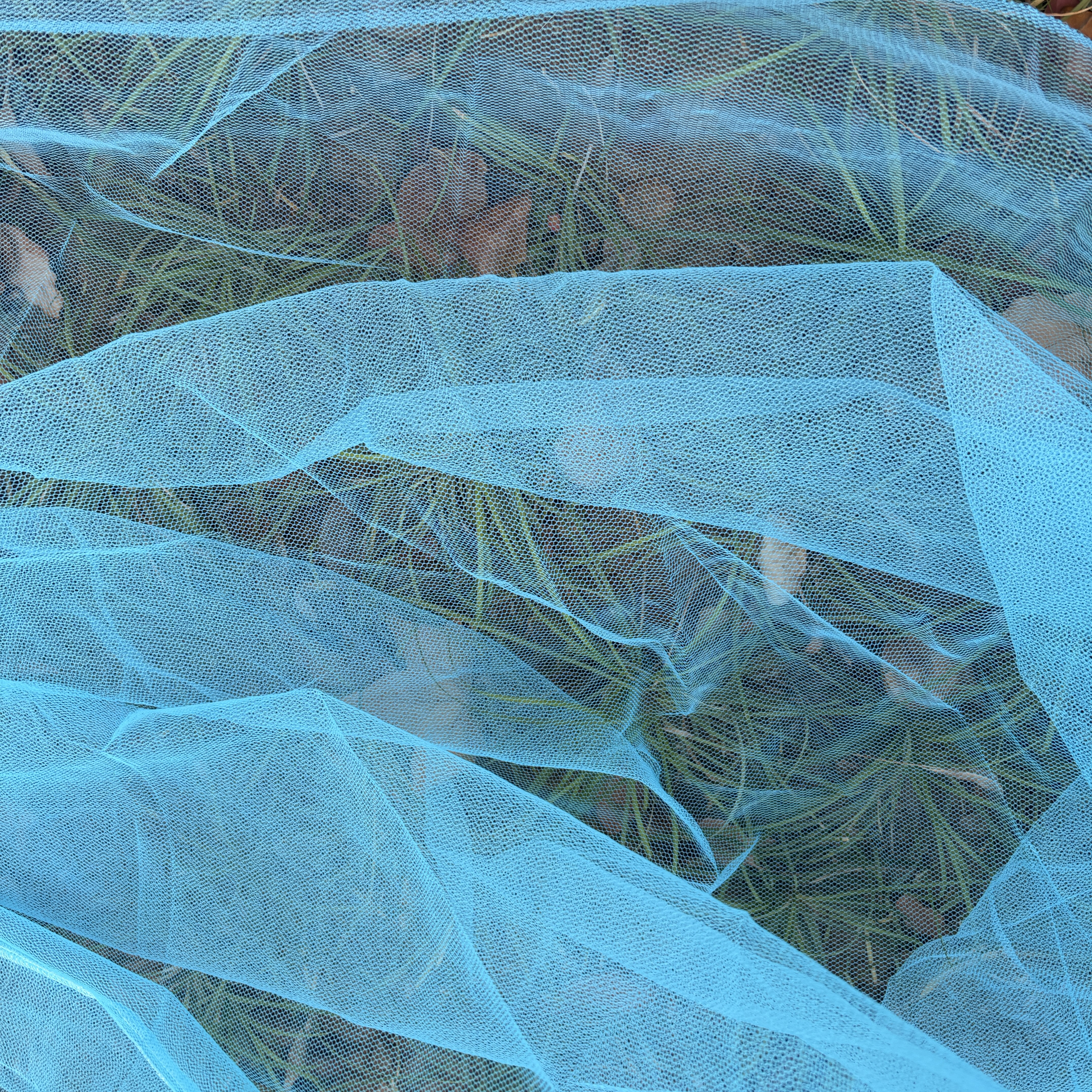
Związek między gęstością siatki a przepuszczalnością powietrza stanowi kluczowy balans inżynierski w projektowaniu moskitierek. Optymalne konfiguracje siatki charakteryzują się zwykle 156–196 otworami na cal kwadratowy, zapewniając skuteczną ochronę przed owadami przy jednoczesnym zachowaniu znacznej przepuszczalności powietrza. Taka gęstość zapobiega przedostawaniu się komarów i innych małych owadów przez barierę, umożliwiając jednocześnie wystarczający przepływ powietrza, który zapobiega nagromadzeniu ciepła. Wzór tkania wpływa na sposób przemieszczania się powietrza przez tkaninę – określone konfiguracje tworzą przepływ kierunkowy, który wzmacnia efekt chłodzenia.
Wzory tkanych w wielu kierunkach tworzą złożone kanały powietrzne, które sprzyjają wentylacji krzyżowej i zapobiegają powstawaniu stref stojącego powietrza w chronionej przestrzeni. Liczbę nitek oraz odstępy między nimi oblicza się z precyzją tak, aby zmaksymalizować procentową powierzchnię otwartą przy jednoczesnym zachowaniu integralności strukturalnej. Zaawansowane techniki tkania wykorzystują różne poziomy naprężeń nitek, tworząc mikrostrefy wentylacyjne w całej powierzchni siatka przeciwmoskity powierzchni. Te zaprojektowane wariacje zapewniają stały przepływ powietrza niezależnie od kierunku wiatru lub wzorów cyrkulacji powietrza w pomieszczeniu.
Dynamika przepływu powietrza i właściwości wentylacyjne
Zarządzanie ciepłem poprzez projektowanie materiału
Skuteczne zarządzanie ciepłem w konstrukcji moskitiery polega na tworzeniu ścieżek odprowadzania ciepła przy jednoczesnym zachowaniu ochrony. Struktura materiału musi ułatwiać chłodzenie konwekcyjne, pozwalając ciepłemu powietrzu unosić się i ulatywać, a chłodniejszemu powietrzu wpływać do przestrzeni nocnej. Nowoczesne konstrukcje moskitierek wykorzystują stopniową porowatość, która zwiększa skuteczność wentylacji bez utraty poziomu ochrony. Strategiczne umiejscowienie stref o wysokiej przepuszczalności zwiększa naturalne wzory cyrkulacji powietrza wokół ciała człowieka.
Regulacja temperatury w chronionej przestrzeni zależy od zdolności siatki do zapobiegania zatrzymywaniu ciepła przy jednoczesnym skutecznym blokowaniu owadów. Właściwości przewodnictwa cieplnego materiału zapewniają odprowadzanie ciepła ciała od powierzchni do spania, a nie jego gromadzenie się w zamkniętej przestrzeni. Zaawansowane konstrukcje moskitierek wykorzystują mapowanie termiczne, które identyfikuje optymalne strefy wentylacji na podstawie typowych pozycji spania oraz wzorców ruchu. Takie naukowe podejście do zarządzania temperaturą zapewnia przez całą noc spójne i komfortowe warunki do snu.
Kontrola wilgoci i zarządzanie oporem wilgotnościowym
Możliwości zarządzania wilgocią odróżniają wysokiej jakości moskitiery od podstawowych barier ochronnych, wpływając bezpośrednio na komfort użytkownika podczas długotrwałego stosowania. Tkanina musi umożliwiać szybką transmisję pary wodnej, zapobiegając jednocześnie gromadzeniu się skroplin, które mogłyby spowodować niekomfortowe warunki snu. Skuteczna kontrola wilgotności wymaga precyzyjnego zaprojektowania właściwości powierzchni włókien oraz odstępów między nimi, aby wspierać odprowadzanie wilgoci bez utraty funkcji ochronnych. Hydrofobowe cechy materiału zapewniają, że para wodna przechodzi przez niego szybko, zamiast być pochłaniana przez strukturę tkaniny.
Oddychające konstrukcje moskitierek wykorzystują technologie odprowadzania wilgoci, które aktywnie transportują pot z obszaru snu na zewnątrz. Ten system odprowadzania wilgoci zapobiega gromadzeniu się wilgotnego powietrza w chronionej przestrzeni, utrzymując przez całą noc komfortowy poziom wilgotności względnej. Procesy obróbki tkaniny wzmacniają naturalne właściwości zarządzania wilgocią, zachowując jednocześnie wytrzymałość i trwałość materiału. Poprawna kontrola wilgotności zapobiega również rozwojowi pleśni, grzybów i bakterii, które mogłyby zagrozić zarówno komforcie, jak i zdrowiu.
Elementy konstrukcyjne zwiększające komfort
Wzmocnienie brzegów i elastyczność
Konstrukcja krawędzi moskitiery znacząco wpływa na ogólny komfort, określając sposób, w jaki bariera ochronna oddziałuje ze środowiskiem snu. Wzmocnione krawędzie zapewniają odpowiedni kształt i napięcie, umożliwiając przy tym naturalne opadanie materiału, które nie ogranicza przepływu powietrza wokół obwodu. Elastyczna konstrukcja krawędzi dostosowuje się do różnych rozmiarów łóżek i układów do spania, bez tworzenia miejsc zbyt ścisłych, które mogłyby utrudniać wentylację. Materiały wzmocniające muszą być zgodne z cechami oddychania głównej tkaniny, aby zapewnić spójną cyrkulację powietrza przez całą strukturę.
Zaawansowane techniki konstrukcji brzegów wykorzystują stopniowaną sztywność, zapewniającą wsparcie strukturalne przy jednoczesnym zachowaniu elastyczności w kluczowych obszarach. Takie podejście inżynierskie gwarantuje, że moskitiera zachowuje swoją ochronną formę bez tworzenia sztywnych barier blokujących przepływ powietrza. Wzmocnienie brzegów obejmuje również strategicznie umieszczone kanały wentylacyjne, które poprawiają przepływ powietrza wokół obwodu strefy do spania. Te elementy projektowe działają razem, tworząc barierę ochronną, która naturalnie porusza się z prądami powietrza, jednocześnie skutecznie zapobiegając przedostawaniu się owadów.
System zawieszenia i cyrkulacja powietrza
Konstrukcja systemu zawieszenia bezpośrednio wpływa na efektywność cyrkulacji powietrza, determinując położenie moskitiery względem powierzchni spania i otoczenia. Optymalne zawieszenie zapewnia odpowiednią przestrzeń nad łóżkiem i wokół niego, sprzyjając naturalnym prądom konwekcyjnym. Mechanizm zawieszenia musi równomiernie rozkładać ciężar moskitiery, aby zapobiec jej uginaniu się, które mogłoby ograniczać przepływ powietrza lub zmniejszać chronioną przestrzeń. Regulowane punkty zawieszenia pozwalają użytkownikom dostosować położenie moskitiery, aby zapewnić maksymalną skuteczność wentylacji.
Wielopunktowe systemy zawieszenia tworzą konstrukcje przypominające kopułę, które maksymalizują objętość wewnętrzną oraz sprzyjają naturalnym wzorom cyrkulacji powietrza. Takie ułożenie zapewnia, że moskitiera nie styka się ze śpiącym, utrzymując komfortową przerwę powietrzną, która zwiększa efekt chłodzenia. Konstrukcja zawieszenia dopasowuje się również do różnych wysokości sufitów i układów pomieszczeń, zachowując przy tym optymalną wydajność wentylacji. Strategiczne rozmieszczenie punktów zawieszenia tworzy kanały powietrzne kierujące przepływ powietrza przez chronioną przestrzeń, co poprawia ogólny poziom komfortu.
Adaptacja środowiskowa i wydajność
Uwagi dotyczące projektowania dla danego klimatu
Wykonanie moskitiery różni się znacznie w zależności od warunków klimatycznych, co wymaga zastosowania specyficznych adaptacji projektowych w celu zapewnienia komfortu w różnych środowiskach. W zastosowaniach w klimacie tropikalnym konieczna jest maksymalna przewiewność, aby skutecznie radzić sobie z wysoką wilgotnością i temperaturą. Struktura materiału musi spełniać zwiększone wymagania dotyczące cyrkulacji powietrza, zachowując przy tym skuteczność ochronną przed różnorodnymi populacjami owadów występującymi w ciepłych i wilgotnych regionach. Projektowane z uwzględnieniem konkretnego klimatu moskityry zawierają ulepszone funkcje wentylacji, które automatycznie reagują na zmiany warunków środowiskowych.
Zastosowania w klimacie umiarkowanym wymagają zrównoważonej wentylacji zapewniającej komfort bez nadmiernego wymiany powietrza, która mogłaby obniżyć izolację termiczną w chłodniejszych okresach. Dobór materiałów i wzory przędzy zoptymalizowano pod kątem umiarkowanych zakresów temperatury i wilgotności, zachowując przy tym skuteczność przez cały rok. Funkcje dostosowania się do pór roku umożliwiają siatce moskitowej zapewnienie odpowiedniego poziomu komfortu w różnych warunkach pogodowych. Te założenia projektowe gwarantują spójną wydajność niezależnie od zmian środowiskowych lub lokalizacji geograficznej.
Długotrwała utrata komfortu
Utrzymanie komfortu w długim okresie użytkowania wymaga projektów moskitierek, które zachowują swoje właściwości oddychalności przez dłuższy czas. Tkanina musi być odporna na zmiany strukturalne, które mogłyby wpłynąć na przepuszczalność powietrza lub właściwości regulacji ciepła. Wysokiej jakości techniki wykonywania zapewniają, że wielokrotne pranie i obsługa nie pogarszają skuteczności wentylacyjnej ani właściwości ochronnych moskitierki. Trwałe materiały zachowują swoje pierwotne cechy komfortu przez cały przewidywany okres użytkowania produktu.
Wymagania dotyczące regularnej konserwacji są zminimalizowane dzięki rozwiązaniom konstrukcyjnym zapobiegającym gromadzeniu się brudu i utrzymującym czystość bez konieczności stosowania intensywnych procedur czyszczenia. Konstrukcja siatki moskitowej pozostaje stabilna w warunkach normalnego użytkowania, zapewniając zachowanie optymalnych wzorów przepływu powietrza oraz poziomu komfortu. Odporność na wyblakanie gwarantuje, że właściwości materiału nie ulegają degradacji pod wpływem promieniowania UV ani środków chemicznych do czyszczenia. Spójność długoterminowej wydajności czyni siatkę moskitową niezawodnym rozwiązaniem zapewniającym komfort przez wiele lat skutecznego użytkowania.
Innowacja w zakresie poprawy komfortu
Zaawansowane technologie tkanin
Najnowsze innowacje w technologii materiałów odzieżowych zrewolucjonizowały komfort używania moskitierek dzięki opracowaniu inteligentnych materiałów reagujących na warunki środowiskowe. Materiały zmieniające fazę wbudowane w strukturę włókien zapewniają aktywną regulację temperatury poprzez pochłanianie i uwalnianie ciepła w razie potrzeby. Te zaawansowane tkaniny utrzymują optymalną temperaturę do snu niezależnie od zmian klimatu zewnętrznego. Technologie mikroenkapsulacji wprowadzają środki chłodzące do struktury włókien, zapewniając długotrwałe zwiększenie komfortu przez całą noc.
Zastosowanie nanotechnologii pozwoliło stworzyć materiały na moskitiery o zwiększonej przepuszczalności powietrza dzięki modyfikacji właściwości powierzchni włókien na poziomie cząsteczkowym. Te zabiegi tworzą mikroskopijne kanały powietrzne, które zwiększają skuteczność wentylacji, zachowując jednocześnie ochronne bariery przed owadami. Zaawansowane technologie powłok zapewniają dodatkowe cechy komfortu, takie jak odporność na nieprzyjemne zapachy i właściwości przeciwbakteryjne, bez wpływu na przepuszczalność powietrza. Te innowacje stanowią najnowszy etap rozwoju technologii komfortu moskitier, oferując wyższą wydajność w porównaniu do tradycyjnych rozwiązań.
Integracja inteligentnego projektu
Współczesne projekty moskitierek obejmują funkcje inteligentne, które automatycznie dostosowują się, zapewniając optymalne warunki komfortu przez całą noc. Strefy wentylacyjne o zmiennej porowatości reagują na ciepło ciała i wzorce ruchu, zwiększając przepływ powietrza tam, gdzie jest on najbardziej potrzebny. Zintegrowane czujniki mogą wykrywać poziom temperatury i wilgotności, uruchamiając adaptacyjne odpowiedzi w nowoczesnych systemach moskitierek. Te inteligentne cechy projektowe stanowią kierunek rozwoju technologii ochronnych barier skupionych na komforcie.
Koncepcje modularnego projektowania pozwalają użytkownikom dostosować konfigurację moskitiery zgodnie ze swoimi indywidualnymi preferencjami komfortu oraz wymaganiami środowiskowymi. Wymienne panele o różnej przepuszczalności powietrza umożliwiają personalizację i optymalizację komfortu. Inteligentne systemy montażowe automatycznie regulują napięcie zawieszenia, zapewniając optymalną cyrkulację powietrza przy zmianach warunków środowiskowych. Te innowacyjne podejścia świadczą o ciągłej ewolucji technologii moskitier w kierunku zwiększenia komfortu i satysfakcji użytkownika.
Często zadawane pytania
W jaki sposób rozmiar oczek wpływa na przepuszczalność powietrza moskitiery
Rozmiar oczka bezpośrednio wpływa na przewiewność, określając całkowitą powierzchnię otwartą dostępną dla przepływu powietrza przez materiał moskitiery. Większe otwory w siatce zapewniają zwiększoną cyrkulację powietrza, ale mogą pozwolić mniejszym owadom przedostać się przez barierę ochronną. Optymalny rozmiar oczka stanowi kompromis między ochroną przed owadami a maksymalną przepuszczalnością powietrza i zwykle mieści się w zakresie od 1,2 mm do 1,7 mm średnicy otworu. Szczelniejsze siatki zapewniają lepszą ochronę przed owadami, ale wymagają zaawansowanej technologii włókien, aby zachować wystarczającą przewiewność zapewniającą komfortowy sen.
Jakie właściwości materiału sprawiają, że moskitiery poliestrowe są bardziej komfortowe niż inne tkaniny
Moskitiery z poliestru zapewniają wyższy komfort dzięki lekkiej konstrukcji, właściwościom odprowadzania wilgoci oraz stabilności wymiarowej w warunkach zmiennej wilgotności. Syntetyczne włókna nie pochłaniają wilgoci tak jak materiały naturalne, zapobiegając tym samym stawaniu się tkaniny ciężką lub przywierającą w upalne, wilgotne noce. Poliester zachowuje swoją formę i napięcie przez długi czas, zapewniając stałe wzory cyrkulacji powietrza przez cały okres użytkowania moskitiery. Szybkie schnięcie materiału oraz jego odporność na rozwój bakterii przyczyniają się do utrzymania higieny i komfortu w długim okresie.
Jak mogę maksymalizować przepływ powietrza przez swoją moskitierę, aby poprawić komfort snu?
Maksymalizacja przepływu powietrza wymaga odpowiedniej wysokości zawieszenia i prawidłowego ustawienia, aby zapewnić wystarczającą wolną przestrzeń wokół miejsca do spania, umożliwiającą naturalną cyrkulację powietrza. Upewnij się, że siatka moskitowa jest umieszczona co najmniej 15 cm nad materacem i wystaje wystarczająco daleko poza obrys łóżka. Unikaj wciskania siatki ściśle wokół materaca, ponieważ ogranicza to przepływ powietrza przy jego podstawie. Ustaw wentylatory lub źródła wentylacji naturalnej tak, aby kierować przepływ powietrza przez powierzchnię siatki, zwiększając tym samym chłodzenie konwekcyjne w chronionej przestrzeni.
Czy różne kształty siatek moskitowych wpływają na komfort i przewiewność?
Różne kształty moskitierek znacząco wpływają na wzory przepływu powietrza oraz ogólny poziom komfortu podczas snu. Kształt prostokątny zapewnia maksymalną objętość wewnętrzną i jednolite rozprowadzanie powietrza, co czyni go idealnym rozwiązaniem dla większych łóżek oraz przypadków, gdy śpi w nich kilka osób. Projekt w kształcie kopuły tworzy naturalne prądy konwekcyjne zwiększające chłodzenie, ale może ograniczać wolną przestrzeń nad głową w niektórych instalacjach. Moskitierki w kształcie dzwonu zapewniają doskonałą cyrkulację powietrza wokół obwodu, ale mogą wymagać większej wysokości od sufitu w celu optymalnego zawieszenia i zapewnienia komfortu.
Spis treści
- Skład materiału i technologia włókien
- Dynamika przepływu powietrza i właściwości wentylacyjne
- Elementy konstrukcyjne zwiększające komfort
- Adaptacja środowiskowa i wydajność
- Innowacja w zakresie poprawy komfortu
-
Często zadawane pytania
- W jaki sposób rozmiar oczek wpływa na przepuszczalność powietrza moskitiery
- Jakie właściwości materiału sprawiają, że moskitiery poliestrowe są bardziej komfortowe niż inne tkaniny
- Jak mogę maksymalizować przepływ powietrza przez swoją moskitierę, aby poprawić komfort snu?
- Czy różne kształty siatek moskitowych wpływają na komfort i przewiewność?