 EN
EN

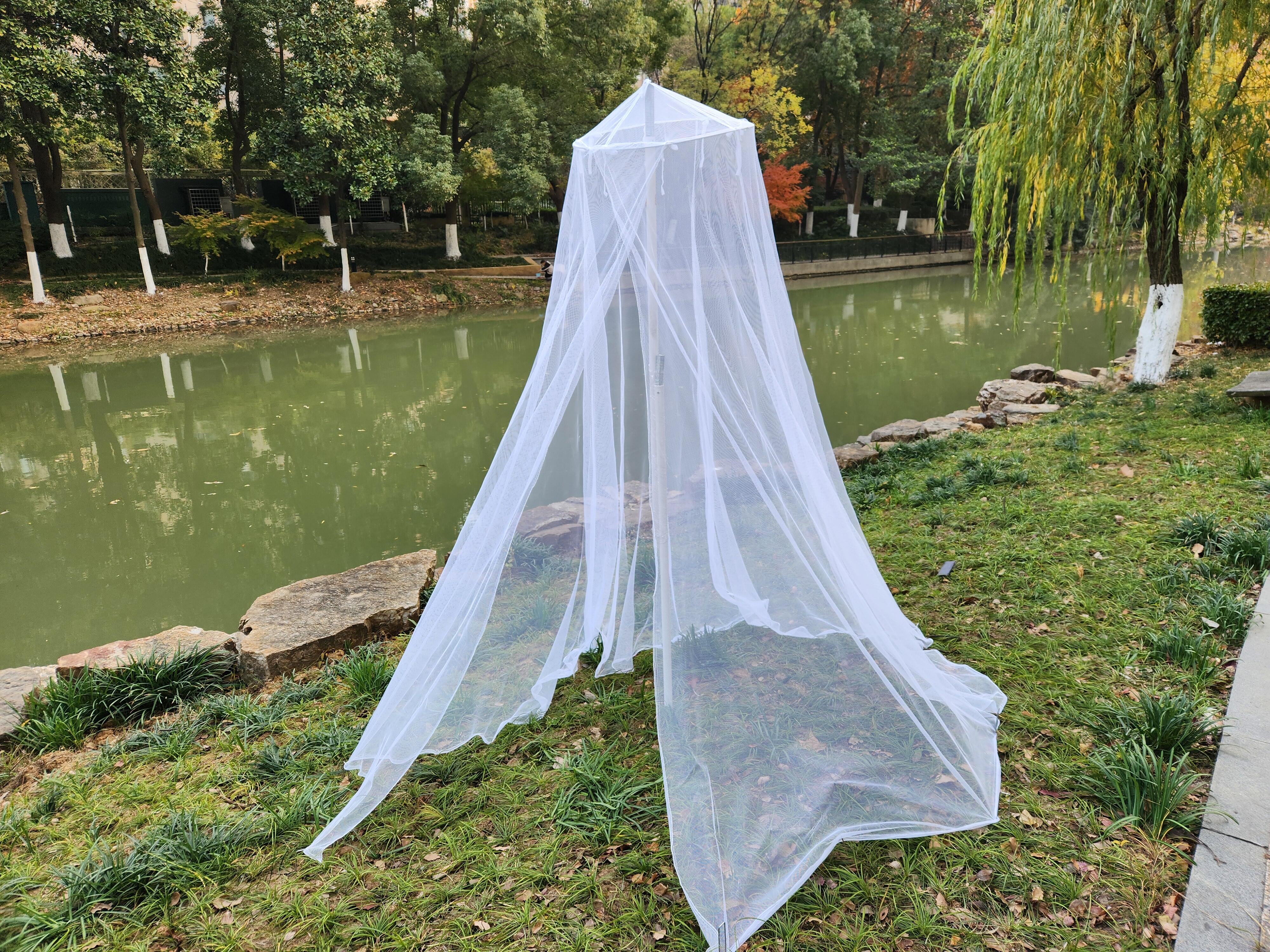
Insect-borne diseases continue to pose significant health threats worldwide, particularly in tropical and subtropical regions where mosquitoes thrive. The mosquito net serves as one of the most effective and accessible barriers against these disease vectors, providing crucial protection for millions of people globally. This simple yet powerful tool has transformed public health outcomes in malaria-endemic areas and remains a cornerstone of integrated pest management strategies.
Understanding how a mosquito net functions in disease prevention requires examining both its physical barrier properties and the behavioral changes it promotes in disease vectors. Modern mosquito net technology incorporates advanced materials and insecticidal treatments that enhance protection beyond simple physical exclusion. The effectiveness of these protective barriers depends on proper installation, maintenance, and user compliance within comprehensive vector control programs.
Understanding Insect-Borne Disease Transmission
Primary Disease Vectors and Their Behavior
Mosquitoes represent the most significant arthropod vectors of human disease, transmitting pathogens that cause malaria, dengue fever, yellow fever, Zika virus, and chikungunya. Female mosquitoes require blood meals for egg production, typically seeking hosts during specific time periods that vary by species. Anopheles mosquitoes, the primary malaria vectors, predominantly feed during nighttime hours when people are sleeping, making the mosquito net particularly effective for malaria prevention.
The feeding behavior of different mosquito species influences the timing and location of disease transmission events. Aedes aegypti mosquitoes, which transmit dengue and Zika viruses, often feed during daylight hours and prefer indoor environments. Understanding these behavioral patterns helps optimize mosquito net deployment strategies and complementary control measures. Vector competence varies among mosquito populations, affecting disease transmission efficiency and the potential impact of barrier protection methods.
Disease Transmission Mechanisms
Pathogen transmission through mosquito bites involves complex biological processes that occur within both the vector and human host. When an infected mosquito takes a blood meal, pathogens present in its saliva enter the human bloodstream through the bite wound. The mosquito net interrupts this transmission cycle by preventing contact between infected vectors and susceptible human hosts, thereby reducing disease incidence in protected populations.
Environmental factors such as temperature, humidity, and rainfall patterns influence mosquito population dynamics and disease transmission intensity. Climate change has expanded the geographic range of many vector species, increasing the importance of protective measures like mosquito nets in previously unaffected regions. Seasonal variations in transmission create opportunities for targeted intervention strategies that maximize the protective benefits of barrier methods.
Physical Barrier Protection Mechanisms
Mesh Design and Material Properties
The effectiveness of a mosquito net depends primarily on its mesh size, material durability, and overall construction quality. Standard mosquito nets feature mesh openings between 1.2 and 1.7 millimeters, small enough to exclude mosquitoes while maintaining adequate airflow for user comfort. Polyester and polyethylene materials offer excellent durability and resistance to tearing, essential properties for long-term protection in challenging environments.
Modern mosquito net manufacturing incorporates advanced textile technologies that enhance both protective function and user acceptance. Denier ratings indicate fiber thickness and strength, with higher denier materials providing greater durability but potentially reduced airflow. The balance between protection and comfort influences user compliance, making material selection critical for program success. Quality control measures ensure consistent mesh dimensions and structural integrity across production batches.
Installation and Coverage Optimization
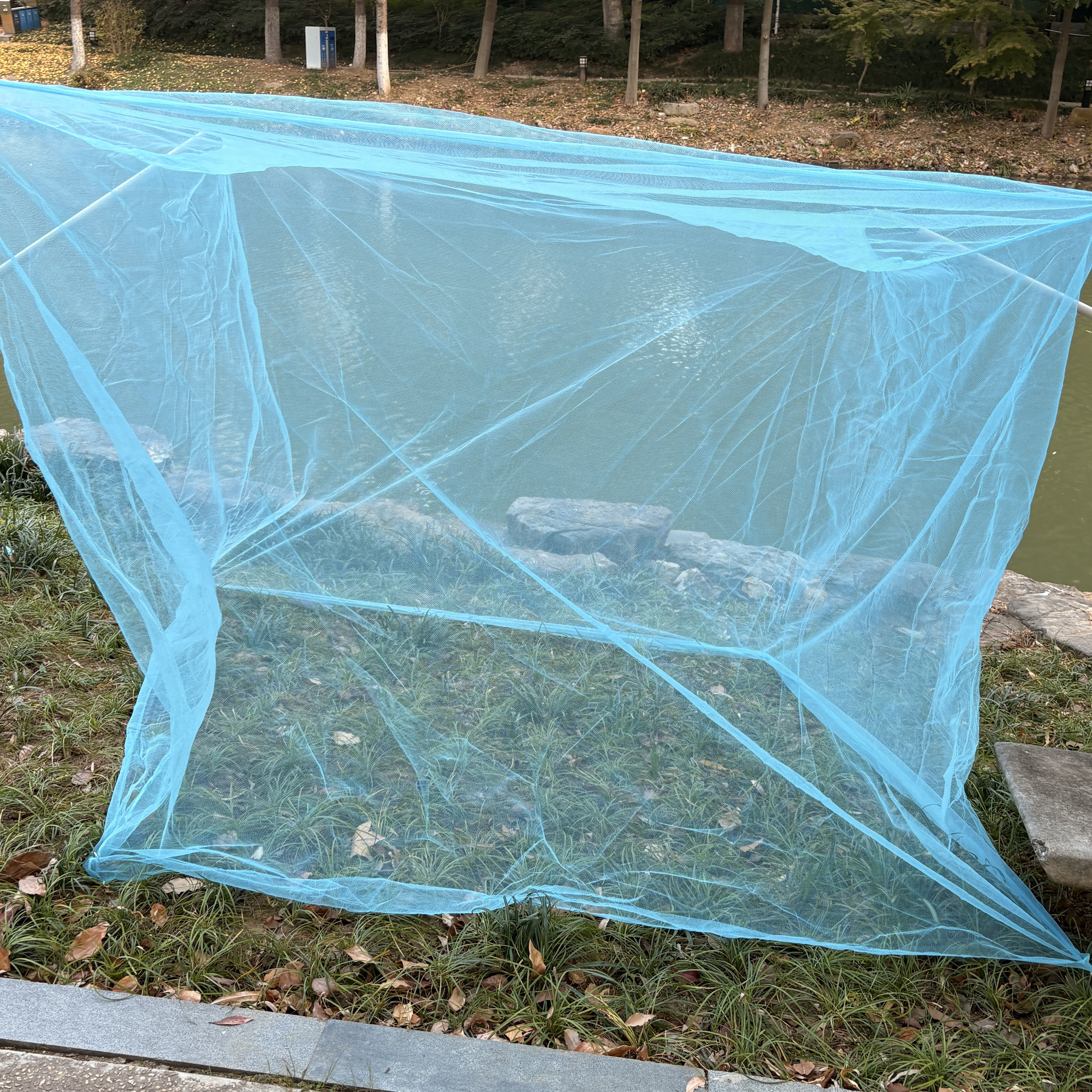
Proper installation maximizes the protective benefits of any mosquito net system, requiring attention to mounting points, edge sealing, and user access considerations. Bed nets must completely enclose the sleeping area without gaps that allow mosquito entry, while maintaining sufficient internal space for comfortable use. Suspension systems should accommodate various room configurations and furniture arrangements commonly found in target communities.
Coverage optimization involves ensuring that the mosquito net extends adequately beyond the protected area to account for user movement during sleep. Edge tucking and proper tensioning prevent mosquito access through loose or elevated sections. Regular inspection and maintenance preserve protective integrity throughout the net's operational lifespan, maximizing return on investment for public health programs.
Insecticidal Treatment Enhancement
Long-Lasting Insecticidal Nets Technology
Long-lasting insecticidal nets represent a significant advancement in mosquito net technology, incorporating insecticides that provide extended protection beyond physical barrier effects. Pyrethroid insecticides integrated into net fibers create a lethal or repellent zone around the protected area, killing or deterring mosquitoes that contact the treated surface. This dual-action approach significantly enhances protection compared to untreated mosquito net options.
The World Health Organization has established rigorous standards for long-lasting insecticidal nets, requiring retention of biological activity for at least three years under normal use conditions. Insecticide incorporation methods include fiber coating, polymer incorporation, and resin treatment, each offering different durability and wash-resistance characteristics. Quality assurance testing ensures that treated nets maintain effective insecticide concentrations throughout their intended lifespan.
Resistance Management and Alternative Compounds
Growing pyrethroid resistance among mosquito populations has prompted development of next-generation insecticidal nets incorporating novel active ingredients and synergists. Piperonyl butoxide synergists enhance pyrethroid efficacy against resistant mosquito strains, extending the useful life of existing insecticide classes. New insecticide classes such as chlorfenapyr and pyriproxyfen offer alternative modes of action for resistance management strategies.
Monitoring resistance levels in target mosquito populations guides selection of appropriate mosquito net treatments and rotation strategies. Integrated resistance management combines multiple control approaches to reduce selection pressure on any single insecticide class. Community education programs help users understand the importance of proper net care in preserving insecticidal effectiveness and preventing accelerated resistance development.
Community Health Impact and Implementation
Population-Level Protection Benefits
Mass distribution of mosquito nets creates community-wide protection effects that extend beyond individual users to benefit entire populations. High coverage rates reduce mosquito survival and reproduction, decreasing overall vector density and disease transmission intensity. This community protection phenomenon amplifies the benefits of individual mosquito net use, making population-wide distribution programs highly cost-effective public health interventions.
Epidemiological studies demonstrate significant reductions in malaria incidence, child mortality, and healthcare costs in communities achieving high mosquito net coverage rates. Pregnant women and children under five years receive particular benefits from consistent net use, with documented reductions in low birth weight, maternal anemia, and infant mortality. These population health improvements translate into substantial economic benefits through reduced healthcare expenditures and increased productivity.
Program Implementation Strategies
Successful mosquito net distribution programs require comprehensive planning that addresses procurement, logistics, community engagement, and monitoring components. Free distribution through healthcare facilities, schools, and community campaigns ensures equitable access across socioeconomic groups. Behavior change communication promotes correct and consistent use while addressing cultural barriers and misconceptions about mosquito net benefits.
Sustainability considerations include replacement schedules, funding mechanisms, and local capacity building for program management. Partnership approaches involving government agencies, non-governmental organizations, and private sector entities create robust implementation frameworks. Monitoring systems track distribution coverage, usage rates, and health outcomes to guide program optimization and demonstrate impact to stakeholders and donors.
Economic and Social Considerations
Cost-Effectiveness Analysis
Economic evaluations consistently demonstrate that mosquito net interventions rank among the most cost-effective health interventions available, particularly in high malaria transmission settings. Cost per disability-adjusted life year prevented often falls below international thresholds for highly cost-effective interventions. Direct costs include net procurement, distribution, and behavior change activities, while benefits encompass reduced treatment costs, prevented deaths, and productivity gains.
Household-level economic benefits include reduced expenditures on malaria treatment, decreased lost income from illness, and improved school attendance among children. The mosquito net provides protection for multiple family members simultaneously, spreading costs across beneficiaries and increasing cost-effectiveness ratios. Long-term economic modeling suggests that sustained mosquito net programs generate positive returns on investment through cumulative health and productivity benefits.
Social Acceptance and Cultural Integration
Community acceptance of mosquito net interventions depends on addressing cultural preferences, aesthetic considerations, and practical usage concerns. Color selection, design features, and size options accommodate diverse household preferences and sleeping arrangements. Educational programs that respect traditional beliefs while promoting evidence-based health practices achieve higher adoption rates and sustained use.
Gender considerations influence mosquito net allocation and use patterns within households, with women often serving as primary decision-makers regarding net care and maintenance. Empowering women through education and participation in distribution activities improves program outcomes. Youth engagement strategies build long-term support for mosquito net use and create advocates for community health protection initiatives.
Technology Innovations and Future Developments
Advanced Material Technologies
Research and development efforts continue advancing mosquito net technology through improved materials, novel insecticide formulations, and enhanced durability characteristics. Nanotechnology applications create more effective insecticide binding and controlled release systems that extend protection duration. Smart textiles incorporating color-change indicators help users monitor insecticide effectiveness and replacement needs.
Biodegradable materials address environmental concerns while maintaining protective performance standards required for public health applications. Recycling programs for used mosquito nets create sustainable disposal pathways and reduce environmental impact. Innovation partnerships between manufacturers, researchers, and implementing organizations accelerate technology transfer and field testing of new products.
Digital Integration and Monitoring
Digital technologies enhance mosquito net program monitoring through mobile applications, GPS tracking, and electronic data collection systems. Real-time monitoring capabilities improve distribution efficiency and enable rapid response to coverage gaps or quality issues. Artificial intelligence applications analyze usage patterns and predict optimal replacement timing for maximum protection maintenance.
Blockchain technology creates transparent supply chains that ensure authentic mosquito net products reach intended beneficiaries while preventing counterfeiting. Digital health platforms integrate net distribution data with health outcomes to demonstrate program impact and guide resource allocation decisions. These technological advances support evidence-based program management and continuous improvement processes.
FAQ
How long does a mosquito net typically last before replacement
A standard mosquito net typically lasts between three to five years with proper care and maintenance, though long-lasting insecticidal nets are designed to maintain effective protection for at least three years. Factors affecting lifespan include frequency of use, washing practices, storage conditions, and physical handling. Regular inspection for holes, tears, or insecticide degradation helps determine optimal replacement timing. Proper care including gentle washing, thorough drying, and careful storage significantly extends operational life.
Can mosquito nets protect against all insect-borne diseases
Mosquito nets provide excellent protection against nighttime-feeding vectors like malaria-carrying Anopheles mosquitoes, but effectiveness varies for other disease vectors depending on their feeding behavior and timing. Daytime-feeding mosquitoes that transmit dengue, Zika, and chikungunya may not be effectively controlled by bed nets alone. Comprehensive vector control strategies combining nets with other protective measures provide broader protection against diverse insect-borne disease threats. The mesh size and treatment type also influence effectiveness against different vector species.
What factors affect mosquito net effectiveness in disease prevention
Several critical factors determine mosquito net effectiveness, including proper installation without gaps, consistent nightly use, appropriate mesh size, insecticide treatment status, and regular maintenance. User behavior significantly impacts protection levels, with tucking edges under sleeping surfaces and avoiding damage during use being essential practices. Environmental factors such as mosquito species composition, resistance levels, and transmission intensity also influence overall effectiveness. Community-wide coverage rates create additional protection benefits through reduced vector populations.
How should communities maintain mosquito nets for maximum protection
Proper mosquito net maintenance involves gentle washing with mild soap every few months, thorough air drying away from direct sunlight, and careful storage to prevent damage. Users should inspect nets regularly for holes or tears and repair small damage immediately using appropriate patching materials. Avoiding contact with rough surfaces, keeping nets away from flames or heat sources, and handling with clean hands preserve both physical integrity and insecticidal effectiveness. Community education programs teach proper care techniques and emphasize the importance of consistent maintenance for sustained protection.