 EN
EN


Public health programs worldwide have recognized the critical importance of vector control in preventing disease transmission, particularly in regions where mosquito-borne illnesses pose significant threats to community health. Among the various intervention strategies employed, the mosquito net has emerged as one of the most effective, cost-efficient, and widely adopted tools for protecting vulnerable populations from malaria, dengue fever, Zika virus, and other vector-borne diseases. The widespread implementation of mosquito net distribution programs across Africa, Asia, and Latin America demonstrates the profound impact these simple yet sophisticated protective barriers can have on reducing morbidity and mortality rates in endemic areas.
Historical Context and Evolution of Mosquito Net Programs
Early Implementation and Development
The systematic use of mosquito net in public health initiatives dates back to the early 20th century when colonial health authorities first recognized the potential for physical barriers to reduce disease transmission. Initial programs focused primarily on protecting European settlers and military personnel in tropical regions, but the scope gradually expanded as public health officials observed the remarkable effectiveness of these interventions. Early mosquito net distributions were often limited by logistical challenges and manufacturing constraints, yet they laid the foundation for modern large-scale prevention programs.
During the mid-20th century, the development of synthetic materials revolutionized mosquito net manufacturing, making these protective devices more durable, affordable, and suitable for mass production. Public health organizations began to recognize that widespread mosquito net distribution could serve as a cornerstone intervention for disease prevention in resource-limited settings. The transition from small-scale pilot projects to comprehensive national programs marked a significant evolution in global health strategy.
Technological Advancements and Modern Applications
Contemporary mosquito net programs have benefited tremendously from advances in textile technology, chemical treatments, and manufacturing processes that have enhanced both protective efficacy and user acceptance. Long-lasting insecticidal nets represent a major breakthrough in mosquito net technology, incorporating insecticide treatments that remain effective for multiple years without requiring retreatment. These innovations have dramatically improved the cost-effectiveness and sustainability of public health programs while reducing the burden on healthcare systems.
Modern mosquito net designs incorporate user feedback and behavioral research to optimize acceptance rates and proper usage patterns within target communities. Public health agencies now collaborate closely with manufacturers to develop culturally appropriate designs that address local preferences for color, size, and installation methods. This collaborative approach has significantly improved program outcomes and community engagement in mosquito net initiatives worldwide.
Scientific Evidence Supporting Mosquito Net Effectiveness
Clinical Research and Epidemiological Studies
Extensive clinical research has consistently demonstrated the profound impact of mosquito net interventions on reducing disease transmission rates in endemic regions. Randomized controlled trials conducted across multiple continents have shown that communities with high mosquito net coverage experience significant reductions in malaria incidence, particularly among vulnerable populations such as children under five years of age and pregnant women. These studies provide robust scientific evidence supporting the continued investment in mosquito net distribution programs.
Longitudinal epidemiological studies have revealed that sustained mosquito net programs can achieve community-wide protective effects that extend beyond individual users. The concept of community protection occurs when sufficient coverage rates create a barrier effect that reduces overall vector populations and transmission intensity throughout entire regions. This phenomenon amplifies the public health impact of mosquito net interventions beyond direct user protection.
Economic Analysis and Cost-Effectiveness Research
Economic evaluations consistently rank mosquito net distribution among the most cost-effective public health interventions available for preventing mosquito-borne diseases. Cost-per-life-year-saved analyses demonstrate that mosquito net programs deliver exceptional value compared to alternative prevention strategies, making them particularly attractive for resource-constrained healthcare systems. The favorable economics of mosquito net interventions have encouraged sustained funding from international donors and national governments.
Return-on-investment calculations for mosquito net programs typically show substantial economic benefits that extend far beyond direct healthcare cost savings. Reduced disease burden translates into increased productivity, improved educational outcomes, and enhanced economic development in affected communities. These broader economic impacts strengthen the case for continued investment in comprehensive mosquito net distribution programs as part of sustainable development strategies.
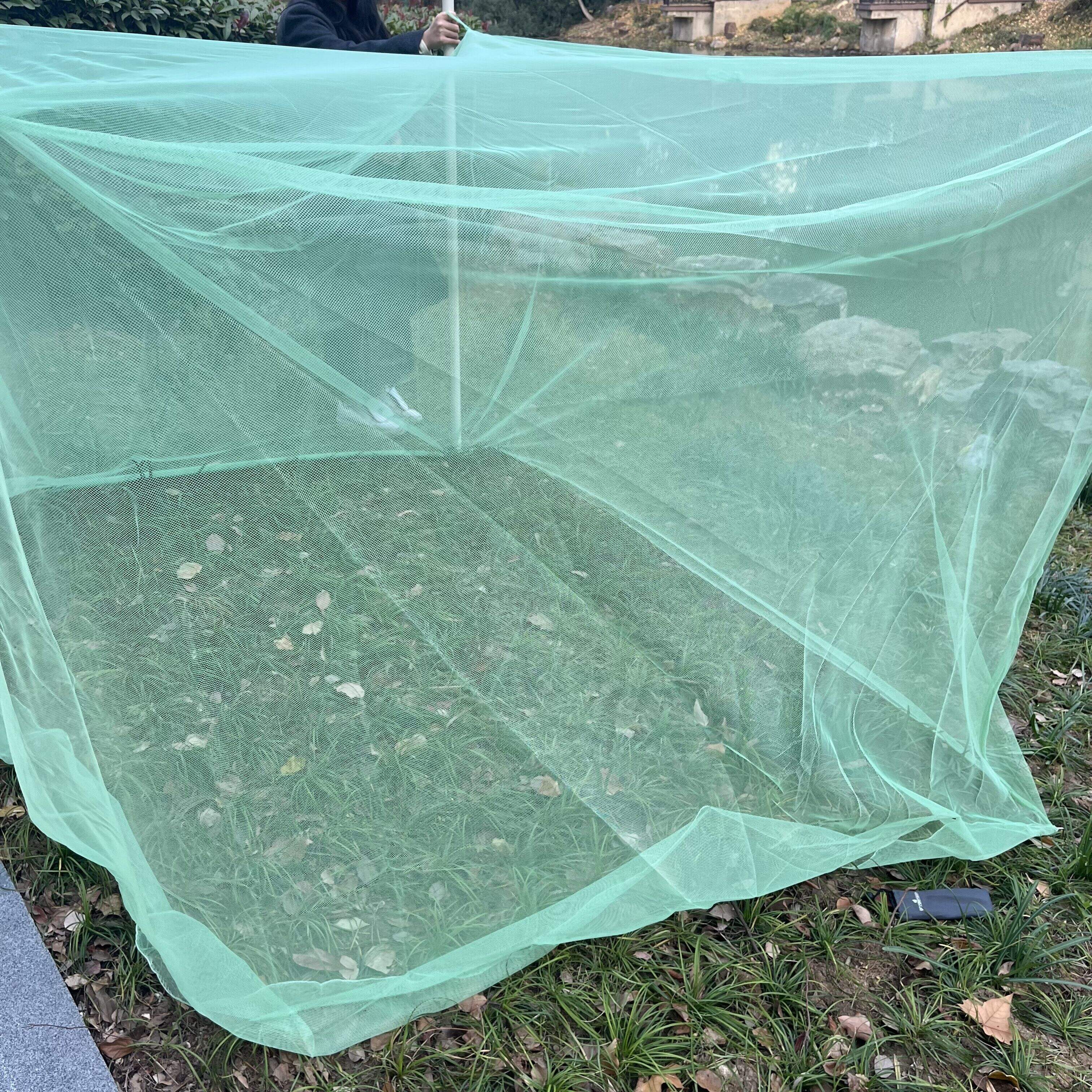
Implementation Strategies and Program Design
Community Engagement and Education Components
Successful mosquito net programs recognize that effective implementation requires comprehensive community engagement strategies that address local knowledge, attitudes, and practices related to disease prevention. Educational campaigns typically accompany mosquito net distribution efforts to ensure proper installation, maintenance, and consistent usage patterns. These programs often involve training local health workers and community volunteers who can provide ongoing support and reinforcement for appropriate mosquito net utilization.
Cultural sensitivity and community participation are essential elements of effective mosquito net programs, as acceptance rates and sustained usage depend heavily on addressing local concerns and preferences. Public health agencies invest significant resources in formative research to understand community perspectives on mosquito net interventions and to develop culturally appropriate messaging and distribution strategies. This community-centered approach has proven crucial for achieving high coverage rates and long-term program sustainability.
Distribution Systems and Supply Chain Management
Efficient distribution systems are critical for ensuring that mosquito net reach target populations in sufficient quantities and within appropriate timeframes. Mass distribution campaigns typically employ multiple delivery channels, including healthcare facilities, schools, community gatherings, and door-to-door visits to maximize coverage rates. Supply chain management for mosquito net programs requires careful coordination between manufacturers, procurement agencies, logistics providers, and local distribution partners.
Quality assurance and inventory management systems help ensure that mosquito net programs maintain consistent product standards while minimizing waste and stockouts. Many programs have adopted digital tracking systems that monitor distribution progress, coverage rates, and product quality throughout the supply chain. These technological innovations have improved program efficiency and accountability while providing valuable data for continuous improvement efforts.
Global Impact and Public Health Outcomes
Disease Reduction and Mortality Prevention
The global expansion of mosquito net programs has contributed significantly to dramatic reductions in malaria mortality and morbidity rates observed over the past two decades. World Health Organization data indicates that countries with comprehensive mosquito net coverage have achieved substantial decreases in disease transmission rates, particularly among high-risk populations. The protective effect of mosquito net interventions has been particularly pronounced in sub-Saharan Africa, where these programs have helped prevent millions of deaths from malaria.
Beyond malaria prevention, mosquito net programs have demonstrated effectiveness against other vector-borne diseases including dengue fever, chikungunya, and Zika virus. The broad-spectrum protective benefits of mosquito net interventions make them valuable tools for addressing multiple public health threats simultaneously. This multi-disease prevention capacity enhances the overall value proposition of mosquito net programs in regions where multiple vector-borne diseases are endemic.
Healthcare System Strengthening and Capacity Building
Large-scale mosquito net programs have contributed to strengthening healthcare systems in many developing countries by building implementation capacity, improving supply chain management, and enhancing monitoring and evaluation systems. The infrastructure and expertise developed for mosquito net distribution often supports other public health interventions, creating lasting benefits for overall health system performance. These capacity building effects represent important secondary benefits of mosquito net programs.
Training programs associated with mosquito net distribution have enhanced the skills and knowledge of healthcare workers, community volunteers, and program managers throughout participating regions. This human resource development contributes to improved health service delivery and creates a foundation for implementing additional prevention programs. The educational and training components of mosquito net programs thus generate benefits that extend well beyond vector control objectives.
Challenges and Continuous Improvement Efforts
Addressing Implementation Barriers
Despite their proven effectiveness, mosquito net programs face ongoing challenges related to achieving and maintaining adequate coverage rates, ensuring proper usage patterns, and addressing issues such as net durability and replacement needs. Public health agencies continue to invest in research and development efforts aimed at overcoming these implementation barriers and optimizing program outcomes. Innovation in mosquito net design, distribution strategies, and monitoring systems represents an active area of public health research.
Behavioral factors significantly influence the success of mosquito net programs, as consistent and proper usage is essential for achieving protective benefits. Some communities may experience challenges with net installation, maintenance, or acceptance due to cultural factors, housing conditions, or competing priorities. Addressing these behavioral challenges requires ongoing engagement with communities and continuous adaptation of program approaches based on local feedback and evaluation findings.
Sustainability and Long-term Planning
Ensuring the long-term sustainability of mosquito net programs requires careful attention to financing mechanisms, local capacity development, and integration with broader health system strengthening efforts. Many programs are transitioning from donor-dependent models toward increased domestic financing and ownership, which requires building political commitment and institutional capacity within recipient countries. This transition process is crucial for ensuring that mosquito net interventions remain available to vulnerable populations over time.
Environmental considerations and waste management issues associated with mosquito net disposal have prompted research into biodegradable materials and recycling programs. Sustainable mosquito net programs must balance effectiveness, affordability, and environmental impact to ensure long-term viability. Innovation in materials science and manufacturing processes continues to address these sustainability challenges while maintaining the protective benefits that make mosquito net programs so valuable.
FAQ
How effective are mosquito nets in preventing disease transmission
Research consistently shows that properly used mosquito net can reduce malaria transmission by 50-80% and other vector-borne diseases by similar margins. The effectiveness depends on factors such as net condition, proper installation, consistent usage, and community coverage rates. Long-lasting insecticidal nets provide enhanced protection through both physical barrier effects and insecticide-mediated killing of mosquitoes that contact the net surface.
What is the typical lifespan of a treated mosquito net
Modern long-lasting insecticidal mosquito net are designed to maintain effectiveness for approximately 3-4 years under normal usage conditions. The actual lifespan can vary based on factors such as frequency of washing, handling practices, environmental conditions, and the quality of the original net. Public health programs typically plan replacement cycles based on these timeframes to ensure continued protective coverage.
How do public health agencies determine mosquito net distribution priorities
Distribution priorities for mosquito net programs are typically based on epidemiological data including disease transmission rates, population vulnerability assessments, existing coverage levels, and resource availability. Priority is often given to high-transmission areas, populations at greatest risk (such as children and pregnant women), and communities with limited access to other prevention measures. Geographic targeting may also consider factors such as climate conditions and vector ecology.
What training is required for proper mosquito net usage
Effective mosquito net usage requires education on proper installation techniques, daily maintenance practices, appropriate washing methods, and recognition of when nets need replacement. Training programs typically include hands-on demonstrations of net hanging, instruction on tucking techniques for maximum protection, guidance on care and maintenance to extend net life, and information about the importance of consistent nightly usage for optimal disease prevention benefits.