 EN
EN

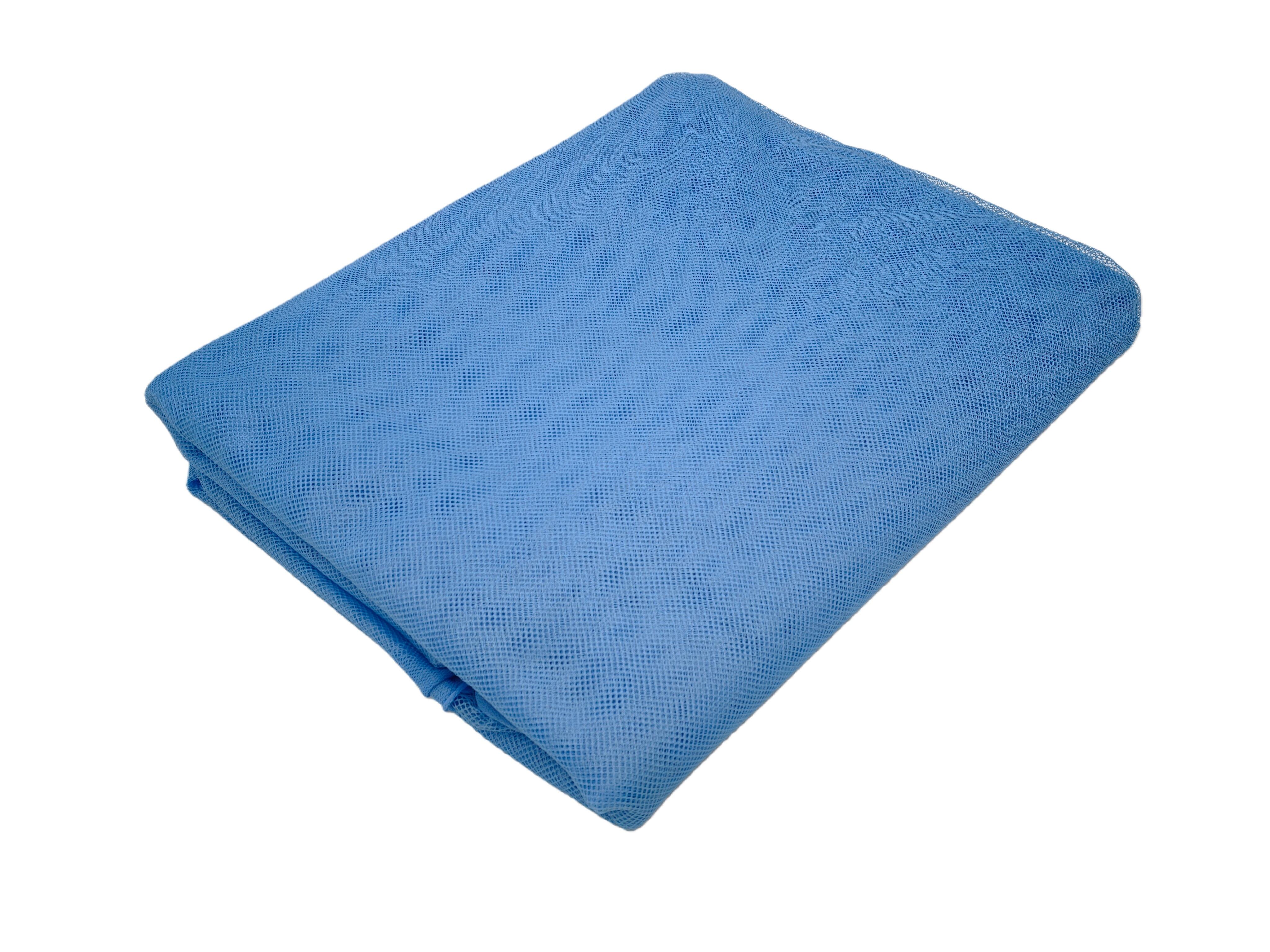
Importing mosquito net products requires careful attention to international standards and quality requirements that ensure product effectiveness and safety. Global buyers must understand the critical standards that govern mosquito net manufacturing, distribution, and performance to make informed purchasing decisions. The mosquito net industry operates under strict guidelines established by health organizations worldwide, particularly for regions where malaria prevention is essential. Understanding these standards helps importers select reliable suppliers and ensure their mosquito net products meet regulatory compliance in target markets.
World Health Organization Standards for Mosquito Nets
WHO Pesticide Evaluation Scheme Requirements
The World Health Organization establishes comprehensive guidelines for mosquito net evaluation through the WHO Pesticide Evaluation Scheme. These standards define the minimum requirements for insecticide-treated nets used in malaria prevention programs. The WHO prequalification process ensures that mosquito net products meet international safety and efficacy standards before distribution in endemic regions. Manufacturers must demonstrate that their mosquito net products undergo rigorous testing for insecticide content, wash resistance, and bioassay effectiveness against target mosquito species.
WHO standards require detailed documentation of manufacturing processes, quality control measures, and batch testing procedures for every mosquito net produced. The organization mandates specific testing protocols that evaluate the physical integrity of nets, including tear strength, denier measurements, and mesh size specifications. These comprehensive standards ensure that imported mosquito net products provide reliable protection against disease-carrying vectors while maintaining durability under field conditions.
Long-Lasting Insecticidal Net Specifications
Long-lasting insecticidal nets represent the gold standard in mosquito net technology, requiring adherence to strict WHO specifications for insecticide retention and wash resistance. These advanced mosquito net products must demonstrate effectiveness for at least three years under normal usage conditions. The WHO requires manufacturers to conduct extensive field trials proving that their mosquito net maintains insecticidal properties after twenty standard washes, simulating typical household use patterns.
The specifications include detailed requirements for insecticide incorporation methods, whether through fiber treatment or coating processes. Each mosquito net must contain optimal insecticide concentrations distributed evenly across the entire surface area. WHO standards mandate regular quality assurance testing throughout production runs to ensure consistent insecticide loading and proper adhesion to net fibers.
International Quality and Safety Standards
ISO Certification Requirements
International Organization for Standardization certification provides additional quality assurance for mosquito net manufacturing processes. ISO 9001 certification demonstrates that manufacturers maintain consistent quality management systems throughout production cycles. These standards require documented procedures for mosquito net design, production planning, resource management, and customer satisfaction measurement. Importers should verify that their chosen suppliers maintain current ISO certifications with regular third-party audits.
ISO 14001 environmental management standards ensure that mosquito net production minimizes environmental impact through responsible manufacturing practices. These certifications require suppliers to implement environmental management systems that control waste generation, energy consumption, and chemical handling procedures. Buyers seeking sustainable mosquito net sources should prioritize suppliers with comprehensive ISO environmental certifications.
REACH Compliance for European Markets
The Registration, Evaluation, Authorization, and Restriction of Chemicals regulation governs chemical substances used in mosquito net manufacturing for European markets. REACH compliance requires detailed documentation of all chemical substances incorporated into net fibers, including insecticides, dyes, and processing aids. Importers must ensure their mosquito net suppliers provide complete REACH registration documentation for all chemical components.
REACH regulations mandate safety data sheets for every chemical substance used in mosquito net production, detailing potential health and environmental risks. Suppliers must demonstrate that their mosquito net products undergo proper risk assessment procedures and implement appropriate risk management measures. European importers must verify that their mosquito net suppliers maintain updated REACH registrations and comply with restriction requirements for specific chemical substances.
Physical and Performance Testing Standards
Mesh Size and Denier Specifications
Proper mesh size represents a critical factor in mosquito net effectiveness, with WHO standards specifying maximum hole sizes that prevent mosquito penetration while maintaining adequate airflow. Standard mosquito net products feature mesh sizes between 1.2mm to 1.7mm, providing optimal protection against Anopheles mosquitoes while ensuring user comfort. Importers should verify that their chosen mosquito net suppliers conduct regular mesh size testing using standardized measurement procedures.
Denier measurements indicate the weight and thickness of individual fibers used in mosquito net construction, directly affecting product durability and longevity. Higher denier ratings typically indicate stronger, more durable mosquito net products that resist tearing and maintain structural integrity under field conditions. Quality testing standards require verification of denier specifications across random sampling from each production batch.
Tear Strength and Durability Testing
Comprehensive durability testing ensures that mosquito net products withstand normal household use without compromising protective effectiveness. Standard testing protocols evaluate tear strength using controlled force application to simulate real-world stress conditions. These tests measure the minimum force required to initiate tears in mosquito net materials and evaluate propagation resistance under continued stress. Quality mosquito net products must demonstrate consistent tear strength measurements across all sections of the net.
Wash fastness testing evaluates how mosquito net materials respond to repeated washing cycles, measuring dimensional stability and color retention. These standardized procedures simulate typical household washing conditions using specific detergent concentrations and water temperatures. Quality mosquito net products maintain their physical properties and appearance after multiple wash cycles without significant shrinkage or color fading.
Insecticide Treatment and Bioassay Standards
Active Ingredient Content Verification
Accurate insecticide content verification ensures that mosquito net products contain appropriate active ingredient concentrations for effective vector control. Laboratory testing protocols measure insecticide loading using high-performance liquid chromatography or other analytical methods. These procedures verify that each mosquito net contains the specified insecticide concentration distributed uniformly across the entire surface area. Quality control standards require testing of multiple samples from each production batch to ensure consistent insecticide loading.
Chemical analysis procedures must detect and quantify all active ingredients present in treated mosquito net products, including primary insecticides and any synergist compounds. Testing protocols evaluate insecticide stability over time, measuring degradation rates under various storage conditions. These assessments ensure that mosquito net products maintain their effectiveness throughout the expected shelf life period.
Bioassay Testing Procedures
Bioassay testing represents the gold standard for evaluating mosquito net effectiveness against target vector species. These standardized procedures expose live mosquitoes to treated net samples under controlled laboratory conditions, measuring mortality rates and knockdown times. WHO bioassay protocols require specific mosquito strains, exposure durations, and environmental conditions to ensure reproducible results. Quality mosquito net products must demonstrate consistent bioassay results across multiple testing cycles.
Cone bioassay testing evaluates the contact effectiveness of mosquito net surfaces using standardized exposure cones that contain live mosquitoes. These procedures measure both immediate knockdown effects and delayed mortality rates over 24-hour observation periods. Tunnel bioassay testing evaluates the protective effectiveness of mosquito net products by measuring mosquito behavior and survival rates when attempting to reach blood meal sources through treated net barriers.
Packaging and Labeling Requirements
Product Information and Traceability
Comprehensive product labeling ensures that mosquito net users receive essential information about proper installation, care instructions, and safety precautions. International standards require clear identification of insecticide types, concentrations, and expected duration of effectiveness. Each mosquito net package must include batch identification numbers that enable complete traceability throughout the supply chain. These requirements help identify and isolate any quality issues that may arise during distribution or use.
Labeling standards mandate inclusion of manufacturer information, production dates, and expiration dates for treated mosquito net products. Multi-language labeling requirements ensure that users in target markets can access critical safety and usage information in their local languages. Quality mosquito net suppliers maintain detailed records linking batch numbers to specific production parameters and testing results.
Storage and Handling Instructions
Proper storage and handling instructions protect mosquito net quality during transportation and warehouse storage periods. Temperature and humidity specifications ensure that insecticide effectiveness remains stable throughout the distribution chain. Packaging materials must provide adequate protection against moisture, light exposure, and physical damage that could compromise mosquito net integrity. Storage guidelines specify maximum stacking heights and rotation procedures that maintain product quality.
Handling instructions include specific procedures for loading, unloading, and inventory management that minimize the risk of physical damage to mosquito net products. These guidelines address proper lifting techniques, equipment requirements, and environmental controls necessary for maintaining product quality during distribution operations.
Regulatory Compliance and Documentation
Import Permit and Registration Requirements
Many countries require specific import permits and product registrations for mosquito net products, particularly those containing insecticides. Regulatory authorities evaluate product safety data, efficacy documentation, and manufacturing quality systems before granting import approval. Importers must understand the specific regulatory requirements in their target markets and ensure their mosquito net suppliers provide necessary documentation for registration processes.
Registration procedures typically require submission of comprehensive technical dossiers containing manufacturing information, quality control data, and safety assessments. These documents must demonstrate that mosquito net products meet local regulatory standards and pose no unacceptable risks to human health or environmental safety. Some jurisdictions require ongoing monitoring and periodic re-registration of approved mosquito net products.
Certificate of Analysis and Quality Documentation
Certificates of analysis provide detailed testing results that verify mosquito net compliance with specified quality standards. These documents must include results from physical testing, chemical analysis, and bioassay evaluations performed by qualified laboratories. Each certificate should reference specific testing methods, equipment calibration records, and analyst qualifications to ensure reliability and accuracy. Quality mosquito net suppliers provide certificates of analysis for every production batch before shipment.
Quality documentation packages include manufacturing records, in-process testing data, and final inspection reports that demonstrate consistent adherence to established quality standards. These comprehensive records enable importers to verify that their mosquito net products meet all specified requirements and maintain traceability throughout the supply chain.
FAQ
What are the most important WHO standards for mosquito nets
The WHO Pesticide Evaluation Scheme represents the most critical standard for mosquito net evaluation, requiring comprehensive testing for insecticide effectiveness, wash resistance, and bioassay performance. WHO prequalification ensures that mosquito net products meet international safety and efficacy requirements for malaria prevention programs. These standards mandate specific testing protocols for physical integrity, insecticide content, and long-term effectiveness under field conditions.
How can importers verify mosquito net quality before purchase
Importers should request certificates of analysis from accredited laboratories, verify WHO prequalification status, and review ISO certification documents from potential mosquito net suppliers. Quality verification includes reviewing bioassay testing results, physical testing data, and manufacturing process documentation. Third-party inspection services can provide additional verification of production facilities and quality control systems before finalizing purchase agreements.
What documentation is required for importing treated mosquito nets
Required documentation typically includes certificates of analysis, WHO prequalification certificates, REACH compliance documents for European markets, and manufacturer quality certifications. Import permits may be required in some jurisdictions, along with safety data sheets for all chemical substances used in mosquito net treatment. Proper documentation ensures regulatory compliance and facilitates customs clearance processes in target markets.
How often should mosquito net quality testing be performed
Quality testing should be performed on every production batch, with comprehensive testing including physical properties, insecticide content, and bioassay effectiveness. Ongoing monitoring programs should include periodic testing of stored inventory to verify product stability and effectiveness retention over time. Additional testing may be required after extended storage periods or exposure to adverse environmental conditions during transportation or warehousing operations.