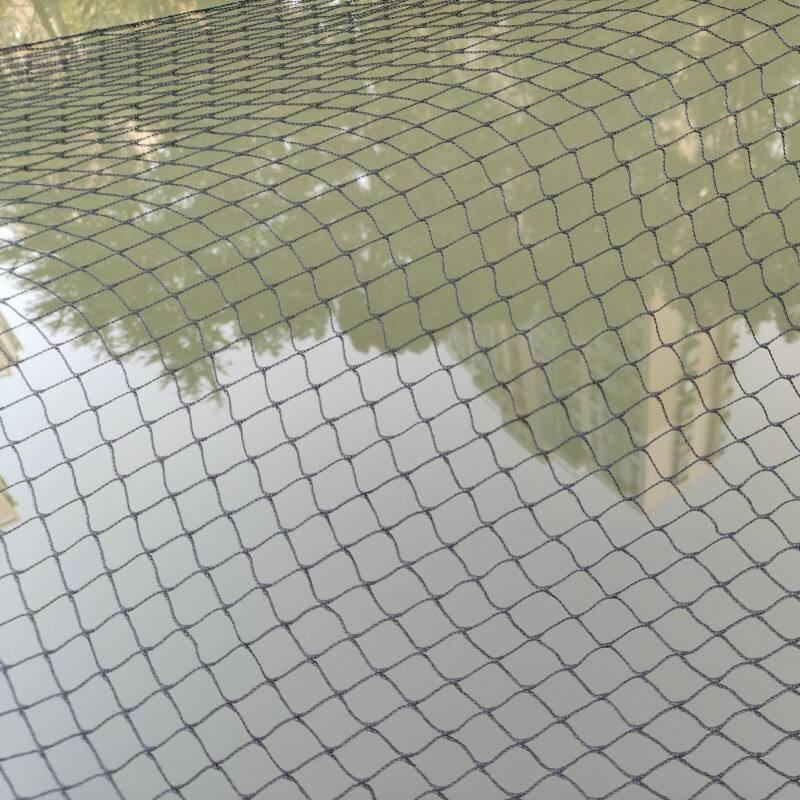
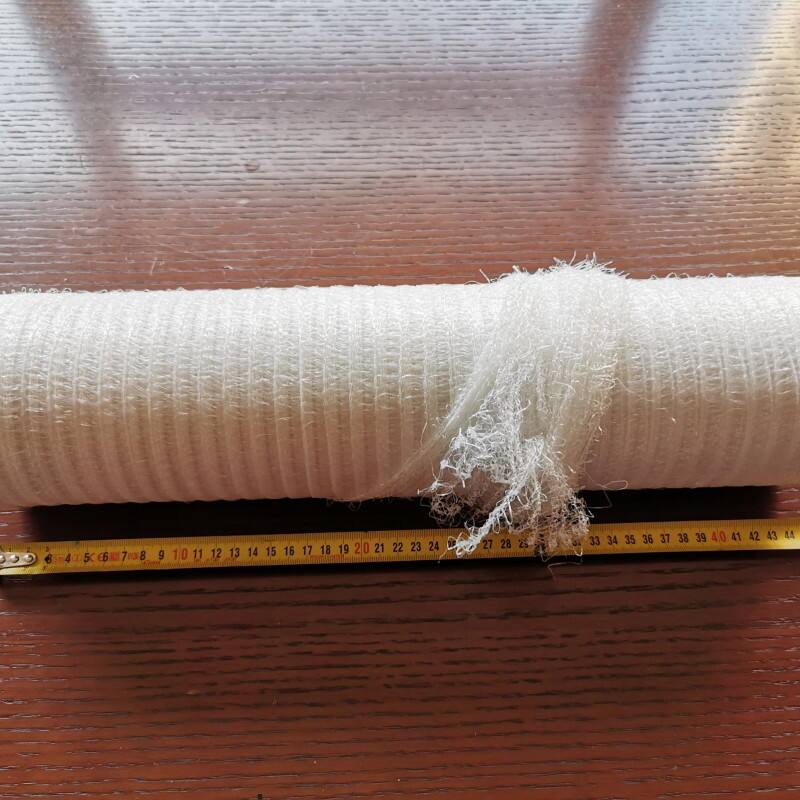
Premium Baler Net Wrap - Superior Agricultural Packaging Solutions for Hay and Silage Protection

Get a Free Quote

Our representative will contact you soon.
Email
Name
Company Name
Mobile/WhatsApp
Message
0/1000

baler net wrap

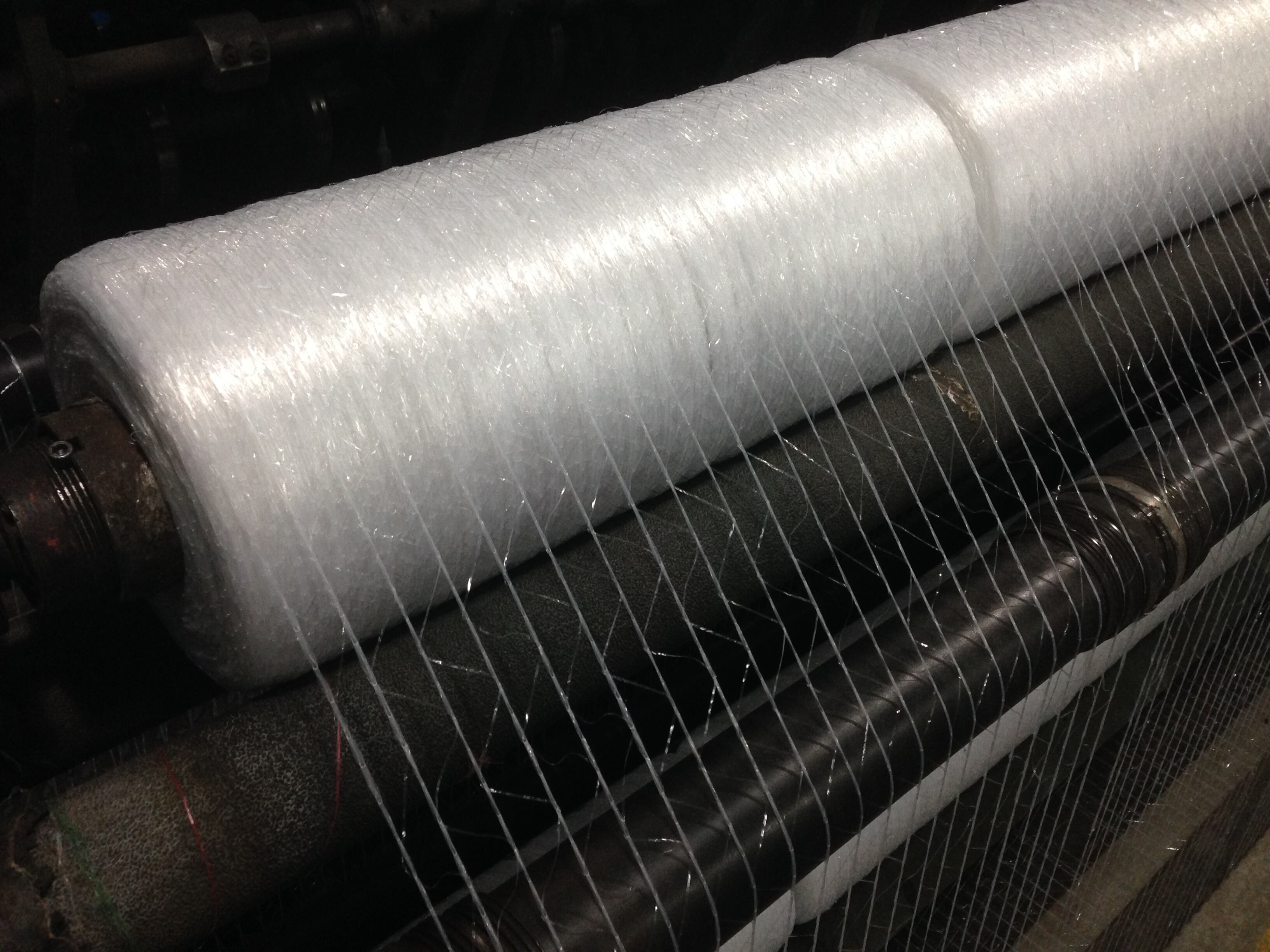
Baler net wrap represents a revolutionary advancement in agricultural packaging technology, designed to secure and protect hay, straw, and silage bales during storage and transportation. This specialized synthetic mesh material serves as a protective barrier that maintains bale integrity while facilitating proper air circulation and moisture management. The primary function of baler net wrap involves encasing cylindrical bales immediately after formation, creating a secure outer layer that prevents material loss and maintains structural stability. Modern baler net wrap utilizes high-density polyethylene fibers woven into a precise mesh pattern that balances strength with flexibility. The technological features include UV-resistant additives that protect against solar degradation, ensuring long-term durability in outdoor storage conditions. The mesh construction allows controlled airflow while preventing wind dispersal of loose materials, making it ideal for various climatic conditions. Applications span across dairy farming, livestock operations, commercial hay production, and agricultural cooperatives where efficient bale management is crucial. The wrap accommodates different bale sizes and densities, from lightweight straw bales to dense alfalfa packages. Installation occurs automatically during the baling process through specialized dispensing equipment that ensures consistent coverage and proper tension. The material's design incorporates tear-resistant properties that withstand handling stress during loading, transport, and storage operations. Quality baler net wrap maintains its structural integrity throughout extended storage periods, protecting valuable feed resources from weather exposure and contamination. The technology has evolved to include various mesh configurations tailored to specific crop types and storage requirements, with some variants offering enhanced puncture resistance for handling rough materials like corn stalks or wheat stubble.

New Product Releases

Baler net wrap offers substantial cost savings compared to traditional twine binding methods by reducing labor requirements and improving operational efficiency. The automated application process eliminates the need for manual tying, allowing operators to focus on other critical farming tasks while maintaining consistent bale quality. Weather protection stands as a primary advantage, as the mesh structure shields baled materials from rain, snow, and excessive moisture that can cause spoilage and reduce feed value. The wrap creates a barrier against wind dispersal, preventing costly material loss during transport and storage while maintaining bale shape integrity over extended periods. Time efficiency represents another significant benefit, with baler net wrap enabling faster field operations compared to conventional binding methods that require multiple tie points per bale. The uniform coverage provided by net wrap ensures even protection across the entire bale surface, eliminating weak spots that commonly occur with twine systems. Storage advantages include improved stack stability, as wrapped bales maintain their shape better and create more secure storage configurations. The material's flexibility allows for easy handling with standard equipment while providing sufficient strength to withstand mechanical stress during loading and unloading operations. Quality preservation becomes evident through reduced exposure to environmental elements that degrade nutritional content and palatability of stored feeds. Economic benefits extend beyond initial cost savings to include reduced waste, improved feed quality retention, and enhanced marketability of baled products. The wrap's compatibility with existing baling equipment minimizes additional investment requirements while maximizing return on current machinery assets. Versatility allows use across multiple crop types and bale sizes, providing farmers with a unified solution for diverse harvesting needs. Environmental considerations favor net wrap through reduced plastic waste compared to individual twine pieces, and many products now incorporate recyclable materials that support sustainable farming practices.

Latest News

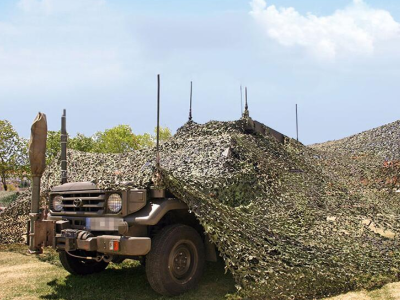
From Battlefield to Backyard: The European Embrace of Camouflage Nets for Stylish Shade and Design

14

Nov

From Battlefield to Backyard: The European Embrace of Camouflage Nets for Stylish Shade and Design

View More
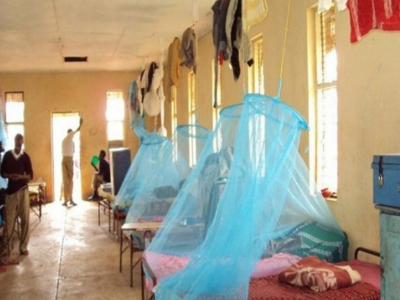
The Unseen Shield: How Mosquito Nets Remain a Cornerstone of Global Public Health

14

Nov

The Unseen Shield: How Mosquito Nets Remain a Cornerstone of Global Public Health

View More
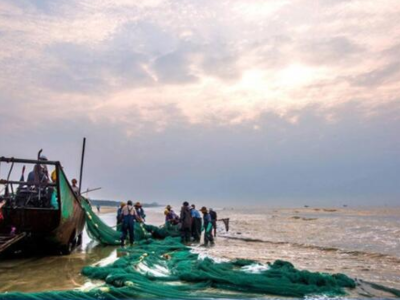
Casting a Sustainable Future How Innovation in Fishing Nets is Protecting Our Oceans

08

Dec

Casting a Sustainable Future How Innovation in Fishing Nets is Protecting Our Oceans

View More
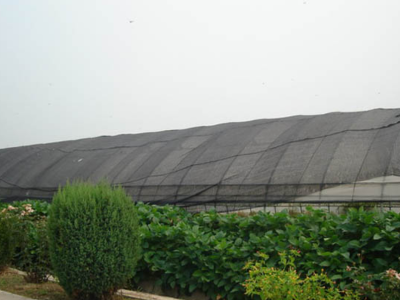
The Technological Revolution in Agricultural Nets for a Hungry Planet

14

Nov

The Technological Revolution in Agricultural Nets for a Hungry Planet

View More

Get a Free Quote

Our representative will contact you soon.
Email
Name
Company Name
Mobile/WhatsApp
Message
0/1000

baler net wrap

Superior Weather Protection and Durability

Superior Weather Protection and Durability

Baler net wrap delivers exceptional weather resistance through advanced polymer technology that shields valuable feed resources from environmental damage while maintaining long-term structural integrity. The sophisticated mesh design creates a protective barrier that allows controlled moisture evaporation while preventing water infiltration during rain events or snow accumulation. UV-stabilized materials resist degradation from prolonged sun exposure, ensuring the wrap maintains its protective properties throughout extended outdoor storage periods that can span multiple seasons. The chemical composition includes specialized additives that prevent brittleness in cold temperatures and maintain flexibility during extreme weather fluctuations. This weather protection translates directly to preserved feed quality, as moisture-damaged hay and silage lose nutritional value and can develop harmful mold growth that poses health risks to livestock. The wrap's ability to maintain consistent bale density prevents settling and compaction that occurs when traditional binding methods fail under weather stress. Superior durability extends beyond weather resistance to include mechanical strength that withstands handling stress during transport operations and storage manipulations. The engineered fiber structure distributes load forces evenly across the mesh surface, preventing stress concentration points that lead to premature failure in inferior products. This durability advantage reduces replacement costs and minimizes operational disruptions caused by binding failures during critical harvesting periods. The long-term protection provided by quality baler net wrap ensures that stored feeds maintain their market value and nutritional content, supporting livestock health and farm profitability throughout varying seasonal conditions and storage requirements.
Enhanced Operational Efficiency and Labor Savings

Enhanced Operational Efficiency and Labor Savings

Baler net wrap revolutionizes agricultural operations by dramatically reducing labor requirements while increasing productivity through automated application systems that eliminate manual intervention during the baling process. The streamlined installation mechanism integrates seamlessly with modern baling equipment, allowing single-operator management of large-scale harvesting operations that previously required multiple workers for twine application and securing. This efficiency gain enables farmers to complete time-sensitive harvesting within optimal weather windows, maximizing crop quality and minimizing field losses due to delayed operations. The consistent application achieved through mechanical dispensing systems ensures uniform coverage and proper tension across all bales, eliminating variations in binding quality that occur with manual methods. Operational speed increases significantly as the continuous wrapping process eliminates stops required for twine tying, allowing balers to maintain steady forward progress through fields while producing consistently secured bales. Labor cost reductions extend beyond the harvesting phase to include simplified handling and storage operations, as wrapped bales maintain their integrity during mechanical loading and transport procedures. The uniform shape retention provided by net wrap facilitates efficient storage arrangements and truck loading configurations that maximize transport capacity and reduce shipping costs. Quality control benefits emerge through consistent bale characteristics that meet buyer specifications for shape, density, and protection standards required in commercial feed markets. The reduced physical demands on operators decrease fatigue-related errors and improve overall safety during extended harvesting periods. Training requirements decrease substantially as new operators can quickly master the automated wrapping process compared to the skill development needed for efficient twine application. These efficiency improvements translate to enhanced competitiveness in agricultural markets where operational costs and productivity directly impact profitability.
Versatile Compatibility and Economic Value

Versatile Compatibility and Economic Value

Baler net wrap demonstrates exceptional versatility through compatibility with diverse crop types, bale sizes, and equipment configurations, providing farmers with a unified solution that adapts to varying agricultural requirements while delivering consistent economic value across different applications. The flexible mesh structure accommodates crops ranging from fine-stemmed alfalfa to coarse corn stalks, adjusting to different material densities and textures without compromising binding effectiveness or protective capabilities. Size compatibility spans small square bales used in horse operations to large round bales common in commercial livestock feeding, with wrap specifications tailored to specific dimensional requirements and weight capacities. Equipment compatibility extends across major baler manufacturers and models, utilizing standardized dispensing systems that integrate with existing machinery without requiring costly modifications or specialized attachments. This universal compatibility reduces inventory complexity for dealers and farmers who operate multiple baler types or serve diverse market segments with varying bale preferences. Economic value emerges through multiple cost-reduction mechanisms including decreased material waste, improved feed preservation, and enhanced marketability of wrapped products. The initial investment in baler net wrap typically recovers through reduced labor costs within the first season, while ongoing savings accumulate through improved operational efficiency and reduced feed losses. Market advantages include premium pricing opportunities for consistently shaped, well-protected bales that meet quality standards demanded by commercial buyers and livestock operations. The wrap's contribution to feed preservation maintains nutritional content that supports livestock performance, creating additional value through improved animal health and productivity. Long-term economic benefits include equipment preservation through reduced wear from debris and contamination, extended machinery life, and improved resale values. Risk mitigation represents another economic advantage as protected bales resist weather damage that can result in total feed losses during adverse conditions.

Get a Free Quote

Our representative will contact you soon.
Email
Name
Company Name
Mobile/WhatsApp
Message
0/1000