retis redolens ad palaetis
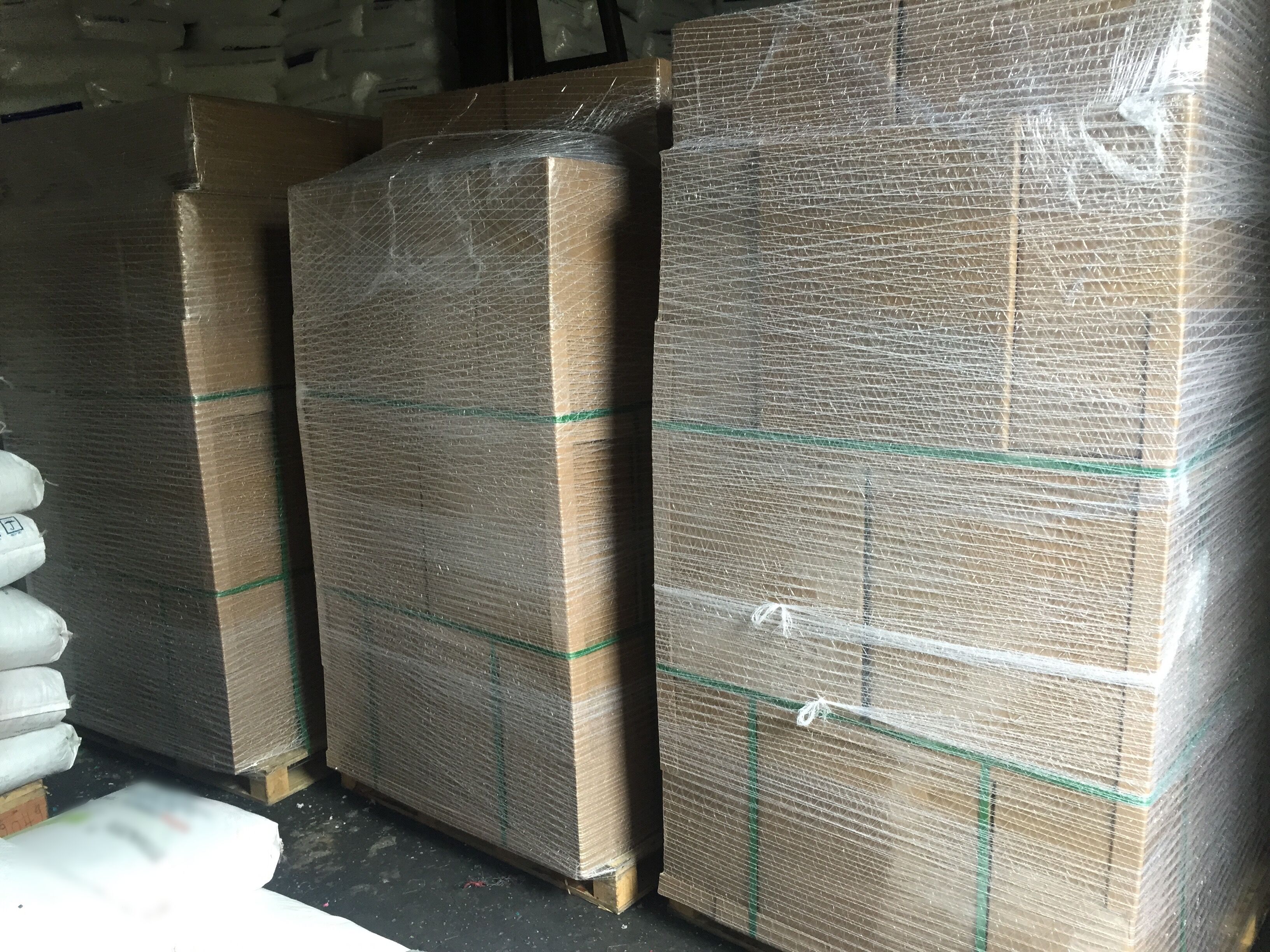
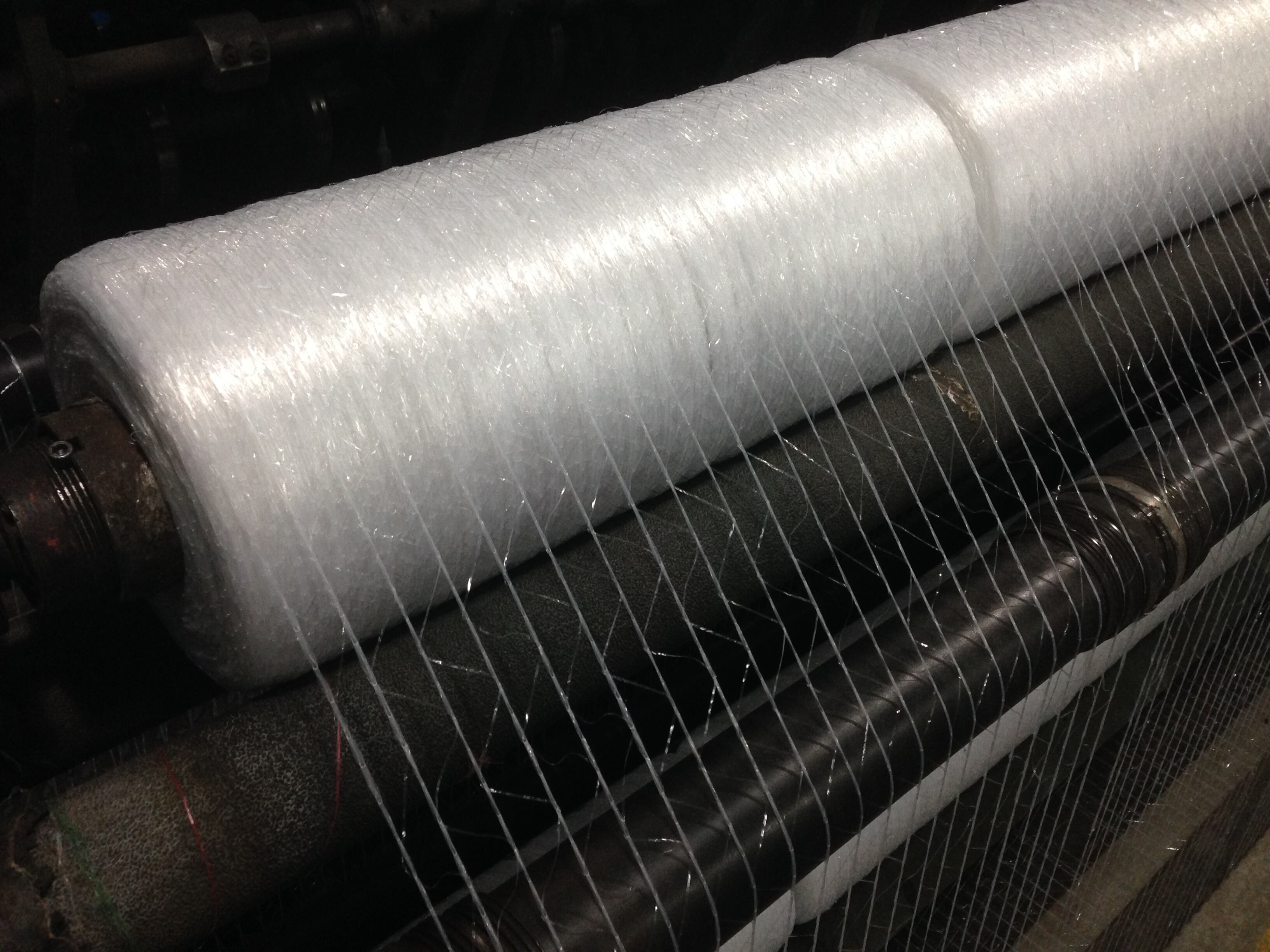
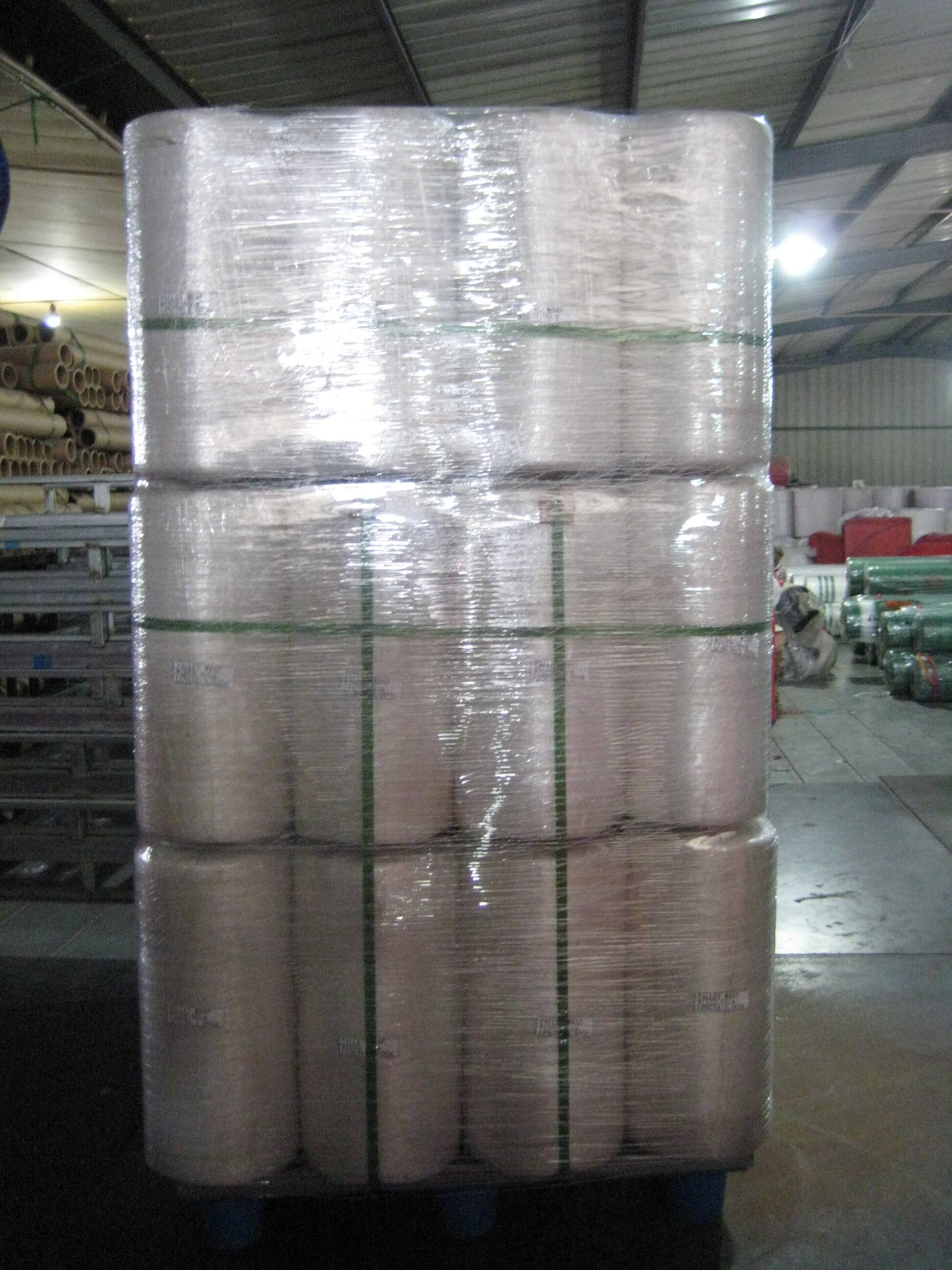
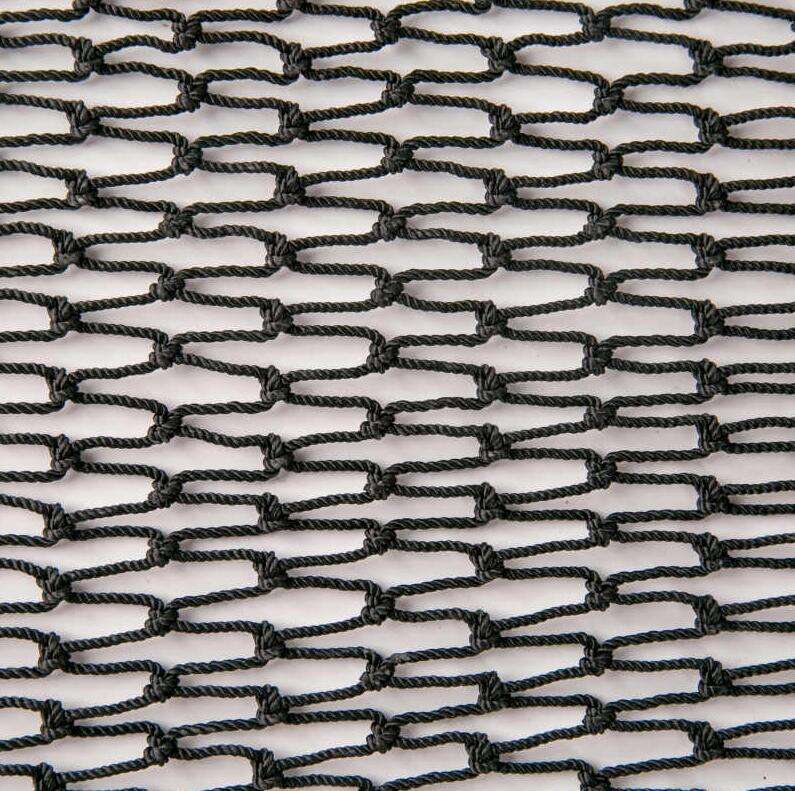
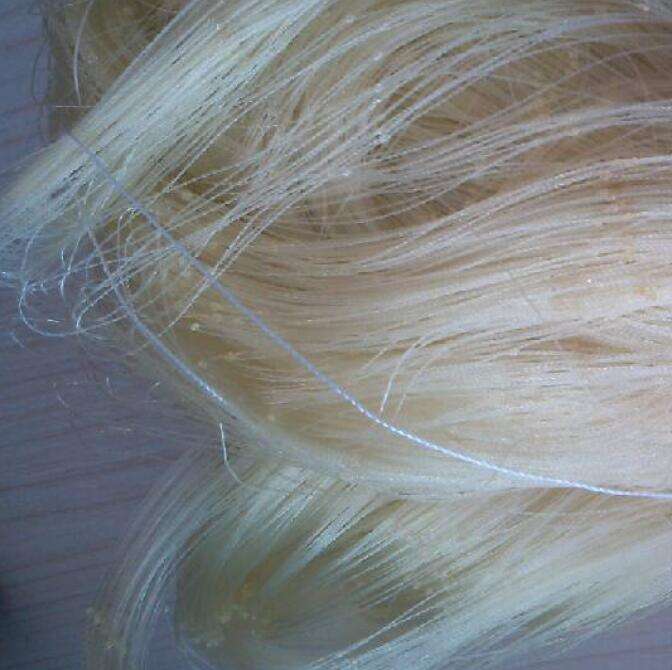
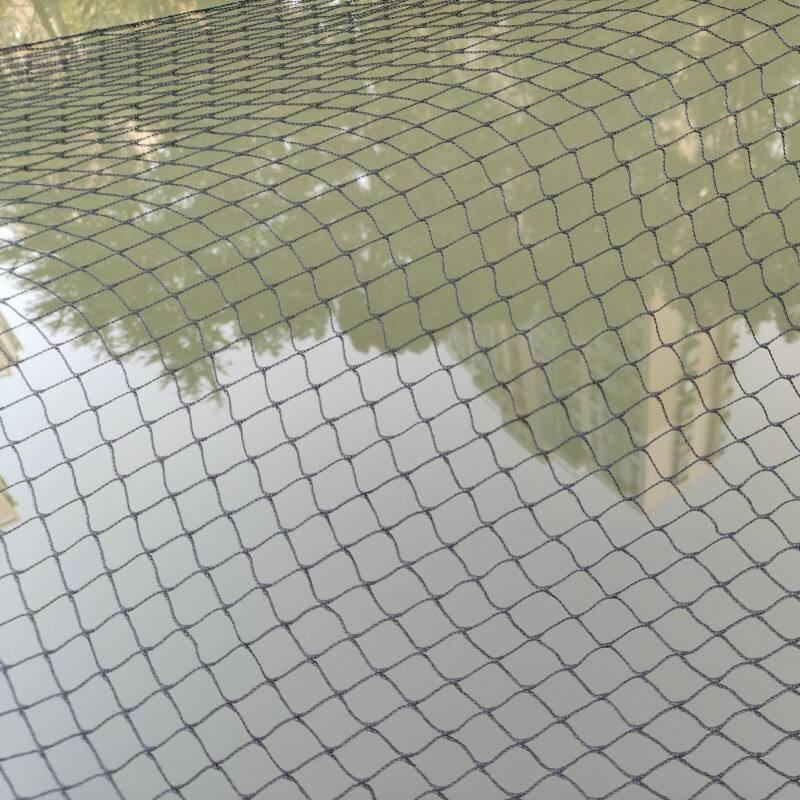
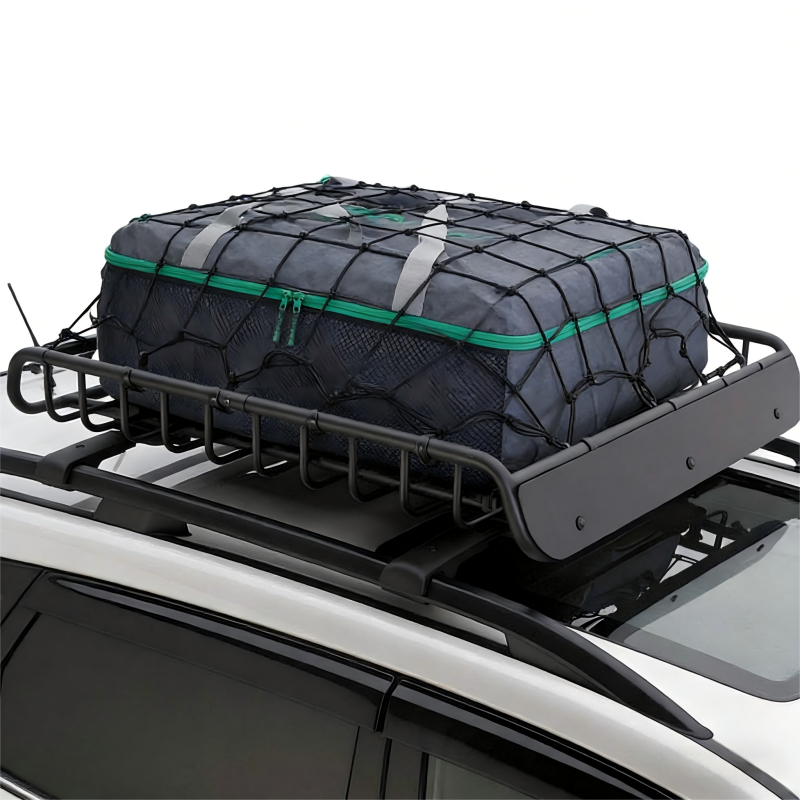
Reticula pali representat progressum revolutionis in arte ligandi onera et technologia emplastrandi, quae negotiis solutionem novam offert ad stabilizandos onera durante transportem et servatum. Haec systema specialis reticulae coniungit flexibilitatem membranae trahendae tradititionis cum respirabilitate meliorata et excellentia continentia onerum. Reticula pali constat ex fibribus syntheticis fortibus in schemate reticulare contextis, quae expandunt et contrahunt ut onerum varia figura et magnitudine ampleant, tamen tensionem constantem in toto processo emplastrandi servant. Dissimilis materiae plasticis membranis consuetis, haec solutio reticulata praestat circulationem aëris praestantem, quae humorem prohibet colligi et periculum degenenerationis mercium minuit durante longa perioda servationis. Fundamentum technologicum reticulae pali in arte polymerorum provectae innitit, quae materiam durabilem sed flexibilem creat, quae magnam vim et dispendia environmentalia ferre potest. Structura reticulata pressionem aequanter distribuit per totam superficiem oneri, eliminans puncta pressionis quae mercia delicata possent laedere. Haec solutio emplastrandi novissima applicationes latas in variis artibus invenit, ut in cibis et potibus, pharmaceuticis, electronicis, partibus automotive, et mercium consumerium fabricandis. Horreae et centra distributionis reticulam pali utunt ad ligandos res informe, fragilia, et materia temperatus sensibilia quae ventilatio sufficiens requirunt. Processus installationis instrumenta emplastrandi consueta involvit cum mutationibus minimis, quod eam cum operationibus emplastrandis existentibus compatibilem facit. Fabrica in officinis hanc reticulam in lineis automatis emplastrandis integrant ad efficentiam meliorem, dum materiarum pretium minuit. Versatilitas huius systematis reticulati ad applicationes servationis exteriores pertingit, ubi membranae plasticae traditae fallunt propter expositionem ad tempestates et degradationem UV. Operationes agriculturae reticulam pali ad ligandos bales fenum, instrumenta agriculturae, et inventarium saisonale quod protectionem sine clausura plena requirit utunt. Loca constructionis ex hac technologia proficiunt, cum instrumenta aedificiorum, ferramenta, et instrumenta quae resistentiam ad tempestates requirunt, sed aditum ad frequentem usum servant, ligantur.
 EN
EN