 EN
EN

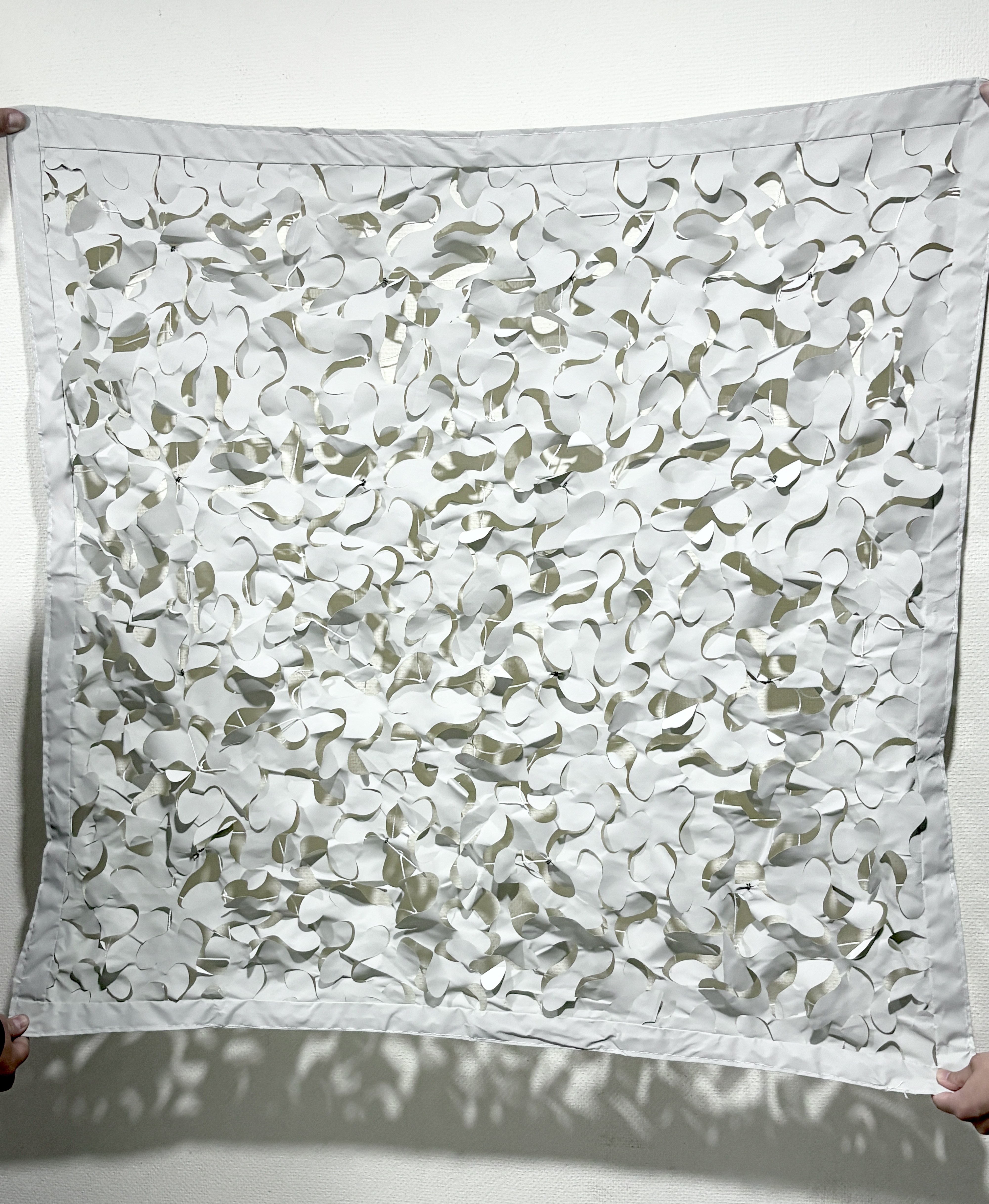
In modern tactical operations and military training scenarios, concealment remains one of the most critical factors determining mission success and personnel safety. A camo net serves as an essential piece of equipment that provides effective visual camouflage, enabling military personnel, hunting enthusiasts, and tactical teams to blend seamlessly with their surrounding environment. The strategic implementation of camo net technology has evolved significantly, offering enhanced protection and operational advantages across diverse terrains and mission parameters.
The development of advanced camo net systems represents a crucial advancement in tactical concealment technology. These specialized netting systems incorporate sophisticated material engineering and pattern design principles that effectively disrupt visual recognition patterns. Modern camo net solutions utilize multi-layered construction techniques, incorporating various fabric densities and color schemes that adapt to different environmental conditions while maintaining durability under extreme field conditions.
Essential Functions of Tactical Camouflage Netting
Visual Concealment and Pattern Disruption
The primary function of any effective camo net system involves creating visual disruption that breaks up recognizable shapes and silhouettes. Advanced camo net designs employ irregular pattern distribution and varying opacity levels that confuse optical detection systems. This visual disruption capability extends beyond simple color matching, incorporating texture variations and shadow manipulation techniques that enhance concealment effectiveness across multiple viewing angles and lighting conditions.
Professional-grade camo net systems integrate three-dimensional design elements that create depth perception challenges for observers. These systems utilize layered construction methods that generate natural-looking shadow patterns and texture variations. The strategic placement of different material densities within the camo net structure produces realistic environmental mimicry that remains effective during prolonged observation periods.
Multi-Terrain Adaptability
Modern camo net technology demonstrates remarkable adaptability across various terrain types and seasonal conditions. Manufacturers design these systems with modular color schemes and pattern arrangements that accommodate woodland, desert, urban, and maritime environments. The versatility of contemporary camo net solutions enables tactical teams to maintain consistent concealment standards regardless of operational deployment locations.
Seasonal adaptability represents another crucial advantage of advanced camo net systems. These products incorporate color-fast materials and UV-resistant treatments that maintain pattern integrity throughout extended exposure periods. The durability characteristics of professional camo net products ensure consistent performance across multiple deployment cycles while preserving visual effectiveness under harsh environmental conditions.
Technical Specifications and Material Engineering
Fabric Construction and Durability Standards
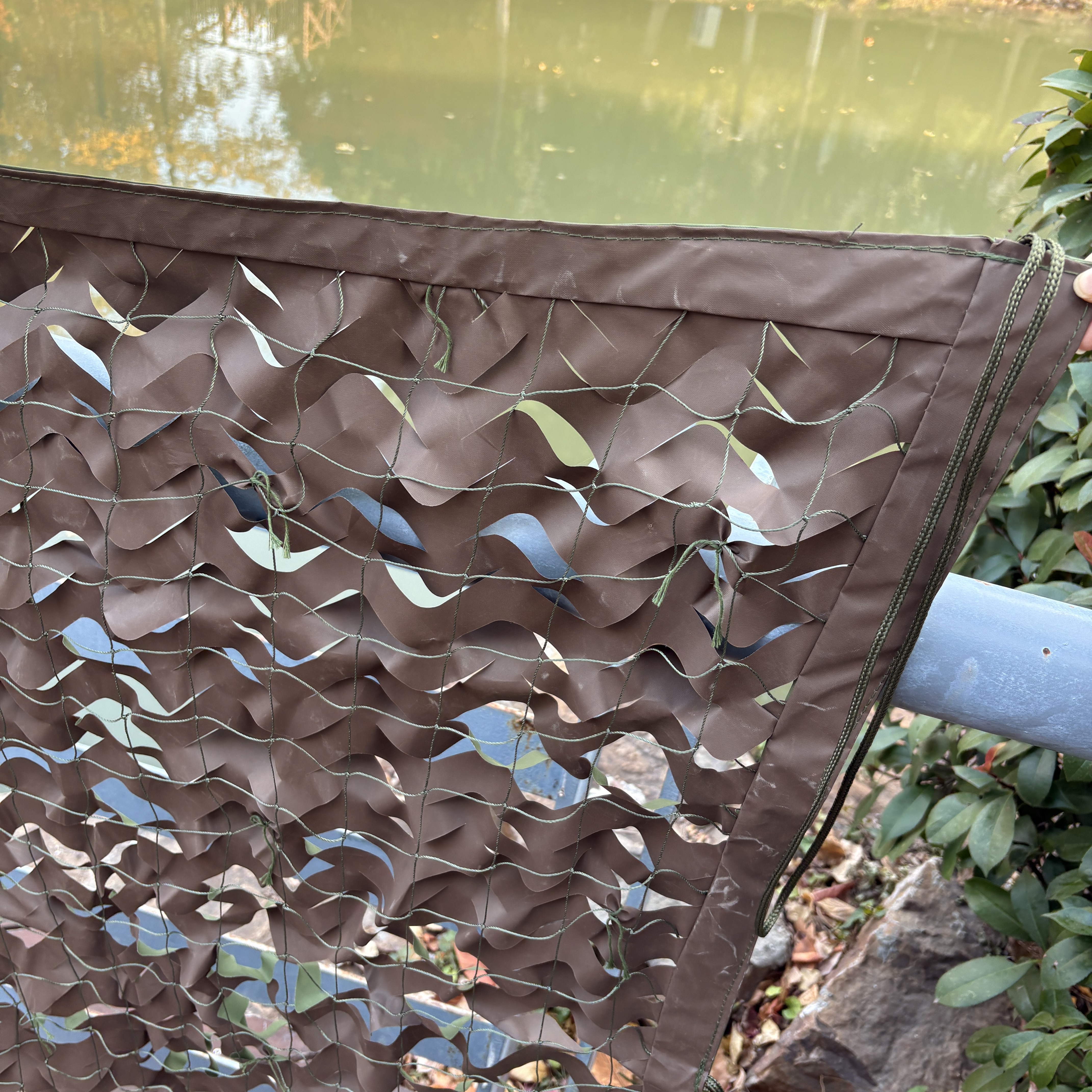
High-performance camo net systems utilize specialized polyester and nylon fabric combinations that provide exceptional tear resistance and weather protection. The material engineering process involves creating optimal balance between lightweight portability and structural integrity. Advanced camo net products incorporate reinforced edge binding and stress-point reinforcement that extends operational lifespan under demanding field conditions.
The fabric selection process for professional camo net manufacturing considers factors including colorfastness, flame resistance, and antimicrobial properties. These technical specifications ensure that camo net systems maintain performance standards throughout extended deployment periods. Material testing protocols evaluate resistance to UV degradation, moisture absorption, and mechanical stress factors that commonly affect field equipment.
Size Variations and Coverage Options
Professional camo net systems offer extensive size customization options that accommodate diverse operational requirements. Standard configurations range from compact personal concealment solutions to large-scale vehicle and equipment coverage systems. The modular design approach enables tactical teams to combine multiple camo net sections for expanded coverage areas while maintaining pattern continuity and visual effectiveness.
Installation flexibility represents a key advantage of modern camo net designs. These systems incorporate multiple attachment points and securing mechanisms that enable rapid deployment across various support structures. The lightweight construction characteristics of contemporary camo net products facilitate easy transport and setup procedures while maintaining structural stability under wind and weather conditions.
Applications in Military and Tactical Operations
Personnel Concealment Strategies
Individual and team concealment applications represent fundamental use cases for tactical camo net systems. These products enable military personnel to establish effective observation posts and defensive positions that remain undetected during reconnaissance operations. The strategic deployment of camo net materials creates natural-looking cover that conceals human movement and equipment positioning from aerial and ground-based observation.
Sniper teams and forward observers particularly benefit from specialized camo net applications that provide long-term concealment during surveillance missions. The breathable fabric construction allows for extended occupation periods while maintaining comfort and operational effectiveness. Advanced camo net designs incorporate ventilation features and moisture management properties that enhance user comfort during prolonged deployment scenarios.
Equipment and Vehicle Camouflage
Large-scale camo net systems provide effective concealment solutions for military vehicles, communication equipment, and supply installations. These applications require specialized mounting systems and enhanced durability specifications that withstand mechanical stress and environmental exposure. Professional camo net products designed for equipment concealment incorporate reinforced attachment points and weather-resistant materials that ensure consistent performance.
Mobile equipment concealment represents another critical application area where camo net technology provides significant operational advantages. The rapid deployment capabilities of modern camo net systems enable quick establishment of concealed positions during tactical movements. These applications require lightweight materials and simplified installation procedures that minimize setup time while maximizing concealment effectiveness.
Civilian and Recreational Applications
Hunting and Wildlife Photography
Recreational hunting applications demonstrate the versatility and effectiveness of civilian-grade camo net products. These systems enable hunters to establish concealed blinds and observation positions that minimize wildlife disturbance while maximizing observation opportunities. The natural appearance and environmental integration capabilities of quality camo net systems enhance hunting success rates and wildlife observation experiences.
Wildlife photographers utilize specialized camo net configurations to create mobile concealment solutions that enable close-range observation and documentation activities. The lightweight and portable characteristics of recreational camo net products facilitate easy transport and rapid setup procedures in remote locations. These applications require materials that provide effective concealment while maintaining optical clarity for photography equipment.
Outdoor Recreation and Privacy Solutions
Camping and outdoor recreation enthusiasts employ camo net systems for privacy screening and environmental integration purposes. These applications focus on creating natural-looking barriers that provide visual separation while maintaining airflow and natural lighting. Recreational camo net products offer simplified installation procedures and compact storage characteristics that enhance outdoor experiences.
Property screening and landscaping applications represent growing market segments for civilian camo net products. These systems provide effective visual barriers for construction sites, outdoor storage areas, and temporary installations. The aesthetic qualities and environmental compatibility of quality camo net materials make them suitable for long-term installation scenarios that require both functionality and visual appeal.
Selection Criteria and Performance Factors
Environmental Compatibility Assessment
Selecting appropriate camo net systems requires careful evaluation of environmental factors and operational requirements. Terrain characteristics, vegetation patterns, and seasonal variations significantly influence pattern selection and material specifications. Professional procurement processes involve detailed analysis of deployment conditions to ensure optimal camouflage effectiveness and operational performance.
Color accuracy and pattern authenticity represent critical factors in camo net selection processes. High-quality products utilize color matching techniques that correspond to natural vegetation patterns and seasonal variations. The pattern distribution and texture characteristics should complement local environmental conditions while providing effective concealment across various lighting scenarios and observation angles.
Durability and Maintenance Requirements
Long-term performance evaluation involves assessing material durability, weather resistance, and maintenance requirements of potential camo net systems. Professional-grade products incorporate advanced material treatments that resist fading, tearing, and environmental degradation. Maintenance procedures should be minimal and straightforward to ensure consistent performance throughout extended operational periods.
Cost-effectiveness analysis considers initial procurement costs, operational lifespan, and replacement frequency factors. Quality camo net systems represent long-term investments that provide consistent performance and reliable concealment capabilities. The total cost of ownership includes transportation, storage, and maintenance considerations that affect overall operational efficiency and budget planning.
Installation and Deployment Techniques
Field Setup Procedures
Effective camo net deployment requires understanding of proper installation techniques and support structure requirements. Professional installation procedures emphasize creating natural-looking arrangements that avoid geometric patterns and artificial appearance characteristics. The strategic use of natural materials and environmental integration techniques enhances overall concealment effectiveness and operational security.
Rapid deployment capabilities represent essential features for tactical camo net applications. Modern systems incorporate simplified attachment mechanisms and lightweight construction that enable quick setup procedures under challenging conditions. Training programs should emphasize proper installation techniques and maintenance procedures that ensure consistent performance and equipment longevity.
Maintenance and Storage Protocols
Proper maintenance procedures extend operational lifespan and preserve performance characteristics of camo net systems. Regular cleaning protocols remove environmental contaminants and prevent material degradation that could compromise concealment effectiveness. Storage procedures should protect materials from UV exposure, moisture accumulation, and mechanical damage during transportation and warehouse periods.
Inspection protocols identify potential performance issues before they affect operational effectiveness. Regular evaluation of material condition, attachment point integrity, and pattern authenticity ensures consistent concealment capabilities. Preventive maintenance procedures minimize unexpected equipment failures and maintain operational readiness standards throughout deployment cycles.
FAQ
What size camo net is most effective for personal concealment?
Personal concealment applications typically require camo net systems measuring 6x8 feet or 8x10 feet, depending on operational requirements and terrain characteristics. Smaller sizes provide adequate coverage for individual positions while maintaining portability and ease of deployment. Consider environmental factors and mission duration when selecting appropriate size configurations for personal concealment applications.
How long do quality camo net systems typically last under field conditions?
Professional-grade camo net products demonstrate operational lifespans ranging from 3-7 years under normal field conditions, depending on usage intensity and environmental exposure factors. Material quality, UV treatments, and maintenance procedures significantly influence longevity characteristics. Regular inspection and proper storage protocols extend operational lifespan and maintain performance standards throughout multiple deployment cycles.
Can camo net systems be customized for specific terrain types?
Many manufacturers offer customization services that tailor camo net patterns and colors to specific geographical regions and seasonal conditions. Custom pattern development considers local vegetation characteristics, soil colors, and environmental factors that influence concealment effectiveness. Specialized applications may require unique material specifications and pattern arrangements that optimize performance for particular operational requirements.
What maintenance procedures are required for extended camo net performance?
Regular maintenance involves gentle cleaning with mild detergent solutions, thorough drying before storage, and inspection of attachment points and fabric integrity. Avoid harsh chemicals and high-temperature washing that could damage material treatments and color authenticity. Proper storage in dry, dark environments prevents UV degradation and maintains pattern effectiveness throughout extended operational periods.