 EN
EN

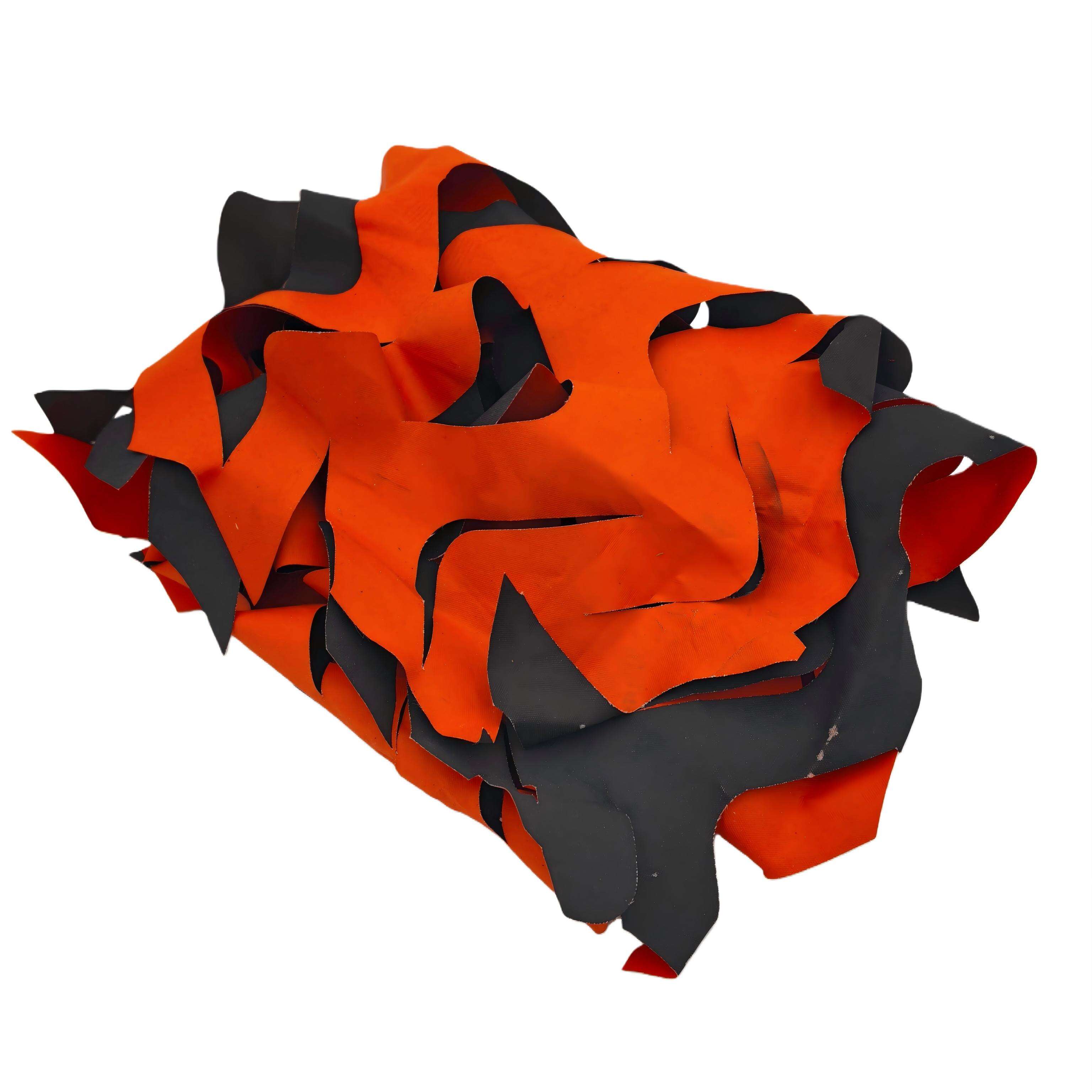
Military operations, wildlife observation, and outdoor recreational activities all require effective concealment solutions that blend seamlessly with natural surroundings. A camo net represents one of the most versatile and proven methods for reducing visual detection across diverse outdoor environments. These specialized concealment systems work by disrupting the human eye's pattern recognition capabilities while mimicking natural environmental textures and colors.
Understanding Visual Detection Principles
Pattern Recognition and Human Vision
Human visual perception operates through sophisticated pattern recognition systems that automatically identify shapes, edges, and contrasts in the environment. When properly deployed, a camo net exploits these natural limitations by creating visual confusion that prevents observers from distinguishing concealed objects from their surroundings. The effectiveness stems from understanding how the human eye processes visual information and identifying movement, geometric shapes, and color variations that stand out against natural backgrounds.
Research in visual psychology demonstrates that people naturally scan environments looking for regular patterns, straight lines, and color contrasts that indicate artificial objects. A quality camo net disrupts these visual cues by introducing irregular patterns that mirror natural foliage, shadows, and terrain variations. This biological understanding forms the foundation for effective camouflage design principles used in modern concealment systems.
Environmental Adaptation Mechanisms
Complex outdoor environments present multiple visual challenges that require adaptive concealment strategies. Dense forests offer different concealment requirements compared to desert landscapes, grasslands, or rocky terrain. A well-designed camo net addresses these variations through color schemes, pattern densities, and material properties that complement specific environmental characteristics while maintaining effectiveness across seasonal changes.
The adaptive nature of modern camo net systems allows users to modify their concealment approach based on immediate environmental conditions. Seasonal foliage changes, lighting conditions, and weather patterns all influence visual detection risks, requiring flexible concealment solutions that remain effective throughout varying operational periods. Professional-grade systems incorporate these environmental factors into their design specifications.
Material Science and Construction Technology
Advanced Fabric Engineering
Contemporary camo net construction utilizes advanced synthetic materials that balance durability, weather resistance, and visual effectiveness. High-performance polyester and nylon blends provide tear resistance while maintaining the flexibility needed for proper draping and contouring around concealed objects. These materials undergo specialized treatments to reduce glare, control light reflection, and enhance pattern definition across various lighting conditions.
The fabric engineering process incorporates infrared considerations alongside visible spectrum camouflage requirements. Modern detection systems often employ thermal imaging and night vision technologies that can penetrate conventional camouflage materials. Advanced camo net designs address these challenges through specialized coatings and material compositions that reduce thermal signatures while maintaining visual concealment properties.
Pattern Design and Color Integration
Effective camo net patterns result from extensive research into natural environment characteristics and mathematical modeling of visual disruption techniques. Computer-generated patterns simulate organic randomness while incorporating strategic color placement that maximizes concealment effectiveness. The pattern design process considers viewing distances, ambient lighting conditions, and seasonal variations to create versatile concealment solutions.
Color integration within camo net systems requires precise matching to target environments while accounting for fading, weathering, and lighting variations. Professional manufacturers utilize advanced color analysis systems to ensure pattern colors remain effective under diverse conditions. The integration process balances multiple color elements to create depth perception that mimics natural environmental layers.
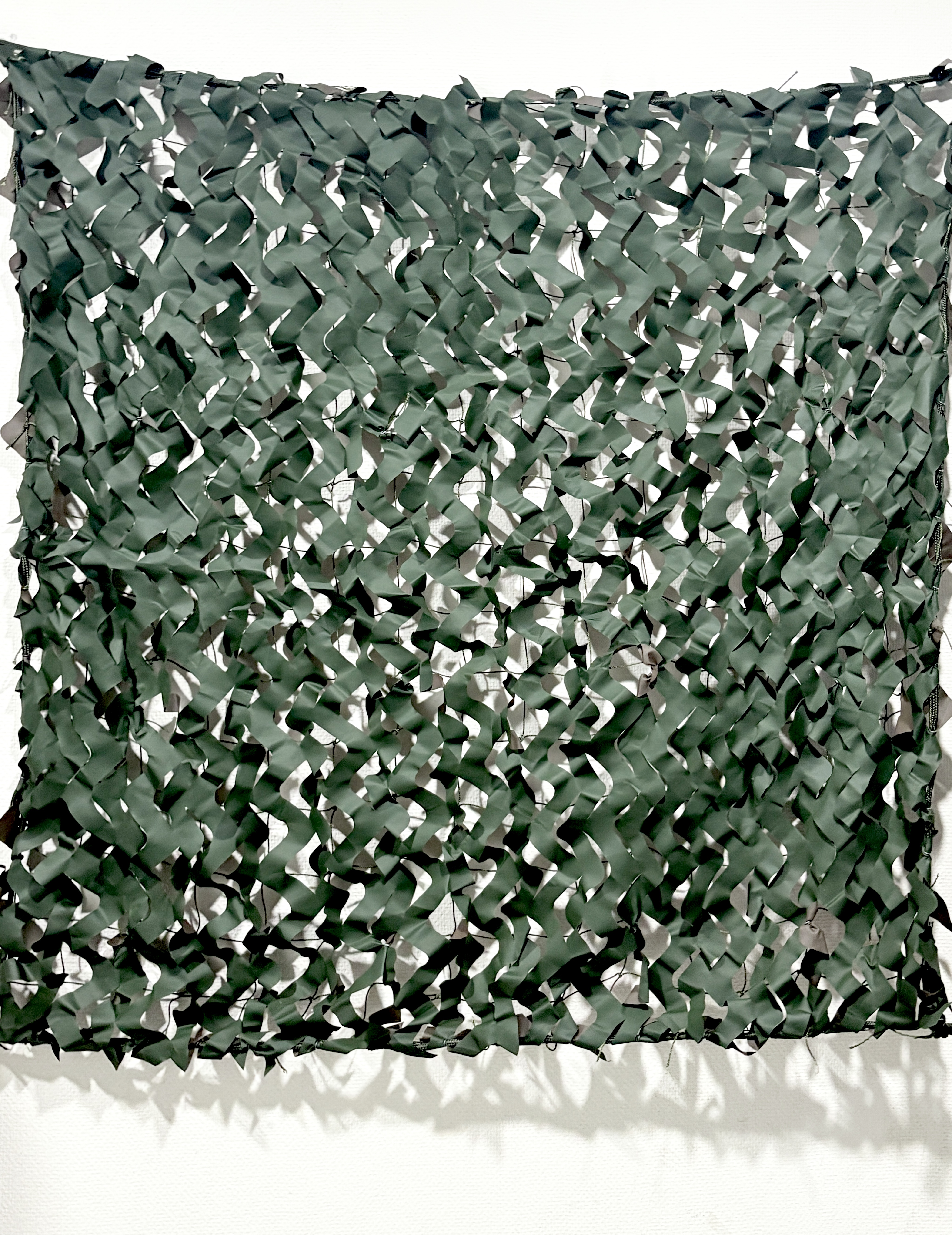
Deployment Strategies and Installation Methods
Site Assessment and Preparation
Successful camo net deployment begins with comprehensive site assessment that identifies optimal concealment positions, natural anchor points, and potential detection vulnerabilities. Professional installers evaluate terrain features, vegetation patterns, and sight lines to determine the most effective positioning strategies. This assessment process ensures maximum concealment effectiveness while minimizing installation time and material requirements.
Site preparation involves clearing unnecessary obstacles, identifying structural support requirements, and establishing installation sequences that maintain concealment throughout the deployment process. Proper preparation reduces detection risks during installation while ensuring long-term system stability. Environmental factors such as wind patterns, drainage requirements, and seasonal changes influence preparation decisions.
Anchor Systems and Support Structures
Reliable anchor systems provide the foundation for effective camo net installations that maintain proper tension and positioning under varying weather conditions. Professional installations utilize multiple anchor point configurations that distribute load stress while accommodating natural environmental movement. Support structure selection considers wind loading, material stress limits, and maintenance accessibility requirements.
Modern anchor systems incorporate quick-release mechanisms that enable rapid deployment and retrieval when operational requirements change. These systems balance installation speed with holding strength to meet diverse mission requirements. Proper anchor spacing and tension management ensure consistent concealment coverage while preventing material damage from environmental stresses.
Performance Optimization in Various Environments
Forest and Woodland Applications
Dense forest environments present unique challenges for camo net deployment due to complex lighting patterns, varying vegetation densities, and seasonal foliage changes. Effective woodland concealment requires pattern selection that complements existing vegetation while accounting for canopy shadows and filtered sunlight conditions. The three-dimensional nature of forest environments enables layered concealment strategies that maximize detection reduction.
Woodland camo net installations benefit from integration with natural vegetation elements that enhance concealment effectiveness. Strategic placement of natural materials along net edges creates seamless transitions between artificial and natural concealment elements. This integration approach reduces edge detection while maintaining system functionality and accessibility requirements.
Open Terrain and Desert Conditions
Open terrain environments require different camo net strategies that address extended sight lines, minimal natural concealment, and harsh environmental conditions. Desert installations must account for extreme temperature variations, wind exposure, and limited anchor point availability. Effective open terrain concealment often requires larger coverage areas and specialized pattern designs that work effectively at extended viewing distances.
Desert camo net systems incorporate specialized materials that resist UV degradation, sand abrasion, and extreme temperature cycling. Pattern designs for open terrain emphasize distance effectiveness over close-range concealment, utilizing color schemes and pattern scales optimized for long-range observation scenarios. Installation methods must accommodate high wind loads and temperature-induced material expansion.
Maintenance and Longevity Considerations
Cleaning and Storage Protocols
Proper maintenance protocols significantly extend camo net service life while maintaining concealment effectiveness throughout extended use periods. Regular cleaning removes accumulated debris, environmental contaminants, and biological growth that can compromise pattern definition and material integrity. Professional cleaning methods preserve color fastness while eliminating odors and bacterial growth that could compromise concealment operations.
Storage protocols protect camo net systems from UV exposure, moisture damage, and mechanical stress during non-operational periods. Proper folding techniques prevent permanent creases that could create detection signatures while ensuring compact storage requirements. Climate-controlled storage environments preserve material properties and extend operational lifespan significantly compared to outdoor storage methods.
Repair and Replacement Strategies
Field repair capabilities ensure continued camo net effectiveness when minor damage occurs during operational deployment. Repair kits include color-matched patches, specialized adhesives, and reinforcement materials that restore concealment properties without compromising overall system integrity. Proper repair techniques maintain pattern continuity while addressing structural damage that could lead to system failure.
Replacement planning considers operational requirements, environmental exposure levels, and performance degradation patterns to optimize system lifecycle costs. Professional users establish replacement schedules based on usage intensity, environmental conditions, and mission criticality. Proactive replacement prevents concealment failures while maintaining operational readiness throughout extended deployment periods.
FAQ
What factors determine camo net effectiveness in different lighting conditions
Camo net effectiveness varies with lighting conditions due to changes in color perception, shadow patterns, and contrast levels throughout different times of day. Dawn and dusk periods create challenging lighting conditions where color matching becomes less critical while pattern contrast and edge definition gain importance. Quality camo net systems account for these variations through pattern designs that remain effective across varying light intensities and angles.
How do weather conditions impact camo net performance
Weather significantly influences camo net performance through moisture effects, wind movement, and temperature-related material changes. Rain can alter color appearance and create reflective surfaces that compromise concealment, while wind movement may reveal installation edges or create unnatural movement patterns. Professional systems incorporate weather-resistant treatments and installation methods that maintain effectiveness throughout diverse weather conditions.
How does camo net installation affect surrounding environmental conditions
Proper camo net installation minimally impacts surrounding environmental conditions when following professional installation practices. Temporary installations avoid permanent environmental modifications while providing effective concealment for specific operational requirements. Long-term installations require environmental impact assessments to ensure compatibility with local ecosystems and regulatory compliance requirements throughout the deployment period.