 EN
EN

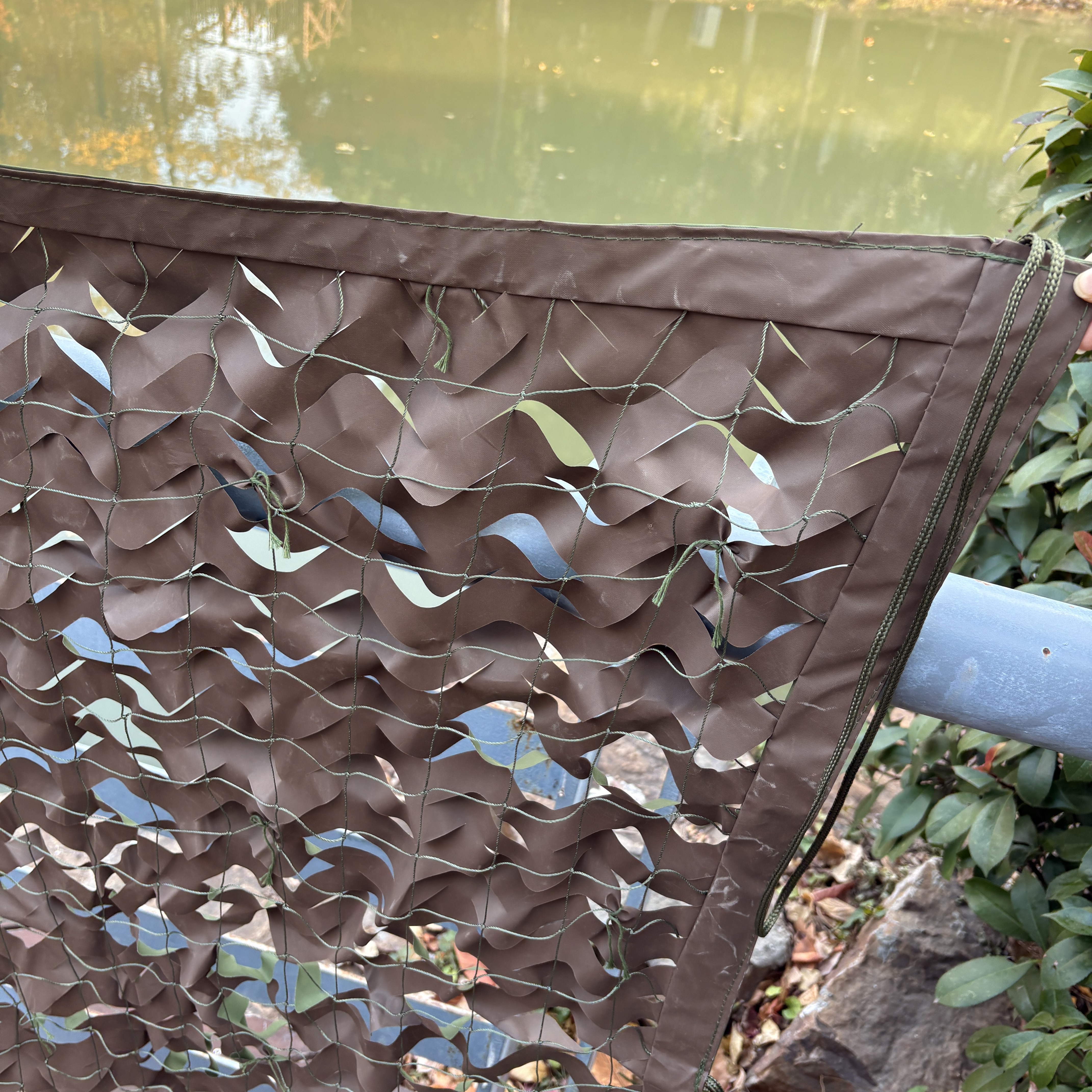
B2B buyers in the military, outdoor recreation, and industrial sectors face unique challenges when sourcing camo net products for bulk import operations. The global camouflage netting market has experienced substantial growth, driven by increasing demand from defense contractors, outdoor equipment retailers, and specialty manufacturers. Understanding the critical factors that influence purchasing decisions helps suppliers position their products effectively and buyers make informed choices that align with their operational requirements and budget constraints.
The procurement process for camo net involves multiple stakeholders including purchasing managers, quality assurance teams, and end-user representatives. Each group brings distinct perspectives and requirements that must be satisfied throughout the evaluation and selection process. Successful bulk import operations depend on thorough market research, supplier evaluation, and clear specification development that addresses both immediate needs and long-term strategic objectives.
Material Quality and Durability Standards
Fabric Composition and Construction
The foundation of any high-quality camo net lies in its fabric composition and construction methodology. B2B buyers prioritize materials that demonstrate exceptional tear resistance, UV stability, and weather resistance across diverse environmental conditions. Premium camo net products typically incorporate polyester or nylon fibers with specialized coating treatments that enhance longevity and performance characteristics. The weaving pattern and thread density directly impact the product's ability to withstand mechanical stress and maintain structural integrity during extended use.
Advanced manufacturing techniques such as ripstop construction provide additional reinforcement against tear propagation, making the camo net suitable for demanding applications. Buyers evaluate fabric weight specifications, typically ranging from lightweight options for temporary installations to heavy-duty variants designed for permanent military installations. The selection criteria include assessment of denier ratings, thread counts, and coating specifications that determine the product's suitability for specific operational environments.
Performance Testing and Certification
Comprehensive performance testing protocols ensure that camo net products meet stringent military and commercial standards. B2B buyers require detailed documentation of testing procedures including tensile strength analysis, colorfastness evaluation, and accelerated weathering assessments. Independent third-party testing laboratories provide credible validation of performance claims, giving buyers confidence in their procurement decisions and reducing the risk of product failure in critical applications.
Certification requirements vary depending on the intended application, with military contracts typically demanding compliance with specific government standards such as MIL-DTL specifications. Commercial buyers may focus on industry certifications that validate fire retardancy, environmental safety, and performance consistency. The availability of comprehensive test reports and certification documentation significantly influences purchasing decisions, particularly for organizations with strict quality assurance protocols.
Customization Capabilities and Production Flexibility
Size and Dimension Options
Bulk import buyers require suppliers who can accommodate diverse size specifications and custom dimension requirements. Standard camo net sizes may not align with specific project needs, making production flexibility a critical selection criterion. Manufacturers who offer comprehensive customization services, including bespoke cutting, hemming, and reinforcement options, provide significant value to B2B customers with unique operational requirements.
The ability to produce large-format installations while maintaining consistent quality standards demonstrates manufacturing sophistication and capability. Buyers evaluate suppliers based on their maximum production dimensions, precision cutting capabilities, and quality control systems that ensure dimensional accuracy across large production runs. Custom sizing options enable optimal material utilization and reduce waste in end-user applications.
Color Pattern and Camouflage Design
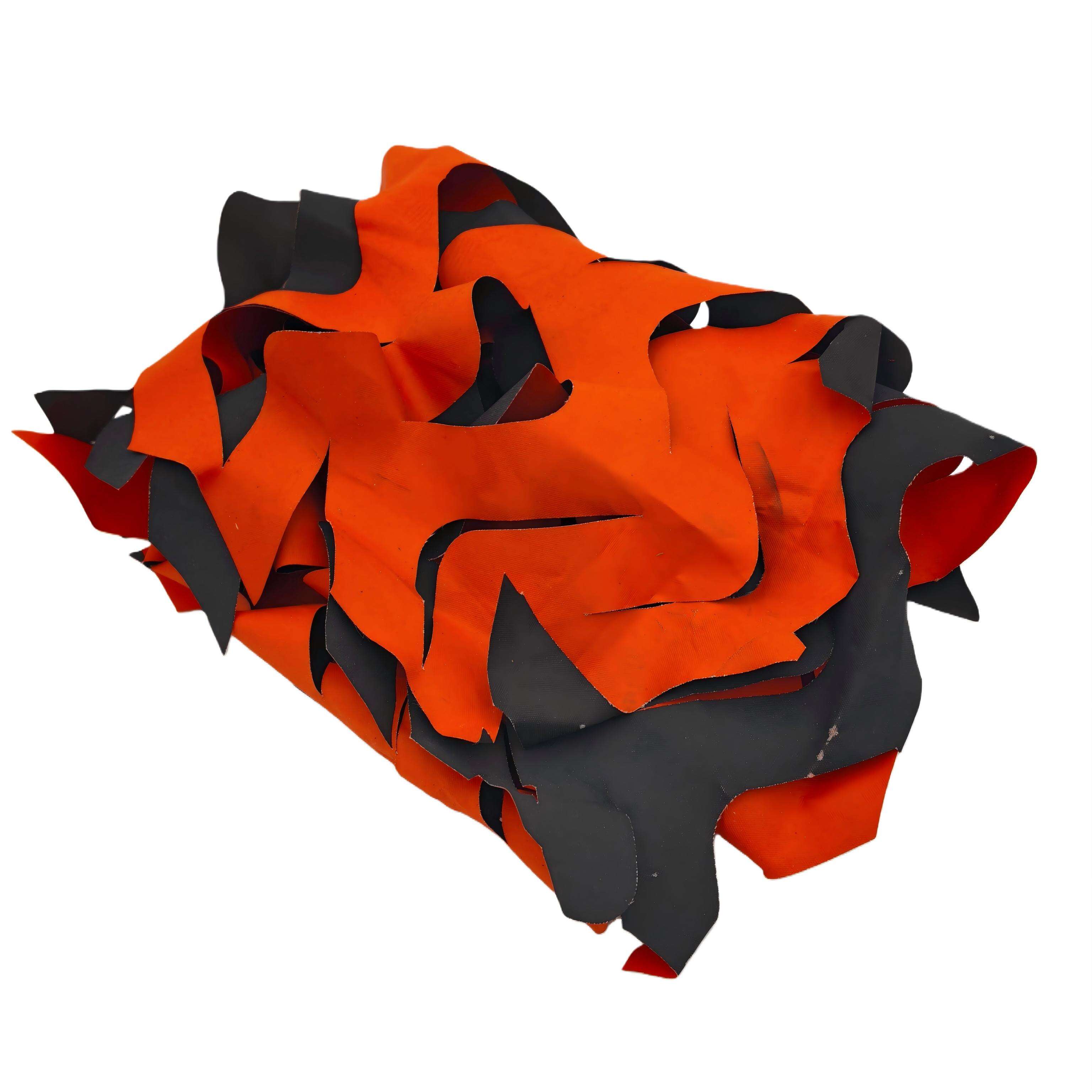
Camouflage pattern effectiveness varies significantly based on operational environments and intended applications. B2B buyers seek suppliers who offer comprehensive pattern libraries including woodland, desert, urban, and digital camouflage designs. The ability to develop custom patterns or modify existing designs provides competitive advantages for buyers serving specialized markets or unique operational requirements.
Color consistency across production batches represents a critical quality metric that impacts the effectiveness of camo net installations. Advanced color matching systems and quality control protocols ensure that multi-batch orders maintain visual uniformity and performance characteristics. Suppliers who invest in sophisticated printing and dyeing technologies demonstrate commitment to quality and consistency that resonates with professional buyers.
Supply Chain Management and Logistics Considerations
Production Capacity and Lead Times
Bulk import operations require suppliers with substantial production capacity and predictable delivery schedules. B2B buyers evaluate manufacturing facilities based on their ability to handle large volume orders without compromising quality or extending lead times beyond acceptable parameters. Production planning capabilities, inventory management systems, and workforce scalability directly impact a supplier's ability to meet demanding delivery requirements.
Seasonal demand fluctuations and emergency procurement requirements necessitate supplier flexibility and responsiveness. Manufacturers who maintain strategic inventory levels and implement efficient production scheduling systems provide valuable reliability for buyers managing complex project timelines. The ability to expedite orders or adjust production schedules demonstrates operational sophistication that influences long-term partnership decisions.
Packaging and Shipping Optimization
Efficient packaging solutions minimize shipping costs and reduce the risk of damage during international transportation. Professional camo net suppliers implement protective packaging systems that account for the specific characteristics of textile products including moisture protection, compression resistance, and handling requirements. Optimized packaging dimensions maximize container utilization and reduce per-unit shipping costs for bulk orders.
Documentation accuracy and customs compliance streamline the import process and minimize delays at international borders. Suppliers who provide comprehensive shipping documentation, accurate product classifications, and proactive customs support demonstrate professional competence that reduces buyer workload and potential complications. Experience with international shipping requirements and established relationships with logistics partners provide additional value for import operations.
Pricing Structure and Value Proposition
Cost Transparency and Volume Discounts
B2B buyers require transparent pricing structures that clearly define base costs, customization fees, and volume discount tiers. Complex pricing models with hidden charges or unclear specifications create procurement challenges and complicate budget planning processes. Suppliers who provide detailed cost breakdowns and flexible pricing options facilitate easier comparison and decision-making for bulk purchase requirements.
Volume discount structures should reflect genuine economies of scale while maintaining profitability for sustainable business relationships. Buyers evaluate discount schedules based on quantity thresholds, total order values, and long-term purchase commitments. Progressive discount tiers that reward larger purchases encourage buyers to consolidate orders and develop stronger supplier relationships while achieving cost optimization objectives.
Total Cost of Ownership Analysis
Professional buyers conduct comprehensive total cost of ownership analyses that extend beyond initial purchase prices. Factors such as product durability, maintenance requirements, replacement frequency, and disposal costs significantly impact long-term value propositions. High-quality camo net products with superior durability characteristics often provide better value despite higher initial costs when evaluated over extended operational periods.
Warranty provisions and after-sales support services contribute to total cost calculations and risk mitigation strategies. Suppliers who offer comprehensive warranty coverage, replacement guarantees, and technical support services provide additional value that justifies premium pricing structures. The availability of spare parts, repair services, and product upgrades influences long-term ownership costs and buyer satisfaction levels.
Supplier Evaluation and Partnership Criteria
Manufacturing Capabilities and Quality Systems
B2B buyers conduct thorough supplier assessments that evaluate manufacturing capabilities, quality management systems, and operational stability. Site visits, capability audits, and quality system certifications provide insights into supplier competence and reliability. Manufacturing facilities with modern equipment, skilled workforce, and robust quality control systems demonstrate the capability to deliver consistent products that meet demanding specifications.
Quality management certifications such as ISO 9001 provide independent validation of systematic quality approaches and continuous improvement commitments. Buyers prioritize suppliers who implement statistical process control, regular quality audits, and corrective action systems that ensure consistent product quality. The presence of dedicated quality assurance teams and testing laboratories indicates serious commitment to product excellence and customer satisfaction.
Communication and Technical Support
Effective communication throughout the procurement and production process builds confidence and facilitates successful project execution. B2B buyers value suppliers who provide responsive communication, regular project updates, and proactive issue resolution. Multilingual support capabilities and cultural understanding enhance communication effectiveness for international business relationships and reduce potential misunderstandings.
Technical expertise and application support services help buyers optimize camo net selection and implementation strategies. Suppliers who offer engineering consultation, installation guidance, and performance optimization recommendations provide value-added services that differentiate their offerings. The availability of technical documentation, user guides, and training materials supports successful product deployment and user adoption.
Regulatory Compliance and Documentation
International Standards and Regulations
Compliance with international standards and regulations ensures product acceptability across diverse markets and applications. B2B buyers require comprehensive documentation of regulatory compliance including safety certifications, environmental standards, and industry-specific requirements. Products intended for military applications must meet stringent government specifications while commercial products require compliance with relevant safety and performance standards.
Environmental regulations and sustainability requirements increasingly influence procurement decisions as organizations implement corporate social responsibility initiatives. Suppliers who demonstrate compliance with environmental standards, sustainable manufacturing practices, and responsible sourcing policies align with buyer values and regulatory requirements. Documentation of environmental impact assessments and sustainability metrics supports purchasing decisions and corporate reporting requirements.
Import Documentation and Customs Compliance
Accurate import documentation and customs compliance procedures minimize delays and additional costs during the import process. Professional suppliers provide comprehensive shipping documentation including commercial invoices, packing lists, certificates of origin, and relevant compliance certificates. Proper product classification and harmonized system codes ensure correct customs processing and duty assessments.
Experience with international trade regulations and customs procedures demonstrates supplier competence in global commerce. Suppliers who maintain relationships with customs brokers, freight forwarders, and logistics specialists provide valuable support for complex import operations. Proactive communication regarding shipping status, customs clearance, and delivery schedules keeps buyers informed and enables effective inventory planning.
FAQ
What quality certifications should buyers look for in camo net suppliers?
Key quality certifications for camo net suppliers include ISO 9001 quality management systems, relevant military specifications for defense applications, and environmental certifications such as OEKO-TEX for textile safety. Fire retardancy certifications, UV resistance testing, and tensile strength documentation provide additional quality assurance. Third-party testing reports from recognized laboratories validate performance claims and quality standards.
How can buyers verify the authenticity and quality of camo net samples?
Buyers should request comprehensive sample packages that include material specifications, test reports, and certification documents. Physical testing of samples through independent laboratories can verify claimed performance characteristics. Supplier facility visits, reference checks with existing customers, and review of production capabilities provide additional verification of quality claims and manufacturing competence.