 EN
EN

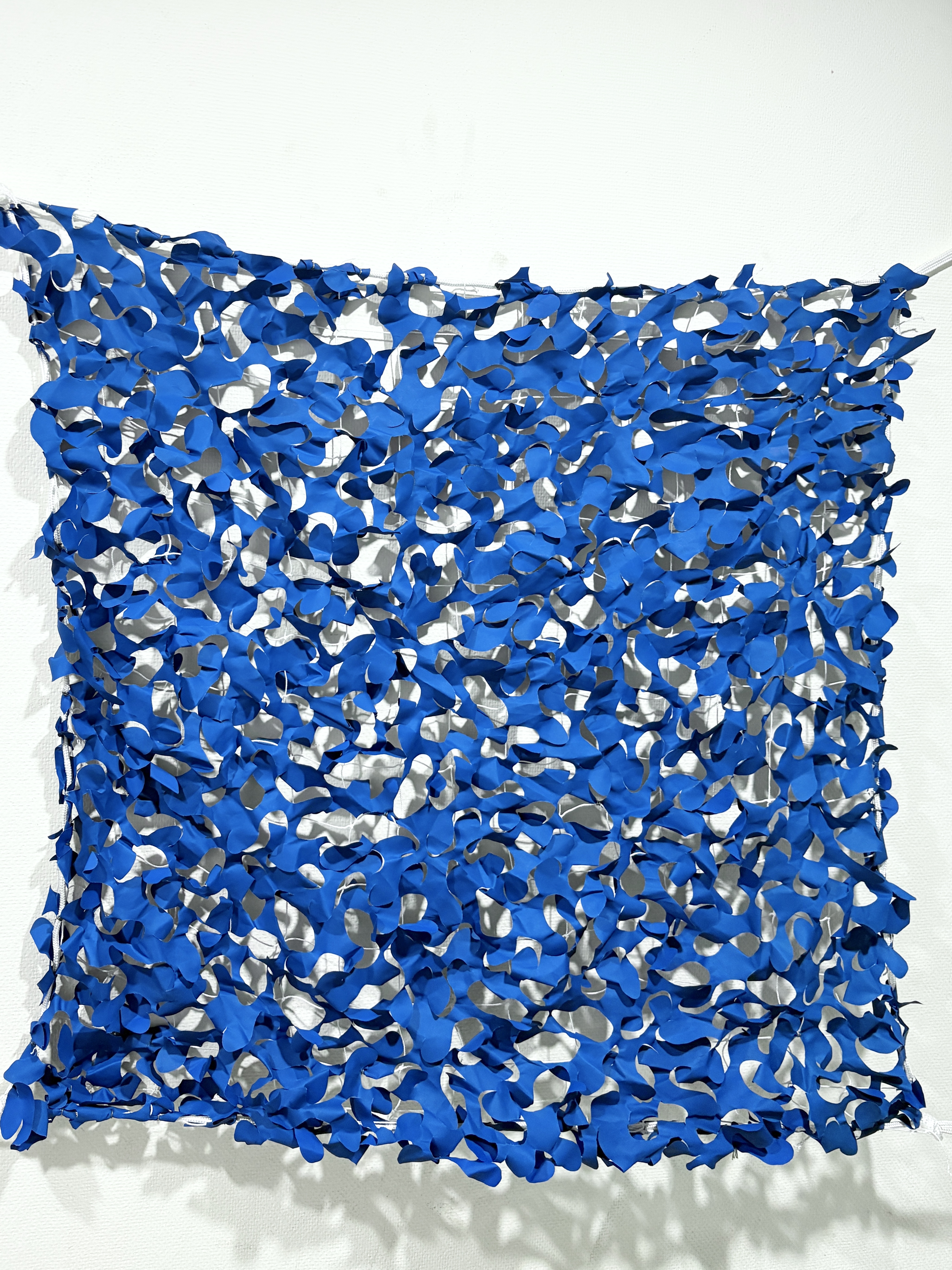
Outdoor enthusiasts, military personnel, and hunters frequently rely on camouflage netting for concealment and protection from the elements. The durability and weather resistance of a camo net directly impacts its effectiveness and longevity in demanding outdoor environments. Understanding how these specialized fabrics perform under extended UV exposure and harsh weather conditions is crucial for making informed purchasing decisions and ensuring optimal performance in the field.
Modern camouflage netting technology has evolved significantly to address the challenges posed by prolonged outdoor exposure. Advanced materials and manufacturing processes now enable these tactical concealment tools to withstand years of continuous use in diverse climatic conditions. The key to long-term performance lies in understanding the specific materials, treatments, and construction techniques that enhance weather resistance while maintaining camouflage effectiveness.
Material Composition and UV Resistance
Synthetic Fabric Advantages
High-quality camo net products utilize advanced synthetic materials specifically engineered for outdoor durability. Polyester and nylon blends offer superior resistance to ultraviolet degradation compared to natural fibers. These synthetic compositions maintain their structural integrity and color fastness even after thousands of hours of direct sunlight exposure. The molecular structure of these materials provides inherent protection against UV-induced breakdown that typically causes fading and fabric weakening.
Manufacturing processes often incorporate UV stabilizers directly into the fiber structure during production. This embedded protection ensures that the anti-UV properties remain effective throughout the entire lifespan of the camo net rather than wearing off over time like surface treatments. The result is consistent performance and appearance retention across multiple seasons of outdoor use.
Color Retention Technology
Advanced dyeing techniques and pigment technologies prevent the characteristic fading that plagued earlier generations of camouflage netting. Solution-dyed fibers lock colors deep within the material structure, making them virtually immune to UV bleaching. This technology ensures that camouflage patterns maintain their effectiveness by preserving the contrast and color variations essential for visual concealment.
The longevity of color retention directly impacts the tactical effectiveness of any camo net system. Faded or washed-out patterns compromise concealment capabilities and may require premature replacement. Modern UV-resistant formulations maintain pattern definition and color accuracy for years of continuous outdoor exposure, providing consistent camouflage performance throughout the product lifecycle.
Weather Resistance Features
Water Repellency and Drainage
Effective weather protection requires more than just water resistance; it demands intelligent moisture management. Quality camouflage netting incorporates hydrophobic treatments that cause water to bead and roll off the surface rather than soaking into the fibers. This characteristic prevents water accumulation that could lead to mildew, rot, or structural damage over time.
The open mesh construction of most camo net designs provides natural drainage and air circulation. This ventilation prevents moisture buildup while maintaining the lightweight characteristics essential for portable applications. The combination of water repellency and drainage ensures that the netting remains functional and maintains its structural integrity even during extended periods of wet weather.
Wind and Tear Resistance
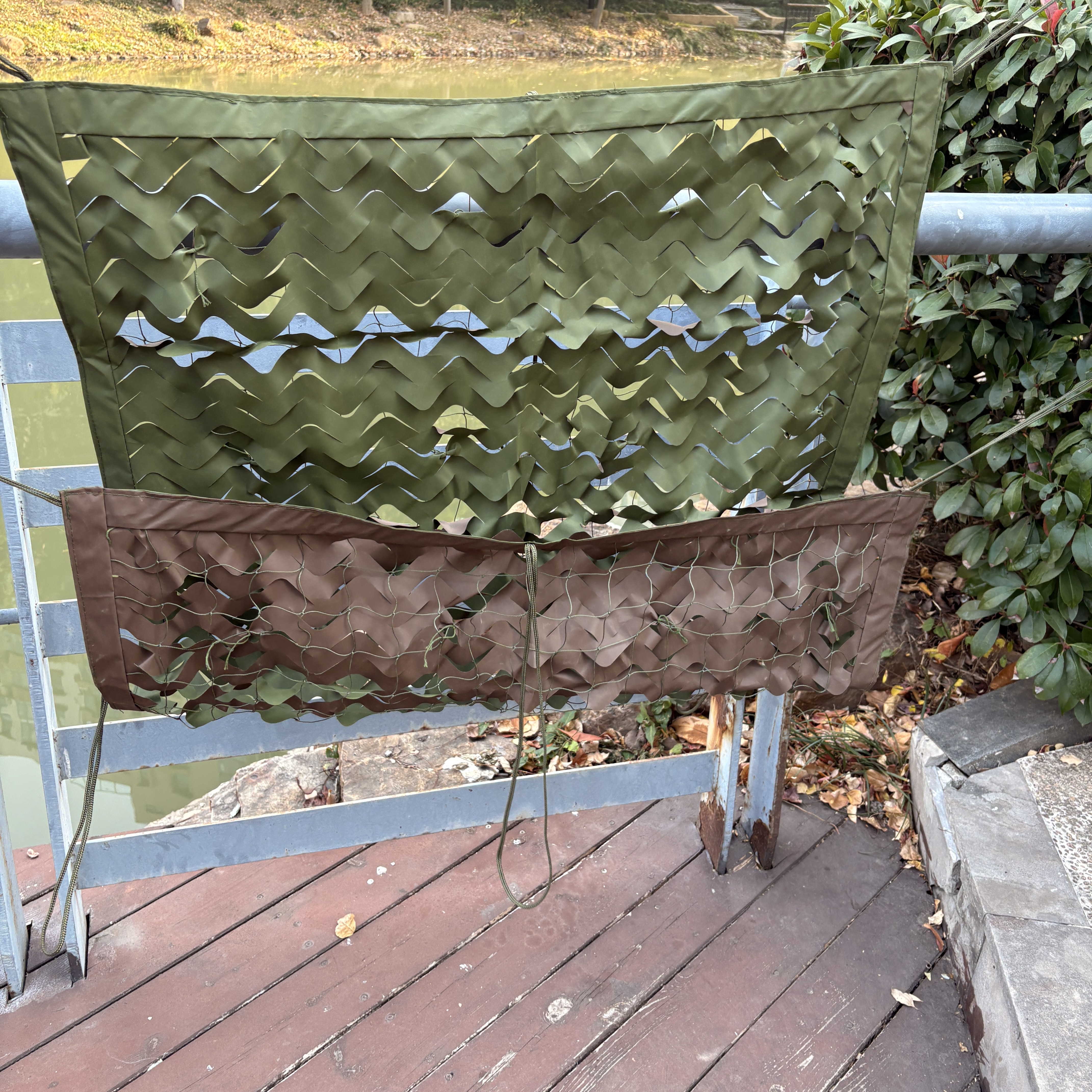
Reinforced construction techniques significantly enhance the ability of camouflage netting to withstand high winds and mechanical stress. Ripstop weaving patterns and reinforced edge binding distribute stress forces across the entire surface area, preventing small tears from propagating into larger failures. These engineering features are particularly important for applications where the camo net experiences constant movement and flexing.
Strategic reinforcement zones at attachment points and high-stress areas further enhance durability. These reinforcements use heavier materials or additional layers to handle the concentrated forces that occur during installation and use. The result is a product that maintains its integrity and functionality even under demanding conditions where lesser materials might fail.
Environmental Performance Factors
Temperature Extremes
Thermal stability represents a critical performance characteristic for long-term outdoor applications. High-quality camo net materials maintain their flexibility and strength across a wide temperature range, from arctic conditions to desert heat. The polymer chains in advanced synthetic fibers resist becoming brittle in cold weather while maintaining dimensional stability in high temperatures.
Thermal cycling, where materials repeatedly heat up and cool down, can cause stress and degradation in inferior products. Premium camouflage netting uses materials and construction techniques specifically designed to handle these thermal stresses without compromising performance. This thermal resilience ensures consistent functionality regardless of seasonal temperature variations.
Chemical Resistance
Outdoor environments expose materials to various chemical challenges including salt spray, acid rain, and atmospheric pollutants. Modern camo net fabrics incorporate chemical resistance features that prevent degradation from these environmental factors. This resistance is particularly important for marine applications or use in industrial environments where chemical exposure is common.
The chemical inertness of advanced synthetic materials provides natural protection against most environmental contaminants. Additional protective treatments can be applied during manufacturing to enhance resistance to specific chemicals or environments. This comprehensive protection ensures that the camo net maintains its performance characteristics even in challenging chemical environments.
Installation and Maintenance Considerations
Proper Installation Techniques
The longevity of any camo net system depends significantly on proper installation practices. Correct tensioning prevents excessive stress concentration while ensuring adequate support to handle wind loads. Over-tensioning can cause premature failure at attachment points, while insufficient tension may result in excessive movement and wear. Understanding the optimal installation parameters for specific applications maximizes service life.
Attachment hardware selection plays a crucial role in long-term performance. Corrosion-resistant fasteners and mounting systems prevent failure due to hardware degradation. The compatibility between attachment systems and the netting material prevents chemical interactions that could compromise the fabric integrity over time.
Routine Maintenance Protocols
Regular inspection and maintenance significantly extend the service life of camouflage netting systems. Simple cleaning procedures remove accumulated debris and contaminants that could accelerate degradation. Most modern camo net materials can be cleaned with mild detergents and water without compromising their protective treatments or structural integrity.
Storage practices during off-seasons impact long-term durability. Proper folding techniques prevent permanent creasing while adequate ventilation during storage prevents mildew and odor development. UV protection during storage, while not critical for UV-resistant materials, can further extend service life by minimizing unnecessary exposure.
Application-Specific Considerations
Military and Tactical Applications
Military applications demand the highest levels of durability and weather resistance due to extended deployment periods and harsh operational environments. Military-specification camo net products undergo rigorous testing to verify performance under extreme conditions. These standards ensure reliable performance across diverse global climates and operational scenarios.
The consequences of equipment failure in tactical situations make reliability paramount. Military-grade camouflage netting incorporates redundant design features and conservative safety factors to ensure continued functionality even when subjected to abuse or damage. This robust approach to design and manufacturing translates to exceptional longevity in civilian applications as well.
Hunting and Recreational Use
Recreational applications often involve seasonal use patterns that subject the camo net to varying storage and deployment cycles. The ability to maintain performance after repeated setup and takedown operations requires flexible materials that resist fatigue cracking. Additionally, the aesthetic appearance remains important for hunting applications where natural-looking camouflage effectiveness is crucial.
Cost-effectiveness becomes more important in recreational markets where the equipment may see less intensive use than military applications. The challenge lies in providing adequate durability and weather resistance at price points accessible to individual consumers. Modern manufacturing techniques enable the production of consumer-grade products that offer military-level performance at reasonable costs.
Quality Indicators and Selection Criteria
Material Specifications
Identifying high-quality camo net products requires understanding key material specifications and performance indicators. Fabric weight, measured in ounces per square yard, provides an indication of material density and durability. However, modern lightweight materials can offer superior performance to heavier traditional fabrics through advanced fiber technology and construction techniques.
Thread count and weave patterns significantly impact both durability and camouflage effectiveness. Higher thread counts generally provide better tear resistance and more detailed pattern reproduction. The weave structure affects air permeability, which influences comfort in shelter applications and affects wind resistance characteristics.
Manufacturing Standards
Reputable manufacturers adhere to established quality standards and testing protocols that verify weather resistance and durability claims. Independent testing by recognized laboratories provides objective verification of performance characteristics. These certifications offer confidence that the camo net will perform as advertised under real-world conditions.
Manufacturing consistency ensures that each unit meets the same performance standards regardless of production batch. Quality control processes monitor critical parameters throughout production to maintain consistent material properties and construction quality. This consistency translates to predictable performance and reliability across the entire product line.
FAQ
How long can a quality camo net withstand continuous outdoor exposure?
High-quality camouflage netting with proper UV stabilization can maintain effective performance for 5-10 years of continuous outdoor exposure. The actual lifespan depends on climate conditions, with desert and high-altitude environments presenting the greatest UV challenges. Regular inspection and proper maintenance can extend this lifespan significantly, while premium military-grade products may perform effectively for even longer periods under normal conditions.
What are the signs that a camo net needs replacement due to weather damage?
Key indicators of weather-related deterioration include significant color fading that compromises camouflage effectiveness, visible fabric thinning or transparency, tears that continue to grow despite repairs, and loss of water repellency. Additionally, brittleness or stiffness in the material, particularly in cold weather, indicates UV damage to the polymer structure. If the netting no longer maintains its shape or develops permanent wrinkles, replacement should be considered.
Can UV-damaged camo net be restored or treated to extend its life?
Once UV damage occurs to the polymer structure of synthetic fabrics, it cannot be reversed through after-market treatments. However, preventive treatments applied to new or lightly used netting can provide additional protection. Surface treatments like UV-protective sprays offer limited benefit and require frequent reapplication. The most effective approach is selecting properly treated materials initially rather than attempting restoration of damaged products.
Is there a difference in weather resistance between different camouflage patterns?
The camouflage pattern itself does not significantly affect weather resistance, as this depends primarily on the base material and protective treatments. However, the dyeing process used to create different patterns can influence longevity. Digital patterns requiring multiple dye applications may have different fade characteristics than simpler patterns. Solution-dyed patterns generally offer superior color retention regardless of pattern complexity compared to surface-printed designs.