 EN
EN

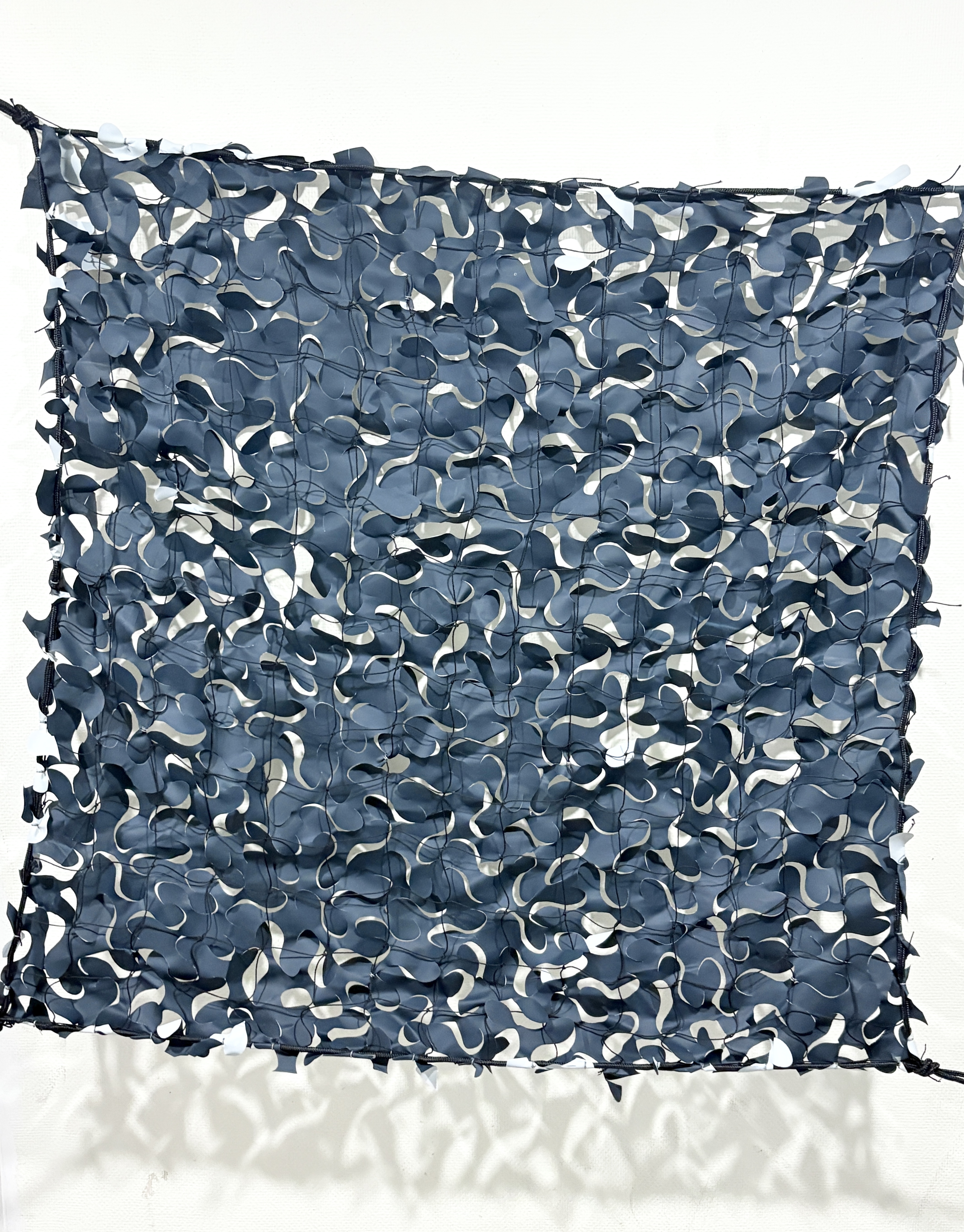
Importing high-quality camouflage netting requires meticulous attention to detail and comprehensive quality control protocols. Professional importers must establish rigorous inspection standards to ensure their camouflage netting meets international durability requirements, performance specifications, and safety standards. Understanding the critical quality control checkpoints can prevent costly returns, protect brand reputation, and ensure customer satisfaction in competitive military, hunting, and outdoor recreation markets.
Material Composition and Fabric Quality Assessment
Fiber Type and Blend Verification
The foundation of superior camouflage netting lies in its material composition, requiring thorough verification of fiber types and blending ratios. High-performance camouflage netting typically incorporates polyester, nylon, or specialized synthetic fibers engineered for outdoor durability. Importers should request detailed material certificates specifying exact fiber percentages, denier ratings, and yarn specifications. Laboratory testing can confirm whether the supplied materials match manufacturer declarations and meet contract specifications.
Quality control protocols should include burn tests to identify synthetic fiber types, microscopic examination for fiber consistency, and tensile strength measurements. Premium camouflage netting often features ripstop construction with reinforcing threads woven at regular intervals to prevent tear propagation. Inspectors must verify that reinforcement patterns are uniform and properly integrated throughout the fabric structure without compromising the overall camouflage effectiveness.
Weave Structure and Density Standards
The weave structure significantly impacts camouflage netting performance, affecting durability, breathability, and visual effectiveness. Professional quality control requires detailed examination of weave patterns, thread count per square inch, and fabric density consistency across entire production batches. Standard measurements should include warp and weft thread counts, fabric thickness variations, and porosity levels that influence air circulation and light filtration.
Advanced testing procedures involve measuring fabric tensile strength in multiple directions, checking for loose threads or weaving defects, and verifying that mesh openings maintain consistent dimensions. Quality camouflage netting demonstrates uniform weave patterns without irregular gaps, thread bunching, or structural weaknesses that could compromise long-term performance in demanding outdoor environments.
Color Fastness and Pattern Accuracy Evaluation
Colorfastness Testing Protocols
Color stability represents a critical quality factor for camouflage netting exposed to harsh environmental conditions including intense sunlight, moisture, and temperature fluctuations. Comprehensive colorfastness testing should evaluate resistance to UV radiation, washing cycles, rubbing friction, and perspiration exposure. Standard testing methods include AATCC Test Method 16 for lightfastness and AATCC Test Method 61 for laundering resistance.
Professional importers should establish acceptance criteria for color change ratings, typically requiring Grade 4 or higher performance levels for outdoor applications. Testing procedures must evaluate each color component within camouflage patterns separately, ensuring that all pigments demonstrate equivalent stability characteristics. Poor colorfastness can result in pattern distortion, reduced camouflage effectiveness, and customer dissatisfaction in military or hunting applications.
Pattern Registration and Color Matching
Accurate pattern reproduction requires precise color matching and proper pattern registration throughout production runs. Quality control inspectors should compare finished camouflage netting against approved color standards using standardized viewing conditions and calibrated light sources. Digital colorimeters can provide objective color measurements, ensuring consistency between production batches and conformance to established specifications.
Pattern registration accuracy affects overall camouflage effectiveness, requiring careful examination of color boundaries, pattern repeat intervals, and visual continuity across fabric joins. Advanced camouflage netting may incorporate multiple color layers or specialized printing techniques that demand enhanced quality control measures. Inspectors must verify that pattern elements align correctly, colors blend smoothly, and overall visual appearance matches approved samples or military specifications.

Physical Performance and Durability Testing
Tensile Strength and Tear Resistance
Mechanical performance testing provides essential data about camouflage netting durability under stress conditions typically encountered in field applications. Standard testing procedures should measure tensile strength in both warp and weft directions, tear propagation resistance, and puncture strength using calibrated testing equipment. Quality camouflage netting must demonstrate consistent strength characteristics across entire production lots without significant variations that could indicate manufacturing problems.
Professional testing protocols include grab tensile tests, trapezoid tear tests, and Elmendorf tear resistance measurements. Results should meet or exceed specified minimum performance levels established for intended applications. Military-grade camouflage netting typically requires higher performance standards than commercial outdoor products, necessitating more rigorous testing procedures and tighter acceptance tolerances.
Weather Resistance and Environmental Stability
Outdoor camouflage netting must withstand extreme weather conditions including temperature cycling, UV exposure, humidity variations, and precipitation effects. Accelerated aging tests simulate years of environmental exposure within controlled laboratory conditions, providing predictive data about long-term performance characteristics. Quality control protocols should include UV chamber testing, thermal cycling, humidity resistance evaluation, and water absorption measurements.
Advanced testing procedures may incorporate salt spray exposure for marine applications, freeze-thaw cycling for cold climate use, and ozone resistance testing for industrial environments. Comprehensive environmental testing helps identify potential failure modes before products reach end users, reducing warranty claims and protecting brand reputation in competitive markets. Test results should demonstrate minimal property degradation after specified exposure periods.
Manufacturing Quality and Workmanship Standards
Seaming and Edge Finishing Quality
Professional manufacturing quality extends beyond fabric properties to include seaming techniques, edge finishing, and overall workmanship standards. Quality control inspectors must examine seam strength, stitch consistency, and thread selection to ensure long-term durability under field conditions. Properly constructed camouflage netting features reinforced edges, secure hemming, and professional-grade stitching that prevents unraveling or premature failure.
Seam testing procedures should measure tensile strength across joined sections, evaluate stitch density consistency, and check for thread breakage or irregular stitching patterns. High-quality camouflage netting often incorporates specialized edge treatments including bound edges, reinforced grommets, or integrated attachment points that require additional inspection procedures. Manufacturing defects in seaming can significantly reduce product lifespan and customer satisfaction.
Dimensional Accuracy and Consistency
Accurate dimensions ensure proper fit and installation compatibility for camouflage netting applications. Quality control protocols must verify length, width, and diagonal measurements against specified tolerances, typically requiring precision within established percentage ranges. Dimensional variations can affect coverage calculations, installation procedures, and overall system performance in military or commercial applications.
Advanced measurement techniques include automated fabric inspection systems that detect dimensional inconsistencies during production processes. Quality camouflage netting demonstrates minimal dimensional variation across production runs, ensuring predictable performance characteristics and simplified inventory management for importers and distributors.
Compliance and Certification Requirements
Military Specification Compliance
Military applications require camouflage netting compliance with specific government standards and performance criteria. Quality control procedures must verify conformance to applicable military specifications including MIL-C-12369 for camouflage systems or equivalent international standards. Compliance testing typically involves specialized laboratories with military certification capabilities and detailed documentation requirements.
Professional importers should establish relationships with accredited testing facilities capable of performing required compliance evaluations. Military specification testing often includes specialized performance criteria such as infrared signature reduction, radar cross-section properties, and electromagnetic compatibility requirements that exceed commercial quality standards. Proper documentation and certification can significantly expand market opportunities for qualified camouflage netting products.
Safety and Environmental Standards
Modern camouflage netting must comply with various safety and environmental regulations depending on intended markets and applications. Quality control protocols should verify compliance with relevant standards including flammability requirements, chemical content restrictions, and environmental impact criteria. Testing procedures may include flame spread tests, toxic substance screening, and recyclability assessments.
International markets often impose specific requirements for product labeling, chemical disclosure, and environmental impact documentation. Professional importers must ensure their camouflage netting products meet applicable safety standards while maintaining competitive pricing and performance characteristics. Compliance documentation should be readily available for regulatory inspection and customer verification purposes.
FAQ
How often should importers conduct quality control testing on camouflage netting shipments
Professional importers should implement statistical sampling protocols for each shipment, typically testing 2-5% of total units depending on supplier history and risk tolerance. New suppliers require more intensive testing until quality consistency is established, while proven manufacturers may warrant reduced sampling frequencies. Critical performance characteristics should be verified for every production lot, regardless of supplier relationship duration.
What are the most common quality defects found in imported camouflage netting
Common defects include color variation between production lots, inadequate UV resistance leading to premature fading, poor seam construction causing edge unraveling, and dimensional inconsistencies affecting installation compatibility. Manufacturing defects such as loose threads, pattern misregistration, and inconsistent weave density also frequently occur in lower-quality products from inexperienced suppliers.
Which testing standards should importers specify for military-grade camouflage netting
Military applications typically require compliance with MIL-DTL-12369 for lightweight camouflage systems, along with specialized performance criteria for infrared signature management and durability requirements. Additional standards may include ASTM testing protocols for tensile strength, colorfastness, and environmental resistance depending on specific military branch requirements and intended deployment conditions.
How can importers verify supplier quality control capabilities before placing orders
Comprehensive supplier audits should evaluate manufacturing equipment, quality control procedures, testing capabilities, and certification documentation. Site visits allow direct assessment of production processes, quality management systems, and technical competency. Requesting test certificates from previous orders and conducting sample evaluations helps verify actual quality control implementation versus documented procedures.
Table of Contents
- Material Composition and Fabric Quality Assessment
- Color Fastness and Pattern Accuracy Evaluation
- Physical Performance and Durability Testing
- Manufacturing Quality and Workmanship Standards
- Compliance and Certification Requirements
-
FAQ
- How often should importers conduct quality control testing on camouflage netting shipments
- What are the most common quality defects found in imported camouflage netting
- Which testing standards should importers specify for military-grade camouflage netting
- How can importers verify supplier quality control capabilities before placing orders