 EN
EN

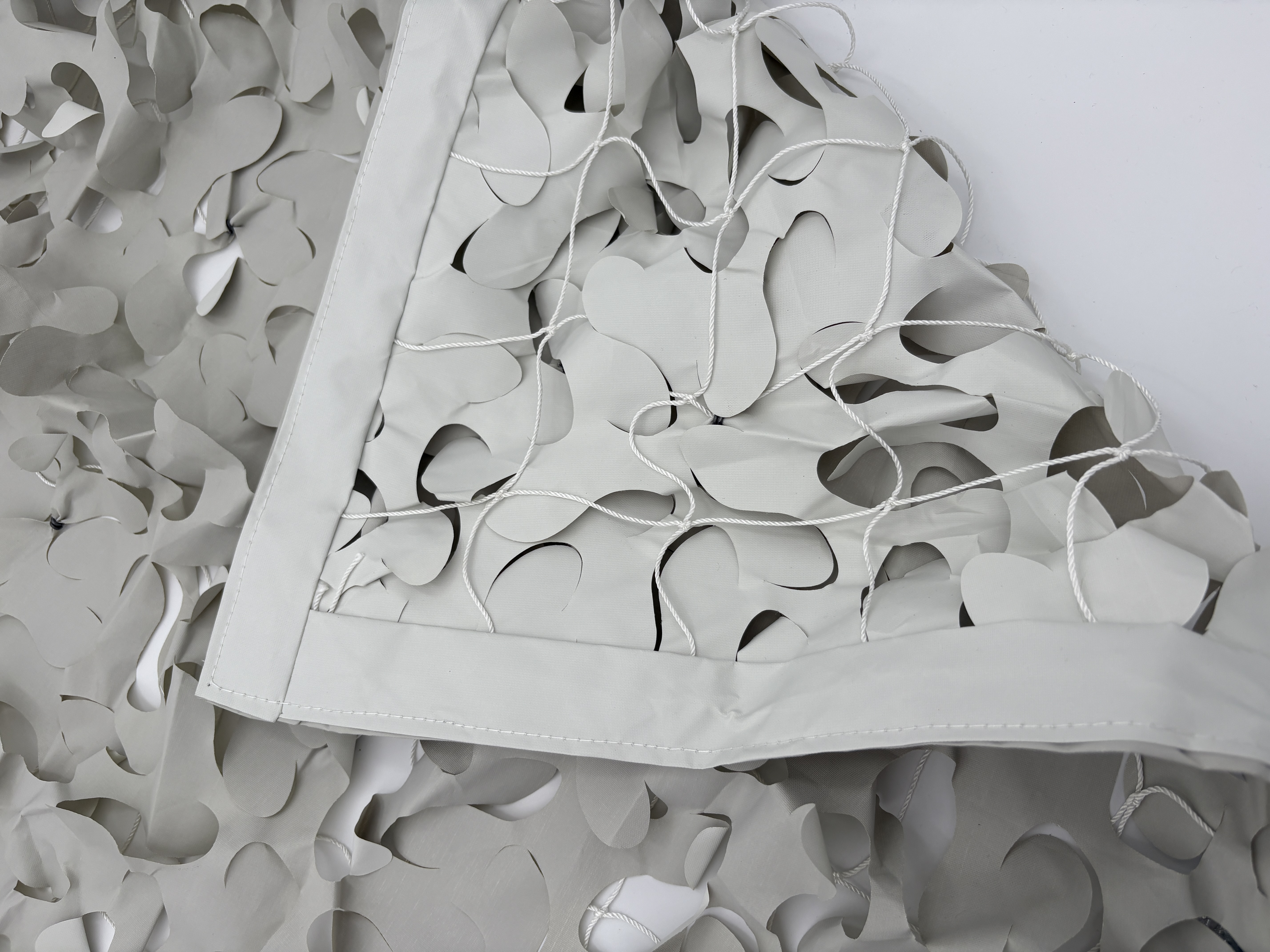
Modern military operations and civilian applications increasingly rely on effective concealment solutions that can adapt to diverse environmental conditions. The science behind how camouflage netting achieves seamless integration across multiple terrain types involves sophisticated understanding of visual perception, material engineering, and environmental adaptation principles. Advanced camouflage netting systems utilize complex color patterns, texture variations, and three-dimensional structures to create optical illusions that effectively deceive both human observers and technological detection systems across forests, deserts, urban environments, and mixed landscapes.
Visual Disruption Principles in Multi-Terrain Environments
Color Theory and Environmental Matching
Effective camouflage netting relies on sophisticated color theory principles that account for varying light conditions and seasonal changes across different terrains. The human eye processes color through three primary channels corresponding to red, green, and blue wavelengths, while camouflage netting designers create patterns that disrupt these natural recognition processes. Multi-terrain camouflage netting incorporates color palettes that contain elements suitable for woodland, desert, and urban environments simultaneously, utilizing intermediate tones that appear appropriate in multiple contexts.
Professional grade camouflage netting systems employ computer-generated algorithms to determine optimal color combinations that maintain effectiveness across diverse backgrounds. These systems analyze thousands of photographs from various terrains to identify color frequencies and distributions that occur naturally in multiple environments. The resulting patterns feature carefully calibrated browns, greens, tans, and grays that blend effectively whether deployed in temperate forests, arid regions, or rocky mountain terrain.
Pattern Disruption and Edge Management
The geometric patterns embedded within camouflage netting serve to break up recognizable shapes and silhouettes that would otherwise stand out against natural backgrounds. Random pattern generation ensures that the human brain cannot easily identify repeating motifs or artificial regularity that would reveal the presence of manufactured materials. Edge management becomes particularly critical in multi-terrain applications, where camouflage netting must transition smoothly between different environmental zones without creating obvious boundaries or discontinuities.
Modern camouflage netting incorporates fractal geometry principles that mirror the irregular patterns found throughout nature. These mathematical approaches create pattern complexity at multiple scales, ensuring that the netting appears natural whether viewed from close range or at considerable distance. The irregular edges and varied pattern densities help the material integrate seamlessly with natural vegetation, rock formations, and terrain features regardless of the specific environmental context.
Material Engineering for Environmental Adaptation
Textile Technology and Weather Resistance
Contemporary camouflage netting utilizes advanced synthetic materials engineered to withstand extreme weather conditions while maintaining visual effectiveness across multiple terrain types. High-density polyester and nylon fabrics resist fading, tearing, and degradation from ultraviolet radiation, ensuring consistent performance in desert environments with intense solar exposure and humid forest conditions with frequent precipitation. The material composition must balance durability requirements with weight considerations, particularly for military applications requiring rapid deployment and repositioning.
Specialized coating treatments applied to camouflage netting fibers provide additional protection against moisture absorption and color bleeding that could compromise concealment effectiveness. These treatments also reduce infrared signatures that might be detected by thermal imaging systems, expanding the netting's utility beyond visual spectrum concealment. The engineering process involves extensive testing under simulated environmental conditions to verify performance across temperature ranges, humidity levels, and exposure durations typical of various global regions.
Three-Dimensional Structure and Light Management
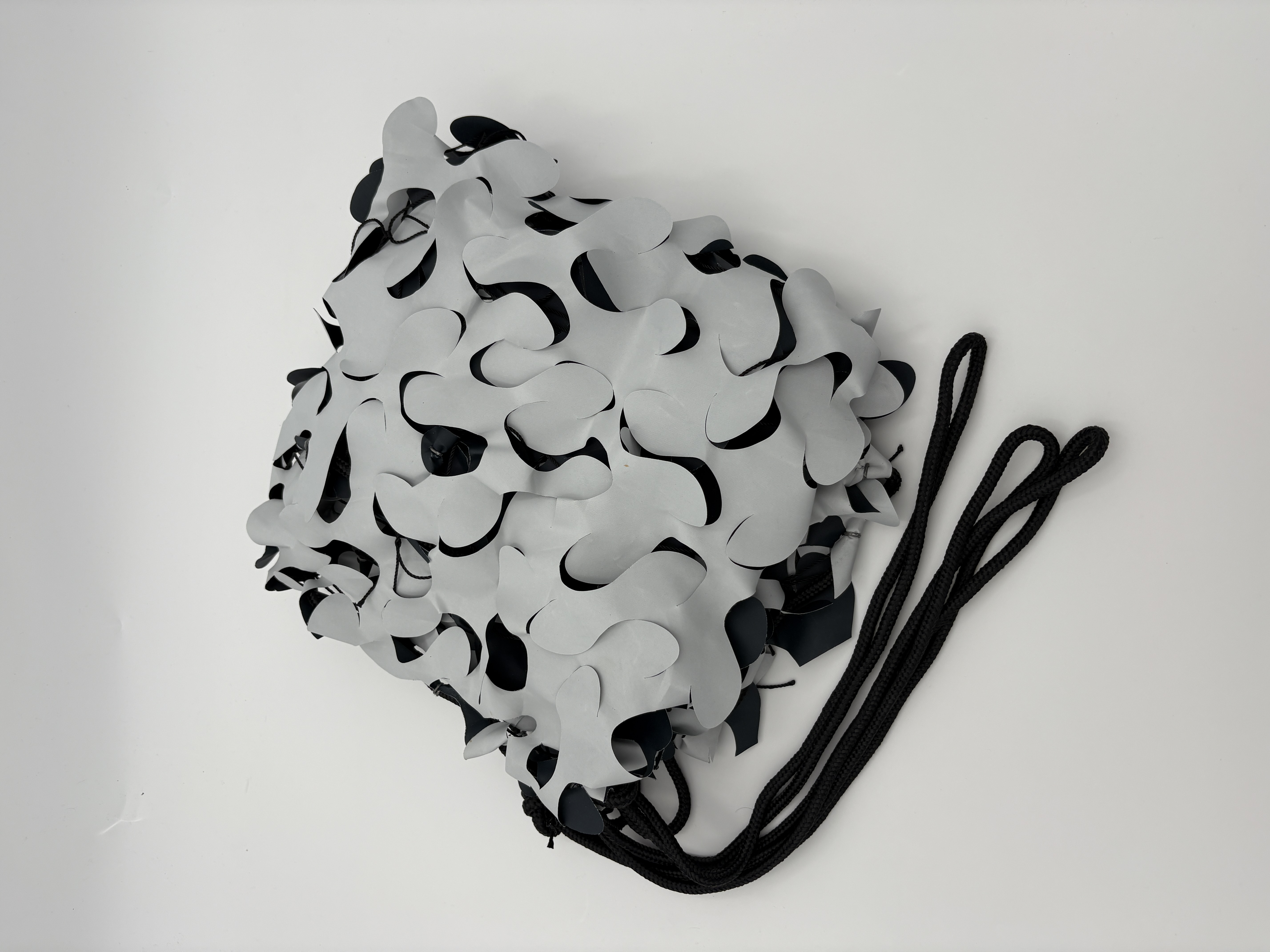
Advanced camouflage netting designs incorporate three-dimensional elements that create realistic shadows and depth variations mimicking natural vegetation and terrain features. Attached fabric leaves, irregular surface textures, and varying mesh densities contribute to the overall illusion by managing how light interacts with the material surface. These structural elements prevent the flat, artificial appearance that characterizes simpler camouflage solutions and helps the netting integrate convincingly with complex natural environments.
The strategic placement of loose fabric elements and varying mesh openings allows natural light to filter through the camouflage netting in patterns that resemble natural canopy effects. This light management becomes particularly important in multi-terrain applications where the netting may need to provide concealment under different lighting conditions, from the dappled sunlight of forest environments to the harsh, directional illumination typical of desert regions. The three-dimensional structure also helps break up the netting's outline against varied backgrounds, preventing detection through silhouette recognition.
Deployment Strategies for Maximum Effectiveness
Site Assessment and Environmental Analysis
Successful camouflage netting deployment requires comprehensive analysis of local environmental conditions, seasonal variations, and potential observation angles. Professional installers evaluate factors including predominant vegetation types, soil colors, rock formations, and seasonal color changes to optimize netting placement and orientation. This analysis extends beyond immediate visual considerations to include factors such as prevailing wind patterns that might affect netting movement and potential reflection or shadow issues that could compromise concealment.
Multi-terrain camouflage netting installations benefit from layered approaches that combine different netting types and natural materials to create seamless transitions between environmental zones. Installation teams often supplement manufactured netting with local vegetation, ensuring that the concealment system adapts to specific site conditions while maintaining effectiveness across season changes. Regular maintenance and adjustment schedules account for environmental changes that might affect camouflage netting performance over extended deployment periods.
Integration with Natural Elements
Effective camouflage netting deployment involves careful integration with existing natural elements rather than simple overlay installation. Professional techniques include weaving natural vegetation through netting mesh, strategically placing netting to complement existing shadows and terrain features, and ensuring that installation hardware remains concealed. This integration approach helps the camouflage netting achieve seamless blending that withstands close inspection while maintaining effectiveness at various observation distances.
The most successful installations combine camouflage netting with environmental modification techniques that enhance overall concealment effectiveness. These modifications might include selective vegetation management, strategic placement of natural materials, and creation of realistic shadows and depth variations that support the netting's visual deception. Integration planning considers both current environmental conditions and anticipated changes that might affect concealment performance throughout the deployment period.
Technology and Detection Countermeasures
Multispectral Concealment Properties
Modern camouflage netting systems incorporate technologies designed to defeat detection across multiple electromagnetic spectrums beyond visible light wavelengths. Near-infrared reflection properties receive particular attention, as many surveillance systems utilize infrared imaging to detect concealed objects and personnel. Specialized dyes and material treatments ensure that camouflage netting exhibits infrared reflection characteristics similar to natural vegetation, maintaining concealment effectiveness against thermal imaging and night vision systems.
Advanced camouflage netting materials also address challenges posed by multispectral imaging systems that combine information from multiple wavelength bands to enhance target detection capabilities. Research and development efforts focus on creating materials that maintain consistent concealment properties across ultraviolet, visible, near-infrared, and thermal infrared spectrums simultaneously. These technological advances ensure that multi-terrain camouflage netting remains effective against increasingly sophisticated detection systems employed in both military and security applications.
Radar Signature Management
Contemporary camouflage netting designs incorporate radar-absorbing materials and structural features that minimize electromagnetic reflection signatures. Specialized fibers and coatings help dissipate radar energy rather than reflecting it back to detection systems, reducing the likelihood of discovery through electronic surveillance methods. The challenge lies in achieving radar signature reduction while maintaining the visual camouflage properties necessary for optical concealment across multiple terrain types.
Carbon fiber elements and conductive materials integrated into camouflage netting structures contribute to radar signature management without significantly affecting weight or visual properties. These technologies require careful balance to avoid creating electromagnetic anomalies that might actually enhance detection rather than reducing it. Ongoing research focuses on developing materials that provide consistent radar absorption across multiple frequency bands while maintaining the flexibility and durability required for field deployment applications.
Applications and Industry Considerations
Military and Defense Applications
Military applications represent the primary driver for advanced camouflage netting development, with requirements encompassing rapid deployment capabilities, multi-spectrum concealment, and effectiveness across diverse operational environments. Modern military camouflage netting must provide concealment for personnel, vehicles, equipment, and installations while withstanding harsh environmental conditions and potential combat damage. The ability to function effectively across multiple terrain types becomes essential for units operating in regions with varied landscapes or during extended deployments covering different environmental zones.
Defense procurement specifications increasingly emphasize camouflage netting systems capable of defeating advanced detection technologies while maintaining traditional visual concealment properties. These requirements drive continuous innovation in material science, pattern design, and manufacturing processes. Military applications also demand consideration of factors such as rapid setup and breakdown capabilities, compact storage characteristics, and compatibility with existing equipment systems that may not apply to civilian camouflage netting applications.
Commercial and Civilian Uses
Civilian applications for camouflage netting span hunting, wildlife observation, photography, and privacy screening applications where effective concealment across multiple environments provides significant value. Hunting applications particularly benefit from multi-terrain camouflage netting that remains effective as hunters move through diverse landscape zones during extended expeditions. Wildlife photographers utilize advanced camouflage netting to maintain concealment while documenting animal behavior across different habitats and seasonal conditions.
Commercial security applications increasingly incorporate camouflage netting for concealing surveillance equipment, protecting sensitive installations, and maintaining operational security in varied environments. These applications often require camouflage netting that provides concealment while allowing equipment functionality, creating additional design challenges beyond simple visual deception. Industrial applications might include concealing construction activities, protecting equipment from environmental exposure while maintaining visual integration with surrounding landscapes.
Future Developments and Innovation Trends
Smart Materials and Adaptive Technologies
Emerging technologies in smart materials promise revolutionary advances in camouflage netting capabilities, including systems that automatically adapt to changing environmental conditions. Thermochromic and photochromic materials could enable camouflage netting that adjusts color properties in response to temperature variations and lighting changes, maintaining optimal concealment across different times of day and seasonal conditions. These adaptive technologies could significantly enhance multi-terrain effectiveness by allowing single netting systems to optimize their appearance for current environmental conditions.
Research into electroactive polymers and programmable materials suggests future camouflage netting systems might incorporate real-time pattern adjustment capabilities. These systems could utilize embedded sensors to monitor environmental conditions and automatically modify surface patterns, colors, and textures to maintain optimal concealment effectiveness. While such technologies currently exist primarily in laboratory settings, ongoing development suggests practical applications may emerge within the next decade.
Manufacturing Process Innovations
Advanced manufacturing technologies including 3D printing and automated weaving systems enable increasingly sophisticated camouflage netting designs with precise control over pattern distribution, material properties, and structural characteristics. These manufacturing innovations allow for customization of camouflage netting systems for specific environmental conditions and operational requirements while maintaining cost-effectiveness for large-scale production. Digital pattern generation and computer-controlled manufacturing processes ensure consistent quality and enable rapid prototype development for testing new concealment concepts.
Sustainable manufacturing approaches increasingly influence camouflage netting production, with emphasis on recyclable materials, reduced environmental impact, and manufacturing processes that minimize waste generation. These considerations become particularly important as camouflage netting applications expand into civilian markets where environmental responsibility influences purchasing decisions. Innovation in bio-based materials and environmentally friendly production methods could significantly impact future camouflage netting development while maintaining performance requirements across multiple terrain applications.
FAQ
What factors determine camouflage netting effectiveness across different terrain types
Camouflage netting effectiveness depends on color pattern compatibility with local environments, material texture that mimics natural surfaces, appropriate scale patterns that remain convincing at various viewing distances, and integration capabilities with existing natural elements. Multi-terrain systems require careful balance of these factors to maintain performance across diverse environmental conditions while avoiding patterns that appear obviously artificial in any specific setting.
How does weather affect camouflage netting performance in multi-terrain environments
Weather conditions significantly impact camouflage netting through moisture effects on color saturation, wind movement that can reveal artificial materials, lighting changes that alter pattern effectiveness, and seasonal variations that modify background environments. Quality camouflage netting incorporates weather-resistant materials and design features that maintain concealment properties under diverse meteorological conditions while adapting to seasonal environmental changes.
What maintenance requirements apply to multi-terrain camouflage netting systems
Regular maintenance includes inspection for material degradation, cleaning to remove debris that might compromise concealment, replacement of damaged sections that could create detection risks, and periodic repositioning to account for environmental changes. Maintenance schedules should consider deployment duration, environmental severity, and operational requirements while ensuring that camouflage netting continues providing effective concealment throughout its service life.
How do modern detection technologies affect camouflage netting design requirements
Advanced detection systems utilizing multiple electromagnetic spectrums require camouflage netting that provides concealment beyond visible wavelengths, including near-infrared and thermal signatures. Modern designs incorporate specialized materials and treatments that maintain effectiveness against electronic surveillance while preserving visual concealment properties. Ongoing technological advancement necessitates continuous evolution of camouflage netting capabilities to counter increasingly sophisticated detection methods.
Table of Contents
- Visual Disruption Principles in Multi-Terrain Environments
- Material Engineering for Environmental Adaptation
- Deployment Strategies for Maximum Effectiveness
- Technology and Detection Countermeasures
- Applications and Industry Considerations
- Future Developments and Innovation Trends
-
FAQ
- What factors determine camouflage netting effectiveness across different terrain types
- How does weather affect camouflage netting performance in multi-terrain environments
- What maintenance requirements apply to multi-terrain camouflage netting systems
- How do modern detection technologies affect camouflage netting design requirements