 EN
EN


Military training bases and camps rely heavily on camouflage netting to create realistic training environments that prepare personnel for actual combat scenarios. This specialized equipment serves multiple purposes beyond simple concealment, including protection from aerial surveillance, weather elements, and creating tactical advantages during field exercises. Understanding the proper application and strategic deployment of camouflage netting is essential for maximizing training effectiveness and operational security in military installations.
Strategic Installation Methods for Training Facilities
Overhead Coverage Systems
Training bases implement overhead camouflage netting systems to shield critical infrastructure from aerial detection and reconnaissance. These installations typically span large areas including vehicle parks, command centers, and equipment storage facilities. The netting is suspended using steel cables, poles, and tensioning systems that can withstand various weather conditions while maintaining proper coverage angles. Proper installation requires careful consideration of wind loads, drainage patterns, and accessibility for maintenance personnel.
The height and positioning of overhead camouflage netting directly impacts its effectiveness in disrupting visual signatures from above. Military engineers calculate optimal suspension heights based on the types of equipment being concealed and the expected observation angles. Installation crews must ensure that the netting maintains sufficient clearance for vehicle movement while providing adequate coverage density to break up recognizable shapes and shadows.
Perimeter Concealment Applications
Perimeter installations of camouflage netting serve as the first line of defense against ground-based observation and surveillance. These vertical installations are positioned along fence lines, bunker walls, and observation posts to create visual barriers that blend with natural terrain features. The netting is attached to existing structures or dedicated support frameworks using specialized mounting hardware designed for quick deployment and removal.
Training camps utilize modular camouflage netting systems that can be rapidly reconfigured based on changing exercise requirements. These systems incorporate standardized connection points and tensioning mechanisms that allow personnel to adjust coverage patterns without specialized tools or extensive setup time. The flexibility of these installations enables training scenarios that simulate various operational environments and concealment challenges.
Tactical Training Applications and Scenarios
Field Exercise Integration
Field training exercises incorporate camouflage netting as both a training tool and protective measure during realistic combat simulations. Instructors deploy portable netting systems to create concealed observation points, simulated enemy positions, and protected staging areas for equipment and personnel. These applications teach trainees proper concealment techniques while providing practical experience with military-grade camouflage materials.
Training scenarios often require rapid deployment and repositioning of camouflage netting to simulate changing tactical situations. Personnel learn to assess terrain features, lighting conditions, and observation angles to determine optimal netting placement. These exercises develop critical skills in site selection, installation techniques, and maintenance procedures that are essential for operational deployments.
Specialized Training Programs
Advanced training programs utilize camouflage netting in specialized applications including sniper training, reconnaissance exercises, and counter-surveillance operations. These programs focus on the technical aspects of camouflage effectiveness, including pattern selection, texture variation, and integration with natural materials. Trainees learn to evaluate the performance of different netting configurations under various lighting and weather conditions.
Combat engineering courses incorporate camouflage netting installation as part of comprehensive concealment and deception training modules. Students learn proper rigging techniques, load calculations, and safety procedures for large-scale installations. These technical skills are essential for creating effective camouflage systems in operational environments where detection avoidance is critical for mission success.
Infrastructure Protection and Security Enhancement
Critical Asset Concealment
Military training bases deploy camouflage netting to protect high-value assets including communications equipment, vehicle fleets, and ammunition storage facilities. These installations require specialized mounting systems and environmental considerations to ensure long-term effectiveness and structural integrity. The netting must provide adequate coverage while allowing for operational access and maintenance activities.
Asset protection installations often incorporate multiple layers of camouflage netting with varying patterns and densities to create depth and visual complexity. This layered approach enhances concealment effectiveness while providing redundancy in case of damage or maintenance requirements. Installation teams must coordinate with facility security personnel to ensure that concealment measures do not interfere with surveillance systems or emergency procedures.
Weather Protection Integration
Training facilities utilize camouflage netting systems that provide both concealment and weather protection for outdoor activities and equipment storage. These dual-purpose installations incorporate reinforced materials and enhanced structural support to withstand environmental stresses while maintaining camouflage effectiveness. The integration of weather protection features extends the operational lifespan of training equipment and improves personnel comfort during extended exercises.
Weather-resistant camouflage netting installations require specialized drainage systems and ventilation considerations to prevent moisture accumulation and material degradation. Design engineers must balance concealment requirements with environmental factors to create systems that perform reliably under diverse climate conditions. Regular inspection and maintenance protocols ensure continued effectiveness and structural safety.
Technical Specifications and Material Considerations
Material Selection Criteria
Training base applications require camouflage netting materials that meet specific durability and performance standards for extended outdoor exposure. Military-grade netting incorporates UV-resistant fibers, reinforced stitching, and flame-retardant treatments to ensure operational reliability under demanding conditions. Material specifications must consider factors including tear strength, color stability, and resistance to environmental degradation.
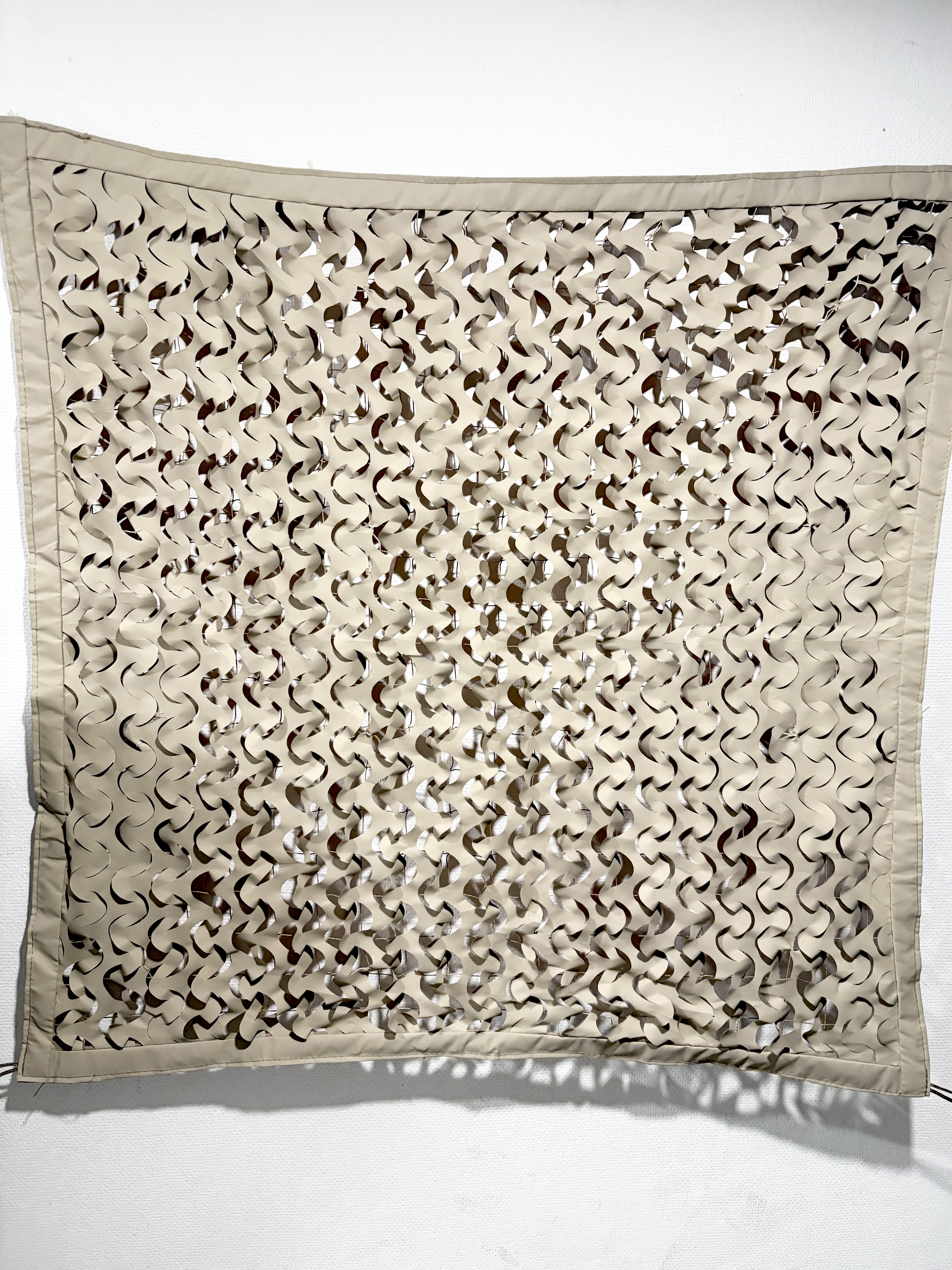
The selection of appropriate camouflage patterns depends on the predominant terrain features and vegetation types surrounding training facilities. Seasonal variations in natural coloration require netting systems with interchangeable panels or modular components that can be adjusted to maintain effective concealment throughout the year. Quality materials ensure consistent performance across multiple deployment cycles and environmental conditions.
Installation Hardware and Support Systems
Professional installation of camouflage netting requires specialized hardware including tensioning cables, anchor points, and adjustable support structures. These components must meet military specifications for strength, corrosion resistance, and operational reliability. Installation teams utilize standardized hardware systems that enable rapid deployment and reconfiguration based on changing training requirements.
Support structure design must account for wind loads, snow accumulation, and seismic considerations specific to the installation location. Engineering calculations determine appropriate spacing for support poles, cable tensions, and foundation requirements to ensure structural stability under extreme weather conditions. Regular inspection protocols identify potential failure points before they compromise system integrity or safety.
Maintenance and Operational Procedures
Routine Inspection Protocols
Training facilities implement comprehensive maintenance programs to ensure camouflage netting systems remain effective throughout their operational lifespan. Inspection procedures include visual assessment of material condition, hardware integrity, and structural stability. Maintenance personnel document findings and schedule repairs or replacements based on established performance criteria and safety standards.
Preventive maintenance activities include cleaning procedures, tension adjustments, and replacement of worn components before failure occurs. These proactive measures minimize operational disruptions and extend the service life of expensive camouflage systems. Training personnel receive instruction on basic maintenance procedures to identify potential issues during routine operations.
Seasonal Adaptation Procedures
Seasonal changes in weather conditions and vegetation require systematic adjustments to camouflage netting installations to maintain concealment effectiveness. Maintenance crews modify netting configurations, replace panels, and adjust support systems based on changing environmental conditions. These adaptations ensure continued operational security while accommodating varying training schedules and activities.
Winter preparations include additional structural reinforcement to handle snow loads and ice accumulation on camouflage netting installations. Summer modifications may require enhanced ventilation and heat management features to prevent personnel discomfort and equipment overheating. Seasonal maintenance schedules coordinate these activities with training calendars to minimize operational impact.
FAQ
What factors determine the optimal height for overhead camouflage netting installations
The optimal height for overhead camouflage netting depends on the size and type of equipment being concealed, expected observation angles from aircraft or elevated positions, and operational clearance requirements for vehicle movement. Military engineers typically install netting at heights between 15-25 feet for vehicle concealment and 8-12 feet for personnel areas. Wind considerations and structural load limits also influence height selection to ensure installation stability and safety.
How often should camouflage netting be replaced in training environments
Military-grade camouflage netting in training environments typically requires replacement every 3-5 years depending on usage intensity, weather exposure, and material quality. High-traffic areas may need more frequent replacement due to mechanical wear and handling damage. Regular inspection schedules help identify degradation early, with replacement recommended when UV damage causes significant color fading or when structural integrity is compromised by tears or weakened fibers.
What are the key differences between training and operational camouflage netting requirements
Training applications prioritize durability and reusability since netting systems undergo frequent setup and teardown cycles, while operational deployments focus on maximum concealment effectiveness and lightweight portability. Training netting often incorporates enhanced reinforcement at stress points and standardized connection systems for rapid deployment. Operational variants may use specialized materials optimized for specific geographic regions and threat environments with reduced emphasis on long-term durability.
How do weather conditions affect camouflage netting performance and installation procedures
Weather conditions significantly impact both the installation process and ongoing performance of camouflage netting systems. High winds require additional anchoring and tensioning, while snow and ice loads demand reinforced support structures. Rain and humidity can cause material expansion and increased weight, necessitating drainage provisions and tension adjustments. Installation procedures must account for seasonal weather patterns and include contingency plans for extreme conditions to maintain operational capability and personnel safety.
Table of Contents
- Strategic Installation Methods for Training Facilities
- Tactical Training Applications and Scenarios
- Infrastructure Protection and Security Enhancement
- Technical Specifications and Material Considerations
- Maintenance and Operational Procedures
-
FAQ
- What factors determine the optimal height for overhead camouflage netting installations
- How often should camouflage netting be replaced in training environments
- What are the key differences between training and operational camouflage netting requirements
- How do weather conditions affect camouflage netting performance and installation procedures